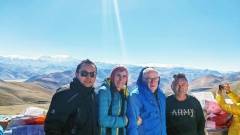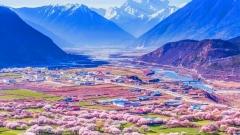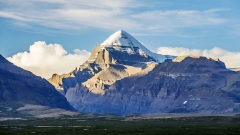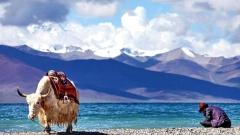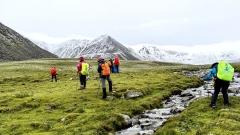

The Z166 train runs across China’s first to third terrain steps, covering about 2,800 km with an average travel time of 32 hours. Departing from Lhasa at 3,650 meters above sea level, it passes the Tanggula Pass at 5,072 meters, the uninhabited area of Hoh Xil, Golmud, Xining, Lanzhou, and Tianshui, finally arriving in Xi’an at approximately 400 meters above sea level.The route offers layered landscapes: snow-capped glaciers and the vast Changtang Grassland, high-altitude lakes like Lake Cuona with sapphire-blue waters, the rugged Loess Plateau of Gansu, and the lush Qinling Mountains and Guanzhong Plain.
Lhasa to Xian Train Z166 Ticket Prices and Booking Tips
Ticket Price Reference
Hard Seat: ~CNY 293–320. Cheapest option but not recommended for a 32-hour journey due to leg swelling and fatigue.
Hard Sleeper: Hard sleeper balances cost and comfort; middle berths offer the best value without the climbing fatigue of upper berths.
- Upper berth: ~CNY 620
- Middle berth: ~CNY 640
- Lower berth: ~CNY 650
Soft Sleeper: Offers privacy, spaciousness, and independent oxygen outlets, ideal for long high-altitude journeys.
- Upper berth: ~CNY 970
- Lower berth: ~CNY 1,000
Booking Suggestions
- Plan Ahead: Z166 is highly popular; book 30 days in advance via the official 12306 website or app.
- Use Software Assistance: Auto-booking or third-party apps can increase success rates.
- Segment Booking: If soft sleeper tickets are unavailable for the full route, consider Lhasa–Golmud and Golmud–Xi’an segments separately.
- Discounts: Children aged 6–14, students, and military personnel can enjoy discounted tickets with valid ID verification.
Seat Selection Recommendations
- Soft Sleeper: Four-person compartment, private and quiet, ideal for resting and sightseeing. Equipped with oxygen and power outlets.
- Hard Sleeper Middle Berth: Best value, avoids climbing fatigue, and quieter than lower berths.
- Hard Seat: Cheapest but not suitable for 32 hours; prolonged sitting may cause discomfort.
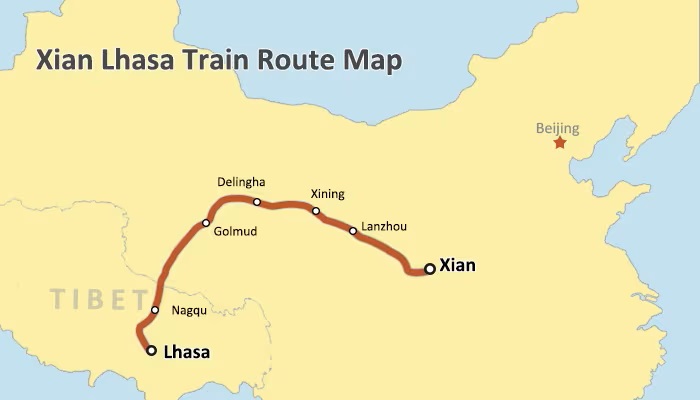
Xi’an Lhasa Train Route Map
Lhasa to Xian Train Scenic Highlights and Viewing Tips
The Z166 train route offers diverse landscapes, from snow-covered mountains, vast grasslands, and lakes to the Loess Plateau and Guanzhong Plain. It’s a visual feast for high-altitude travel enthusiasts.
- Nyainqentanglha Mountains & Changtang Grassland (2–6 hours after departure)
Snow peaks and vast grasslands stretch together, dotted with yaks and sheep. Summer shows lush green grass; winter and spring, golden carpets. Window seats in soft sleeper or upper berths are ideal for photographing mountains, grasslands, and wildlife. Noon light is strongest for photography; mornings and evenings provide changing mountain colors.
- Lake Cuona (5–7 hours after departure)
Deep blue to turquoise waters, occasional black-necked cranes or Tibetan antelopes along the shore. The train tracks hug the lake, creating a floating-on-water visual effect. Continuous shooting and high ISO recommended for capturing birds in motion.
- Hoh Xil Uninhabited Area at Sunset
Sunset paints the barren land golden-red, occasional Tibetan antelopes or wild yaks running. The lonely wilderness contrasts with the sacred aura of departing Lhasa, offering a profound high-altitude experience. Sunscreen and sunglasses are essential.
- Qinghai Lake Morning View (next day 6:30–8:00 AM)
Deep blue waters, golden rapeseed flowers in summer, or remaining snow in May. Sunrise is best for reflections and wide-angle shots. Bring hot drinks and hand warmers due to low early morning temperatures.
- Loess Plateau & Lanzhou (second morning)
Rolling hills, loess gullies, terraced fields, and villages create a rugged aesthetic. Short stop at Lanzhou station allows sampling local beef noodles and experiencing Northwest China’s lifestyle.
- Qinling Mountains & Guanzhong Plain (second evening)
Train passes tunnels; arid loess transitions to lush forests, streams, and traditional villages. Qinling blocks northwestern winds; the Guanzhong Plain is flat and fertile. Evening city lights begin to appear, combining vibrancy with calm.
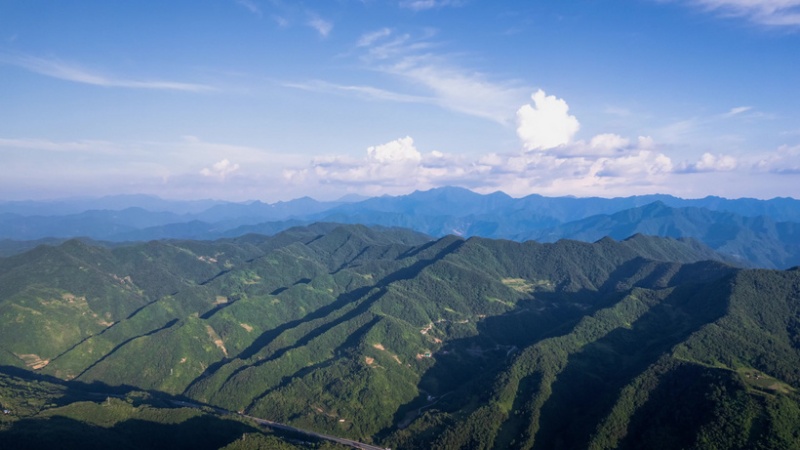
Qinling Mountains
Lhasa to Xian Train Dining Car Features and Food Recommendations
The dining car is an important stop for meals, social interaction, and scenic viewing.
Menu and Flavor
Chefs from Northwest China and the Tibetan Plateau prepare local-style dishes, especially fragrant lamb. Fried rice and noodles often served with chili bean paste, quickly replenishing energy.
Must-Try Dishes
- Qinghai hand-pulled lamb: tender, slightly salty, aromatic.
- Qinghai yogurt: mild, creamy, probiotic-rich.
- Milk tea: thick and sweet, a pinch of salt helps hydrate and provide energy.
Station Snacks
Stops at Golmud and Xining allow purchasing beef jerky, sunflower seeds, yogurt, instant noodles, and local specialties for afternoon snacks or supper.
Self-Carry Snacks
Spicy snacks like pickled chicken feet or spicy tofu are convenient for energy boosts. Prefer hot food to aid digestion and warmth. Avoid excess salt or oil to reduce altitude discomfort.
Station Stops and Mid-Route Rest
- Key Stations and Stop Duration
Train stops at Nagqu, Golmud, and Xining for 5–25 minutes. Nagqu (4,500 m) allows stretching and deep breathing. Golmud stop is longer, ideal for snacks, hot drinks, and light meals. Xining stop provides sufficient time for water, food, and luggage management.
- Available Purchases
Beef jerky, sunflower seeds, dried fruits, chocolate bars for portable energy. Bottled water, tea, or sports drinks quickly replenish fluids. Golmud and Xining stations offer local snacks like hand-pulled bread, Qinghai yogurt, and salted lamb jerky.
- Rest and Activity Tips
Short stretches during stops help relieve circulation issues from prolonged sitting. Prepare portable snacks and drinks if stops are short. Carry warm clothing for early morning or late evening temperatures. Stops are ideal for children or elderly to hydrate and snack safely.
- Additional Notes
Avoid alcohol, excess caffeine, or greasy foods at high altitude to reduce digestive strain. Stations provide small observation windows for photographing mountains, grasslands, or rivers; maintain safety and respect train speed limits.
- High-Altitude Adaptation
Descending from 3,650 m in Lhasa to 400 m in Xi’an almost doubles oxygen levels, potentially causing mild oxygen intoxication. Do not resist drowsiness; rest or nap in the second half of the journey. Sit by the window, enjoy the view, and experience a relaxed high-altitude lifestyle. Avoid strenuous activities and allow 1–2 hours for your body to adjust.
Frequently Asked Questions about Lhasa to Xian Train
Q1: Will there be altitude sickness on the train?
The train is equipped with a high-altitude oxygen system; most travelers experience mild symptoms. Portable oxygen bottles are recommended.
Q2: Suitable for elderly and children?
Yes. Gradual altitude descent helps ease pressure changes in ears and lungs.
Q3: Carriage hygiene?
Soft sleeper is relatively clean; hard sleeper and hard seat may be less hygienic during crowded periods. Bring wet wipes and disposable toilet mats.
Q4: Can I transfer to other transport mid-route?
Train is the main mode. In Xi’an, you may transfer to high-speed rail or flights, but train provides the most complete high-altitude scenery experience.
The Z166 train from Lhasa to Xi’an is not just a transportation line but a journey across the Tibetan Plateau and Guanzhong Plain, experiencing natural landscapes and local culture. In 32 hours, travelers witness snowy mountains, the Changtang Grassland, turquoise Lake Cuona, the wilderness of Hoh Xil, the Loess Plateau, and lush Qinling Mountains.