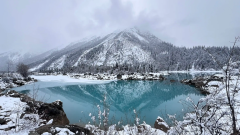

Understanding Tibet Through Its Animals
In many destinations around the world, animals are part of the scenery.
In Tibet, animals are part of the civilization itself.
At an average altitude of over 4,000 meters, the Tibetan Plateau is one of the most demanding environments on Earth. Thin air, long winters, limited vegetation, and extreme temperature shifts leave little room for excess. Human life here has never existed independently—it has always been shaped through long-term coexistence with animals.
To understand Tibet’s wildlife is not simply to recognize species, but to understand a shared system of survival, where humans, animals, land, and belief have evolved together.
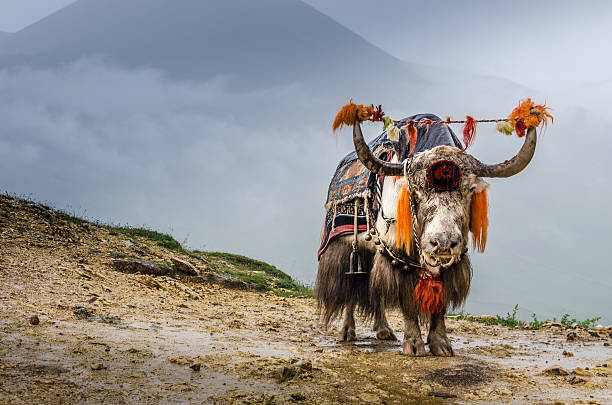
The Yak: The Silent Foundation of Plateau Life
The yak is often described as “the backbone of the Tibetan Plateau.”
But for those who live here, it is much more than livestock—it is a quiet partner in survival.
A Complete Life System
Traditionally, a single yak could support an entire household:
-
Food: Yak milk is transformed into butter, yogurt, and dried cheese—essential sources of calories at high altitude.
-
Shelter and clothing: Yak hair is woven into tents, blankets, and garments capable of withstanding severe cold and wind.
-
Fuel: Dried yak dung serves as a reliable heat source in regions without trees.
-
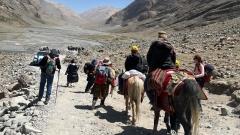
Transportation and labor: Yaks remain one of the most dependable ways to move goods across mountain passes.
In this context, the yak is not an economic unit—it is an ecological necessity.
A Cultural Symbol of Endurance
Yaks move slowly, deliberately, and without spectacle.
They carry heavy loads in silence and rarely stop.
This quiet endurance resonates deeply with Tibetan values: patience, resilience, and acceptance of nature’s limits. The yak has become a living metaphor for survival without resistance—an animal that does not conquer the plateau, but belongs to it.
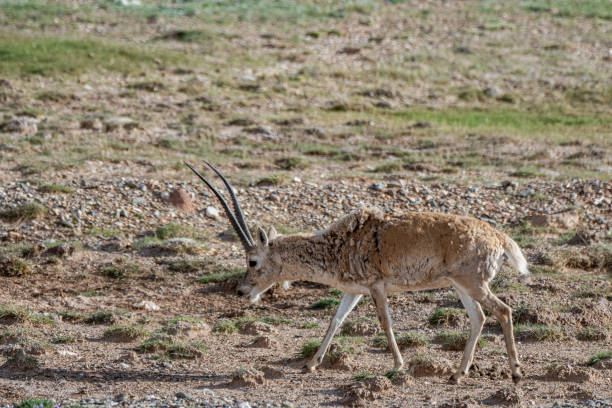
Tibetan Antelope (Chiru): The Spirit of Untamed Freedom
If the yak represents coexistence, the Tibetan antelope represents freedom.
Known for their extraordinary migratory journeys, chiru travel vast distances across remote, high-altitude plains to reach their calving grounds—often in areas nearly inaccessible to humans.
Migration as a Natural Miracle
These seasonal migrations take place in thin air, across rivers, frozen deserts, and open wilderness. They are not spectacles designed to be witnessed, but ancient biological rhythms continuing regardless of human presence.
To observe chiru from a distance is to be reminded that nature does not require an audience.
From Exploitation to Protection
Once heavily poached for their soft underwool, Tibetan antelope populations declined dramatically in the late 20th century. Their story became a symbol of the cost of human desire.
Today, conservation efforts and protected reserves have allowed populations to slowly recover. Their return is not just a success story—it is evidence that restraint can restore balance.
Tibetan Wild Ass and Blue Sheep: Speed and Stability
Across open grasslands, Tibetan wild asses move with alert energy;
along sheer mountain slopes, blue sheep (bharal) navigate near-vertical terrain with effortless balance.
Tibetan Wild Ass: Awareness and Space
Highly vigilant and fast-moving, Tibetan wild asses embody survival through awareness. Their wide-ranging vision and quick response reflect life in open landscapes where danger arrives without warning.
Blue Sheep: Mastery of Balance
Blue sheep are neither particularly large nor aggressive, yet they thrive in some of the harshest terrain imaginable. Their strength lies in balance—an evolutionary mastery of unstable ground.
In Tibetan culture, such balance is admired more than force.
The Snow Leopard: Presence Without Visibility
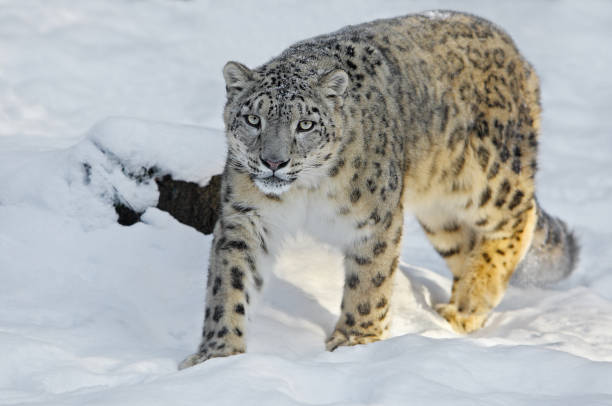
Rarely seen and almost never approached, the snow leopard is known as the “ghost of the plateau.”
Its importance lies not in visibility, but in presence. Snow leopards can only survive where ecosystems remain intact. Their quiet existence signals ecological health.
In local belief systems, snow leopards are often regarded as guardians of the mountains—beings that enforce natural boundaries rather than dominate them.
Animals in Tibetan Buddhism: A Shared Cycle of Life
Tibetan Buddhism shapes how people perceive animals—not as lesser beings, but as fellow participants in the cycle of existence.
-
All beings are considered part of samsara (the cycle of rebirth).
-
Killing is not forbidden outright, but it carries moral consequence.
-
Compassion is not sentimental—it is a discipline of restraint.
This worldview encourages coexistence rather than control, influencing everything from herding practices to wildlife tolerance.
Traveling in Tibet: A Different Kind of Wildlife Experience
For travelers, encountering Tibetan animals is not about close encounters or dramatic photography. It is about learning when not to approach.
A meaningful wildlife experience in Tibet follows three principles:
-
Distance – Observation without interference
-
Humility – Understanding survival rather than romanticizing it
-
Responsibility – Leaving without trace or disruption
The most powerful moments often occur when animals remain indifferent to your presence.
Animals as Teachers of the Plateau
Tibet’s animals do not teach domination.
They teach adaptation.
They do not display power.
They demonstrate endurance.
In observing them, travelers are invited to reflect—not on how to conquer nature, but on how little is required to belong within it.
To understand Tibet through its animals is to rediscover an older wisdom:
Life thrives not through excess, but through balance.