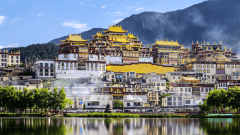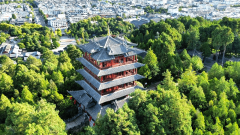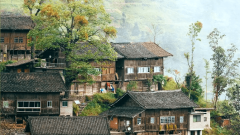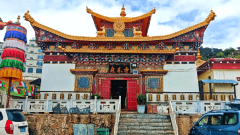

As a core tourist destination in Yunnan, Lijiang attracts countless Chinese and foreign travelers with its unique Naxi culture and beautiful landscapes. When traveling to Lijiang, “altitude” is an unavoidable important topic. It not only affects itinerary planning but also is closely related to the physical comfort of travelers. The altitude difference in Lijiang is relatively large, with a significant altitude span between the urban area and surrounding scenic spots. The travel experience and precautions vary in different regions. Understanding relevant knowledge about Lijiang’s altitude in advance and making full preparations can make this plateau trip more peaceful and pleasant. Next, we will detail Lijiang’s overall altitude overview, altitude differences between core scenic spots, and plateau adaptation skills to create a comprehensive travel reference.
Lijiang Altitude Overview: Understanding the Geographical Basis of the Plateau Secret Land
Lijiang is located at the southeastern edge of the Qinghai-Tibet Plateau and the transition zone of the Hengduan Mountains. Its unique geological structure has created a terrain with large undulations and significant altitude differences. This not only shapes the rich ecological environment of the region but also affects the travel experience of visitors. The specific characteristics are as follows:
- Overall Altitude Range: The altitude of Lijiang City ranges from 1219 meters to 5596 meters. Among them, the altitude of the Old Town area in the urban center is about 2416 meters. This altitude is relatively easy to adapt to for most travelers and serves as an ideal foundation for adapting to the plateau environment after arrival.
- Regional Distribution Characteristics: The altitude generally shows a decreasing trend from northwest to southeast. The northwest region is mountainous and canyon-like, mostly an extension of the eastern section of the Himalayas, with an altitude generally exceeding 3000 meters; the southeast region gradually transitions to low hills and basins, with lower altitude and a more humid climate.
- Impact of Altitude: This difference has not only created Lijiang’s diverse ecology from alpine meadows to subtropical vegetation but also made the travel experience in different regions completely different, providing travelers with a wealth of diversified travel choices.
Detailed Altitude Explanation of Core Scenic Spots: Planning Itineraries by Altitude for More Peace of Mind
The Old Town of Lijiang, Jade Dragon Snow Mountain, Lashi Lake, and Shuhe Ancient Town are the core tourist destinations in Lijiang. These scenic spots have large altitude differences. Understanding the exact altitude in advance can help everyone reasonably arrange the order of the itinerary, gradually adapt to the plateau environment, and reduce discomfort. The following is a detailed explanation of the altitude of each scenic spot and travel suggestions:
Old Town of Lijiang: The Initial Adaptation Destination at 2416 Meters Above Sea Level
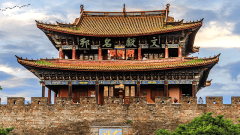
Also known as Dayan Ancient Town, the Old Town of Lijiang is the core area of Lijiang City and the first stop for most travelers arriving in Lijiang, with an altitude of about 2416 meters. Compared with the core area of the Qinghai-Tibet Plateau, this altitude is not very high, and the oxygen content in the air is about 78% of that in the plains. Most healthy travelers will not experience obvious altitude sickness at this altitude, making it an ideal starting point for adapting to Lijiang’s plateau environment.
It is recommended that after arriving at the Old Town of Lijiang, travelers should not engage in strenuous exercise immediately, such as walking quickly, running, or carrying heavy luggage. You can first stroll slowly in the ancient town, feel the architectural style of the Naxi people, taste local specialty foods, and let your body gradually adapt to the environmental changes brought by the altitude. The streets in the ancient town are crisscrossed, and the wooden houses and stone slabs on both sides are full of simple charm. During the slow tour, your body can also slowly adjust its state, preparing for subsequent visits to higher-altitude scenic spots.
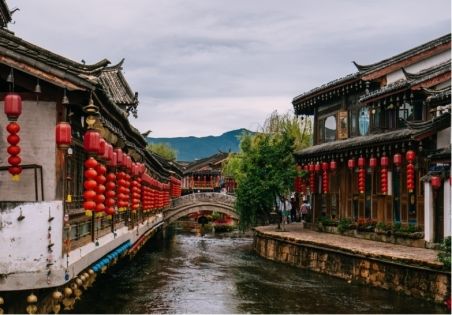
Old Town of Lijiang
Shuhe Ancient Town: A Quiet Adaptation Destination at 2440 Meters Above Sea Level
Shuhe Ancient Town is located about 7 kilometers northwest of the Old Town of Lijiang, with an altitude of about 2440 meters. The altitude difference from the Old Town of Lijiang is not large, only about 24 meters higher. Therefore, for travelers who have adapted to the Old Town of Lijiang for 1-2 days, traveling to Shuhe Ancient Town will hardly bring additional altitude sickness pressure.
Compared with the lively and prosperous Old Town of Lijiang, Shuhe Ancient Town is more quiet and leisurely. The commercialization here is relatively low, retaining more original Naxi living styles. When visiting Shuhe Ancient Town, it is also recommended to maintain a slow pace. You can choose to ride a horse to tour the surrounding pastoral scenery or rest in a teahouse by the ancient bridge to enjoy the leisurely time. Since the altitude is not much different from the Old Town area, the climate and vegetation here are also similar to those in the Old Town, so travelers do not need to adjust their equipment additionally.
Lashi Lake: A Leisure Destination with Lake and Mountain Scenery at 2437 Meters Above Sea Level
Lashi Lake is a plateau lake in Lijiang, located about 10 kilometers west of the Old Town area, with an altitude of about 2437 meters, which is at the same altitude level as the Old Town of Lijiang and Shuhe Ancient Town. The area around Lashi Lake is flat, mostly wetlands and meadows, with humid air and relatively stable oxygen content, making it a very suitable scenic spot for relaxing.
Common tourist activities when traveling to Lashi Lake include horseback riding through the meadows and boating on the lake. It should be noted that although the altitude is not high, you still need to avoid strenuous exercise caused by excessive excitement during horseback riding. It is recommended to choose a suitable riding route and time according to your physical strength. The scenery of Lashi Lake varies in different seasons: flowers bloom in spring, the grass is lush in summer, the sky is high and the air is fresh in autumn, and a large number of migratory birds migrate here in winter. No matter which season you visit, you can enjoy the unique lake and mountain scenery.
Jade Dragon Snow Mountain: A Challenging Destination for Plateau Beauty with a Large Altitude Span
Jade Dragon Snow Mountain is a iconic scenic spot in Lijiang and a must-visit for travelers to Lijiang. Its altitude span is extremely large, ranging from about 2900 meters at Blue Moon Valley at the foot of the mountain to 4680 meters at Glacier Park at the top of the mountain. It is a relatively high-altitude scenic spot in Lijiang and also the area where altitude sickness is most likely to occur.
The following are the specific altitudes and visiting precautions for different scenic spots in Jade Dragon Snow Mountain:
- Blue Moon Valley: With an altitude of about 2900 meters, it is located at the foot of Jade Dragon Snow Mountain and is a lake formed by glacial meltwater from Jade Dragon Snow Mountain. The lake water presents a unique blue color, with extremely beautiful scenery. This altitude is relatively low, and most travelers can adapt to it. It can be used as the first stop to visit Jade Dragon Snow Mountain, gradually transitioning to higher-altitude areas.
- Spruce Meadow: With an altitude of about 3240 meters, it is an alpine meadow located halfway up Jade Dragon Snow Mountain, surrounded by spruce trees, with picturesque scenery. To reach Spruce Meadow, you need to take a cable car. During the cable car ride up, the altitude will gradually increase. It is recommended to breathe slowly on the cable car and avoid tension. When visiting Spruce Meadow, do not run violently. You can stroll slowly along the planks and enjoy the surrounding meadow and snow-capped mountain scenery.
- Yak Meadow: With an altitude of about 3700 meters, it is higher than Spruce Meadow and has a broader view, allowing you to see the main peak of Jade Dragon Snow Mountain more clearly. Due to the higher altitude, the oxygen content in the air is relatively low. It is recommended that travelers ensure they have fully adapted to Lijiang’s plateau environment and bring relevant anti-altitude sickness items before going to Yak Meadow.
- Glacier Park: With an altitude of about 4680 meters, it is the core scenic spot of Jade Dragon Snow Mountain and the highest altitude area that travelers can reach. The oxygen content in the air at this altitude is only about 50% of that in the plains, making altitude sickness such as headache, chest tightness, and difficulty breathing very likely to occur. To reach Glacier Park, you must take the grand cable car. It is recommended that after arriving at Glacier Park, travelers should not stay for a long time, avoid strenuous exercise, and walk along the viewing planks according to their ability. If severe discomfort occurs, you need to go down the mountain and seek medical attention in time.
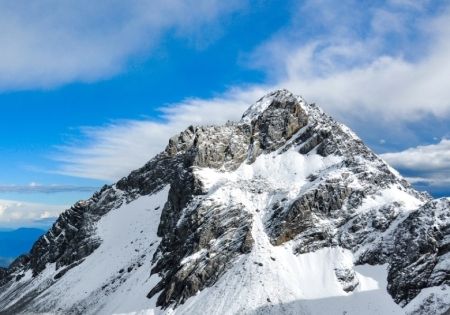
Jade Dragon Snow Mountain
Lijiang Altitude Adaptation Guide: Easily Cope with Altitude Sickness
The altitude difference in Lijiang is large, especially when visiting high-altitude scenic spots such as Jade Dragon Snow Mountain. Altitude sickness is a key issue that travelers need to guard against. The following are scientific adaptation skills for Lijiang’s altitude to help everyone better cope with the plateau environment:
Initial Arrival Period: Slow-Paced Adaptation is Key
Whether arriving in Lijiang by plane or car, the first 24-48 hours after arrival are a critical period for the body to adapt to the altitude. During this time, you must maintain a slow-paced lifestyle. Specific suggestions are as follows:
- Avoid strenuous exercise: Do not walk quickly, run, jump, or carry heavy luggage to reduce the body’s oxygen consumption.
- Ensure adequate rest: After arriving, you can rest at your accommodation for 1-2 hours first, allowing your body enough time to adjust its state. Do not go out to visit immediately.
- Light diet: Eat more vegetables, fruits, and other foods rich in vitamins. Avoid greasy and spicy foods to reduce the burden on the stomach and intestines. At the same time, eat small meals frequently and do not overeat.
- Adequate hydration: Drink plenty of warm water or light tea. It is recommended to drink about 2000-3000 milliliters of water per day, which helps promote body metabolism and relieve altitude sickness. However, be careful to avoid drinking a large amount of water at one time to prevent edema.
- Avoid drinking alcohol and smoking: Alcohol and nicotine will aggravate the body’s hypoxic state, which is likely to induce or worsen altitude sickness. You must strictly avoid them in the first few days after arriving in Lijiang.
Itinerary Planning: Gradually Climb According to Altitude Gradient
Reasonably planning the itinerary and visiting in the order of increasing altitude can allow the body enough time to gradually adapt to the plateau environment and effectively reduce the probability of altitude sickness. The recommended itinerary is as follows:
- Days 1-2: Stay in the Old Town of Lijiang or Shuhe Ancient Town. Both areas have an altitude of around 2400 meters, which is suitable for the initial adaptation of the body. You can arrange relaxed activities such as strolling in the ancient town and cultural experiences. It is not recommended to visit higher-altitude scenic spots.
- Days 3-4: Visit Lashi Lake or Blue Moon Valley. Both scenic spots have an altitude of around 2900 meters, which is slightly higher than the ancient towns but still within the adaptation range of most travelers. Through the tour during this period, let the body further adapt to higher altitudes.
- Day 5 and beyond: If your physical condition is good, then visit higher-altitude scenic spots such as Spruce Meadow, Yak Meadow, and Glacier Park in Jade Dragon Snow Mountain. On the day of visiting Glacier Park, it is recommended to leave early and return early to avoid staying in the high-altitude area for too long.
Essential Items: Prepare Equipment According to Altitude Differences
When traveling to Lijiang, preparing appropriate items according to the environmental characteristics of different altitude areas can make the trip more comfortable and safe. The following is a list of essential items for Lijiang’s altitude:
- Anti-altitude sickness items: You can prepare Rhodiola rosea (it is recommended to start taking it 3-5 days in advance), Gaoyuan’an, glucose oral liquid, and other medicines in advance; when visiting high-altitude scenic spots, you can carry a small oxygen cylinder and inhale an appropriate amount of oxygen to relieve symptoms when mild altitude sickness occurs. It should be noted that oxygen cylinders can only relieve symptoms temporarily and cannot be relied on. Excessive oxygen inhalation will affect the body’s adaptability.
- Sunscreen products: Lijiang has a high altitude and thin air, with extremely strong ultraviolet radiation. No matter which season you visit, you must take good sunscreen measures. It is recommended to bring sunscreen (SPF50+, PA+++ and above), sun umbrellas, sunglasses, sun hats, and other items to avoid skin and eye burns from ultraviolet rays.
- Warm clothing: The higher the altitude in Lijiang, the lower the temperature, and the temperature difference between day and night is extremely large. Even in summer, when visiting high-altitude scenic spots such as Jade Dragon Snow Mountain, you need to wear warm clothing. It is recommended to bring light down jackets, fleece jackets, long-sleeved coats, etc., and adopt a layered dressing method to facilitate adjustment according to temperature changes.
- Other items: Comfortable hiking shoes (you need to walk for a long time when visiting high-altitude scenic spots, so comfortable shoes are crucial), thermos cups (to replenish warm water at any time), rain gear (Lijiang has more rain in summer, and the weather in mountainous areas is changeable), etc.
Coping with Altitude Sickness: How to Handle Discomfort
Even with full preparations, some travelers may still experience mild altitude sickness, such as headache, dizziness, fatigue, insomnia, chest tightness, etc., which will generally relieve themselves within 1-2 days after the body adapts. If mild altitude sickness occurs, the following measures can be taken:
- Stop activities immediately, find a quiet and well-ventilated place to rest, and reduce oxygen consumption.
- Replenish an appropriate amount of warm water, breathe slowly, relax, and avoid tension that may worsen discomfort.
- Take pre-prepared anti-altitude sickness medicines, such as Gaoyuan’an and glucose oral liquid.
- If the symptoms are obvious, you can inhale oxygen appropriately to relieve them. Each oxygen inhalation time should not exceed 15 minutes, and inhale again after an interval.
It should be particularly noted that if severe altitude sickness occurs, such as nausea and vomiting, difficulty breathing, chest pain, confusion, etc., you must stop the tour immediately, go down the mountain in time and seek medical attention at a nearby hospital. If necessary, contact local rescuers. Do not insist reluctantly to avoid endangering life safety.
Visiting Lijiang in Four Seasons: Precautions Combined with Altitude
The climatic conditions in Lijiang vary greatly in different seasons. Combined with altitude factors, the precautions during the tour are also different. The following are seasonal travel suggestions for Lijiang’s altitude:
Spring (March-May): Temperature Rises, Pay Attention to Wind and Sand Prevention
In spring, the temperature in Lijiang gradually rises, with an average temperature of 10-20°C. Affected by altitude, the temperature difference between different regions is still obvious. The precautions for visiting low-altitude ancient towns and high-altitude snow-capped mountains need to be clearly distinguished. Specific suggestions are as follows:
- Temperature adaptation: The climate in low-altitude areas such as the Old Town and Shuhe Ancient Town is mild, suitable for relaxing activities such as strolling and cultural experiences; the high-altitude Jade Dragon Snow Mountain is still relatively cold, so you need to bring thick coats or down jackets to keep warm.
- Protection preparation: Lijiang has strong wind and sand in spring. When visiting high-altitude scenic spots such as Jade Dragon Snow Mountain, it is recommended to bring scarves, masks, and other items to avoid wind and sand entering the mouth and nose and affecting the travel experience.
Summer (June-August): Rainy Season Arrives, Pay Attention to Flood and Cold Prevention
Summer is the rainy season in Lijiang, with more precipitation and variable weather in mountainous areas, and frequent thunderstorms. Combined with the temperature difference brought by altitude, it is necessary to focus on protection and safety avoidance during the tour. Specific suggestions are as follows:
- Rain gear carrying: When visiting high-altitude scenic spots, be sure to carry durable rain gear to avoid getting wet by rain, which may cause colds and aggravate plateau discomfort.
- Cold protection response: The temperature in mountainous areas will drop sharply on rainy days. Even when visiting high-altitude areas such as Jade Dragon Snow Mountain in summer, you need to bring warm clothing to adapt to the temperature difference.
- Safety precautions: Landslides, debris flows, and other natural disasters are prone to occur in mountainous areas during the rainy season. During the tour, you must strictly follow the arrangements of the scenic spot staff and do not go to unopened areas without permission.
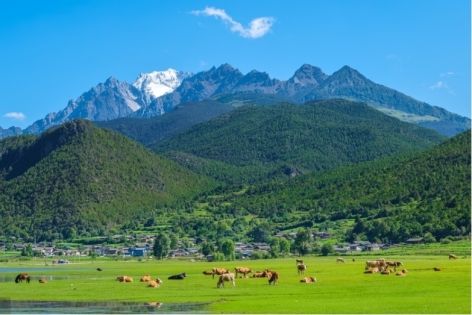
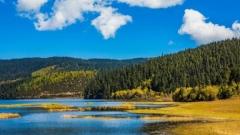
Wenhai, Lijiang
Autumn (September-November): Clear Weather, Suitable for High-Altitude Tours
In autumn, Lijiang has clear weather, little precipitation, and transparent air, making it the best season for visiting high-altitude scenic spots. However, the temperature difference between day and night is still large. The precautions combined with altitude characteristics are as follows:
- Scenic spot selection: The visibility of high-altitude scenic spots such as Jade Dragon Snow Mountain is extremely good during this season, allowing you to clearly enjoy the magnificent scenery of the snow-capped mountains. You can give priority to planning to visit them.
- Clothing preparation: The climate in low-altitude areas is comfortable, and you can wear light long-sleeved clothes; the temperature in high-altitude areas is relatively low, so you need to bring light down jackets and other warm clothing to cope with the day and night temperature difference.
- Environmental adaptation: The air is dry in autumn. Whether in low-altitude or high-altitude areas, you need to replenish water in time to avoid dry skin and respiratory tract discomfort.
Winter (December-February): Cold and Dry, Pay Attention to Frost and Sunscreen Prevention
In winter, Lijiang has a cold and dry climate, with an average temperature of 0-10°C. The temperature in high-altitude areas is even lower. Combined with the dual effects of low temperature and high altitude, it is necessary to focus on frost prevention, sunscreen, and safety protection during the tour. Specific suggestions are as follows:
- Frost prevention preparation: The temperature of the high-altitude Jade Dragon Snow Mountain can drop below minus 10°C. You need to bring a full set of warm items such as thick down jackets, snow boots, gloves, and hats to avoid frostbite.
- Sunscreen protection: The air is thin in winter, and the ultraviolet radiation is still strong. Whether in low-altitude ancient towns or high-altitude snow-capped mountains, you must take good sunscreen measures to avoid skin burns from ultraviolet rays.
- Safe walking: When visiting Jade Dragon Snow Mountain in winter, the road surface may be icy. You need to walk carefully, try to choose non-slip road sections, and avoid slipping and getting injured.
Understand Lijiang’s Altitude and Enjoy the Plateau Trip
Lijiang’s altitude is one of the sources of the unique charm of this plateau secret land. It has created rich and diverse natural and cultural customs and also brought some unique challenges to the journey. Through the introduction in this article, I believe you have a comprehensive understanding of Lijiang’s overall altitude overview, altitude differences between core scenic spots, and plateau adaptation skills. As long as you make full preparations in advance, plan your itinerary reasonably, and follow scientific adaptation methods, you can effectively cope with the impact of altitude and avoid the trouble of altitude sickness.
Whether you are strolling leisurely on the stone slabs of the Old Town of Lijiang or challenging the high-altitude beauty of Jade Dragon Snow Mountain, mastering relevant knowledge about Lijiang’s altitude can make your trip more peaceful and comfortable. I hope this guide can provide practical help for your trip to Lijiang, and wish you a memorable plateau trip.