
Visiting Lop People Village: A Living Oasis in the Desert
“The desert is our father, the river our mother. We are the children of both.”
Standing on the sand dunes of Lop People Village, this sentence suddenly makes perfect sense.
The wind carries fine sand across tamarisk shrubs. In the distance, golden dunes rise and fall like waves. Beneath your feet, however, lies a ribbon of green—an oasis carefully held in place by the Tarim River, glowing like a jade gem lifted by the desert itself.
An elderly man with a white beard sits in front of his home, weaving fishing nets from red willow branches. Sunlight settles into the lines on his face, every wrinkle shaped by decades of bargaining with wind, sand, and water.
This is not just a scenic attraction.
It is a living civilization.
Lop People Village
Where Is Lop People Village? Is It Worth Visiting?
📍 Location: About 35 km southwest of Yuli County, Bayingolin, Xinjiang
🚗 Distance: Approximately 80 km from Korla City (1.5–2 hours by car)
Lop People Village sits on the edge of the Taklamakan Desert, China’s largest shifting desert. On one side stretches endless sand; on the other flows the Tarim River, the longest inland river in China.
Here, desert, river, lakes, wetlands, and poplar forests intersect—creating one of the rarest landscapes in Xinjiang.
If you enjoy:
-
Fewer crowds
-
Authentic cultural experiences
-
Desert scenery combined with water and forests
Then Lop People Village is absolutely worth the journey.
Who Are the Lop People?
The Lop people are considered one of the oldest ethnic groups in Xinjiang.
Centuries ago, they lived near Lop Nur, relying on fishing and hunting. As the lake dried up and the Tarim River repeatedly changed course, they migrated upstream again and again, following water to survive. Eventually, they settled in what is now Lop People Village.
Today, fewer than 30 households still live here.
They continue to preserve:
-
An ancient local dialect
-
Fishing and hunting traditions
-
Houses built from tamarisk and poplar wood
-
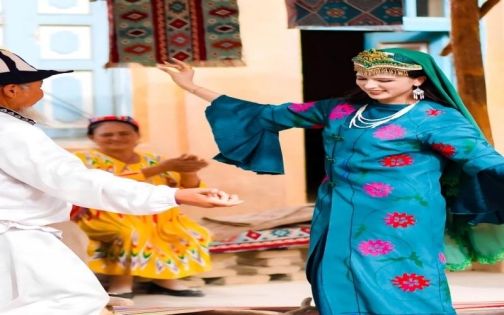
A culture where history is passed down through songs and dances
What makes this place special is that it is not a reconstruction—it is a continuation.
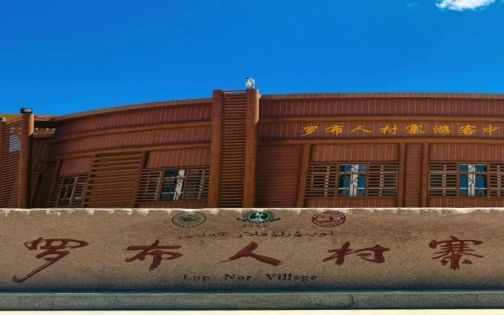
Lop People Village
Must-See Highlights
1️⃣ Old Lop Village|Daily Life as Cultural Heritage
The old village area preserves traditional Lop lifestyles:
-
Hadil Courtyard – Fishing and hunting history
-
Aimu Courtyard – Folk songs and dance
-
Paridai Courtyard – Weaving and Silk Road influences
-
Sacrificial platforms, the Longevity Gate, and the Yin-Yang Gate
Every wooden texture and every boat bears real signs of use, not staged displays.
2️⃣ Taklamakan Desert|One Step into Endless Sand
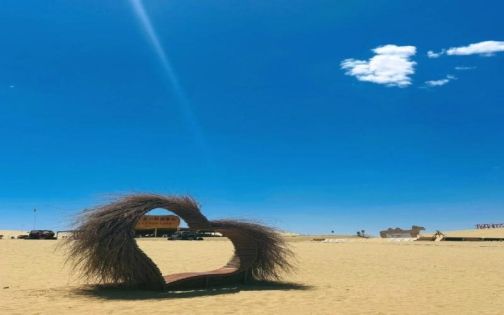
Lop People Village connects directly to the Taklamakan Desert.
-
Clean dune lines, gentle slopes
-
Ideal for walking and silhouette photography
-
Best colors appear near sunset
From the dune tops, the oasis below feels fragile yet stubborn—life holding its ground against the sand.
3️⃣ Tarim River|The Lifeline of the Desert
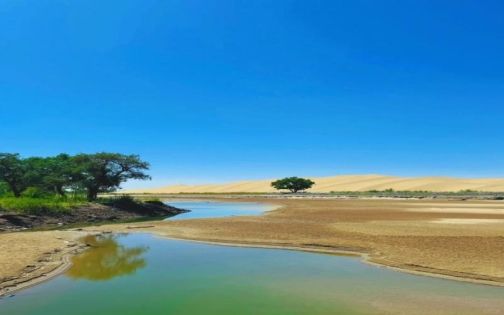
In this section, the Tarim River widens and flows slowly, nourishing wetlands, poplar forests, reeds, and migratory birds.
The combination of river, desert, and wildlife creates some of the most striking scenes in the village.
4️⃣ Poplar Forest|Guardians of the Desert
Poplar trees are known locally as “trees that live for 3,000 years, die for 3,000 years, and remain standing for another 3,000.”
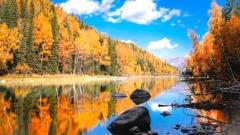
October is the best season for golden foliage, but even in summer, the contrast between green poplars and golden dunes is powerful and dramatic.
Lop People Village
📸 Best Photography Spots
Essential Locations
1️⃣ Poplars Reflected in Water
📍 Between Abudan and the Old Village
Perfect for reflections and symmetrical compositions
2️⃣ Millennium Love Trees
📍 On the road to Abudan
Twin poplars symbolizing companionship and longevity
3️⃣ Abudan Silk Road Bazaar
📍 Ideal for cultural and portrait photography
Elderly artisans, camel caravans, traditional crafts
4️⃣ East Sand Mountain at Sunset
📍 Camel silhouettes against dunes
Highly cinematic and narrative
5️⃣ Goddess Lake
📍 Lake, desert, and poplars in one frame
Great for wide-angle shots
6️⃣ Longevity Gate in the Old Village
📍 Architectural details and framing compositions
Photography Tips
-
Best Light: Early morning or just before sunset
-
Clothing: White, red, or ethnic-style outfits stand out in desert tones
-
Equipment:
-
Wide-angle lenses for landscapes
-
Telephoto lenses for portraits and camel scenes
-
🐟 Local Specialty: Red Willow Grilled Fish
Grilled fish is both food and cultural memory for the Lop people.
-
Fish: Wild fish from the Tarim River
-
Seasoning: Lop hemp leaves and native desert herbs
-
Method:
-
Fish split open and flattened
-
Fixed with red willow branches
-
Slowly roasted over dried poplar wood
-
The result is tender, smoky, and subtly sweet. Locals believe it nourishes the body and cools internal heat.
Lop People Village
🎯 Immersive Experiences Not to Miss
✔ Camel riding across sand dunes
✔ Walking between desert and lakes
✔ Evening bonfires with folk music
✔ Talking with elders about life along the river
⚠️ Practical Tips & Warnings
-
The scenic area is large—allow at least half a day, ideally a full day
-
Wear high-ankle shoes for walking in sand
-
Sun protection and hydration are essential
-
July–September is the river’s high-water season
-
October is best for poplar forests
-
Drones are strictly prohibited