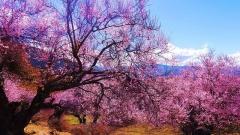

Tibet has become one of the most sought-after travel destinations for Malaysian travelers in recent years.
Snow-capped mountains, sacred lakes, ancient monasteries, vast grasslands, and unique Tibetan culture make Tibet one of the most extraordinary places to visit in Asia. However, unlike most destinations in China, foreign passport holders must obtain a Tibet Travel Permit before entering Tibet and cannot travel independently.
Many first-time Malaysian visitors often ask the same questions: How do I fly to Tibet from Malaysia? When is the best time to visit? Will I experience altitude sickness? How much should I budget?
This comprehensive 2026 guide covers everything Malaysian travelers need to know before planning a trip to Tibet.
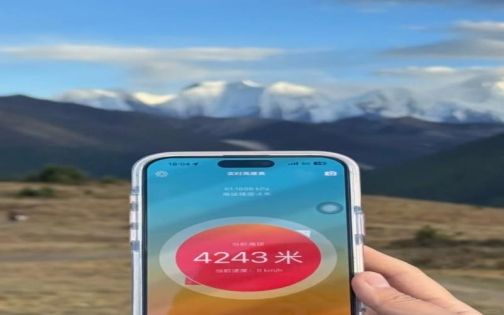
altitude
Can Malaysians Travel to Tibet?
Yes.
Malaysian passport holders can legally travel to Tibet after entering China and obtaining the required permits.
However, Tibet has special travel regulations. Even if you are eligible to enter China through a visa or visa-free policy, you cannot enter Tibet without a Tibet Travel Permit.
Foreign travelers visiting Tibet must have:
- A valid Malaysian passport
- A valid Chinese visa or eligibility under China’s visa-free policy (if applicable)
- A Tibet Travel Permit (TTP)
- A tour arranged by a licensed Tibet travel agency
Many travelers mistakenly assume that entering China automatically allows access to Tibet. This is not the case.
What Is a Tibet Travel Permit?
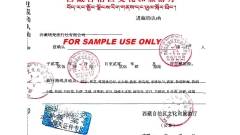
The Tibet Travel Permit (TTP) is the most important document required for foreign travelers entering Tibet.
Simply put:
- Chinese visa or visa-free entry = Permission to enter China
- Tibet Travel Permit = Permission to enter Tibet
Both are required.
Without a Tibet Travel Permit, you cannot:
- Board a flight to Lhasa
- Take a train into Tibet
- Pass security checkpoints for Tibet travel
- Access many hotels and tourist attractions in Tibet
For foreign visitors, the Tibet Travel Permit is essentially the official pass required to enter Tibet.
How Do Malaysians Apply for a Tibet Travel Permit?
The Tibet Travel Permit cannot be applied for individually.
Applications must be submitted through a licensed travel agency authorized to arrange travel for foreign visitors in Tibet.
Required Documents
Most agencies require:
- Passport information page scan
- Chinese visa page (if applicable)
- Occupation information
- Planned travel dates
- Confirmed Tibet itinerary
When Should You Apply?
It is recommended to apply at least 30–45 days before departure.
For peak travel periods such as:
- Summer holidays
- National Day holidays
- Everest Base Camp tours
- Mount Kailash and Ngari tours
Applying 60 days in advance is highly recommended.
Important Notes
After the permit is approved:
- Avoid changing your itinerary
- Avoid changing flight details
- Ensure your flight ticket name exactly matches your passport and permit
Any discrepancy may cause boarding issues.
How Do Malaysians Fly to Tibet?
There are currently no direct flights from Malaysia to Lhasa.
The most common route is:
Kuala Lumpur → Chengdu → Lhasa
This is the preferred route for most Malaysian travelers.
Advantages include:
- More flight options
- Easier connections
- Better access to Tibet tour groups
- Opportunity to explore Chengdu before Tibet
The flight from Kuala Lumpur to Chengdu takes approximately 4–5 hours.
Many travelers choose to stay overnight in Chengdu to:
- Recover from travel fatigue
- Adjust to the schedule
- Enjoy local cuisine
- Meet tour group members
The flight from Chengdu to Lhasa takes approximately 2.5 hours.
Other Transit Cities
Alternative transfer cities include:
- Chongqing
- Xi’an
- Kunming
- Guangzhou
However, Chengdu remains the most convenient choice for most travelers.
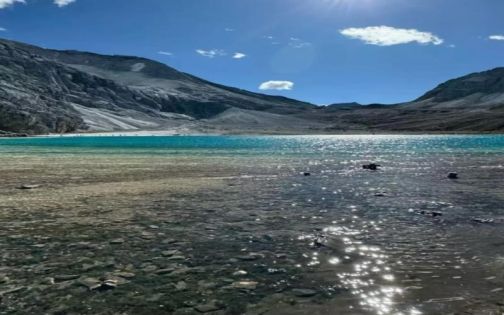
Yamdrok Lake
Can You Take a Train to Tibet?
Yes.
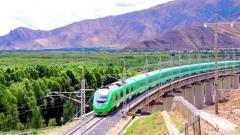
Many foreign travelers choose the famous Qinghai-Tibet Railway from Xining to Lhasa.
Advantages include:
- Gradual altitude adjustment
- Lower risk of altitude sickness
- Spectacular scenery
- Views of Hoh Xil, the Tibetan Plateau, and vast grasslands
Disadvantages include:
- Travel time exceeding 20 hours
- Less suitable for short vacations
If time is limited, flying remains the most practical option.
When Is the Best Time for Malaysians to Visit Tibet?
May to August
This is the most popular period for first-time visitors.
During these months:
- Temperatures are comfortable
- Grasslands are green and vibrant
- Lakes appear at their most beautiful
- Snowfall is minimal
The weather is generally easier for travelers unfamiliar with high-altitude destinations.
September to October
Many experienced travelers consider this the best season.
Highlights include:
- Stunning autumn scenery
- Crystal-clear skies
- Excellent mountain visibility
- Fewer tourists
Nyingchi is particularly beautiful during this period.
November to April
Winter is Tibet’s low season.
Advantages include:
- Fewer tourists
- Lower hotel prices
- Easier access to popular attractions
Disadvantages include:
- Colder temperatures
- Weather-related restrictions at some high-altitude locations
Is Altitude Sickness Really That Serious?
Altitude sickness is the biggest concern for most Malaysian travelers.
Lhasa sits at approximately 3,650 meters above sea level.
Common symptoms include:
- Headaches
- Dizziness
- Shortness of breath
- Difficulty sleeping
- Nausea
- Loss of appetite
Fortunately, most travelers adjust successfully within a few days.
How to Reduce the Risk of Altitude Sickness
One Week Before Departure
Recommended preparations:
- Get enough sleep
- Avoid excessive alcohol consumption
- Reduce intense physical exercise
- Maintain a healthy routine
Some travelers also choose to take Rhodiola supplements.
During the Flight
- Drink plenty of warm water
- Avoid alcohol
- Stay relaxed
Upon Arrival in Lhasa
The first day is the most important.
Remember to:
- Walk slowly
- Avoid running
- Avoid carrying heavy luggage
- Avoid washing your hair
- Avoid hot showers
- Avoid overeating
Many altitude-related problems occur because travelers become overly excited and physically active immediately after arrival.
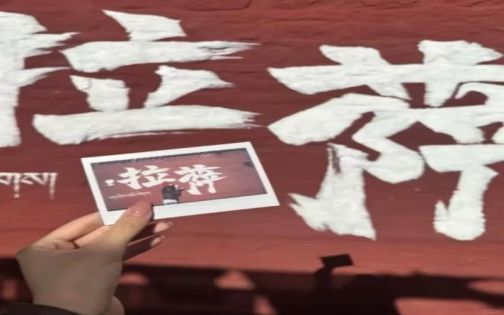
Lhasa
What Should Malaysians Wear in Tibet?
Many travelers from Southeast Asia assume Tibet is simply cold.
In reality, the most noticeable characteristics are:
- Dry air
- Strong UV radiation
- Large temperature differences between day and night
Even during summer:
- Daytime temperatures often reach around 20°C
- Night temperatures may drop below 5°C
Recommended clothing includes:
- Down jacket
- Windproof outdoor jacket
- Thermal base layers
- Long pants
- Comfortable hiking shoes
The key is not wearing many layers but ensuring adequate wind protection.
Essential Packing List
Travel Documents
- Passport
- Tibet Travel Permit
- Travel insurance information
Sun Protection
- SPF 50+ sunscreen
- Sunglasses
- Sun hat
Moisturizing Products
- Lip balm
- Facial moisturizer
- Body lotion
Medications
- Cold medicine
- Stomach medicine
- Motion sickness tablets
- Glucose supplements
Other Essentials
- Reusable water bottle
- Power bank
- Snacks
Must-Visit Attractions for First-Time Visitors
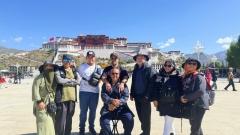
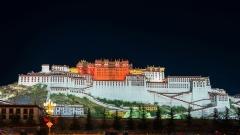
Potala Palace
The most iconic landmark in Tibet.
Most travelers are amazed by its size, architecture, and historical significance.
Yamdrok Lake
One of Tibet’s three sacred lakes.
The lake changes color throughout the day, creating stunning shades of blue and turquoise.
Basum Tso
Surrounded by forests, snow-capped mountains, and crystal-clear water, Basum Tso offers a peaceful and relaxing atmosphere.
Jokhang Temple and Barkhor Street
The best places to experience Tibetan culture, religion, and local life.
Estimated Travel Costs
For a typical 7–10 day trip:
Kuala Lumpur to China flights:
RM800–RM2,000
China to Tibet transportation:
RM700–RM1,500
Tibet tour package:
RM4,000–RM8,000
Personal expenses:
RM500–RM2,000
Estimated total budget:
RM6,000–RM12,000
Costs vary depending on season, accommodation level, and itinerary.
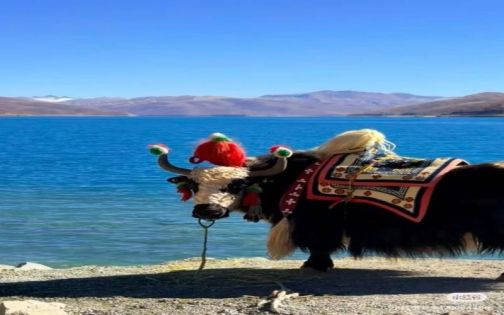
Namtso
Frequently Asked Questions
Can Foreigners Travel Independently in Tibet?
No.
Foreign travelers must travel through a licensed travel agency and follow an approved itinerary.
Can I Visit Tibet Solo?
Yes.
Solo travelers can join small group tours or shared departures.
Is Internet Access Available in Tibet?
Internet and mobile networks are generally reliable in Lhasa and major tourist destinations.
Remote regions may have weaker coverage.
Is Tibet Safe?
Tibet is generally considered a safe travel destination.
Following your guide’s instructions and respecting altitude-related precautions will help ensure a smooth trip.