
Many people assume that traveling to Tibet requires a huge budget, but the reality is often quite different. Although Tibet’s high altitude and remote location make some travel expenses higher than in other parts of China, a well-planned trip can be surprisingly affordable.
The total cost of a Tibet tour mainly depends on your transportation, accommodation, travel style, and itinerary. Better yet, joining a small group tour can significantly reduce your expenses while still allowing you to experience Tibet’s breathtaking landscapes and rich culture. Most reputable travel agencies also include essential permits and many sightseeing fees in their tour packages.
This guide explains the major expenses involved in a Tibet trip and offers practical ways to manage your budget.
What Determines the Cost of a Tibet Tour?
Several factors affect how much you’ll spend in Tibet:
- Transportation to and within Tibet
- Hotel standards
- Daily meals
- Attraction entrance fees
- Guide and driver services
- Travel permits
- Optional activities
- The type of tour you choose
Understanding these costs can help you plan a trip that fits your budget.
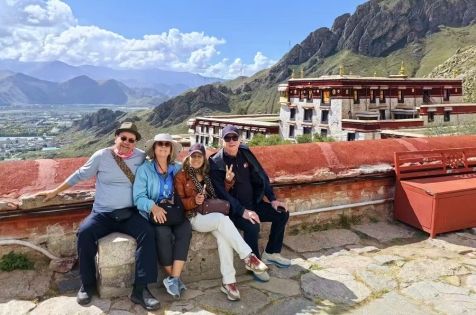
Tibet Tourists
Transportation: The Biggest Part of Your Tibet Travel Budget
Transportation usually accounts for the largest portion of your Tibet travel expenses.
Getting to Tibet
International visitors generally enter Tibet through mainland China or Nepal. The two main options are flights and the Qinghai-Tibet Railway.
Flights
Flying is the fastest and most convenient option. Ticket prices vary depending on your departure city and travel season.
Typical one-way airfare:
- Around USD 130 to USD 500+
- Round-trip tickets are required for most travelers.
Flights from cities like Chengdu, Chongqing, Xi’an, Beijing, and Shanghai are common gateways to Tibet.
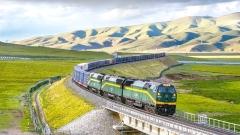
Tibet Train
The Tibet train is a popular alternative because it combines affordability with incredible scenery.
There are several departure cities across China, including:
- Beijing
- Shanghai
- Guangzhou
- Chengdu
- Chongqing
- Lanzhou
- Xining
Hard sleeper tickets generally cost between USD 72 and USD 126 for a one-way journey, while soft sleepers are more expensive.
Many travelers choose the train to gradually adapt to Tibet’s altitude.
Transportation Inside Tibet
Foreign travelers cannot independently rent a car and drive around Tibet. Travel between destinations is arranged through licensed tour operators.
The cost of transportation within Tibet is usually included in your tour package and covers:
- Professional drivers
- Comfortable tourist vehicles
- Fuel costs
- Road tolls
- Vehicle maintenance
Depending on group size, vehicles may include:
- 7-seat minivans
- 9-seat MPVs
- 11-seat vans
- Larger tourist buses
For border transfers from Nepal, four-wheel-drive vehicles are commonly used.
Travel companies often leave extra seats vacant to improve passenger comfort during long journeys.
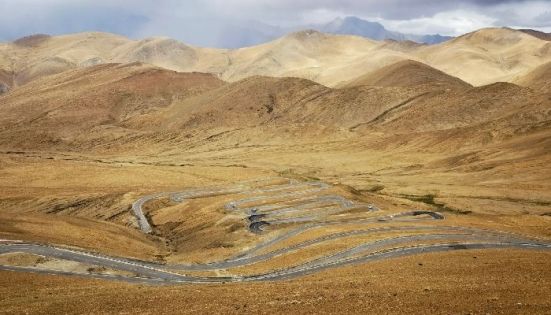
Curves of the Tibet Everest Highway
Accommodation: Options for Every Budget
Tibet offers accommodations ranging from luxury hotels to simple local guesthouses.
Luxury Hotels
Major cities such as Lhasa provide:
- Four-star hotels
- Five-star international hotels
- Oxygen-equipped rooms
Mid-Range and Budget Hotels
Travelers looking to save money can choose:
- Comfortable local hotels
- Family-run guesthouses
- Budget lodges
In remote regions, accommodation options are simpler but generally clean and suitable for overnight stays.
Budget guesthouses can cost as little as USD 15 to USD 30 per night.
Hotel prices vary according to:
- Season
- Location
- Hotel standard
Most tour packages allow travelers to choose accommodation levels that match their budget.
Food Costs in Tibet
Dining in Tibet offers a unique chance to experience local culture.
Popular Tibetan dishes include:
- Yak meat
- Tibetan noodles
- Momos
- Butter tea
- Tsampa
Because many food supplies are transported from other regions, prices can be slightly higher than in mainland China.
Average Daily Food Budget
In Lhasa:
- Approximately USD 10 per day.
Outside major cities:
- Around USD 15 per day.
International restaurants are available in larger towns, while local Tibetan restaurants offer authentic and affordable meals.
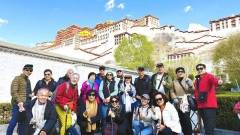
Attraction Entrance Fees
Tibet’s famous landmarks charge admission fees for maintenance and preservation.
Popular attractions include:
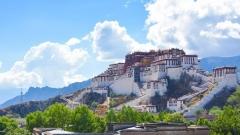
- Potala Palace
- Jokhang Temple
- Norbulingka
- Everest Base Camp
- Tashilhunpo Monastery
Entrance fees vary depending on the attraction and can range from a small donation to around 100–200 RMB per site.
The good news is that many Tibet tour packages already include these entrance tickets, saving travelers both time and additional expenses.
Guide and Driver Services
International tourists visiting Tibet are required to travel with licensed local guides.
Professional guides provide:
- Historical and cultural explanations
- Assistance during the journey
- Coordination with local authorities
- Support for permits and logistics
Drivers are experienced in navigating Tibet’s mountain roads and challenging conditions.
Is Tipping Necessary?
Tipping is optional rather than mandatory.
Many travelers choose to reward good service.
Common gratuity ranges are:
Driver:
- 75–125 RMB per day
Guide:
- 100–500 RMB per day
The final amount depends entirely on your satisfaction.
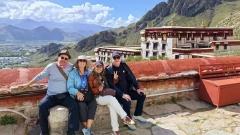
Tibet Travel Permits
Travel permits are essential for visiting Tibet.
Depending on your itinerary, you may need:
Tibet Travel Permit
Required for entering Tibet and traveling around Lhasa.
Alien’s Travel Permit
Needed for destinations such as Everest Base Camp.
Military Travel Permit
Required for certain restricted regions.
Foreign Affairs Permit
Necessary for selected remote areas.
Tibet yulong travel agency include permit application services at no additional charge when you book a Tibet tour. The agency handles all paperwork and approval procedures.
Additional Expenses to Consider
Beyond the standard tour package, you may have personal expenses.
Examples include:
- Bicycle rentals
- Optional trekking activities
- Souvenirs
- Personal snacks and drinks
- Laundry services
- Travel insurance
- Personal shopping
The amount spent depends entirely on your travel preferences.
How to Reduce the Cost of a Tibet Trip
If you want to travel to Tibet without overspending, a small group tour is one of the best options.
Benefits of Small Group Tours
Travelers share:
- Transportation
- Guide services
- Driver costs
- Fuel expenses
- Attraction tickets
- Hotel costs
Small group tours usually operate with fixed departure dates and carefully planned itineraries.
Popular options include:
- 4-day Lhasa tours
- 7-day overland Tibet tours
- 8-day Everest Base Camp tours
- 15-day Mount Kailash pilgrimages
Sharing travel costs with other participants makes Tibet much more affordable than arranging a fully private journey.
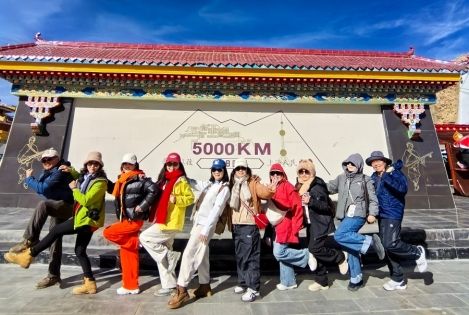
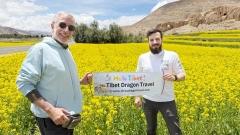
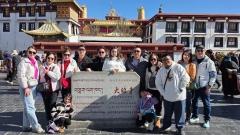
Joining our Tibet group tour to save cost.
Group Tour Is an Effective Way
A trip to Tibet does not have to be as expensive as many travelers expect. While transportation and logistics account for a significant portion of the budget, careful planning and choosing the right tour can help keep costs under control.
By understanding the main expenses—including transportation, accommodation, meals, permits, and sightseeing—you can create a travel budget that suits your needs. Joining a small group tour is an effective way to reduce costs while still enjoying Tibet’s incredible landscapes, ancient monasteries, and unique cultural heritage.
Whether you’re planning your first visit to Lhasa or dreaming of an adventure to Everest Base Camp or Mount Kailash, a well-organized Tibet tour can offer excellent value and an unforgettable experience.