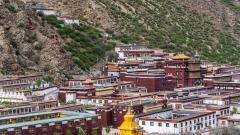

For foreign travelers planning to explore Lhasa’s humanities and Nyingchi’s natural beauty in southeastern Tibet, Tibet’s Mila Mountain Tunnel is a must-remember name. This modern engineering marvel cutting through the Mila Mountain Range is more than a transportation route—it’s a golden key to convenient travel in southeast Tibet. Previously, Mila Mountain’s high altitude and harsh weather often discouraged visitors. Now, with the tunnel’s opening, the classic Lhasa-Nyingchi route has been fully upgraded, becoming an indispensable part of any Tibet journey for foreign travelers.
Core Tunnel Information: Essential Knowledge for Safe Travel
Mila Mountain Tunnel in Tibet is located on the key section of the Lhasa-Nyingchi High-Grade Highway, connecting Mozhugongka County in Lhasa and Gongbujiangda County in Nyingchi. It serves as the core hub of the transportation network in southeastern Tibet. With a total length of 5,727 meters and an altitude of approximately 4,750 meters, the tunnel is situated on the plateau, but its modern construction standards ensure safe and comfortable passage. Unlike the winding mountain roads over the top of Mila Mountain, the tunnel has smooth pavements, sufficient lighting, and no sharp bends or steep slopes throughout, greatly reducing the difficulty of driving on the plateau.
For foreign travelers, mastering the details of tunnel passage is crucial. The tunnel adopts a two-way four-lane design, with a speed limit of 60 km/h. The one-way travel time is about 10 minutes, saving nearly an hour compared to detouring over the mountain top. It is particularly important to note that there are strict security checks at the tunnel entrance, and travelers must carry relevant documents such as passports and Tibet Entry Permits for inspection. In addition, the oxygen concentration in the plateau tunnel is slightly lower than that on the plains. Emergency shelters and oxygen supply devices are set up every few hundred meters inside the tunnel. If mild altitude sickness occurs, you can go there to rest and adjust in time. Both ends of the tunnel are equipped with parking areas and toilets, facilitating travelers to adjust their state before continuing the journey.
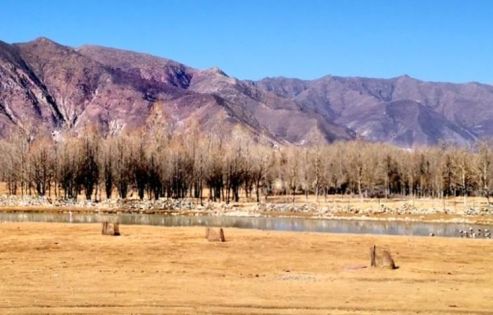
Mila Mountain Tunnel Tibet
Travel Advantages: Eliminating Troubles for Tibet Trips
Before the opening of Mila Mountain Tunnel in Tibet, crossing over Mila Mountain was the only way to reach Nyingchi. As the watershed between the Yarlung Zangbo River Basin and the upper reaches of the Niyang River Basin, Mila Mountain has perpetual snow on its peak, and the wind force often reaches level 8 or above. Every winter or rainy season, landslides, snow accumulation, and icing occur frequently, which not only delay the journey but also pose great safety hazards. Many foreign travelers have been forced to adjust their itineraries and miss the beautiful scenery of Nyingchi due to the harsh weather on the mountain top.
The emergence of Mila Mountain Tunnel in Tibet has completely changed this situation. Whether it is a snowstorm, heavy rain, or foggy weather, the tunnel always maintains a stable traffic environment, allowing travel between Lhasa and Nyingchi to be unaffected by seasons and weather. Driving from downtown Lhasa to Nyingchi takes only about 4 hours, nearly 2 hours less than before. This change not only strengthens the connection between the two places but also enables foreign travelers to plan their itineraries more flexibly – you can visit the Potala Palace in Lhasa in the morning and immerse yourself in the peach blossom forests or snow-capped mountains and lakes in Nyingchi in the afternoon, fully experiencing the unique charm of different regions in Tibet. In addition, the opening of the tunnel also reduces vehicle fuel consumption and wear, saving certain travel costs whether you are self-driving or taking a tourist bus.
Both Ends of the Tunnel: Unmissable Tibetan Scenery
Mila Mountain Tunnel in Tibet not only brings convenient transportation but also offers distinctive scenery at both ends, which is worth stopping to experience for foreign travelers. The west side of the tunnel is close to Lhasa, located on the edge of the northern Tibet Plateau. Here, the main landscapes are vast grasslands and Tibetan villages, full of strong cultural atmosphere. About 20 minutes’ drive from the west exit of the tunnel, you can reach Jiama Gorge in Mozhugongka County, the birthplace of Songtsen Gampo, the founder of the Tubo Dynasty. It preserves relics such as Songtsen Gampo’s Hometown and Jiama Palace. Here, you can walk into Tibetan-style houses, taste local delicacies such as butter tea and highland barley cakes, and feel the enthusiasm and hospitality of the Tibetan people.
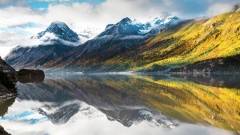
After passing through Mila Mountain Tunnel in Tibet, the scenery on the east side changes dramatically, presenting the beautiful landscape of Jiangnan in Tibet. In Gongbujiangda County, Nyingchi City, the Niyang River meanders, with clear water, and dense poplar forests and green farmlands on both banks. Every spring from March to April, driving along the Niyang River from the east exit of the tunnel, you will see peach blossoms in full bloom along the way. The pink flower sea and the distant snow-capped mountains set off each other, forming a beautiful pastoral picture. This is also one of the core viewing areas of the Nyingchi Peach Blossom Festival. In addition, about 50 kilometers east of the tunnel is Basumtso. Surrounded by mountains, this plateau lake has green water like jade. The Tibetan temple on Zhaxi Island in the center of the lake is simple and solemn, making it an ideal place to experience the natural beauty of lakes and mountains in Tibet.
Shannan, Tibet
A Smooth Travel Plan Centered on the Tunnel
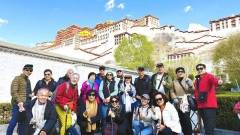
For foreign travelers, planning a trip to southeastern Tibet with Mila Mountain Tunnel in Tibet as the hub can not only save time but also fully experience different landscapes. It is recommended to take Lhasa as the starting point of the itinerary and stay in Lhasa for 2-3 days. While acclimatizing to the plateau environment, you can visit classic attractions such as the Potala Palace, Jokhang Temple, and Barkhor Street, and experience the sacredness of Tibetan Buddhism culture and the life atmosphere of the ancient city of Lhasa. After your body adapts, drive through Mila Mountain Tunnel in Tibet to Nyingchi and start a journey to enjoy natural scenery.
In the Nyingchi area, it is recommended to plan a 3-4 day itinerary: On the first day, depart from Lhasa, visit Basumtso after passing through the tunnel, and stay in a homestay near Basumtso at night. On the second day, head to downtown Nyingchi along the Niyang River, passing by Gala Peach Blossom Village (a must-visit in spring) and the Niyang River Scenic Belt, and stay in downtown Nyingchi at night. On the third day, go to the Yarlung Zangbo Grand Canyon to enjoy the grandeur of Mount Namjagbarwa and the magnificence of the Yarlung Zangbo River up close. On the fourth day, you can choose to go to Lulang Forest Sea to experience the meadow and forest scenery of Little Switzerland in Tibet, then return to Lhasa via Mila Mountain Tunnel in Tibet and end the trip.
It should be noted that some scenic spots in Tibet implement controls on foreign travelers, and it is necessary to apply for the Tibet Entry Permit and book scenic spot tickets in advance through formal travel agencies. Self-driving travelers need to plan their routes in advance and download offline maps, as the signal in some mountainous areas is weak. In addition, the temperature difference between day and night on the plateau is large. Regardless of the season, you must bring windproof and warm clothing, and prepare sunscreen products such as sunscreen cream, sunglasses, and sun hats. It is also recommended to prepare medicines for preventing altitude sickness in advance.
From the hardship of climbing over mountains to the comfort of passing through the tunnel, Mila Mountain Tunnel in Tibet has not only changed the transportation pattern of southeastern Tibet but also brought a qualitative leap to the Tibet travel experience of foreign visitors. This tunnel witnesses the harmonious coexistence of modern engineering and plateau nature, and has become an important link connecting the humanities of Lhasa and the nature of Nyingchi. Whether you are pursuing the footprints of religious beliefs or admiring the magnificent scenery of the plateau, Mila Mountain Tunnel in Tibet will be an indispensable experience in your Tibet journey. Passing through this tunnel, you will encounter a more three-dimensional and rich Tibet, making this journey an unforgettable memory for a lifetime.