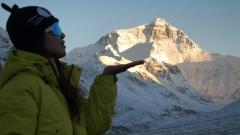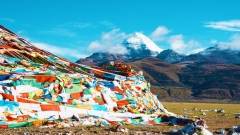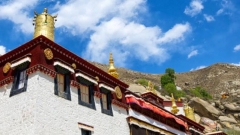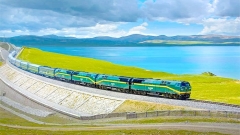

As the aircraft gently graces the tarmac of Lhasa Gonggar Airport with a delicate landing, the gaze transitions from the fluffy clouds to the breathtaking vistas of scarlet mountains and meandering rivers, marking the threshold into the mystical realm of Tibet. This airport serves as a pivotal gateway, employing unique protocols to aid in adjusting to the elevated altitude. Mastering the nuances of this airport’s operations guarantees one’s tranquility on the elevated Tibetan plateau, thereby enriching the experience of the majestic panoramas that stretch out before one’s eyes.
First Impressions of Lhasa Gonggar Airport: Location, Altitude & Terminal
Lhasa Gonggar Airport is not in downtown Lhasa but located in Gonggar County, Shannan City, approximately 60 kilometers from Lhasa city center, with a driving time of over an hour. Built on the southern bank of the Yarlung Zangbo River, the airport sits at an altitude of about 3,569 meters, making it a high-altitude experience in itself.
The airport currently mainly uses one terminal building, where all domestic flights take off and land. The terminal is clearly divided into the departure floor and arrival floor. After landing, you will enter the arrival floor via an airbridge or shuttle bus, where you will complete all arrival procedures. The entire airport is moderately sized with clear signs, but the most important thing is: remember you are already in a high-altitude area—deliberately slow down all movements, avoid walking fast or running, and give your body a gentle signal to adapt.
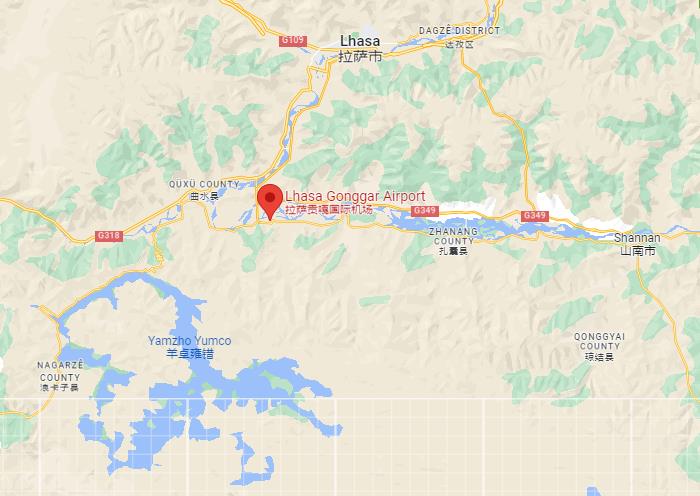
Lhasa Gonggar Airport Location
Step-by-Step After Landing: Detailed Arrival Process
Follow other passengers off the plane, and you will immediately feel the difference in the air. Don’t panic—take it step by step slowly:
- First Adaptation Step: Take a few deep breaths to feel the freshness and thinness of the plateau air. No rush—calm yourself down while on the airbridge or shuttle bus.
- Enter the Terminal: Follow the signs for “Arrivals” or “Baggage Claim”; you may need to take a shuttle bus for a few minutes.
- Baggage Claim: The electronic screen in the arrival hall will display the baggage carousel number corresponding to your flight. Due to the high altitude, baggage delivery may be slightly slow—please wait patiently.
- Proceed to the Transportation Hub: After collecting all your luggage, exit the baggage claim area, and you will arrive at the airport’s transportation hub. This is where you can find various vehicles to downtown Lhasa and where your pick-up driver will be waiting.
How to Get from Gonggar Airport to Downtown Lhasa? Three Main Transportation Options
The distance from Lhasa Gonggar Airport to downtown is considerable, so choosing a suitable transportation method is important.
Airport Shuttle Bus (Cost-Effective Choice)
This is the most popular public transportation option. After exiting the transfer hall, you can easily find the ticket counter and boarding point. The shuttle bus terminal is usually the “Civil Aviation Administration Ticket Office” in downtown Lhasa, which is close to the Potala Palace—very convenient. The fare is fixed, and schedules are aligned with major flight times; basically, there will be a bus waiting after the arrival of major flights. Advantages: cheap and direct; Disadvantage: limited luggage storage space, which may be inconvenient for oversized luggage.
Taxi/Ride-Hailing Service (Door-to-Door Convenience)
You can take a regular taxi at the designated queue area. Fares to downtown Lhasa are usually negotiated, which are much higher than the shuttle bus. If traveling with 3-4 people, splitting the cost is quite cost-effective. Advantage: door-to-door service, especially suitable for passengers with a lot of luggage or late-night flights. It is recommended to confirm the approximate price with the driver before boarding.
Pre-Booked Pick-Up Service (Most Worry-Free)
If you have already arranged your travel itinerary in Tibet in advance—such as joining a tour group or booking a private car—most services include pick-up at Lhasa Gonggar Airport. The driver will be waiting at the exit holding a sign with your name. This is undoubtedly the most worry-free way, eliminating the trouble of finding a car when you first arrive, and the driver can also give you some real-time local tips. Some thoughtful travel agencies will prepare a bottle of water or a simple greeting during the pick-up to help you relieve the tension of arriving at the plateau.
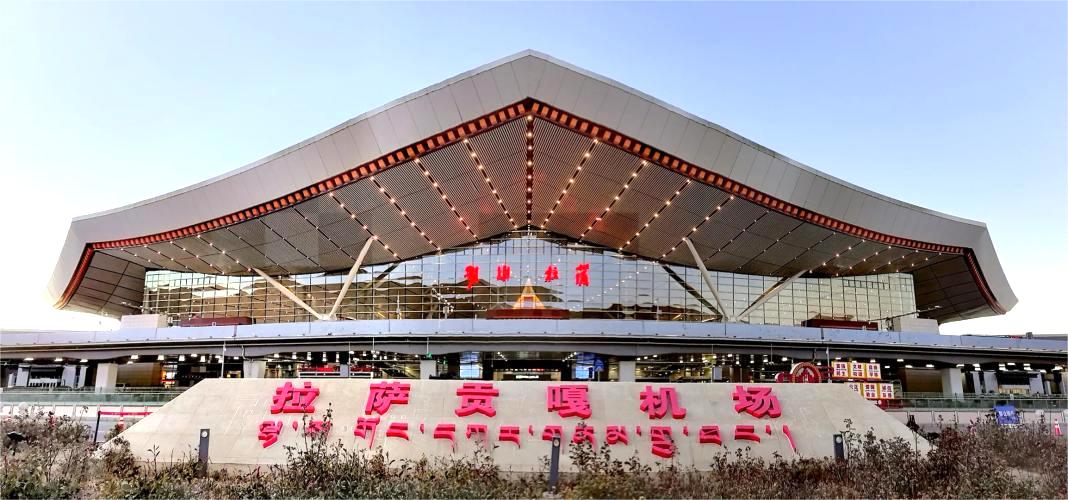
Lhasa Gonggar International Airport
What’s Available at the Airport? A Guide to Facilities & Services
Whether resting briefly after arrival or waiting for departure, these facilities can assist you:
– Catering & Shopping: There are several restaurants and stores where you can buy simple meals, drinks, snacks, and souvenirs. Choices are fewer than in downtown, and prices are slightly higher.
– Banking & Cash Withdrawal: ATMs are available for withdrawing RMB with UnionPay cards. Bank counters also provide currency exchange services.
– Medical Service Station: This is a particularly important place in the airport. If you experience symptoms of altitude sickness such as headache, palpitations, or difficulty breathing, do not endure it—immediately seek help from staff or go directly to the medical station.
– Oxygen Supply: A characteristic service of high-altitude airports. Convenience stores sell portable oxygen cans, and the airport also has paid oxygen inhalation rooms for those in need.
– Wi-Fi: Free Wi-Fi is provided at the airport, usually requiring a mainland China mobile phone number to receive a verification code for login. It is recommended to arrange for international roaming or purchase a local data card for overseas mobile phones in advance.
When Leaving Tibet: Notes for Returning to Gonggar Airport from Downtown
At the end of your journey, when returning to Lhasa Gonggar Airport from downtown Lhasa, it is recommended to plan more generously.
– Depart Early: Considering road conditions and the airport’s relatively strict security checks, it is recommended to depart from downtown at least 3 hours before your flight’s departure time.
– Take the Shuttle Bus Back: You can take the shuttle bus to the airport at the “Civil Aviation Administration Ticket Office” in downtown. It is best to call in advance to inquire about the schedule to ensure it matches your time.
– Check-In & Security: After arriving at the airport, complete check-in and baggage check-in as soon as possible. Please note that the airport has very strict inspections on power banks and lithium batteries—be sure to place them in your carry-on luggage in accordance with regulations in advance. Liquid items must also comply with aviation regulations.
– Final Rest: After passing through security and entering the waiting area, sit down and rest well. Remind yourself again to move slowly and avoid overeating before boarding.
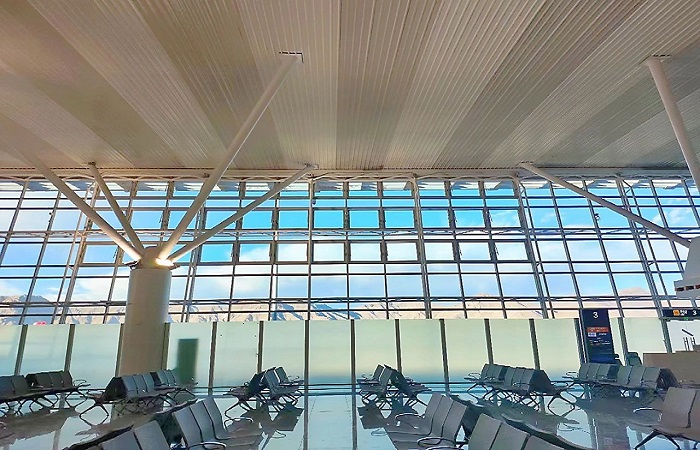
Lhasa Gonggar Airport Waiting Hall
Key Reminders About Altitude Sickness
Since Lhasa Gonggar Airport is already at a high altitude, the following health tips require special attention:
– Slowness is the First Principle: Consciously slow down all actions—walking, carrying luggage, speaking. Reduce the burden on your heart and lungs.
– Keep Warm and Protected from Wind: The weather on the plateau changes quickly, and there may be temperature differences between inside and outside the airport, as well as on and off the vehicle. Add clothes in a timely manner to avoid catching a cold, as colds can exacerbate altitude sickness.
– Eat Lightly: On the first day after arrival, it is recommended to choose easily digestible food, avoid greasy and overeating. Never drink alcohol. Drink plenty of warm water to keep your body hydrated.
– Maintain a Calm Mind: Mild headaches, shortness of breath, and light sleep are common adaptation processes—there is no need to be overly anxious. Relax, and your body will gradually adjust.
Quick Answers to Common Questions about Gonggar Airport
Q: Can altitude sickness occur at Lhasa Gonggar Airport?
A: Yes, it is possible. Because here you directly descend from a low altitude to 3,569 meters above sea level, and your body has no time for gradual adaptation. Strictly following the advice of “slow movement, keeping warm, and drinking plenty of water” can greatly reduce or avoid severe discomfort.
Q: Can I buy oxygen at the airport?
A: Yes. Portable oxygen cans are sold in airport convenience stores, and professional oxygen inhalation equipment is available in oxygen inhalation rooms. For first-time visitors to Tibet, it is advisable to carry a small can in your carry-on bag.
Q: What should I do if I feel very uncomfortable after getting off the plane?
A: Seek help immediately! Contact any airport staff or go directly to the medical station. On the plateau, never ignore serious warning signals from your body.
Q: What if the transfer time is very tight?
A: The airport itself is not too large. For domestic-to-domestic transfers, if the flight connection is reasonable, the time is usually sufficient. However, if it involves international transfers or very short flight intervals, be sure to confirm the transfer process with the airline in advance and act quickly after getting off the plane.
The First or Last Step to Tibet – Lhasa Gonggar Airport
Familiarizing yourself with and fully utilizing the basic information and services of Lhasa Gonggar Airport will ensure a smoother start and end to your Tibetan journey. Whether you arrive with anticipation for an unknown destination or depart with cherished memories, Lhasa Gonggar Airport quietly witnesses every step you take in exploring Tibet. For a smoother and more hassle-free trip, seeking help from a professional travel agency (such as China Dragon Travel) is a wise choice. They can meticulously handle everything from airport pickup to itinerary planning, allowing you to fully immerse yourself in your travel experience. Have a safe journey and we look forward to meeting you again in Tibet.