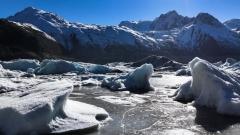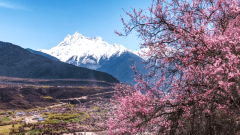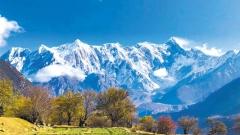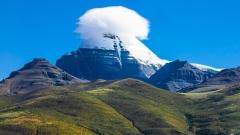

As one of Tibet’s three holy lakes, Namtso, with an altitude of 4,718 meters, has a lake surface like a sapphire inlaid at the foot of the Nyainqêntanglha Mountains, and Tashi Peninsula is the most touching gift of this holy lake. This auspicious peninsula stretching into the lake center is surrounded by water on three sides, boasting unique karst landforms and profound Tibetan Buddhist heritage, making it a must-visit for every traveler to Namtso. Here, snow-capped mountains, lake water, prayer flags and mani stones complement each other, with distinct scenery from morning to evening. You can not only encounter breathtaking natural landscapes but also experience pure Tibetan beliefs. The following will detail the highlights of visiting Namtso Tashi Peninsula to help you easily plan your plateau trip.
Namtso Tashi Peninsula: The Core Secret Where Nature and Faith Intertwine
Also called Auspicious Love Island, Tashi Peninsula lies at Namtso’s southeastern end, the lake’s largest peninsula. Covering 10 square kilometers, it is limestone-formed, with unique karst landforms shaped by millions of years of lake erosion. A tens-of-meters-high hill stands in its center, with northern stone pillars and peaks hiding natural bridges and caves, home to various stalactites—a natural wonder.
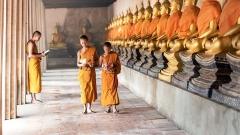
As Namtso’s key religious hub, Tashi Peninsula embodies profound Tibetan beliefs. Zhaxi Monastery, wreathed in incense with echoing bells year-round, is a major Nyingma School site. The nearby Padmasambhava Cave houses a natural stupa, drawing believers. Scripture-engraved mani stones and fluttering prayer flags blend nature and religion, exuding sacred tranquility.

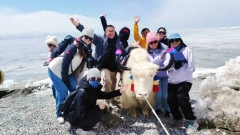
Beautiful yaks on the Zaxi Peninsula
Must-Visit Attractions at Namtso Tashi Peninsula
Welcome Stones and Palm-joining Stone: Auspicious Meanings of Tibetan Totems
Upon entering Tashi Peninsula, the first thing that catches your eye is the Welcome Stones by the road, also known as Husband and Wife Stones, which symbolize the door gods of Namtso. Two eroded boulders stand in a formation of prayer flags, with colorful prayer flags hanging down from the mountain top, making the boulders look particularly solemn. The core points are as follows:
- The Welcome Stones are the door gods of Namtso, symbolizing the Goddess of Wealth of the northern Tibetan grasslands. Merchants often pray here before going into business.
- The Palm-joining Stone resembles hands clasped together, embodying the Nyainqêntanglha Mountain and the Goddess of Namtso, symbolizing eternal companionship.
- The two attractions can be visited consecutively along the prayer path, making them a must-visit spot for praying and taking photos of Tibetan scenery.
- Respect local customs: do not touch the prayer flags or boulders when taking photos, and keep an appropriate distance.
Mani Stone Beach and Zhaxi Monastery: Immersive Experience of Tibetan Beliefs
The Mani Stone Beach by the lake on the peninsula is a testament to the piety of Tibetan people. Countless mani stones engraved with six-syllable mantras and exquisite patterns are piled up into a wall, with clear inscriptions even after years of erosion. The core points are as follows:
- The Mani Stone Beach is covered with scriptures and patterns; visitors should walk around the beach clockwise to pray, in line with traditional Tibetan etiquette.
- The ticket for Zhaxi Monastery is only 5 yuan. As an important site of the Nyingma School of Tibetan Buddhism, it is full of incense.
- Keep quiet when entering the monastery, do not touch Buddha statues and offerings at will, and respect religious customs.
- The sound of the wind and scriptures interweaves, allowing you to immerse yourself in the pure atmosphere of Tibetan beliefs.
Lakeside Plank Road and Observation Deck: 360° View of Lake and Mountain Scenery
The lakeside plank road of Tashi Peninsula is the best route to enjoy the panoramic view of Namtso. Stretching along the lake, some sections are gravel roads but offer excellent views. The core points are as follows:
- In the morning, mist lingers, and snow-capped mountains reflect on the lake with pale blue light, perfect for taking hazy artistic photos.
- In the afternoon, the sun shines brightly, and the lake water is as blue as a sapphire, reflecting the blue sky and prayer flags, making it easy to take stunning photos.
- In the evening, the west side of the plank road is the best spot to watch the sunset. The setting sun dyes the lake and snow-capped mountains red, creating a romantic and solemn scene.
- The entire plank road is flat and easy to walk on, mainly gravel roads, so no professional hiking equipment is needed.
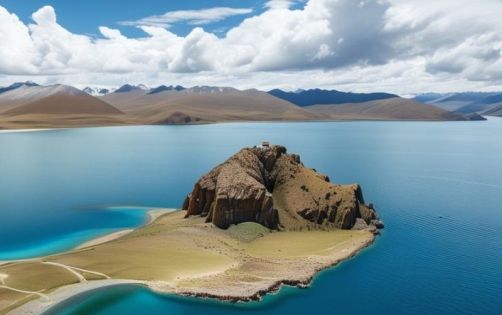
Tashi Peninsula
Transportation Guide to Namtso Tashi Peninsula
Self-Driving and Chartered Cars: Flexibly Control Your Travel Rhythm
Self-driving or chartering a car from Lhasa to Namtso Tashi Peninsula allows you to flexibly control your travel rhythm, adapting to different travel needs. The core points are as follows:
- The self-driving route is about 220 kilometers, taking 5 hours. Drive along National Highway G109, and drive carefully as speed limits are strictly enforced.
- It is recommended to choose an SUV to cope with gravel roads and complex road conditions along the way; you can navigate directly to the peninsula.
- The price of a chartered 5-seat SUV is 800-1000 yuan per day in the off-season and 1200-1500 yuan per day in the peak season, which can be booked at hostels.
- Chartered drivers are familiar with the road conditions and can stop at observation decks flexibly along the way, balancing travel and photography needs.
Public Transportation and Group Tours: Cost-Effective Choices
Public transportation and group tours are more cost-effective, suitable for travelers with limited budgets or tight schedules. The core points are as follows:
- For public transportation, take a bus to Damxung first (3 hours/30 yuan), then charter a car to the peninsula.
- There is one direct bus to the scenic area every day, costing 85 yuan including the scenic area shuttle bus. The journey takes 5 hours with 1.5 hours of visiting time, suitable for a day trip.
- We recommend a 2-day small group tour, priced at 600-800 yuan per person, including starry sky camping and surrounding supporting attractions.
- Group tours can avoid altitude sickness and road condition risks, with guides accompanying the whole way, making the trip worry-free and safe.
Seasonal and Equipment Guide to Namtso Tashi Peninsula
Best Travel Season: Explore Different Scenery in Four Seasons
Namtso Tashi Peninsula presents different scenery and travel experiences in different seasons. You can choose the travel season according to your needs. The core points are as follows:
- June to September is the peak season. The lake thaws, the grassland turns green, which is suitable for hiking, camping and star photography.
- From April to May, residual blue ice remains on the lake. With few tourists and a quiet environment, you can encounter the unique plateau ice lake scenery.
- From November to March of the following year is the freezing period. The lake surface becomes a mirror-like blue ice, with a stunning visual effect.
- The nighttime temperature drops to -20℃ in winter, and mountain passes are prone to snow accumulation. It is recommended to join a group tour or drive a four-wheel drive vehicle.
Essential Equipment and Altitude Sickness Prevention: Travel Safely on the Plateau
Tashi Peninsula is located at an altitude of 4,718 meters. Altitude sickness and plateau environment need to be carefully addressed. The core points for equipment and protection are as follows:
- Take Rhodiola 3 days in advance. Avoid strenuous exercise after arrival and move slowly to adapt to the high altitude.
- Prepare a portable oxygen cylinder, which can be rented at the scenic area for about 30 yuan per cylinder. Take ibuprofen to relieve headaches if needed.
- Bring a windproof jacket and down jacket in all seasons; add thermal underwear and anti-slip snow boots in winter.
- Essentials include SPF50+ sunscreen and sunglasses. Bring your own snacks and drinking water to cope with the high-priced catering in the scenic area.
Accommodation and Consumption Guide to Namtso Tashi Peninsula
Accommodation Options: Choose According to Your Needs
Accommodation choices should be based on travel needs and comfort preferences. Tashi Peninsula and its surrounding areas offer various accommodation options with their own advantages. The core points are as follows:
- Tibetan tents/iron houses by the lake cost 80 yuan per person in the peak season. They have no private bathrooms but are close to the lake, convenient for taking photos of sunrise, sunset and starry sky.
- Standard rooms in Damxung County cost 150-200 yuan per night, with a variety of catering options and a lower altitude that is easier to adapt to altitude sickness.
- The temperature difference is large at night for lakeside accommodation. Keep warm and it is recommended to bring your own sleeping bag to improve sleep comfort.
- It takes 1.5 hours to drive from Damxung to the peninsula, balancing accommodation comfort and travel efficiency the next day.
Consumption and Custom Tips: Travel Civilly on the Holy Lake
It is necessary to understand consumption standards and Tibetan customs to travel civilly. The core points are as follows:
- The ticket price is 120 yuan per person in the peak season and 60 yuan per person in the off-season. An additional scenic area environmental protection vehicle fee is required, subject to on-site notice.
- Negotiate the price in advance for horse riding and taking photos with white yaks, which costs 20-50 yuan per time. Butter tea is 15 yuan per cup, which can warm your body against the cold.
- Walk around the lake and turn prayer wheels clockwise. Do not touch mani stones, prayer flags, Buddha statues and other religious artifacts.
- Do not take photos of the front of pilgrims prostrating without permission. Take all garbage away from the scenic area to protect the ecological environment of the holy lake.
Itinerary Suggestions for Namtso Tashi Peninsula
One-Day Tour Itinerary: Compact Visit to Core Attractions
The one-day tour itinerary is compact and efficient, suitable for travelers with limited time to visit core attractions quickly. The core points are as follows:
- Depart from Lhasa in the morning, cross the Nagen La Pass (5,190 meters), stop to take photos, pray and overlook the panoramic view of Namtso.
- Arrive at Tashi Peninsulain the morning, hike to visit the Welcome Stones, Mani Stone Beach and Zhaxi Monastery to experience the religious culture.
- Rest by the lake in the afternoon to enjoy the scenery, take photos of the lake and snow-capped mountains together, and replenish energy for the sunset.
- Watch the sunset on the west side of the plank road in the evening. The whole trip takes about 12 hours. Drive carefully at night when returning to Lhasa.
Two-Day Tour Itinerary: In-Depth Experience of the Holy Lake’s Beauty
The two-day tour allows for an in-depth experience of the holy lake’s beauty, immersing yourself in the scenery from morning to evening and the starry sky. The core points are as follows:
- Arrive at the peninsula on the first day and stay in a lakeside tent. Visit all core attractions in the afternoon and take photos of the stunning sunset in the evening.
- Choose a spot with little light pollution at night, set up a tripod to take photos of the bright galaxy and star trails, capturing the plateau starry sky.
- Get up early the next morning to go to the east side of the lake to take photos of the sunrise and the reflection of the golden snow-capped mountains, creating a strong atmosphere.
- Hike the entire prayer path to feel the pious atmosphere, then return to Lhasa in the afternoon, stopping at observation decks along the way to take more photos.
Capture the Stunning Beauty of the Plateau
Mastering photography skills can help you capture the stunning beauty of the plateau. The core points for taking photos of sunrise, sunset and starry sky are as follows:
- Take photos of the sunrise from 7:00 to 7:30 on the east side of the lake to capture the soft layered scene of snow-capped mountains reflecting on the lake.
- Take photos of the sunset from 19:30 to 20:00 in the direction of the Welcome Stones. The warm tones render the lake and prayer flags, creating an excellent atmosphere.
- Choose the period from the 22nd to the 8th day of the lunar calendar (when the moon is waning) for star photography. The starry sky is clear after 9 pm, with a distinct galaxy outline.
- It is recommended to use a full-frame wide-angle camera, set the parameters to f/2.8, ISO3200 and 30-second exposure, and keep warm when taking photos.
The beauty of Namtso Tashi Peninsula is the symbiotic beauty of nature’s gifts and humanistic beliefs. Here, every gust of wind hides the stories of the holy lake, and every mani stone carries pious wishes. Whether walking along the plank road to encounter lake and mountain scenery or feeling the vastness of heaven and earth under the starry sky, you can gain spiritual healing. Follow this guide and make full preparations to leave unforgettable memories of the plateau in this secret land closest to paradise.