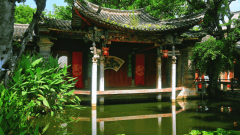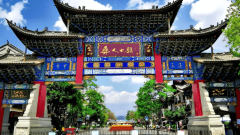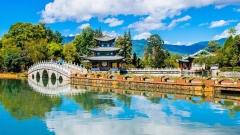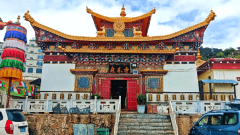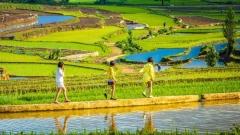

On the Shangri-La Plateau in northwestern Yunnan, Napahai, a “pearl of seasonal alpine wetland”, boasts nature and humanity’s dual gifts. Known as “Napa Tso” in Tibetan, its 3,266-meter altitude offers a clear sky and magnificent scenery. It is both a habitat for rare creatures like black-necked cranes and a vivid carrier of Tibetan customs. This guide explores Napahai’s unique charm in seven aspects: ecology, seasons, experiences, culture, travel tips, photography, and protection & development. It covers ecological science, immersive travel suggestions, and in-depth thoughts on Tibetan culture and ecological protection, presenting a vivid 3D scroll of this alpine wetland.
Ecological Texture: The Life Foundation of the Alpine Wetland
Unique Seasonal Wetland Ecosystem
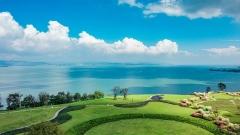
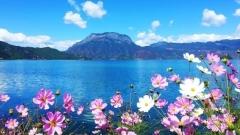
The core charm of Napahai lies in its “seasonal variation” ecological characteristics. Influenced by the monsoon climate, it is the wetland’s flood season in spring and summer, where abundant rainfall converges into a vast lake surface, reflecting the blue sky, white clouds and green mountains; in autumn and winter, the water level drops, exposing large areas of marsh and meadow, forming a complex ecological environment of “grassland + shallow water”. This dynamic change not only creates diverse landscapes but also provides differentiated habitats for animals and plants, making it a rare complete wetland ecosystem on the northwestern Yunnan Plateau.
Biodiversity: A Paradise for Rare Animals and Plants
As a national nature reserve, Napahai is a “natural gene pool” of biodiversity. In terms of plants, there are more than 1,000 species of higher plants growing here, mainly alpine meadows, swamp vegetation and coniferous forests. Rare plants such as Taxus yunnanensis and Cordyceps sinensis are scattered among them, forming a scattered vegetation landscape and providing sufficient food and habitat guarantee for animals.
The animal resources are particularly rich, among which birds are the absolute “protagonists”. According to statistics, more than 170 species of birds have been recorded in the reserve, including national first-class protected birds such as black-necked cranes, black storks and white-tailed sea eagles, as well as national second-class protected birds such as common cranes, whooper swans and tundra swans. Every winter, thousands of migratory birds fly here from the Qinghai-Tibet Plateau, Siberia and other places to overwinter, making Napahai an important bird-watching resort in China. In addition, mammals such as Tibetan gazelles, serows and otters also move freely here, forming a complete ecological chain.
Four-Season Secrets: A Flowing Natural Scroll
| Season | Time Range | Core Scenery | Highlights |
| Spring | March-May | Lush green grass, blooming wildflowers, revitalized mountains | Feel the recovery of all things and encounter flower seas and streams |
| Summer | June-August | Integrated sky and water, green grassland waves, Tibetan tents | Summer resort to experience the cool alpine weather and Tibetan life |
| Autumn | September-October | Golden grassland, dyed forests, first arrival of migratory birds | Admire the autumn oil painting and encounter migrating birds by chance |
| Winter | November-March next year | Snow-covered scenery, thin ice on the lake, dancing migratory birds | Best bird-watching season to encounter black-necked crane flocks |
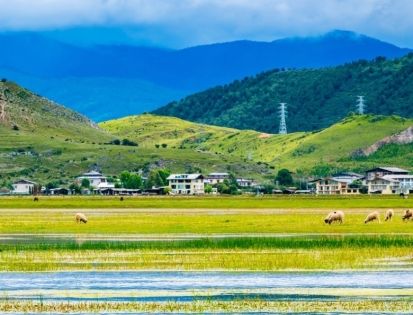
Napa Grassland in Summer
In-Depth Experiences: Explore Various Ways to Enjoy Napahai
The beauty of Napahai needs to be experienced immersively. The following ways of playing have their own characteristics and can be chosen according to personal preferences:
- Cycling Around the Lake: Immersive Experience of Alpine SceneryCycling is popular here, with a 30km dedicated route of good condition. Starting from downtown Shangri-La, you can enjoy wetlands, grasslands and Tibetan villages along the lakeside, stopping for photos and experiencing local customs and food.
- Hiking Exploration: In-Depth Ecological Tour of the WetlandHiking is ideal for close-up wetland ecology observation. Follow the planks to enter the wetland, spot aquatic plants and birds (keep quiet), and enjoy fresh air with distant snow-capped mountains in view.
- Leisure Sightseeing: Relaxing Slow Travel TimeOpt for the scenic sightseeing bus for easy travel, stopping at major spots. Don’t miss the stunning sunrise and sunset over the wetland—enjoy the warm light and grand plateau views at observation decks.
Cycling is a popular way to experience Napahai’s scenery. There is a dedicated cycling route of about 30 kilometers around the reserve with good road conditions, suitable for cyclists of different levels. Starting from downtown Shangri-La, riding along the lakeside road, you can enjoy various landscapes such as wetlands, grasslands, mountains and Tibetan villages in turn, and stop to take photos at any time. During the ride, you will pass through several Tibetan villages, where you can enter to feel the folk customs and taste authentic Tibetan food, making the journey more lively.
Cultural Customs: The Vivid Heritage of Tibetan Culture
Surrounding Tibetan Villages: Living Museums of Tibetan Customs
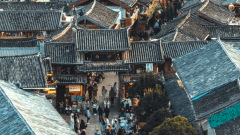
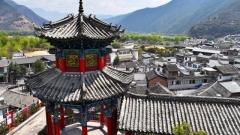
There are several Tibetan villages such as Yila Village and Hongpo Village around Napahai, which retain complete Tibetan architectural styles and traditional living customs. Entering the village, scattered Tibetan dwellings come into view, with bright-colored exterior walls and prayer flags decorated on the roofs, emitting a strong Tibetan cultural atmosphere. You can visit local Tibetan families, experience Tibetan daily life, learn to make Tibetan food such as butter tea and tsampa, appreciate traditional dances such as Guozhuang Dance and Xianzi Dance, and feel the enthusiasm and simplicity of the Tibetans.
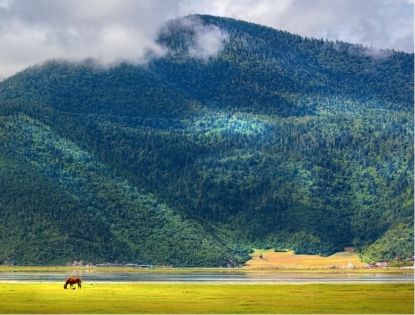
Napa Hai Wetland Park
Tibetan Cuisine: Alpine Flavors on the Taste Buds
Local food is mainly Tibetan with local ingredients. Must-tries: yak meat (roasted, hot pot, dried) and warming butter tea. Tsampa and highland barley cakes are also recommended. For non-Tibetan tastes, nearby Yunnan restaurants serve wild mushrooms and vegetables.
The food around Napahai is mainly Tibetan flavor, integrated with local characteristic ingredients, making people linger and forget to return. Recommended must-try foods:
- Yak Meat Series: Roasted yak meat is crispy on the outside and tender on the inside, yak meat hot pot is warm and nourishing, dried yak meat is chewy, fresh and nutritious;
- Butter Tea: Mellow taste, dispelling cold and keeping warm. It may taste unique at first, but you can feel its fragrance when tasting carefully;
- Other Specialties: Tsampa, highland barley cakes, Tibetan fragrant pigs, etc., full of Tibetan characteristics;
- Yunnan Cuisine Alternatives: If you are not used to Tibetan flavor, there are also restaurants integrating Yunnan cuisine around, providing dishes made of wild mushrooms, wild vegetables and other ingredients to meet the taste needs of different tourists.
Practical Travel Tips: A Comprehensive Guide for a Smooth Trip
| Travel Guide Category | Core Information |
| Best Travel Time | Bird watching: November-March next year; Summer resort/grassland scenery: June-August; Autumn scenery: September-October (suitable for travel all year round, with different characteristics in each season) |
| Transportation Methods | ① Public transportation: Urban buses with high cost performance; ② Taxi/chartered car: Moderate taxi fare, flexible chartered car (suitable for group travel); ③ Cycling: Many bicycle rental points in the urban area with various models and affordable prices |
| Tickets and Accommodation | Tickets: No separate ticket is required for the reserve, but some surrounding scenic spots or observation decks may charge a small fee; Accommodation: It is recommended to stay in downtown Shangri-La with various choices and convenient transportation, or choose Tibetan homestays around the reserve to get close to nature |
| Travel Preparation | ① Sun protection: Sunscreen, hat, sunglasses; ② Clothing: Jackets, thin down jackets (large temperature difference); ③ Medicines: Cold medicine, gastrointestinal medicine, anti-altitude sickness medicine; ④ Environmental protection: Abide by the regulations, do not feed animals randomly, pick plants or litter
Warm reminder: Napahai is located at a high altitude. Avoid strenuous exercise when first arriving at the plateau. If you experience altitude sickness, you need to rest in time and take anti-altitude sickness medicine. Seek medical attention in severe cases. |
Photography Guide: Freeze the Four-Season Light and Cultural Customs of Napahai
The four-season scenery and cultural customs of Napahai are all high-quality photography materials, with different focuses for shooting in each season:
- Spring: Focus on the flower seas and revitalized wetlands to capture the vitality of wildflowers and grass shoots;
- Summer: Shoot the integrated sky and water lake surface and green grassland waves, and freeze the living scenes of herdsmen and cattle and sheep;
- Autumn: Take the golden grassland and dyed forests as the background, matched with migrating birds, to present the tranquility and vitality of autumn;
- Winter: Record the snow-covered ice and snow world and the graceful black-necked cranes.
For bird photography, use a telephoto lens and shoot at dawn or dusk when light is soft and birds are active, staying at designated bird-watching areas to avoid disturbing them. For cultural shots, focus on Tibetan dwellings, herdsmen’s life and folk activities, respecting locals’ customs and obtaining consent first. Sunrise and sunset are golden hours—arrive early for sunrise and time it right for sunset to capture the warm, atmospheric light.
Protection and Development: The Symbiotic Path of the Ecological Secret Realm
As a vital alpine wetland ecosystem, Napahai’s ecological protection is critical, with tourism development carried out orderly under this premise to achieve win-win symbiosis. Local authorities have implemented key measures: establishing a sound management system, strengthening wetland monitoring, cracking down on destructive activities, and advancing ecological restoration like farmland-to-wetland conversion to improve habitats.
For tourism, Napahai adheres to ecotourism, rationally planning routes and controlling development intensity. Equipped with environmental facilities, it guides civilized travel, while local tourism practitioners participate in protection through publicity and volunteer activities.
Ecological protection and tourism are complementary: a sound ecosystem underpins tourism, which in turn provides funds for protection. Tourists can enhance conservation awareness and become disseminators during visits. With joint efforts, Napahai will maintain ecological vitality, remaining a precious alpine haven for people to connect with nature.
Meet Napahai:Meet Nature and Poetry
The beauty of Napahai is a flowing natural scroll of four seasons, a hymn to the life of living creatures, a vivid heritage of Tibetan customs, and a manifestation of the wisdom of symbiosis between humans and nature. Here, you can ride around the lake to feel the freedom of the wind, hike through the wetland to listen to the whispers of nature, sit quietly on the observation deck to encounter the romance of sunrise and sunset, and enter the village to experience the simplicity of the Tibetans. Whether it is ecological exploration, leisure vacation, cultural experience or photography creation, Napahai can satisfy all your imagination of the alpine secret realm. Pack your bags and go to Napahai to let your soul be healed and settled in this pure land.