

When you set foot on Chinese soil, the first thing to greet you is the lingering aroma from streets and alleys—it could be mellow tea, rich soybean milk, or fresh fruit tea. Chinese Beverages are never just for quenching thirst; they link closely to local history and customs, a key gateway to the Chinese lifestyle. Whether you prefer sweet, mellow or refreshing tastes, you can find your favorite among dazzling Chinese Beverages. From classic breakfasts to casual afternoon teas, from traditional old shops to trendy brands, the world of Chinese Beverages is colorful, waiting for you to explore.
Tea: The Millennium-old Classic Heritage of Chinese Beverages
When it comes to Chinese Beverages, tea is undoubtedly the most representative. This beverage with a history of thousands of years has long been deeply integrated into the lives and culture of the Chinese people. China is the hometown of tea; from the green tea in the Jiangnan region to the oolong tea in southern Fujian, from the Pu’er tea in Yunnan to the yellow tea in Anhui, the natural conditions of different regions have nurtured tea varieties with distinct flavors, each carrying a unique regional mark. For foreign travelers, stepping into an antique teahouse and ordering a pot of locally produced tea is the most direct way to experience Chinese tea culture. For example, in Hangzhou, you can taste West Lake Longjing, which is green in color, rich in aroma, sweet in taste and elegant in shape. When brewed, the leaves unfold, emitting a fresh and delicate fragrance, and leaving a long-lasting sweet aftertaste in the mouth. In Wuyi Mountain, Fujian, the “Big Red Robe” oolong tea with its rocky texture and floral aroma is unforgettable. This oolong tea has a mellow texture, a strong yet not bitter taste, and a lingering aftertaste. When drinking tea, you might as well pay attention to the local tea-drinking habits—some places emphasize the matching of tea sets, while others focus on brewing techniques. These details make tea-drinking a ceremonial experience and add more charm to this classic Chinese Beverage.
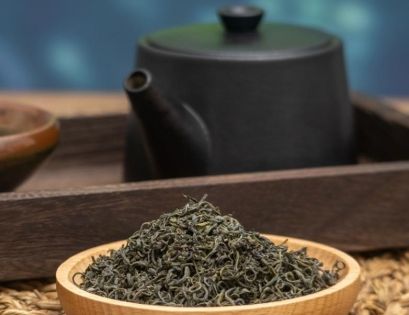
Traditional Chinese tea ware
Soybean Milk: The Chinese Beverage That Awakens Taste Buds in the Morning
In the early morning of China, a steaming cup of soybean milk is a must-have for countless people to start their day. This affordable and nutritious Chinese Beverage has long become an indispensable part of people’s lives and is also worth experiencing for foreign travelers. Made by grinding and boiling soybeans, soybean milk is milky white in color, rich in aroma and smooth in taste. It is not only rich in high-quality protein but also easy to digest and absorb, which is very beneficial to the body. You can find soybean milk everywhere in the streets and alleys of China—whether at roadside breakfast stalls or chain breakfast shops. It also has a variety of pairings, and when combined with breakfast foods such as fried dough sticks, steamed buns and steamed rolls, the flavors complement each other perfectly. Soybean milk has two classic flavors: sweet and savory. People in southern China prefer sweet soybean milk, adding an appropriate amount of sugar to highlight its natural bean aroma and sweetness; while people in northern China are more fond of savory soybean milk, adding ingredients such as laver, dried bamboo shoots, pickled vegetables and sesame oil to create a unique flavor. If you wander the streets of China in the early morning, you might as well step into a breakfast shop, order a bowl of hot soybean milk and a local specialty breakfast, and feel the Chinese breakfast culture in the warm taste. This simple and unadorned Chinese Beverage will definitely make you feel a different kind of warmth in life.
Plum Juice: The Refreshing Chinese Beverage in Hot Summer
When midsummer comes, the unique aroma of plum juice fills the streets of China. This Chinese Beverage, brewed mainly from dark plums, is the most popular refreshing treasure in hot weather and the best choice for foreign travelers to quench their thirst and relieve summer heat. The history of plum juice can be traced back to thousands of years ago. It is said that drinking plum juice was a common practice in the imperial court in ancient times, and later it gradually spread to the people and became a popular summer drink. Its production process is quite exquisite—apart from the core ingredient of dark plums, ingredients such as hawthorn, licorice, sweet-scented osmanthus and rock sugar are also added, and they are boiled for a long time to fully blend their flavors. The brewed plum juice is dark red in color, rich in aroma, and has a balanced sweet and sour taste. It has both the sourness of dark plums and the fragrance of sweet-scented osmanthus. After drinking it, the summer heat disappears immediately, making people feel extremely refreshed. In many cities in China, there are special stalls selling plum juice on the streets in summer, and some even store the plum juice in iced jars to ensure a cold taste. Whether you feel thirsty during your trip or are exposed to the scorching sun outdoors, buying a cup of iced plum juice allows you to feel the unique charm of Chinese summer in its sweet and sour taste. This ancient Chinese Beverage will make your summer journey more comfortable.
Sweet Soup: The Sweet Chinese Beverage of Southern Chinese People
In southern China, sweet soup is a Chinese Beverage that carries sweet memories. You can see it at breakfast, afternoon tea or late-night snacks. This warm and flavorful drink is definitely worth tasting for foreign travelers. Different from ordinary sweet water, sweet soup is carefully boiled with a variety of ingredients, and the choice of ingredients is extremely rich—there are dozens of types such as lotus seeds, lilies, white fungus, red dates, longans, taro balls, sago, etc. Different combinations of ingredients can make sweet soups with different flavors. For example, Yangzhi Ganlu from Guangdong is made with mango, grapefruit and sago as the main ingredients, mixed with coconut milk, with a rich and multi-layered taste that is sweet but not greasy; Siguo Tang from Fujian selects four kinds of fresh fruits according to the season, paired with shaved ice and honey, which is cool and refreshing; Grass Jelly from Taiwan uses grass jelly as the main ingredient, added with peanuts, red beans, pearls and other toppings, with a mellow taste. Sweet soup is not only delicious, but also believed to have certain nourishing effects. For example, white fungus and lotus seed sweet soup is believed to moisturize the skin, while longan and red date sweet soup is said to nourish blood and invigorate qi. In the sweet soup shops in southern China, you can choose different kinds of sweet soup according to your preferences, and feel the life attitude of southern Chinese people in the warm taste. This sweet Chinese Beverage will fill your journey with happiness.
Lao Beijing Douzhi: The Characteristic Chinese Beverage for Experiencing Local Customs
If you want to experience the most distinctive local Chinese Beverage in Beijing, then Lao Beijing Douzhi is an unmissable choice. This drink with a unique taste is the best witness to Beijing’s local customs and can also allow foreign travelers to deeply experience the local food culture. You may be shocked by its unique sour and stinky smell when you first taste Douzhi, but once you get used to this taste, you will be fascinated by its unique flavor. Made from mung beans through fermentation, Douzhi is gray-green in color, mellow in taste, and rich in various vitamins and minerals, which is very beneficial to the body. When drinking Douzhi, it is usually paired with Jiaoquan (fried ring-shaped dough) and spicy pickled vegetable shreds. Jiaoquan is crispy and salty, and the spicy pickled vegetable shreds are refreshing and appetizing, forming a perfect taste balance with the sourness of Douzhi. In the hutongs of old Beijing, there are many old shops specializing in Douzhi, where the taste is the most authentic. These shops are often full of local elders, full of strong life atmosphere. If you have enough courage to try new things, you might as well step into these old shops, order a bowl of hot Douzhi and a plate of matching snacks, and feel the charm of old Beijing in the unique taste. This challenging Chinese Beverage will become one of the most unforgettable experiences in your journey.
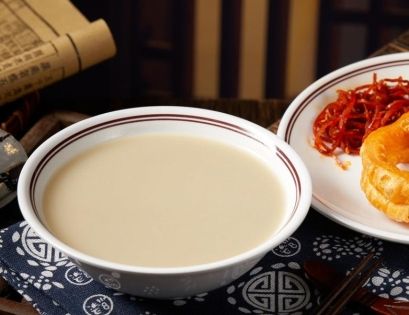
Lao Beijing Douzhi
Fruit Tea: The Trendy and Healthy Chinese Beverage
With the popularization of health concepts and the innovation of the beverage industry, fruit tea has become a trendy Chinese Beverage that is very popular in recent years. It cleverly combines fresh fruits with tea, combining deliciousness and nutrition, and is deeply loved by young people and foreign travelers. Chinese fruit tea is different from some foreign drinks; it pays more attention to the flavor matching between fruits and tea. For example, fresh green tea is paired with strawberries and lemons, mellow black tea with apples and oranges, and unique-scented oolong tea with mangoes and kiwis. Each type has a unique flavor. When making fruit tea, fresh fruits are cut into small pieces and brewed together with tea leaves. Some are also added with an appropriate amount of honey or rock sugar to adjust the taste, making it smoother. Fruit tea is not only bright in color and pleasing to the eye, but also rich in vitamin C and various trace elements, making it a healthy drink choice. In major cities in China, whether in bustling business districts or literary alleys, you can see various fruit tea shops. These shops are decorated in a fashionable and fresh style, which are good places for rest and relaxation. If you want to experience the trendy drink culture in China, you might as well step into a fruit tea shop, order a cup of signature fruit tea, and feel the innovative charm of Chinese Beverages in the blend of fresh fruits and tea aroma. This healthy and delicious Chinese Beverage will definitely make you fall in love with it.
Butter Tea: The Unique Chinese Beverage on the Tibetan Plateau
If you plan to visit Tibet, China, then butter tea, this unique Chinese Beverage, is definitely an important way for you to experience Tibetan culture. It is not only an indispensable drink in the daily life of Tibetans, but also carries the customs and wisdom of the plateau. Butter tea is made by churning butter, brick tea and salt with special tools. It is milky white in color, strong in aroma and mellow in taste. In the cold and oxygen-poor plateau area, butter tea can provide the human body with sufficient energy, keep out the cold, and relieve altitude sickness, so it has become an important daily drink for Tibetans. The taste of butter tea is quite unique; you may feel it greasy when you first taste it, but after careful tasting, you can feel its mellow and salty flavor. In Tibetan families or monasteries in Tibet, hosts usually entertain guests with butter tea, which is a symbol of respect and friendship. When drinking butter tea, you might as well pay attention to the local etiquette—for example, you should take the teacup with both hands when the host pours tea, and return the teacup to the host for refilling after drinking. There are also many shops selling butter tea on the streets of Tibet, and you can choose the saltiness according to your acceptance level. Tasting butter tea while looking at the blue sky and white clouds on the plateau, you will deeply feel the Tibetan culture carried by this Chinese Beverage, and it will become the most unique memory of your Tibet journey.
Rice Wine: The Mellow Low-Alcohol Chinese Beverage
If you like to try low-alcohol drinks, then rice wine, this mellow Chinese Beverage, will definitely suit your taste. Made from glutinous rice through fermentation, it has a low alcohol content and a unique flavor, making it a good choice to experience Chinese wine culture. Rice wine has a very long history in China; as early as thousands of years ago in ancient times, people began to brew and drink rice wine. Today, there are various rice wine varieties with their own characteristics in many regions of China, such as yellow rice wine, sweet rice wine, fermented glutinous rice, etc. Rice wine is mostly light yellow or milky white in color, with a fresh aroma and a sweet and mellow taste. Its alcohol content is usually below 10 degrees, so even people who are not good at drinking can take a few sips. In some traditional Chinese festivals or family gatherings, rice wine is an indispensable drink, which symbolizes reunion and celebration. There are various ways to drink rice wine: it can be drunk directly or after heating. Heated rice wine has a more intense aroma and a milder taste, which is suitable for drinking in cold weather. In some Chinese restaurants, you can order a pot of rice wine to match with local specialty dishes, and feel the Chinese wine culture in the mellow taste. This low-alcohol Chinese Beverage will not make you drunk, but can bring you a unique drinking experience, which is worth trying for foreign travelers.
Chinese Beverages: The Taste Card and Cultural Mark on the Journey
From the lingering flavor of thousand-year-old tea to the freshness of street fruit tea, from the warmth of northern soybean milk to the richness of Tibetan butter tea, the world of Chinese Beverages always hides regional marks and life wisdom. They are not only a treat for the taste buds, but also a unique medium for understanding Chinese culture—the etiquette in teahouses contains accumulated heritage, the warmth of sweet soup shops reflects the attitude towards life, and the Douzhi loved by old neighbors carries authentic local customs. No matter which corner of China you step into, whether in the morning market at dawn, the street in the afternoon or the alley at night, you might as well keep an eye on the drink stalls around you, boldly try the favorites of the locals, and gain your own Chinese memories in the sweet, sour, salty and mellow tastes. This is the most precious experience that Chinese Beverages bring to every traveler.