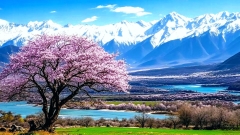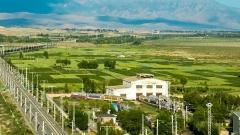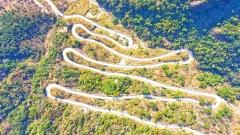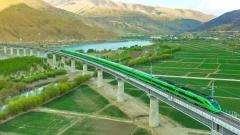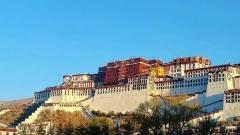

Bingchacha Highway stands as a sacred journey for adventure seekers. Stretching 270km between Bingzhongluo Town in Yunnan and Zayü County in Tibet, it’s hailed as the seventh Tibet entry route, offering the “eyes in paradise, body in hell” experience. Unlike the bustling National Highway 318, this road retains primal wilderness, winding through the Nujiang Grand Canyon, Hengduan Mountains, ancient forests, and snow-capped plateaus, passing through multi-ethnic settlements. Every kilometer brims with unexpected wonders and challenges, promising an unforgettable adventure.
Route Overview: Unlocking G219 Bingchacha’s Core
As the most legendary section of G219, Bingchacha Highway covers 270km from Bingzhongluo to Zayü, part of the eastern segment of the Yunnan-Tibet New Passage’s Bingcha-Ranwu Highway. It connects westward to the Chawalong-Mohe Highway and Paima Highway, and southward to the Liubing Highway, ultimately linking to National Highway 318. It’s one of the shortest and lowest-altitude standardized routes into Tibet. After multiple upgrades from a rough trail to a Class IV mountain highway, travel time between Chawalong and Zayü has been cut from 13 to 8 hours, boosting safety while preserving its off-road allure.
The route divides into three distinct sections, each boasting unique landscapes and road conditions. No entry fees are required, yet the scenery rivals paid attractions, offering exceptional value for adventurers.
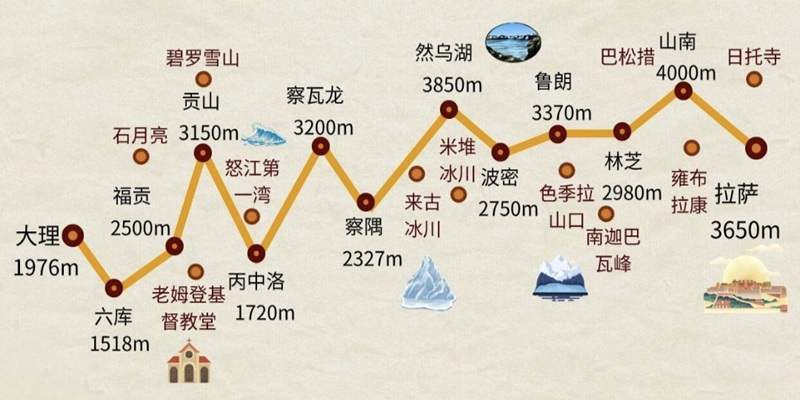
Bingchacha Highway
Bingzhongluo Section: A Landscape Overture
Covering 80km from Bingzhongluo Town to the Yunnan-Tibet border, this section features relatively good roads—asphalt for the first half, transitioning to gravel. Key attractions include Nujiang First Bend, Shimen Pass, Wuli Village, and Qiuna Tong Village. Surrounded by three mountains (Gaoligong Mountain, Nu Mountain, Yunling Mountains) and three rivers (Nujiang, Lancang, Jinsha River), it sits at an average altitude of 1,700m with a humid climate and stunning scenery. Qiuna Tong Village, the last Tibetan settlement along the route, is hailed as a “paradise where humans and gods coexist,” with scattered Tibetan-style houses, terraced highland barley fields, and morning mist shrouding the mountains.
Chawalong Section: A Brave’s Challenge
Stretching 100km from the Yunnan-Tibet border to Chawalong Township, this is the most thrilling and challenging segment. The entire road consists of gravel and winding mountain paths, with narrow, steep sections barely allowing single-vehicle passage—drivers must find passing bays in advance. Highlights include dangerous stretches like the Grand Sandflow, Tiger’s Mouth, and Chicken Claw Gorge. The Grand Sandflow, a 350m-high, 200m-wide exposed rock face with constant gravel slides, leans toward the cliff; vehicles must pass quickly without stopping. The dry-hot valley landscape, dotted with cacti, contrasts sharply with the previous section’s greenery, showcasing unique desert beauty.
Zayü Section: From Wilderness to “Southern Jiangnan”
The 90km stretch from Chawalong Township to Zayü County features relatively gentle gravel roads but requires crossing three high-altitude passes: Yixiula Pass (4,636m), Changla Pass (4,498m), and Qimala Pass (4,710m). Altitude fluctuates drastically, creating a “four seasons in one day” experience—short sleeves in the morning, down jackets at noon. Scenery transitions from wilderness to primeval forests and alpine pastures, with lush vegetation and moist air. Zayü County, at 2,300m, boasts a pleasant climate, with rice and highland barley fields interspersed with gesang flowers, earning it the title “Little Jiangnan on the Snowy Plateau.”
Best Travel Time: Avoid Risks, Embrace Beauty
Road conditions and scenery vary greatly by season. Choosing the right time ensures safety and optimal views. Below are the two best periods, plus high-risk seasons to avoid.
May-June: Spring Blooms in the Canyon
Spring is ideal as snow melts, eliminating snow cover and reducing landslide/mudslide risks. Rhododendrons bloom from foothills to mountain tops, creating a vibrant contrast with snow-capped peaks, canyons, and Tibetan dwellings. Temperatures range from 10-20℃, with mild day-night differences, requiring no heavy winter gear. Fewer tourists mean a quieter, more authentic experience—perfect for photography and sightseeing.
September-October: Autumn’s Painted Path
Post-monsoon, autumn brings clear skies and high visibility, ideal for self-driving and photography. Forests turn golden and red, resembling a colorful oil painting. Temperatures mirror spring but with larger day-night variations—pack warm layers. Highland barley ripens, and villages buzz with harvest joy, offering deep cultural immersion. Stable road conditions (no snow or heavy rain) make it great for family or group trips.
High-Risk Seasons to Avoid
July-August (Rainy Season)
Frequent downpours trigger landslides, mudslides, and flash floods. Roads become muddy and slippery, with many sections destroyed. Travelers risk being stranded—not recommended.
November-March (Winter)
Heavy snow blocks high-altitude passes, and roads freeze. Temperatures drop below -10℃, increasing altitude sickness and frostbite risks. Only experienced off-roaders should attempt this—not for casual travelers.
Transportation & Vehicle Preparation: Keys to a Safe Journey
Self-driving or chartered cars are the only options (no public transport). Proper vehicle preparation and route planning are critical for safety and enjoyment.
Vehicle Selection: 4×4 Off-Roaders Only
The road’s gravel, winding paths, narrow sections, and sandflow areas demand high-performance 4×4 off-road vehicles. Recommended models: Toyota Prado, Mitsubishi Pajero, Jeep Wrangler. Their high ground clearance and strong off-road capabilities prevent bottoming out or getting stuck. Avoid sedans or 2WD SUVs—their low clearance and poor off-road performance risk damage and delays.
Vehicle Inspection: Comprehensive Checks & Supplies
- Tires: Install durable off-road tires, check pressure, and carry a spare tire, jack, and wrench.
- Brakes: Ensure responsiveness to avoid accidents on steep slopes.
- Fluids: Top up engine oil, coolant, and brake fluid.
- Lights & Wipers: Verify functionality (critical for low-light or rainy conditions).
- Emergency Kit: Include tow ropes, snow chains, a first-aid kit, and a spare fuel tank.
Additional Tips
- Download offline maps (no mobile signal in most areas).
- Share your itinerary with family/friends and check in daily.
- For chartered cars, choose reputable agencies like China Dragon Travel with experienced G219 drivers—they know the roads, local culture, and can enhance your journey.
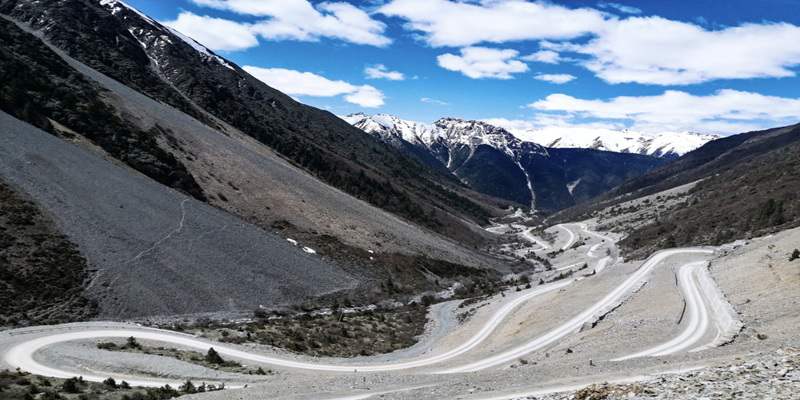
Bingchacha Highway
Accommodation & Dining: Comfort in the Wilderness
While basic compared to cities, accommodation and dining along the route meet essential needs, offering local flavors and unique experiences.
Accommodation Guide
Options are concentrated in Bingzhongluo Town, Chawalong Township, and Zayü County, with varying standards.
Bingzhongluo Town: Scenic & Diverse
As the starting point, it offers guesthouses, homestays, and hotels (100-500 RMB/night). Choose accommodations near Nujiang First Bend or Wuli Village for stunning views and morning mist. Most have hot showers and WiFi; high-end options include meals and tour guides.
Chawalong Township: Simple & Practical
The only township midway has limited guesthouses/homestays (80-200 RMB/night). Facilities are basic—some lack private bathrooms, and hot water may be limited—but rooms are clean. Run by locals or Sichuan natives, hosts are friendly, offering road updates and travel tips. Many include dining services.
Zayü County: Well-Equipped & Cultural
The endpoint boasts the best accommodations: hotels, guesthouses, and homestays (150-600 RMB/night). Hotels feature elevators, air conditioning, hot showers, WiFi, breakfast, and parking. Tibetan-style guesthouses offer cultural immersion at affordable prices, ideal for budget travelers.
Dining Recommendations: Tibetan, Yunnanese & Sichuanese Flavors
Local cuisine leans spicy and savory, with restaurants concentrated in towns and villages. Prices are reasonable, and portions are generous.
Bingzhongluo Town: Fresh & Flavorful
- Nujiang Fish: Tender fish braised with local chili—spicy and authentic.
- Stone Slab Cake: Crispy highland barley cake baked on a stone slab, fragrant and crunchy.
- Butter Tea: A Tibetan staple that relieves altitude sickness—rich and acquired, but addictive.
Chawalong Township: Authentic Tibetan Tastes
- Tibetan Incense Pig: Free-range on plateaus, fed grass and barley—tender and delicious (roasted or stewed).
- Raw Beef Paste: Minced fresh beef marinated with chili and Sichuan pepper—spicy and refreshing (for spice lovers).
- Highland Barley Wine: A mild, sweet traditional drink that warms the body and showcases local culture.
Zayü County: Diverse Options
Beyond Tibetan cuisine, there are Sichuan hot pot and Yunnan stir-fries. Local eateries also serve home-style dishes. Note: Ingredients are transported with difficulty, so some vegetables/meats are pricier. Carry snacks and water—no restaurants in remote sections.
Important Notes: Essential Knowledge for Safety
Bingzhongluo’s stunning scenery comes with rugged roads and complex environments. Prepare thoroughly and follow these guidelines for a safe, enjoyable trip.
Altitude Sickness: Prevention & Response
Altitude ranges from 1,700m (Bingzhongluo) to 4,710m (Qimala Pass), then drops to 2,300m (Zayü). Altitude sickness is common, especially for first-time Tibet travelers.
- Prevention: Take Rhodiola 1-2 weeks before departure to build adaptation.
- Adaptation: Avoid strenuous activity (running, jumping) upon arrival. Drink plenty of water, eat fruits and vegetables, avoid alcohol and tobacco, and limit greasy and spicy foods. Get adequate sleep and stay calm.
- Response: Mild symptoms (headache, dizziness) improve with rest. Severe symptoms (difficulty breathing, vomiting, high fever) require immediate oxygen, medical attention, and possible trip termination.
Safe Driving: Caution First
- Speed: Maintain 30-50km/h, especially on narrow/steep sections—no overtaking.
- Attention: Watch for gravel, potholes, and obstacles. Anticipate oncoming traffic and prepare for passing.
- Dangerous Sections: Speed through sandflows/landslide areas—never stop.
- Fatigue: Drive no more than 8hrs/day; rest every 2-3hrs.
- Night Driving: Strictly prohibited—no streetlights and complex road conditions increase accident risks.
Supplies Preparation: Be Well-Equipped
Clothing: Pack warm layers (down jacket, waterproof jacket, sweater, thermal underwear) for low temperatures at high passes and large day-night differences. Bring comfortable, durable hiking shoes.
- Sun Protection: High-altitude UV rays are intense—pack sunscreen (SPF 50+), sunglasses, a hat, and UV-protective clothing.
- Medications: Carry cold medicine, stomach remedies, antibiotics, painkillers, and band-aids.
- Cash: Many eateries/guesthouses don’t accept mobile payments—carry sufficient RMB.
- Documents: Bring ID and Border Defense Permit (required for Zayü County). Obtain it in advance from your local public security bureau or in Bingzhongluo Town/Gongshan County (free with ID).
Environmental & Cultural Respect: Responsible Travel
Environmental Protection: The ecosystem is fragile. Take all trash with you—never litter in canyons or on snow-capped peaks. Don’t pick flowers, harm wildlife, or damage cultural relics.
Cultural Respect: The route passes through Tibetan, Nu, and Derung settlements.
- Follow local etiquette when visiting Tibetan homes.
- Ask permission before photographing religious buildings, Buddha statues, or locals.
- Avoid sensitive topics—maintain a friendly, respectful attitude.
Journey Summary: The Ultimate G219 Experience
Bingchacha Highway (G219) is more than a road—it’s an adventure of challenges and surprises, a cultural journey through raw landscapes and ethnic traditions. Here, you’ll traverse the majestic Nujiang Grand Canyon, gaze at snow-capped peaks, wander quiet Tibetan villages, savor authentic cuisine, and experience the “eyes in paradise, body in hell” thrill. Unlike crowded Tibet routes, it retains primal purity—every kilometer holds hidden wonders, every stop offers unique views. It’s a must-drive for self-driving enthusiasts and a sacred destination for freedom seekers.
Crossing G219 tests your body and enriches your soul. The scenery heals fatigue and worries, and every challenge becomes a cherished memory. If you’re tired of city chaos and crave freedom and adventure, pack your bags, start your engine, and embark on this journey. Discover wilderness beauty, overcome unknown hardships, and immerse yourself in pure plateau culture. For a hassle-free experience, choose China Dragon Travel—with rich G219 expertise, professional guides, and drivers, they’ll craft a safe, tailored itinerary, letting you fully enjoy this once-in-a-lifetime adventure.