
Nyingchi boasts not only poetic snow-capped mountains and peach blossoms but also unforgettable flavors that blend Tibetan traditions with river valley delicacies, the key to understanding this “Jiangnan of Tibet”. Crafted purely for practicality, this guide leaves no trivial details out—from must-try food lists and recommended local eateries to transport arrangements, accommodation options, budget breakdowns and insider tips to avoid pitfalls. Whether you crave a fragrant bowl of stone pot chicken in Lulang Town, sizzling roasted Tibetan pork at night markets, or a warm cup of sweet tea in an old teahouse, you’ll find precise guidance here.
Must-Try Foods in Nyingchi
Lulang Stone Pot Chicken: The Signature Dish of Nyingchi
As Nyingchi’s most representative delicacy, Lulang Stone Pot Chicken shines with the perfect combination of its pot and ingredients. The pot is hand-carved from unique saponite in Medog, featuring excellent heat retention and rich minerals. The dish uses free-range Tibetan chickens locally raised, with firm and tender meat, simmered with palm ginseng, matsutake, morel mushrooms and other plateau fungi in mountain spring water for 2.5 hours. The resulting soup is creamy white and rich, with an enticing mix of mushroom and meat aromas—each spoonful tastes like a gift from the snow mountains and forests. Originating from the dietary traditions of the Monba people in Medog, it is now a staple for both local feasts and tourists’ must-try lists.
Recommended Restaurants: Lulang Stone Pot Chicken Head Store on Lulang Stone Pot Chicken Street, which uses fresh and ample ingredients with authentic cooking methods; its branch on Guangzhou Avenue in Bayi District allows you to enjoy the same great taste without traveling all the way to Lulang.
Price per person: 80–120 CNY. It’s most cost-effective for 3–4 people to share. You can also blanch local green vegetables in the soup to cut through the richness.
Eating Tips: Drink the soup first, then eat the meat, and finally soak rice in the broth for a flavorful finish. Avoid adding extra seasonings before serving to preserve the original taste of the ingredients.
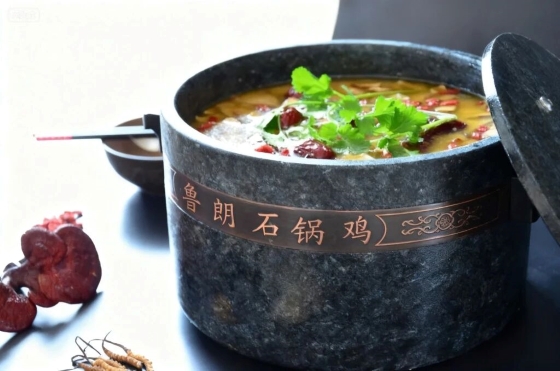
Lulang Stone Pot Chicken
Tibetan Pork Series: Rich Meat Flavors from the Plateau
Tibetan pigs grow in mountain forests above 3,000 meters above sea level, feeding on highland barley, matsutake and Tibetan knotweed. They have low fat content and firm, non-tough meat, making them a unique high-quality ingredient in Nyingchi. There are various cooking methods—roasted Tibetan pork, Tibetan pork hot pot and Tibetan pork skewers are all popular choices. Roasted Tibetan pork has crispy skin and tender meat inside; sprinkled with Tibetan chili powder and cumin, it becomes more fragrant as you chew, and is the top snack at Nyingchi night markets. Tibetan pork hot pot uses yak bone broth as the base, paired with vegetables and fungi, warm and nourishing, perfect for the plateau climate.
Recommended Restaurants: Tibetan Pork BBQ Stall at Nyingchi Night Market (Fujian Road, Bayi District), which opens after 6 PM and serves freshly grilled pork; Zhuolong Tibetan Restaurant in Lulang Town, where roasted pork ribs paired with highland barley wine offer a unique flavor.
Price per person: BBQ skewers cost 10–15 CNY each. A whole roasted Tibetan pork is suitable for groups of 6 or more, with a per capita cost of 60–80 CNY; Tibetan pork hot pot costs 80–100 CNY per person.
Tips to Avoid Pitfalls: Be wary of “cheap Tibetan pork” sold near scenic spots, which may be adulterated with regular pork. Choose restaurants frequented by locals for more reliable quality.
Plateau Mushroom Dishes: Seasonal Fresh Delights
Nyingchi is a natural habitat for plateau fungi. Every year from July to September is the peak season for fresh mushrooms like matsutake, morel and boletus. During this time, mushroom dishes are regarded as “top seasonal delicacies”. Among them, matsutake stewed chicken is the most popular—fresh matsutake slices are simmered with Tibetan chicken, resulting in clear soup, crisp matsutake and tender chicken. No extra seasonings are needed; the original flavors of the ingredients are delicious enough. Stir-fried boletus retains the mushrooms’ crisp texture, seasoned with a little green pepper for a fresh and appetizing taste.
Recommended Restaurants: Matsutake Theme Restaurant on Guangzhou Avenue in Bayi District, which specializes in matsutake dishes in summer with guaranteed freshness; stone pot chicken restaurants in Lulang Town, which launch matsutake stone pot chicken in summer, creating a wonderful combination of two fresh flavors.
Price per person: Matsutake stewed chicken costs 150–200 CNY (priced according to matsutake quality); stir-fried mushrooms cost 80–100 CNY per serving.
Safety Tips: Never eat wild mushrooms sold by street vendors—some varieties are toxic. Fungi served in regular restaurants have all passed safety inspections.
Tibetan Staples and Snacks: The Daily Delights of Tibetan Life
Tsampa with Butter Tea/Sweet Tea
Tsampa is a thousand-year-old staple food of Tibetans. In Nyingchi, due to the humid climate, it is often made into a porridge-like consistency (different from the dry tsampa balls in northern Tibet), making it easier to digest. Made by boiling highland barley flour, it can be served sweet or savory: the sweet version is mixed with butter, milk residue and brown sugar, while the savory one is seasoned with butter tea and salt. It has a dense and mellow texture with the aroma of highland barley, which can quickly replenish energy, warm the stomach and resist cold. Pairing it with butter tea or sweet tea is the authentic way to eat it. Butter tea is salty and rich, helping to relieve dryness on the plateau; Nyingchi sweet tea is lighter than that in Lhasa, with a mild milk aroma and moderate sweetness, costing 5 CNY per pot, and is a must-have drink for locals to entertain guests and chat in teahouses.
Recommended Restaurants: Barkhor Street Old Tibetan Teahouse near Barkhor Street, where hand-cooked tsampa porridge paired with sweet tea is authentic and affordable; Nyingchi Old Tibetan Restaurant in Tuanjie New Village, which serves butter tea with rich ingredients and pure flavor.
Price per person: Tsampa porridge costs 10–15 CNY, butter tea 10–15 CNY per pot, and sweet tea 5–10 CNY per pot—offering great value for money.
Tibetan Potato Buns and Tibetan Noodles
Tibetan potato buns are the perfect companion to tea in street teahouses in Nyingchi. The outer layer is made of highland barley flour or wheat flour, soft and chewy; the filling is steamed mashed potatoes mixed with a little salt, chili powder and chopped green onions. Biting into it reveals the savory and slightly spicy mashed potato filling. Priced at 1 CNY each, they are very popular among locals. Tibetan noodles are another popular staple—with chewy noodles paired with rich yak meat soup or Tibetan chili sauce, they are spicy and appetizing, costing 20–30 CNY per person, making them a great choice for a quick meal.
Recommended Restaurants: Street teahouses on Tuanjie Road, where potato buns are most delicious when freshly steamed; breakfast stalls at Bayi Town Market, where Tibetan noodles with extra chili sauce are the authentic local way to eat them.
Eating Tips: Eat potato buns while they are hot—they will harden when cold. For Tibetan noodles, it is recommended to add an extra spoonful of Tibetan chili sauce to better suit the local taste in Nyingchi.
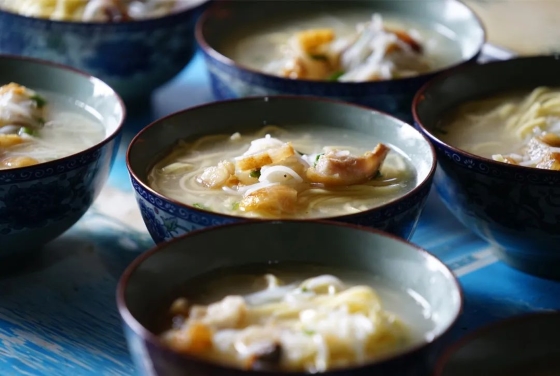
Tibetan Noodles
Nyingchi Yogurt: A Sweet and Sour Dessert to Cut Through Richness
Nyingchi yogurt is naturally fermented using local yak milk or regular milk. It has a thick, tofu-like texture and a milder acidity than Lhasa yogurt, with the “softness” of the river valley climate. When eaten with honey, raisins or highland barley grains, it has a sweet and sour taste with a rich milk aroma, which can cut through richness and aid digestion, making it an ideal dessert after meals.
Recommended Restaurants: Nyingchi Old Yogurt Shop on Xiamen Road, which offers hand-fermented yogurt with optional toppings—highland barley grain yogurt is highly recommended; yogurt stalls in Lulang Town, which pair perfectly with stone pot chicken to relieve greasiness.
Price per person: 8–15 CNY per bowl, affordable and generous in portion.
Other Featured Foods: Explore More Tibetan Flavors
Besides the must-try dishes above, Nyingchi has many other featured foods worth tasting. Palm ginseng stewed chicken is a nourishing soup that combines deliciousness and health benefits. Palm ginseng is a unique plateau medicinal herb in Nyingchi; when stewed with local chicken, the soup is clear and flavorful, which can nourish blood and qi and help the body adapt to the plateau climate. It costs 60–80 CNY per person, and is recommended at Nyingchi Old Tibetan Restaurant in Tuanjie New Village. Tibetan hot pot uses a copper pot, with yak meat, Tibetan pork, vegetables and fungi stewed together, paired with highland barley flatbread for a unique flavor, costing 60–90 CNY per person. Nyingchi apples and walnuts are also local specialties—apples are sweet, crisp and juicy, while walnuts are plump and fragrant, priced at 10 CNY per jin and 25 CNY per jin respectively, making them perfect souvenirs.
Practical Transport and Accommodation Guide in Nyingchi
Transport Guide
Arriving in Nyingchi: Flying is the most convenient way. Nyingchi Mainling Airport has direct flights from Chengdu, Guangzhou and other cities. The airport bus to the urban area costs 25 CNY per person and takes 1 hour. Alternatively, you can fly to Lhasa first, then take a bullet train to Nyingchi, which takes 3 hours and costs 115 CNY per person—you can enjoy the beautiful scenery of the Nyang River along the way from the window.
Transport Around Scenic Spots: Nyingchi’s food hubs are scattered, so chartered cars are the best choice. Renting an SUV in the urban area costs about 300–500 CNY per day; drivers are familiar with local food spots and can provide accurate directions. You need to book 1 week in advance during peak seasons (March–April peach blossom festival), and prices may rise. Self-driving requires skilled driving skills, as mountain roads have many curves; it is recommended to rent a 4WD vehicle, costing about 300 CNY per day. Anti-skid chains are needed for some remote township sections.
Urban Transport: Taxis in the urban area have a starting fare of 10 CNY, convenient for short trips. You can walk or cycle to popular areas like night markets and food streets, which allows you to feel the lively atmosphere of the small town and encounter street food at any time.
Accommodation Options
Budget-Friendly (150–300 CNY per person per night): Chain hotels in Bayi District, Nyingchi, such as Vienna Hotel, offer free oxygen supply and convenient transportation, within walking distance to many food streets. Guesthouses near local restaurants in Bayi Town are cost-effective and convenient for dining; some guesthouse owners will even recommend hidden local eateries.
Mid-Range (300–700 CNY per person per night): Tibetan guesthouses in Lulang Town, with views of forest sea scenery from the windows; you can taste authentic Tibetan food in the guesthouses. Boutique hotels in Bayi District have complete facilities, some with viewing terraces, perfect for relaxation.
High-End (1,200 CNY and above per person per night): Luxury resorts near Basum Lake, with exclusive lake views; butlers can arrange customized food experiences. Peach blossom-themed hotels in Mainling County, hidden in the countryside, have a quiet environment, allowing you to experience the fun of picking seasonal fruits and vegetables.
Accommodation Tips: Book 1–2 months in advance during peak seasons (March–April, September–October). Confirm whether the accommodation accepts foreign tourists when booking—some guesthouses may have qualification restrictions. Prioritize accommodations near food hubs to reduce nighttime travel distance.
Nyingchi Food Budget and Pitfall Avoidance Guide
Food-Focused Budget Reference
Food Budget: 300–500 CNY per person per day, including three meals, snacks and drinks. If you want to taste high-end ingredients like matsutake and palm ginseng, you can add 200–300 CNY per day to the budget. Night market snacks are highly cost-effective—you can have a full meal for only 50–80 CNY per person.
Transport Budget: 50–100 CNY per person per day in the urban area; chartered car travel costs 150–200 CNY per person per day (more cost-effective when sharing with others). Airport bus costs 25 CNY per person; round-trip bullet train tickets from Lhasa cost 230 CNY per person.
Accommodation Budget: Varies according to accommodation standards, ranging from 150–1,200 CNY per person per night.
Total Budget: 500–2,000 CNY per person per day, adjustable according to consumption needs.
Pitfall Avoidance Tips
Food Pitfalls: Be wary of “internet-famous restaurants” near scenic spots—some have overpriced food with subpar taste. Choose local restaurants or old Tibetan teahouses frequented by locals; restaurants with many local cars parked outside are unlikely to disappoint. For popular dishes like Tibetan pork and stone pot chicken, confirm the quality of ingredients when ordering to avoid inferior substitutions. Never buy wild mushrooms from street vendors, as they may be toxic.
Shopping Pitfalls: Specialty stores near scenic spots have higher prices. When buying souvenirs like yak jerky and Tibetan incense, choose regular stores in the urban area and look for well-known brands like Qisheng. Yak jerky costs about 120 CNY per jin. You can buy fruits with confidence from street stalls—local specialties like Nyingchi apples and walnuts are fresh and affordable, with no need to worry about short weight.
Cultural Etiquette Pitfalls: When entering Tibetan restaurants or teahouses, respect local customs—do not take photos of Buddha statues or prayer flags without permission; ask the staff for consent before taking pictures. If you are not used to the salty taste of butter tea, you can tell the staff in advance to adjust the sweetness. You can try eating tsampa with a spoon—there is no need to force yourself to use your hands; adapting to local customs does not require rigidly following the form.
Taste Nyingchi – Practical Tips for Eating Well
Nyingchi’s cuisine blends mountain robustness with valley delicacy — from Rulang stone-pot chicken and Tibetan pork to seasonal matsutake and hearty tsampa. Practical reminders: book ahead during peak seasons (peach blossom and matsutake months), avoid roadside wild mushrooms unless sold by verified restaurants, and choose eateries frequented by locals to skip overpriced “tourist traps.” Budget roughly ¥300–500/day for a full local food experience; add more for premium ingredients like matsutake or specialty herbs. Slow down, follow local recommendations, and you’ll find that Nyingchi’s best flavor is the combination of food, seasonality, and hospitality.