
October in Tibet is the most poetic season on the plateau. As the summer rains completely recede, the sky presents a gem-like azure blue, and sunlight filters through the thin air, casting warm rays upon golden poplar forests and turquoise lakes. This season in Tibet offers not only ultimate visual enjoyment but also special climatic challenges and deep cultural experiences. For travelers planning to visit the snowy plateau during this time, understanding the uniqueness of this season and making adequate preparations will directly determine the quality and depth of the journey.
Must-Visit Attractions in Tibet During October
Lhasa and Surrounding Areas
As October arrives, Tibet presents breathtaking natural landscapes to visitors. The most suitable natural landscapes around Lhasa for tourism are as follows:
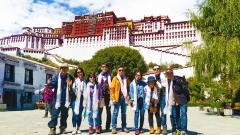
- Lhasa River Valley: Poplar forests gradually turn golden, forming a vivid contrast with the white walls and red halls of the Potala Palace, creating classic Tibetan autumn scenery.
- Norbulingka: Various trees in the garden display gradient colors from deep green to golden-red, showcasing the unique aesthetics of Tibetan garden design.
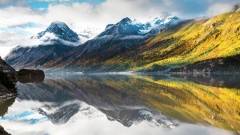
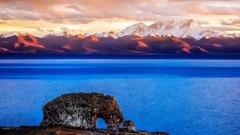
- Nam Co: During daytime, the lake surface remains calm as a mirror, reflecting the snow peaks of Nyenchen Tanglha Mountains, making it a dream shooting location for photography enthusiasts (note the temperature differences).
- Yamdrok Lake: The lake water presents richly layered blues under autumn sunlight, with transitions from sapphire blue to peacock blue that are astonishing. The poplar forests along the lakeshore and snow-capped mountains together form perfect compositional elements.
Forest Landscapes of Nyingchi Region
Known as “Tibet’s Jiangnan,” the Nyingchi region welcomes its most beautiful season in October, with both coniferous forests and grand canyons displaying unique scenery.
- Yarlung Tsangpo Grand Canyon: Different tree species change colors according to altitude, forming vertical color bands from emerald green to golden yellow to deep red. This natural gradient effect resembles an artist’s meticulous painting.
- Nyingchi Forest Sea: The mixed zone of coniferous and broad-leaved forests appears faintly visible through morning mist, combining with distant snow mountains and nearby pastures to create a complete landscape painting.
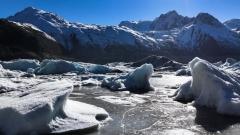
- Bomi Area: The interwoven landscape of glaciers and forests becomes more prominent during this season due to color contrast. The blue ice tongue of Midui Glacier engages in a harmonious dialogue with surrounding golden forests.
- Basum Co: On the lake’s central island, autumn leaves complement ancient monasteries, while the lake water displays emerald-like hues. Lakeside hiking allows appreciation of autumn scenery from different angles.
Cultural Landscapes of Shigatse Region
Beyond natural scenery, the cultural landscapes of Shigatse region are equally distinctive. From monasteries to county towns, they reflect deep integration of nature and culture.
- Tashilhunpo Monastery: Surrounding poplar forests become particularly noticeable during this season, with golden leaves complementing the monastery’s red and white walls.
- Gyangze County: Fields here present rich color patches in October, with farmland, forests, and villages forming tranquil pastoral scenery against snowy mountain backgrounds.
- Sakya Monastery: In the river valley where the monastery is located, autumn colors and ancient monastery architecture mutually enhance each other, demonstrating deep integration of cultural and natural landscapes.
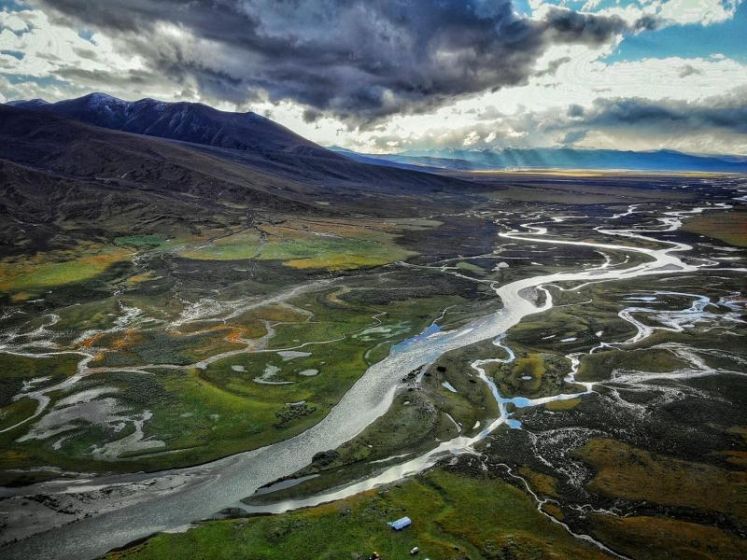
The Lhasa River Valley
Important Festivals and Cultural Activities in Tibet During October
Tibetan Butter Lamp Festival
The 25th day of the tenth Tibetan month is the Butter Lamp Festival, a religious holiday commemorating the parinirvana of Tsongkhapa, founder of the Gelug school. During the festival, numerous butter lamps are lit in Lhasa’s monasteries and believers’ homes, enveloping the entire city in warm light. The illuminations at Jokhang Temple, Ramoche Temple, and Potala Palace are particularly spectacular, with believers holding butter lamps while circling Barkhor Street, forming a flowing river of light. The best way to experience this festival is to visit Barkhor Street at dusk, following the slow-moving stream of circumambulating pilgrims, feeling the solemn yet warm religious atmosphere. When photographing, avoid using flash to respect religious sentiments, opting instead for high-ISO cameras for low-light photography.
Tibetan Village Ceremonies
October is the harvest season for crops like barley. Various villages across Tibet hold diverse celebration activities. In some villages of Shannan region, traditional threshing scenes can be observed, with villagers beating barley using flails accompanied by rhythmic work chants. Farming areas in Shigatse may hold simple sacrificial ceremonies to thank the land deity. These activities are typically small-scale but rich in rustic atmosphere. Travelers who happen to pass through such villages can politely ask for permission to observe, and sometimes even get invited to taste tsampa and barley wine made from newly harvested barley—a rare opportunity to experience Tibetan farming culture.
Tibetan Monastery Ceremonies
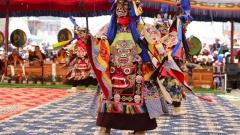
Autumn is when many monasteries hold annual ceremonies, with the most appreciable being the “Cham” ritual (Diamond Dance). This religious dance aims to dispel evil spirits and predict auspiciousness for the coming year. Dancers wear colorful masks and elaborate costumes, performing symbolic movements to drum and cymbal accompaniment. Major monasteries like Sera Monastery, Drepung Monastery in Lhasa, and Tashilhunpo Monastery in Shigatse typically hold grand Cham performances. Observers should maintain silence, follow monastery regulations (usually allowing photography without flash), and understanding basic Buddhist symbolism helps better appreciate the dance’s meaning.
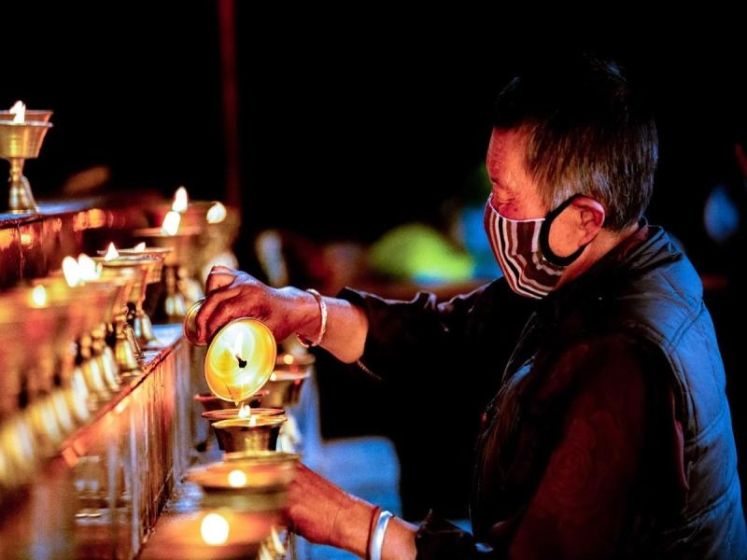
Tibet Lantern Festival-The Essence of Tibetan Culture
October Climate and Preparations for Tibet
Tibet’s October climate exhibits typical transitional season characteristics: warm days, cold nights, dry air, and strong ultraviolet radiation. Fully understanding these features and making corresponding preparations forms the foundation for an enjoyable journey.
- Temperature change: The temperature difference between day and night in Tibet in October can reach 15-20 degrees Celsius. It may feel warm like spring in the sun during the day and cold like winter at night.
- Clothing preparation: Choose professional underwear with quick drying and sweat wicking properties for the bottom layer, a fleece jacket or thin down jacket for the middle layer, and a windproof and waterproof jacket for the outer layer. It is recommended to choose underwear or softshell pants for pants, and warm pants can be added according to the temperature inside. You can choose wool hats or thermal hats for keeping your head warm, and windproof gloves for your hands.
- UV protection: It is recommended to use high magnification sunscreen with SPF50+, PA+++or above, reapply every two hours, and pay special attention to easily overlooked areas such as the ears and back of the neck. Sunglasses should choose professional products with UV400 standards, preferably polarized lenses to reduce the strong light reflected by snow. Lip protection is also important, and lipstick with sunscreen function should be used. The plateau air is dry, and the moisturizing work needs to be carried out from both internal and external aspects: drink more warm water internally, and use moisturizing spray, moisturizing facial mask and other products externally.
- Other essential items: insulated kettle, headlight or flashlight, sleeping bag liner, power bank, cold proof thick down jacket, warm hat, warm gloves, etc.
Health Protection for October Tibet Travel
- Maintain physical activity: Adequate aerobic exercise can be done one month before departure, but the amount of exercise should be reduced one week before departure to keep the body calm.
- Medication preparation: including high-altitude reaction drugs (such as acetazolamide), cold medicine, gastrointestinal medicine, painkillers, vitamins, etc
- Lifestyle habits: After arriving at the plateau, avoid taking a shower for the first three days, have a light diet, eat small meals frequently, absolutely prohibit drinking alcohol, maintain sufficient sleep but do not stay in bed all day, and moderate light activity can help adapt to the local environment.
October in Tibet is a double feast of nature and humanity. In this golden autumn season, the plateau displays the richest colors, clearest sky, and warmest sunshine. Stepping onto this land, you will experience visual shock, physical challenge, and spiritual touch. When you stand at the top of the snow capped mountains and overlook this golden land, you will find that all the preparation and effort are worth it. This is not only a journey, but also a rich experience of life, a soul journey that will always be remembered.