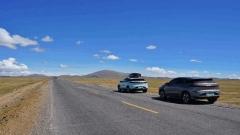
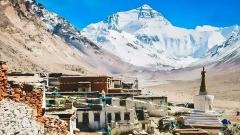
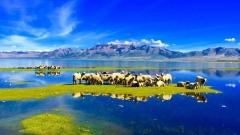
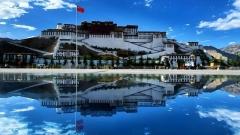
A Qinghai-Tibet Railway journey is a mobile plateau feast. During the 19-22 hour trip from Xining to Lhasa, you’ll pass through the azure Qinghai Lake, vast Hoh Xil, and majestic Tanggula Mountains. As the altitude rises gradually, your body acclimatizes to the plateau, allowing Tibet’s grandeur to seep into your heart through your eyes. This journey is more than just a way to enter Tibet—it’s the core experience of your Tibet trip: watching the sunrise over Qinghai Lake from the train in the morning, spotting Tibetan antelopes in Hoh Xil at noon, sipping Butter Tea with Tanggula’s snow-capped mountains in the afternoon, and admiring the sunset over Cuona Lake in the evening. Every moment is a memory unique to the Qinghai-Tibet Railway. This guide covers everything from the core charms of the journey, route highlights, and train selection to travel details and pre-trip preparation, helping you plan a perfect slow “Sky Road” trip.
Qinghai-Tibet Railway Journey Key Information Overview
| Item | Key Details |
| Railway Positioning | World’s highest & longest plateau railway (Sky Road); max altitude 5,231m (Tanggula Pass), total length 1,956km |
| Route Scope | Main line: Xining→Lhasa (1,956km); connecting routes (Shanghai/Beijing/Chengdu→Lhasa), longest trip 54hrs |
| Journey Duration | Direct (Xining→Lhasa): 19-22hrs; connecting trips (Mainland→Lhasa): 33-54hrs |
| Core Experiences | 4 must-see spots (Qinghai Lake/Hoh Xil/Tanggula/Cuona Lake); full-train oxygen; 60% lower altitude sickness than flying |
| Suitable For | First-time Tibet travelers, slow travel/nature lovers; all ages; 1-week pre-trip altitude preparation required |
Core Charms of a Qinghai-Tibet Railway Journey: Why Choose Slow Travel to Tibet
The uniqueness of a Qinghai-Tibet Railway journey lies in turning the “process of entering Tibet” into “the trip itself”—a core value unmatched by flying, reflected in three key points:
- Scientific Altitude Acclimatization for a Safer Trip: Starting from Xining (2,261m) and gradually ascending to Lhasa (3,650m), plus the train’s full oxygen supply (activated from Golmud to Lhasa), your body has ample time to adapt to altitude changes. The incidence of altitude sickness is over 60% lower than flying, making it especially suitable for seniors, children, or travelers with sensitive constitutions.
- Uninterrupted Scenery, a Visual Feast on the Go: The railway passes through diverse landscapes—plateau meadows, salt lakes, no-man’s lands, snow-capped mountains, and lakes. World-class scenic spots like Qinghai Lake, Hoh Xil, Tanggula Mountains, and Cuona Lake unfold right outside the window. The train slows down at scenic sections, letting you take photos and enjoy the views at your own pace, no rushing required.
- Immersive Plateau Experience, Natural Cultural Integration: On-board announcements introduce the geography and culture along the way in Chinese, English, and Tibetan (e.g., Hoh Xil’s ecology, Tanggula’s significance). Attendants offer free highland barley water, and the dining car serves local Tibetan dishes like Yak Meat Rice Bowl and Butter Tea—letting you feel Tibet’s charm before even arriving in Lhasa.
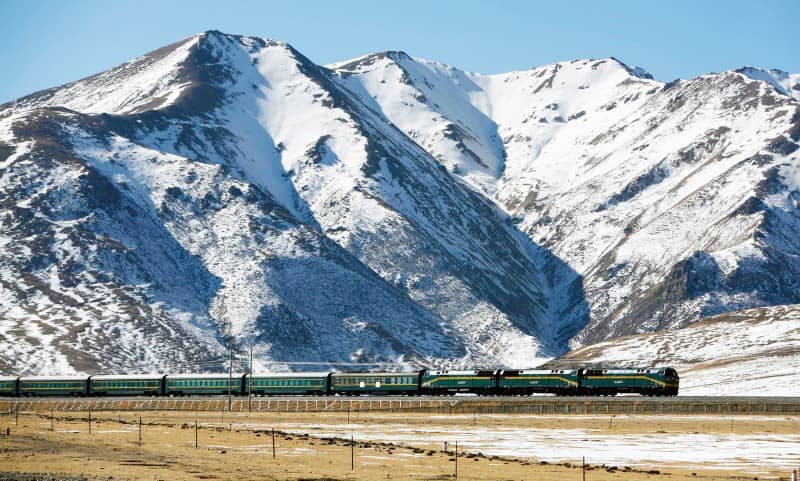
Qinghai-Tibet Railway
Full Route Breakdown of the Qinghai-Tibet Railway Journey: Three Highlight Sections, Each with Its Own Charm
The core of the Qinghai-Tibet Railway journey is the Xining→Lhasa section, divided into three scenic segments—each with unique scenery and experiences, none to be missed:
Xining→Golmud Section: Plateau Prologue, Encounter with Lakes and Salt Lakes
- Altitude Change: 2,261m → 2,808m (gentle ascent, ideal for initial acclimatization)
- Core Scenery:
◦ Qinghai Lake (passed 7:00-9:00): China’s largest inland lake. In July-August, golden rapeseed flowers carpet the shore, reflecting the blue lake; in October, the lake freezes into a mirror-like surface reflecting clouds. Left-side seats offer the best viewing angle.
◦ Qarhan Salt Lake (passed 12:00-14:00): World’s second-largest salt lake. Crystallized salt forms “salt bridges” on the lake surface, appearing pale blue in sunlight like a sky mirror. Right-side seats are best for photography.
- Experience Focus: Low altitude means minimal physical strain—walk around the carriage to get familiar with the environment, try highland barley cakes in the dining car, and get a preview of Tibetan flavors.
Golmud→Nagqu Section: Plateau Core, Awe of No-Man’s Lands and Snow-Capped Mountains
- Altitude Change: 2,808m → 4,513m (rapid ascent, train activates full oxygen supply)
- Core Scenery:
◦ Hoh Xil No-Man’s Land (passed 9:00-11:00): A world natural heritage site where grasslands meet Gobi. Mornings are peak time for Tibetan antelopes and wild yaks— the train slows down for 10-15 minutes to let passengers take photos, visible from both sides.
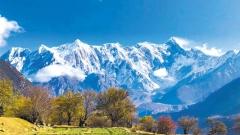
◦ Jade Dragon Snow Mountain (passed 10:00-11:00): The highest peak along the railway (6,178m), with permanent snow on its summit shining in the sun—perfect for snow mountain photos.
◦ Tanggula Pass (passed 14:00-16:00): The railway’s highest point (5,231m), with snow-capped mountains stretching into the distance. On-board announcements explain the pass’s geographical significance—activate the oxygen port here and avoid strenuous activity.
- Experience Focus: This section has a high risk of altitude sickness—drink plenty of warm water and move around for 5 minutes every hour. Do not make loud noises when spotting Tibetan antelopes to avoid disturbing them.
Nagqu→Lhasa Section: Plateau Epilogue, Healing from Lakes and Hot Springs
- Altitude Change: 4,513m → 3,650m (gradual descent, reduced physical strain)
- Core Scenery:
◦ Cuona Lake (passed 16:00-18:00): The closest lake to the railway tracks (only 10m away), deep blue and glowing golden under the sunset—your last scenic highlight before Lhasa. Right-side seats offer the best view.
◦ Yangbajing Hot Spring Area (passed 18:00-19:00): Distant white mist from hot springs rises—this is Tibet’s famous hot spring resort, worth planning a visit after arriving in Lhasa.
- Experience Focus: As altitude drops, discomfort eases—pack your luggage for arrival in Lhasa. Enjoy the sunset over Cuona Lake through the window to bring your Qinghai-Tibet Railway journey to a perfect end.
Train Selection for Qinghai-Tibet Railway Journey: Choose the Right Train to Avoid Missing Scenery
Half the enjoyment of a Qinghai-Tibet Railway journey depends on the train—different schedules determine which scenic spots you’ll see. Below are 4 popular trains for different needs:
Z164 (Shanghai→Lhasa): Golden Scenic Train, Captures All Highlights
- Schedule Features: The Xining→Lhasa section runs entirely during the day—7:00 for Qinghai Lake sunrise, 10:00 for Hoh Xil, 16:00 for Tanggula Mountains, 18:00 for Cuona Lake sunset. Captures all core scenery completely.
- Suitable For: First-time Qinghai-Tibet Railway travelers, especially photographers, with scenery as the main focus.
- Booking Tip: Soft Sleeper/Hard Sleeper tickets sell out in 10 minutes during peak season (June-September). Book 35 days in advance, prioritizing left-side lower berths (best for Qinghai Lake and Hoh Xil views).
Z323 (Xining→Lhasa): Balances Scenery and Rest, Great Value
- Schedule Features: Departs Xining at 10:00, passes Qarhan Salt Lake in the afternoon (14:00-16:00), crosses Tanggula Mountains at night (sleep through the high-altitude section), and arrives in Lhasa at 7:00 the next morning. Doesn’t miss salt lake scenery and ensures good rest.
- Suitable For: Travelers with ample time who want to balance scenery and sleep, especially seniors or those with weaker constitutions.
- Booking Tip: As a Xining-departure train, tickets are more available than Mainland-departure trains. Book 30 days in advance, prioritizing right-side berths (best for Qarhan Salt Lake views).
Z21 (Beijing→Lhasa): Night Star-Gazing, Another Kind of Romance
- Schedule Features: The Xining→Lhasa section departs at 16:00, crosses Tanggula Mountains at night (stargaze through the window), and arrives in Lhasa at 6:00 the next morning. Lets you enjoy Qinghai Lake sunset (18:00-19:00) and Tanggula starry sky.
- Suitable For: Travelers who love night scenery and want to save time, such as office workers departing from Beijing.
- Booking Tip: Hard Sleeper upper berths offer privacy, ideal for stargazing. Prepare a camera in advance and turn off the flash when taking night sky photos.
Z322 (Chengdu→Lhasa): Convenient Transfer for Southwest China Departures
- Schedule Features: Direct trip from Chengdu to Lhasa, transfers to a plateau oxygen-equipped train in Xining. Total journey 33 hours—the Xining→Lhasa section passes Hoh Xil in the morning (10:00-12:00) and Cuona Lake in the afternoon (16:00-18:00).
- Suitable For: Travelers departing from Southwest China (Chengdu, Chongqing) who want minimal transfers.
- Booking Tip: Buy direct Chengdu→Lhasa connecting tickets (no need for separate Xining transfer tickets). Attendants assist with transfers, and luggage can stay in the original carriage.

Train Z322 (Chengdu→Lhasa)
Travel Details for Qinghai-Tibet Railway Journey
The comfort of a Qinghai-Tibet Railway journey lies in every small carriage detail—oxygen supply, seats, dining, and scenery viewing. These details shape your travel experience:
Core Carriage Facilities: Plateau-Specific Comfort Guarantees
- Oxygen Supply System: Diffused oxygen is activated from Golmud→Lhasa (above 3,000m), maintaining in-car oxygen concentration at 21%-23% (similar to plains). Each berth in Soft Sleeper/Business Class has an independent oxygen port (free to use—ask attendants for a straw); Hard Sleeper oxygen ports are on the aisle wall, easy to access.
- Seat Selection Guide:
◦ Hard Sleeper Lower Berth for Budget Travelers: Close to the aisle, easy access to dining car and restrooms, best viewing angle. Downside: Slight disturbance from passing passengers.
◦ Soft Sleeper for Comfort Seekers: 4-person private compartment with soundproof curtains, 60cm-wide beds for free movement, and independent oxygen ports. Top choice for international travelers/families.
◦ Hard Seat for Budget-Conscious Travelers: 6 seats per row (fixed), suitable for young travelers. Long rides can be tiring—stand and stretch every hour.
- Practical Facilities: 24-hour water heaters at carriage ends (for instant noodles or warm water), power sockets (1 per Soft Sleeper berth, 2 per Hard Sleeper compartment), altitude display (real-time altitude alerts), restrooms (both seated and squat toilets, with toilet paper and hand soap).
On-Board Dining: Tibetan Flavors and Warm Meals
- Dining Car Experience: Located in Carriage 7, clean with 4-person tables and window seats. $8.5-$14 per person. Must-try dishes: Tibetan Yak Meat Rice Bowl ($10, with highland barley rice + Butter Tea), small Stone Pot Chicken ($17, for 2 people), Highland Barley Cake ($1 each, crispy outside, soft inside).
- Budget Options: Mobile food carts pass through carriages at 10:00 AM, 3:00 PM, and 8:00 PM daily, selling boxed meals ($2.8-$4.3, 2 meats + 1 vegetable), instant noodles ($2.1), and mineral water ($0.4). Buy without leaving your seat.
- Bring-Your-Own Food Tips: Pack energy bars, chocolate, apples (long-lasting), and vacuum-sealed chicken (for protein). Avoid fasting or overeating to reduce stomach burden. Do not bring strong-smelling food (e.g., instant noodles)—carriages are enclosed, and odors linger.
Scenery Viewing Tips: Don’t Miss Any Highlight
- Best Seats by Section:
◦ Xining→Golmud (Qinghai Lake, Qarhan Salt Lake): Left for Qinghai Lake, right for Qarhan Salt Lake.
◦ Golmud→Nagqu (Hoh Xil, Tanggula Mountains): Both sides work; morning sunlight from the left makes Hoh Xil photos clearer.
◦ Nagqu→Lhasa (Cuona Lake): Right-side seats—sunset shines from the right, gilding the lake surface.
- Photography Tips: Train windows have UV-protective coating—wipe glass with a dry cloth (avoid fingerprints) and hold your phone/camera close to the glass to reduce glare. When spotting Tibetan antelopes, the train slows down—take photos quickly and do not use flash (disturbs animals).
- Timing Tips: Announcements (in Chinese, English, Tibetan) remind you 5-10 minutes before reaching core scenic sections. Prepare your camera and secure a viewing spot in advance.
Altitude Sickness Management for Qinghai-Tibet Railway Journey: A Complete Peace of Mind Guide
While the Qinghai-Tibet Railway reduces altitude sickness risk, preparation is still essential—focus on three stages: pre-trip, on-board, and post-arrival.
Pre-Trip Preparation (1 Week Before Entering Tibet)
- Medication Preparation: Take Rhodiola 1 week in advance ($11-$19 per box, available at Mainland pharmacies). 2 pills twice a day to enhance hypoxia resistance. Stop taking 3 days before arriving in Tibet.
- Physical Adjustment: Avoid colds and fevers (high-altitude colds can cause severe reactions); reduce strenuous exercise (e.g., running, gym); maintain regular sleep and avoid alcohol.
On-Board Management (During the Train Ride)
- Oxygen Use: From Golmud Station onward, activate the oxygen port 2-3 times a day (1 hour each time) even if you feel fine. If you have a headache or chest tightness, turn on the oxygen port immediately (medium flow for Soft Sleeper, high flow for Hard Sleeper) and lie flat to rest for 30 minutes—symptoms will gradually ease.
- Diet and Activity: Drink 1.5-2 liters of warm water daily to boost metabolism; avoid cold drinks, coffee, and alcohol. Walk slowly for 5 minutes every hour—do not lie or sit for long periods to promote blood circulation.
- Symptom Handling: Take Gaoyuan’an ($7 per box) for mild headaches. For severe symptoms (e.g., difficulty breathing, vomiting, fever), contact attendants immediately (emergency call button at carriage doors). Carriages are equipped with first-aid kits for emergency medication.
Post-Arrival in Lhasa (Within 24 Hours)
- Key Principles: Walk slowly, move less, do not shower, and avoid alcohol—let your body continue acclimatizing to altitude.
- Itinerary Suggestions: Arrange light activities in Lhasa on the first day (e.g., walking around Potala Palace Square, visiting the outer area of Jokhang Temple). Do not go to high-altitude attractions (e.g., Nam Co Lake). If mild headaches persist, continue taking Gaoyuan’an and drink plenty of warm water.
Pre-Trip Packing List for Qinghai-Tibet Railway Journey: Pack Smart, Avoid Mistakes
Pack focusing on altitude adaptation, scenery viewing needs, and convenience—avoid unnecessary items for a light trip:
- Clothing: Fleece jacket + windbreaker (20-22℃ inside the train, possibly below 0℃ outside—large temperature difference), thin sweater (for nighttime warmth), slippers (must-have for Soft Sleeper travelers to boost comfort), UV-protective sunglasses + hat (strong sunlight outside—protects eyes and skin).
- Items: Power bank (≤10,000 mAh—some carriage sockets may be unavailable), camera + spare battery (plenty of scenic photo ops), disinfecting wipes (for on-board restrooms), small backpack (for personal items when going to the dining car or viewing scenery), insulated cup (for warm water—refill at carriage water heaters).
- Documents and Cash: Original passport/ID card, Chinese Tourist Visa (for international travelers), 2 printed copies of Tibet Travel Permit (may be checked on the train), $140-$215 in RMB cash (only cash accepted in dining cars and by mobile carts; some small shops in Lhasa also accept cash).
- Medications: Rhodiola (for pre-trip use), Gaoyuan’an (for on-board/post-arrival use), glucose oral liquid (boosts energy), ibuprofen (relieves pain/fever), motion sickness pills (take 30 minutes in advance if prone to motion sickness), band-aids (for emergencies).
Frequently Asked Questions (FAQs) for Qinghai-Tibet Railway Journey
Q1: Do Qinghai-Tibet Railway trains get delayed often?
A1: Rarely! The railway has complete snow-clearing and anti-freezing facilities. Only blizzards may cause 1-2 hour delays—attendants will announce updates promptly. No need to worry excessively; if delays affect subsequent plans, contact your travel agency for adjustments.
Q2: Are there enough power sockets on the train? Do I need a power bank?
A2: Soft Sleepers have 1 socket per berth (basically sufficient); Hard Sleepers have 2 sockets per compartment (may be insufficient during peak hours 8:00-10:00 PM). Bring a 10,000 mAh power bank (can be charged on the train to avoid running out of battery). Note: Carriage sockets do not support high-power devices (e.g., electric kettles).
Q3: Where can I store luggage during the journey? Is it safe for valuables?
A3: Soft Sleeper compartments have luggage racks (for 20-inch suitcases) and under-berth storage (for backpacks); Hard Sleepers have overhead luggage racks (for suitcases) and under-berth storage (for backpacks). Keep valuables (camera, passport, cash) in your carry-on bag—do not leave them on luggage racks. Store them near your pillow while sleeping—safety is guaranteed.
Q4: Do international travelers have to join a group for a Qinghai-Tibet Railway journey?
A4: Yes! International travelers must enter Tibet with a registered travel agency (solo travelers can join a 1-person private group). The agency will handle Tibet Travel Permit applications (mandatory document) and arrange a guide. Independent booking is not allowed—without a travel agency-issued Tibet Travel Permit, you cannot enter Tibet.
Q5: How to get from Lhasa Railway Station to the city center?
A5: Very convenient! Lhasa Railway Station is about 8 km from the city center. Outside the station, there are buses ($0.1, to the city center), taxis ($4-$7, to Potala Palace/Jokhang Temple area), and ride-hailing cars ($3.5-$5, direct to your hotel). Most taxi drivers speak basic English—you can say your hotel’s English name, or save a Chinese screenshot of your hotel address in advance.
Why Choose China Dragon Travel to Plan Your Qinghai-Tibet Railway Journey?
When planning a Qinghai-Tibet Railway journey, the biggest worries are choosing the wrong train, missing out on tickets, and not knowing how to handle altitude sickness. China Dragon Travel addresses these pain points with exclusive services: ① Books tickets for popular trains (prioritizes Soft Sleeper/Hard Sleeper tickets for scenic trains like Z164/Z323 during peak season) and handles Tibet Travel Permit applications for international travelers—no extra paperwork. ② Arranges 2-12 person small groups with Chinese-English guides, providing full assistance from station transfers and on-board altitude sickness guidance to Lhasa itinerary planning. ③ Customizes combined journeys (e.g., Qinghai-Tibet Railway + Lhasa + Nyingchi + Everest) with reasonable transfer and stay times, letting you enjoy train scenery without missing Tibet’s core attractions. ④ Provides detailed pre-trip guides (including packing lists, medication recommendations, and scenery viewing tips) to help you prepare in advance—just sit back and enjoy the views on the train.
In 2026, take a Qinghai-Tibet Railway journey. When the train glides past Hoh Xil, Tibetan antelopes leap across the grassland, and Tanggula’s snow-capped mountains shine in the distance, you’ll understand: this slow journey itself is the most precious memory of your Tibet trip. To book tickets for popular trains, confirm Tibet Travel Permit details, or customize your exclusive Qinghai-Tibet Railway journey, contact China Dragon Travel—our professional team will help you create a smooth, peace-of-mind “Sky Road” trip.