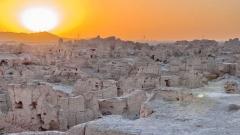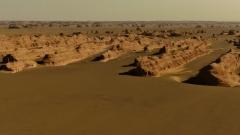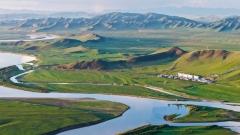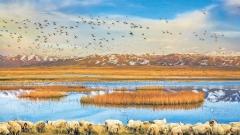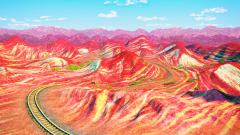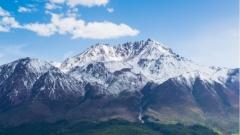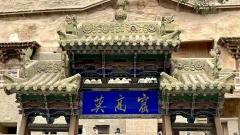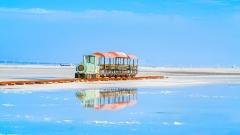

Located in the northeastern part of the Qinghai-Tibet Plateau, Qinghai attracts countless travelers with its stunning natural landscapes and rich cultural heritage. It is home to China’s largest inland saltwater lake—Qinghai Lake, the “Mirror of the Sky” Chaka Salt Lake, and the sacred Tibetan Buddhist site, Kumbum Monastery. Due to its high-altitude location, the climate varies significantly, and Qinghai presents entirely different scenery in each season. In spring, nature awakens; in summer, rapeseed flowers bloom in vast fields; in autumn, the landscape is painted in vibrant colors; and in winter, it is draped in pristine snow. With this detailed seasonal guide, you will surely gain a unique travel experience amidst Qinghai’s magnificent scenery, making this plateau journey an unforgettable memory.
Qinghai Travel Through the Four Seasons
Spring (March–May): A Peaceful Time of Rebirth
Spring marks Qinghai’s transition from winter. During this period, temperatures gradually rise, but the difference between day and night temperatures remains significant. This season sees fewer tourists, making it ideal for travelers who prefer tranquility.
Climate Characteristics:
- Average Temperature: 5°C–15°C
- Weather Features: Windy with little rain, significant day-night temperature differences
- Travel Advantages: Fewer tourists, serene scenic areas
- Precipitation: Monthly average of 30–50 mm
- Sunshine Hours: Daily average of 6–8 hours
Recommended Attractions:
- Qinghai Lake: In early April, the lake begins to thaw, and migratory birds return. This is the best time to observe bird migrations. Dozens of species, such as bar-headed geese and brown-headed gulls, nest and breed here, creating a spectacular bird paradise. From mid-April to early May, you can also witness swans playing on the lake’s surface.
- Kumbum Monastery: The stable spring weather is perfect for in-depth cultural visits. The religious atmosphere is particularly solemn during this time. The monastery’s butter sculptures are preserved at their best in spring, showcasing vibrant colors and exquisite craftsmanship, making them an unmissable cultural treasure.
- Qilian Mountain Grasslands: By May, the grasslands begin to turn green. This is an ideal season for photographing early spring landscapes. Wildflowers bloom, dotting the lush green grasslands like a natural floral carpet.
Festival Activities:
- Saga Dawa Festival: Usually held in April or May, this is an important Tibetan religious festival. During this time, major monasteries hold grand prayer ceremonies and Buddhist activities, with pilgrims circling prayer wheels and performing prostrations, creating a deeply spiritual atmosphere.
- Around Qingming Festival: Local herders hold spring rituals to pray for abundant water, grass, and livestock in the coming year. This is a rare opportunity to learn about traditional Tibetan culture.
Precautions:
- Spring winds are strong, so windproof jackets are essential. Windproof and warm clothing is key for spring travel. It is recommended to bring windproof and thermal underwear.
- Some high-altitude areas may still have snow. Pay special attention to driving safety. It is advisable to choose four-wheel-drive vehicles and carry snow chains.
- Spring air is dry, so moisturizing protection is necessary. Bring lip balm, hand cream, and other skincare products.
Summer (June–August): The Vibrant Peak Travel Season
Summer is undoubtedly Qinghai’s most beautiful season. The climate is cool and pleasant, and the scenery is at its most abundant. This season offers a variety of activities, but it also attracts the most tourists.
- Average Temperature: 15°C–25°C
- Weather Features: Plenty of sunshine, concentrated rainfall
- Travel Advantages: Most beautiful scenery, abundant activities
- Precipitation: Monthly average of 60–80 mm
- UV Intensity: Very strong, sun protection is essential
Recommended Attractions:
- Chaka Salt Lake: With ample summer sunlight, the “Mirror of the Sky” effect is at its best. This is the perfect time to capture reflections. It is recommended to visit in the early morning or late afternoon when the light is soft, and there are fewer tourists, allowing for better photos.
- Menyuan Rapeseed Flower Sea: The flowers reach their peak bloom in early to mid-July. The breathtaking sight of a hundred-mile flower sea is unforgettable. The viewing platform near Yuanshan in Haomen Town offers a panoramic view of the magnificent rapeseed flower fields.
- Hoh Xil: Summer is the most active season for wildlife. Endangered species like Tibetan antelopes and wild yaks can be seen everywhere, making it a golden period for ecological photography.
Festival Activities:
- Tour of Qinghai Lake International Road Cycling Race: Usually held in July, this is Asia’s top cycling event. During the race, the atmosphere along the route is lively, with diverse cultural activities from various ethnic groups.
- Local Horse Racing Festivals: Horse racing events are frequently held on the grasslands in summer, offering an excellent opportunity to experience Tibetan folk culture. The most famous is the Yushu Horse Racing Festival, which features horse racing, archery, singing, and dancing.
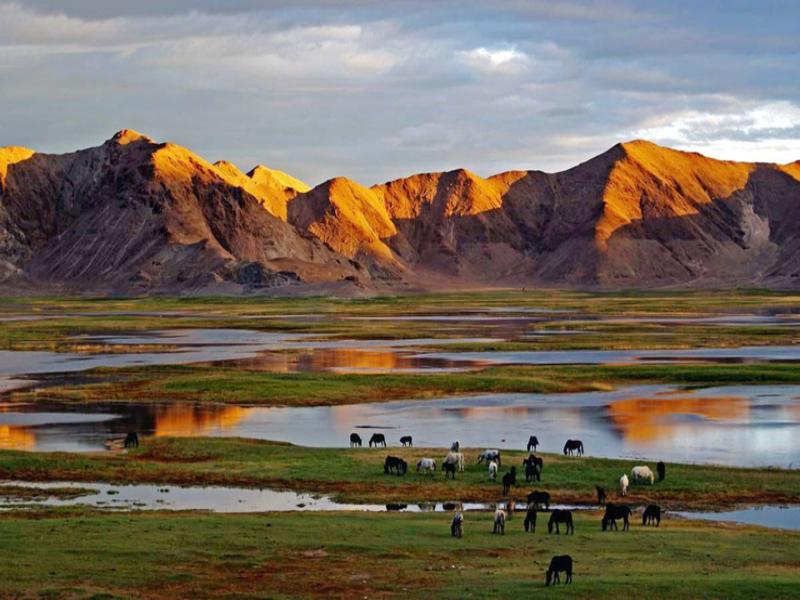
Hoh Xil, a Miracle of Nature
Autumn (September–October): The Golden Season of Vibrant Colors
Autumn is another golden travel season in Qinghai. The climate is stable, and the scenery is rich in layers.
Climate Characteristics:
- Average Temperature: 10°C–20°C
- Weather Features: Clear skies with few clouds, high visibility
- Travel Advantages: Rich layers of scenery, soft lighting
- Precipitation: Significantly reduced, stable weather
Recommended Attractions:
- Hoh Xil: September is the best time to observe Tibetan antelopes, as wildlife is highly active. The antelopes’ fur is at its most beautiful during this season.
- Nianbao Yuzee: The autumn colors complement the snow-capped mountains, making it a paradise for photographers. Although the scenic area is temporarily closed, the surrounding regions still offer enchanting autumn views.
- Qilian County: In autumn, Qilian County is painted in vibrant colors. The poplar forests turn golden, creating a stunning picture with the snow-capped mountains and streams.
Winter (November–February): A Serene World of Snow and Ice
Winter in Qinghai offers a unique charm. With very few tourists and serene, sacred scenery, this season is ideal for travelers seeking unique experiences.
Climate Characteristics:
- Average Temperature: -15°C–5°C
- Weather Features: Cold and dry, little snowfall
- Travel Advantages: Few tourists, discounted prices
- Sunshine Hours: Daily average of 5–7 hours
- Clothing Advice: Dress in layers for easy adjustment
Recommended Attractions:
- Qinghai Lake: In winter, the lake freezes, presenting a spectacular icy landscape. Around January, traditional ice fishing activities are held, offering a chance to experience this unique tradition.
- Chaka Salt Lake: With fewer tourists in winter, the snow-covered salt lake appears even more sacred. The interplay of snowflakes and salt crystals on the ice creates a unique natural wonder.
- Kumbum Monastery: The snow-covered monastery is exceptionally solemn, making it a great time to experience the religious atmosphere. Winter is the season with the most religious ceremonies, offering opportunities to observe rich religious activities.
- Guide Hot Springs: Winter is the best season for hot spring baths. Soaking in 40°C hot springs while temperatures drop below -10°C offers a unique “ice and fire” experience.
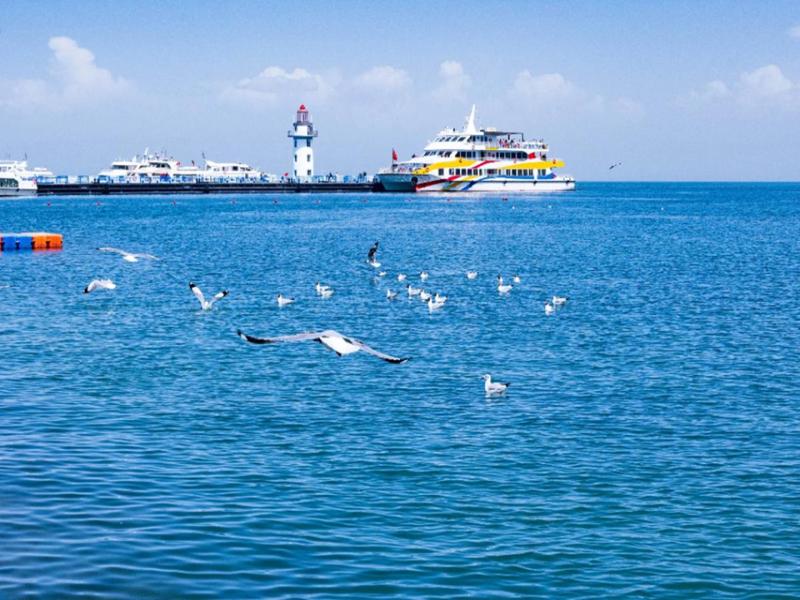
Qinghai Lake, a Must-Visit Destination
Seasonal Cost Analysis for Qinghai Tour
Travel costs in Qinghai vary by season. Understanding these differences helps in planning a reasonable budget. Peak season prices are the highest but offer the most experiences, while off-season prices are the most budget-friendly, though some attractions may have limited access.
Peak Season (June–August):
- Accommodation Costs: Increase by 30%–50%, lakeside rooms at Qinghai Lake can reach 800–1,200 RMB/night
- Transportation Costs: Airfares are highest, chartered car fees from Xining to scenic areas increase by 20%
- Ticket Prices: Remain stable but may require queuing
- Dining Costs: Increase by 15%–25% around scenic areas
Shoulder Season (May, September–October):
- Accommodation Costs: 20% lower than peak season, with no compromise on quality
- Transportation Costs: Moderate prices, frequent discounts on airfares
- Travel Experience: Best value for money, pleasant climate
Off-Season (November–April):
- Accommodation Costs: 50% lower than peak season, with possible room upgrades
- Transportation Costs: Lowest prices, significant savings on self-driving trips
- Travel Experience: Most peaceful, ideal for in-depth exploration
- Special Offers: Many scenic areas offer discounted tickets during this period
Qinghai Travel FAQ
Q1: How to prepare for high-altitude adaptation?
It is recommended to arrive in Xining in advance and stay for 1–2 days to gradually adapt to the high-altitude environment.
Avoid strenuous exercise; gradual adaptation is key. Do not bathe on the first day, maintain a light diet, and drink plenty of water.
Q2: What equipment should I prepare?
Sun protection is essential due to strong UV radiation. It is recommended to bring sunscreen, lip balm, moisturizing spray, etc.
Warm clothing is necessary, as temperatures can drop unexpectedly. Even in summer, bring a down jacket as a backup.
Q3: Any transportation suggestions?
Self-driving: SUVs are recommended, and offline maps should be downloaded in advance.
Chartered Car Services: Choose formal travel agencies and sign formal contracts.
Public Transportation: Check bus schedules in advance and book early during peak season.
Q4: Any health protection tips?
Prepare common medications: cold medicine, gastrointestinal medicine, motion sickness pills, etc.
High-altitude medication: Rhodiola, Plateau An, etc., recommended to take in advance.
First aid supplies: Band-aids, disinfectant wipes, pain relievers, etc.
Qinghai’s four seasons each have their unique charm, and choosing the right season is crucial. As long as you are well-prepared, you can have an unforgettable travel experience in Qinghai at any time. Whether you want to admire the spectacular rapeseed flower sea, experience the purity of the ice and snow world, or capture the vibrant colors of autumn, Qinghai will meet your expectations.
The beauty of Qinghai lies not only in its stunning natural landscapes but also in the tranquility and purity that stays away from the hustle and bustle. We hope this seasonal guide helps you plan a perfect trip to Qinghai, leaving you with precious memories in this magical land.