When traveling to Tibet, altitude sickness is a common issue for most travelers, and medications for altitude sickness are indispensable items in luggage. Choosing and using medications rationally can effectively reduce discomfort caused by altitude sickness and make the journey smoother and safer. This article will detail medications for altitude sickness in Tibet across scenarios from prevention and relief to emergency response, combined with practical medication knowledge and precautions, providing a comprehensive reference for travelers planning to visit Tibet and helping them explore this pure land with peace of mind.
Basics of Altitude Sickness and Therapeutic Medications
Tibet has an average altitude of over 4,000 meters, and the thin air easily causes altitude sickness symptoms such as headaches, palpitations, and nausea, which are more likely to occur in travelers visiting high-altitude areas for the first time. Medications for altitude sickness in Tibet can effectively alleviate discomfort and assist the body in adapting, serving as a necessary guarantee. It is recommended to consult a doctor before traveling to select medications based on personal health conditions and avoid blind medication use.
Such medications are mainly divided into three categories: preventive, relieving, and emergency, each with different usage methods and timings that need to be reasonably planned according to the travel schedule. Preventive medications are taken in advance to adapt to hypoxia, relieving medications address mild discomfort symptomatically, and emergency medications are used for severe cases under medical guidance. Mastering the distinguishing points can better cope with the high-altitude environment and build a solid line of defense for travel safety.
Recommendations for Preventive Medications for Altitude Sickness in Tibet
Prevention is better than cure. Taking appropriate medications in advance before traveling to Tibet can significantly reduce the risk of altitude sickness. Below are several common types of preventive medications for altitude sickness in Tibet for travelers’ reference.
Rhodiola Preparation: A Classic Preventive Medication
- Core Function: As a recognized effective herb for preventing altitude sickness, its extract can improve the body’s hypoxia tolerance and help the body adapt to the high-altitude environment in advance. It is a relatively mild type of medication for altitude sickness in Tibet.
- Common Dosage Forms: Including capsules, oral liquids, etc., with few side effects, suitable for most travelers as a preventive medication.
- Administration Method: It is recommended to start taking it 3-7 days before travel, adhere to the recommended daily dosage, and continue taking it for 3-5 days after arriving in Tibet to consolidate the preventive effect.
- Onset Characteristic: The onset of action is slow, only suitable for the preventive stage, and cannot quickly relieve existing altitude sickness symptoms.
- Contraindicated Groups: Pregnant women, lactating women, and travelers with chronic diseases should consult a doctor before taking to confirm no contraindications.
- Purchase Suggestion: The quality of products on the market varies; it is recommended to choose products produced by regular manufacturers to ensure medication safety.
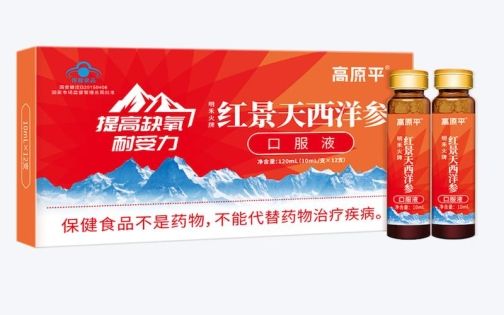
Rhodiola Preparation
Gaoyuan’an Capsule: A Specialized Preventive Medication
- Medication Attribute: Specifically designed for preventing and improving altitude sickness, it is a highly targeted medication for altitude sickness in Tibet.
- Main Ingredients: Contains Chinese herbal medicines such as Rhodiola, Codonopsis, and Angelica, which have the effects of tonifying qi, nourishing blood, and enhancing the body’s hypoxia adaptability.
- Additional Effect: Not only prevents altitude sickness but also relieves mild discomfort caused by altitude sickness to a certain extent.
- Administration Timing: Different from Rhodiola, it is recommended to start taking it 1-2 days before travel and increase the dosage as required after arriving in high-altitude areas.
- Medication Standard: The specific dosage must be strictly followed as per the instruction manual or doctor’s advice, and shall not be adjusted without authorization.
- Side Effect Description: Side effects are mild; a few people may experience slight gastrointestinal discomfort, which can resolve on its own after stopping the medication. Overall, it is suitable for most travelers.
Relieving Medications for Altitude Sickness in Tibet
Even with adequate preventive measures, some travelers may still experience mild altitude sickness symptoms after arriving in Tibet. At this time, it is necessary to promptly use relieving medications for altitude sickness in Tibet to avoid worsening symptoms. Below is an introduction to medications for different symptoms to help travelers use medications symptomatically.
Medications for Headaches
- Symptom Cause: Headache is a common symptom of altitude sickness, mostly caused by cerebral vasodilation due to hypoxia. It is necessary to select medications for altitude sickness in Tibet symptomatically.
- Common Medications: Analgesics containing paracetamol, ibuprofen, etc., such as Bufferin and ibuprofen sustained-release capsules, are commonly used symptomatic medications.
- Medication Advantage: These medications can quickly relieve headache symptoms with fast onset, suitable for emergency use in high-altitude environments.
- Dosage Requirement: Strictly follow the dosage in the instruction manual to avoid liver and kidney damage caused by overdose.
- Auxiliary Care: Ensure adequate rest and sleep after taking the medication, and drink water in small, frequent amounts to help the body recover.
- Contraindication Reminder: Travelers with a history of gastric ulcers or gastrointestinal bleeding should avoid non-steroidal anti-inflammatory drugs such as ibuprofen and consult a doctor for alternative medications.
Medications for Respiratory Discomfort and Nausea
- Medications for Respiratory Discomfort: Aminophylline tablets are a common medication for respiratory symptoms among medications for altitude sickness in Tibet, which can dilate bronchi and improve dyspnea.
- Medication Note: The dosage must be strictly followed as per the instruction manual to avoid side effects such as palpitations and insomnia caused by overdose.
- Applicable Scenarios: Only used to relieve respiratory distress, chest tightness, and other discomfort caused by altitude sickness, and cannot replace first-aid measures such as oxygen supplementation.
- Medications for Nausea and Vomiting: Vitamin B6 tablets can regulate gastrointestinal function and relieve nausea, while Domperidone can promote gastrointestinal motility and improve indigestion and vomiting symptoms.
- Medication Advantage: Both types of medications have few side effects, are easy to carry and use, and are suitable for travelers to keep on hand.
- Medication Contraindication: Domperidone shall not be taken simultaneously with medications such as ketoconazole to avoid drug interactions affecting health.
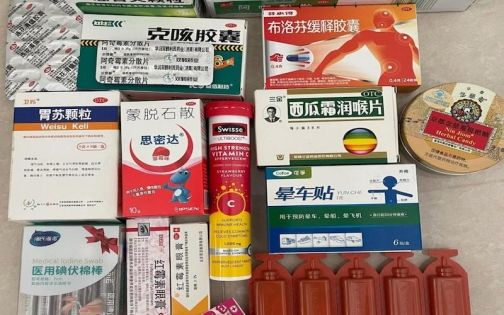
All kinds of essential medicines
Emergency Medications and Principles
A small number of travelers may experience severe altitude sickness symptoms, such as severe headache and vomiting, palpitations and chest tightness, and abnormal blood pressure. At this time, it is necessary to promptly use emergency medications for altitude sickness in Tibet, follow corresponding usage principles, and quickly go to a low-altitude area or seek medical treatment. Such medications carry high risks and must be used strictly under professional guidance; do not take them without authorization.
Dexamethasone: Emergency Medication
- Medication Attribute: A glucocorticoid, it is an emergency-level medication for altitude sickness in Tibet with strong anti-inflammatory and anti-edema effects.
- Applicable Symptoms: Can be used to treat dangerous complications such as pulmonary edema and cerebral edema caused by severe altitude sickness.
- Usage Standard: Must be used under medical guidance; dosage forms include injections and oral preparations, and the dosage and duration of administration must be strictly controlled.
- Side Effect Warning: There are many side effects; long-term or excessive use may cause increased blood pressure, abnormal blood sugar, gastric ulcers, and other problems.
- Usage Restriction: Only for emergency situations, and shall never be used as a regular preventive or relieving medication for altitude sickness.
- Carrying Requirement: A doctor’s prescription must be carried along with the medication, and basic usage methods should be understood in advance to avoid risks caused by misuse.
Nitroglycerin: For Cardiac Discomfort
- Target Group: Mainly used for travelers with a history of heart disease to relieve angina and other symptoms induced by hypoxia in high altitudes, serving as a targeted medication for altitude sickness in Tibet in such scenarios.
- Medication Efficacy: Can quickly dilate coronary arteries, increase myocardial blood supply, with rapid onset, and can promptly relieve cardiac discomfort.
- Administration Method: Must be taken sublingually for rapid absorption; contraindicated in travelers with low blood pressure to prevent further decrease in blood pressure.
- Repeated Medication Principle: If symptoms are not relieved after taking, another tablet can be taken sublingually after 5 minutes; do not take excessively frequently.
- Medical Advice: If symptoms remain unimproved after 3 consecutive doses, seek medical treatment immediately to avoid delaying the condition.
- Travel Suggestion: Travelers with a history of heart disease should inform their doctor before traveling, who will assess travel suitability and adjust the emergency medication plan.
Precautions for Using Medications for Altitude Sickness
Proper use of medications for altitude sickness in Tibet can not only improve the therapeutic effect but also avoid medication risks. Below is a summary of important precautions for such medications that travelers must keep in mind.
Medical Consultation and Contraindicated Groups
- Medical Consultation: It is recommended to carry personal medical records and take the initiative to consult a doctor about medications for altitude sickness in Tibet to ensure the medication matches personal constitution.
- Dosage Formulation: Doctors will tailor the recommended medications and dosage based on factors such as age, health status, and chronic diseases.
- Key Contraindications: Pregnant women, lactating women, children, the elderly, and travelers with underlying diseases must not purchase and take medications without authorization to eliminate medication risks.
Follow Medical Advice to Avoid Improper Dosage
- Medication Principle: Regardless of the type of medication for altitude sickness in Tibet, the instruction manual or doctor’s advice must be followed; do not increase the dosage or extend the administration period without authorization.
- Overdose Hazards: Overdose cannot improve the effect but will increase the body’s burden and cause various side effects.
- Example Reference: Excessive use of Rhodiola may cause diarrhea and abdominal pain, while excessive use of analgesics may damage liver and kidney function.
Combine with Non-Medication Methods
- Medication Positioning: Medications for altitude sickness in Tibet only play an auxiliary role; combining with scientific non-medication methods can enhance the body’s adaptability.
- Action Principle: After arrival, proceed gradually, avoid rapid ascent and strenuous exercise, ensure adequate rest, and reduce body oxygen consumption.
- Dietary Care: Focus on light and easily digestible food, avoid greasy and spicy food, drink water in small, frequent amounts to replenish moisture, and abstain from smoking and alcohol.
- Auxiliary Tools: An oximeter can be carried to monitor blood oxygen saturation; if the value remains low for a long time, supplement oxygen or take medication promptly.
Medication Carrying and Storage
- Carrying Method: Pack medications for altitude sickness in Tibet separately and place them in an easily accessible location to prevent loss and moisture.
- Storage Requirement: Some medications need to be stored away from light and at low temperatures; an insulation bag can be carried for storage to comply with medication storage standards.
- Supporting Preparation: Carry the medication instruction manual for easy reference to dosage and precautions when in doubt.
- Allergy Management: If allergic reactions occur, stop taking the medication immediately and seek medical treatment promptly to avoid worsening symptoms.
Travel Tibet Safely with Scientific Medication
When traveling to Tibet, adequate preparation for altitude sickness is crucial, and medications for altitude sickness are the core link. Travelers need to scientifically select preventive, relieving, and emergency medications based on personal conditions, consult a doctor in advance to avoid medication risks, and take them strictly as required. Meanwhile, combining with reasonable diet, rest, and exercise habits can minimize discomfort caused by altitude sickness and allow travelers to enjoy the magnificent scenery and unique culture of Tibet with peace of mind.
It should be noted that if severe altitude sickness symptoms occur, such as persistent vomiting, dyspnea, and confusion, medications alone cannot resolve the issue. It is necessary to immediately contact local medical institutions or emergency rescue and quickly transfer to a low-altitude area. It is hoped that the medication knowledge and precautions for altitude sickness in Tibet introduced in this article can provide practical reference for travelers, making their Tibet trip safer, more comfortable, and unforgettable.