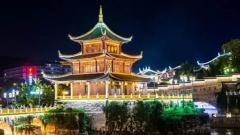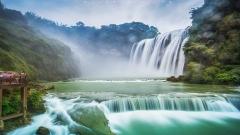

Where is the most beautiful summer in China? The answer is not found in cities, but in regions shaped by mountains, lakes, and forests. While many lowland cities experience extreme heat above 35°C, places such as Xinjiang, western Sichuan, Tibet, Yunnan, and Guizhou remain pleasantly cool, with summer temperatures often ranging between 18°C and 25°C. Crystal-clear lakes, snow-capped peaks, grasslands, and dense forests together create some of the most visually striking summer landscapes in the country. In this guide, we explore China’s most beautiful summer destinations from the perspectives of climate, scenery, and travel experience.
A Summer Travel Guide to Xinjiang
Xinjiang is one of the important summer resort destinations in China. According to the national summer resort tourism routes released by the China Meteorological Administration, the Altay area in Xinjiang is selected for its cool summer climate. The average summer temperature in Altay is 20.9℃, the average maximum temperature is 27.6℃, there are few hot weather days, and the average concentration of negative oxygen ions in the urban area in summer reaches 1874 ions/cm³, suitable for summer resort and leisure. In addition, the summer temperature in Ili, Tianchi Lake of Tianshan Mountains, Kanas and other places is mostly between 16℃ and 22℃, making them ideal choices for summer travel.
Transportation Methods and Expenses
- Arriving in Xinjiang: International tourists can fly to Urumqi Diwopu International Airport, then transfer to domestic flights or trains to various places
- Internal transportation: There are many flights from Urumqi to Yining, Altay, Kashgar and other cities, with ticket prices of about 800 CNY to 1500 CNY in peak season; the high-speed rail ride from Urumqi to Yining takes about 5 hours, and the second-class seat ticket costs about 150 CNY
- Local transportation: The cost of chartering a car is about 500 CNY to 1000 CNY per day, which can be shared by multiple people; car rental for self-driving is about 200 CNY to 500 CNY per day, with fuel costs and tolls to be calculated separately
Accommodation Options and Expenses
- Urban hotels: Budget hotels in cities such as Urumqi and Yining cost about 200 CNY to 400 CNY per night, and mid-range hotels cost about 400 CNY to 800 CNY per night
- Scenic area accommodation: Homestays or resorts in Kanas, Narat, Sayram Lake and other places cost about 500 CNY to 1000 CNY per night in peak season, and it is recommended to book 1 to 2 months in advance
- Characteristic accommodation: Yurts or ger around the scenic spots cost about 200 CNY to 400 CNY per night, suitable for experiencing local customs; the standard room of the hot spring hotel in Xiatang Scenic Area of Zhaosu is about 888 CNY, and the herdsman’s yurt is about 200 CNY to 300 CNY including breakfast and dinner
Tickets and Tourist Activities
- Tianchi Lake of Tianshan Mountains: The combined ticket for admission and shuttle bus is about 155 CNY, the average summer temperature is 16℃, and you can take a cruise to cycle around the lake
- Kanas Scenic Area: The combined ticket for admission and shuttle bus is about 230 CNY, the summer temperature is about 20℃, and the lake water is milky green
- Narat Grassland: The combined ticket for admission and shuttle bus is about 135 CNY, the average summer temperature is 18℃, and you can ride a horse to Snow Lotus Valley
- Sayram Lake: The admission ticket is about 70 CNY, the ring lake highway is 90 kilometers long, and you can rent a bicycle to ride
- Xiatang Scenic Area: The admission ticket is 40 CNY plus the shuttle bus ticket 40 CNY, a total of 80 CNY, and you can hike or ride a horse for sightseeing
- Tianshan Flower Sea Scenic Area: The admission ticket is 60 CNY, the lavender flower sea covers an area of 24,000 mu, and it enters the full bloom period in mid-June
Characteristic Experiences
- Lavender flower sea in Huocheng, Ili: The best viewing period is from mid-June to early July
- Heavenly Horse Culture and Tourism Festival in Zhaosu: Held in July, you can watch ethnic activities such as horse racing and goat grabbing
- Nine Bends and Eighteen Turns in Bayanbulak: You can take photos of the sunset reflection at the viewing platform in the evening
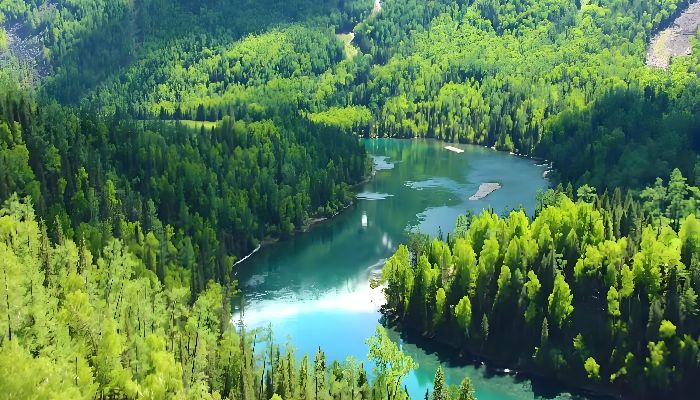
Kanas Lake in Summer
Tibet Travel Guide for Summer
Tibet is located on the Qinghai-Tibet Plateau, with an average summer temperature of 15℃ to 25℃ and a large temperature difference between day and night. Due to its high altitude, Tibet has a cool perceived temperature in summer and is one of the important summer resort travel destinations. Lhasa, Nyingchi, Xigaze and other places have abundant sunshine but low temperatures in the daytime in summer, and you need to wear a coat in the morning and evening. Nyingchi area is known as the “Jiangnan of Tibet”because of its relatively low altitude and dense vegetation, with a humid climate in summer.
Transportation and Costs
- Arriving in Tibet: International tourists can fly to Lhasa Gonggar International Airport, and there are direct flights from major domestic cities such as Chengdu, Chongqing, Beijing and Shanghai, with peak season fares of about 1500 CNY to 3000 CNY.
- Entering Tibet by railway: The hard sleeper fare for the Xining-Lhasa section of the Qinghai-Tibet Railway is about 500 CNY to 800 CNY, the journey takes about 20 hours, and you can enjoy the plateau scenery along the way.
- Local transportation: The starting price of a taxi in Lhasa urban area is about 10 CNY. It is recommended to charter a car to visit scenic areas such as Nam Co and Yamdrok Lake, with a cost of about 800 CNY to 1500 CNY per day, which can be shared by multiple people.
Accommodation Options and Expenses
- Lhasa urban area: Budget hotels cost about 200 CNY to 400 CNY per night, mid-range hotels cost about 400 CNY to 800 CNY per night, and high-end hotels cost about 800 CNY to 1500 CNY per night.
- Nyingchi area: Hotels and homestays cost about 300 CNY to 600 CNY per night in peak season, and there are resorts available in Lulang International Tourism Town.
- Xigaze and Everest area: Urban hotels cost about 300 CNY to 500 CNY per night, and tents or guesthouses near Everest Base Camp cost about 100 CNY to 200 CNY per night with relatively simple conditions.
- Booking suggestions: Accommodation is in short supply during peak season, and it is recommended to book 1 to 2 months in advance.
Tickets and Attractions
- Potala Palace: The peak season ticket is 200 CNY, which needs to be reserved one day in advance, and the visit time is about 1.5 hours.
- Jokhang Temple: The ticket is 85 CNY, located in the center of Barkhor Street in Lhasa, and you can visit Barkhor Street at the same time.
- Nam Co: The ticket plus sightseeing car fare is about 200 CNY, the lake surface is 4718 meters above sea level, and the summer temperature is about 10℃ to 15℃.
- Yamdrok Lake: The ticket is 60 CNY, about 2 hours’ drive from Lhasa, and the lake surface is blue-green.
- Basong Co: The ticket plus sightseeing car fare is about 120 CNY, located in Gongbo’gyamda County of Nyingchi, with clear lake water.
- Yarlung Zangbo Grand Canyon: The ticket plus sightseeing car fare is about 240 CNY, and you can overlook Namcha Barwa Peak from a distance.
Characteristic Experiences
- Kora at Barkhor Street: Experience the local religious culture, and there are Tibetan teahouses on the street to taste butter tea and Tibetan noodles.
- Hiking in Lulang Primitive Forest: A virgin forest landscape in Nyingchi area with humid air in summer.
- Tibetan food: Butter tea, tsampa, Tibetan fragrant pig, yak meat hot pot, etc., with a per capita consumption of about 50 CNY to 100 CNY.
Plateau Protection Tips
- Lhasa is 3650 meters above sea level, and it is recommended to avoid strenuous exercise, bathing and drinking alcohol on the first day of arrival.
- Prepare medicines such as rhodiola rosea and ibuprofen to relieve altitude sickness.
- An oxygen cylinder costs about 30 CNY to buy in the urban area, and the price is higher in the scenic areas.
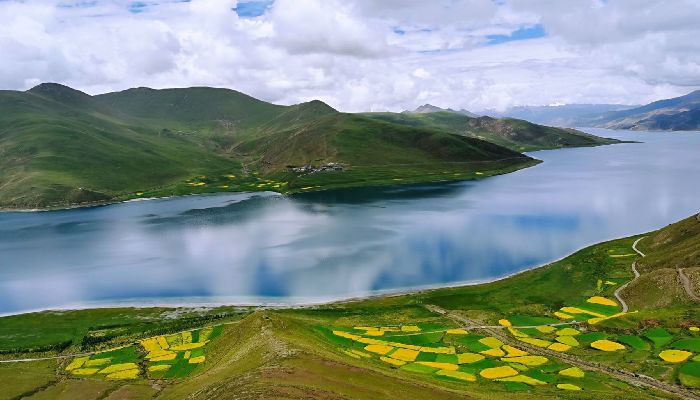
Yamdrok Lake in Summer
Dali to Shangri-La Loop in Yunnan
Yunnan’s Greater Western Yunnan Tourism Loop connects cities such as Dali, Lijiang and Shangri-La, with an average summer temperature of 18℃ to 22℃. The landscapes along the way include lakes, snow-capped mountains and ancient towns, where you can experience the breeze of Erhai Lake, the coolness of the ancient towns and the fresh air of the plateau at the same time.
Transportation Methods and Costs
The transportation in Yunnan Province is convenient. You can fly to Kunming Changshui International Airport, then transfer to a high-speed rail to Dali for about 2 hours with a second-class seat ticket of 145 CNY, or to Lijiang for about 3 hours with a second-class seat ticket of 220 CNY. The high-speed rail ride from Dali to Lijiang takes about 1.5 hours with a ticket of about 80 CNY.
- International flight and high-speed rail combination: Kunming is a transfer hub with many flight options and a high-speed rail network covering the whole province
- Intra-provincial transportation: There are frequent high-speed rail trains between Dali and Lijiang
- Local transportation: You can walk in Dali Ancient Town and Lijiang Ancient Town, and you can charter a car or take a tourist shuttle bus to nearby scenic spots
Accommodation Options and Expenses
Inns in Dali Ancient Town and Lijiang Ancient Town cost between 300 CNY and 800 CNY per night in peak season. The price of hotels outside the ancient towns is about 20% to 30% cheaper.
- Ancient town inns: 300 CNY to 600 CNY per night, experience the local customs
- Homestays by Erhai Lake or Lugu Lake: 500 CNY to 1,000 CNY per night, with good landscapes
- Budget hotels: 150 CNY to 300 CNY per night
Tickets and Tourist Activities
You can enter Dali Ancient Town and Lijiang Ancient Town for free, but you need to buy tickets for core scenic spots such as Jade Dragon Snow Mountain and Pudacuo National Park.
- Erhai Lake cycling in Dali: free, renting a bicycle costs about 30 CNY to 50 CNY per day
- Lijiang Ancient Town maintenance fee: 50 CNY, which is required for entry to some areas
- Jade Dragon Snow Mountain: the entrance fee is 100 CNY, and the large cable car ticket is an additional 140 CNY. The Glacier Park is at an altitude of 4,680 meters, and the temperature at the top is about 5℃ in August, so a thin down jacket is a must
- Pudacuo National Park: the combined ticket for entrance and sightseeing bus is about 100 CNY
- Plateau protection tips: Lijiang is at an altitude of about 2,400 meters, so it is recommended to prepare Rhodiola rosea and other medicines in advance. An oxygen cylinder costs about 30 CNY in the urban area, and the price is higher in the scenic area.
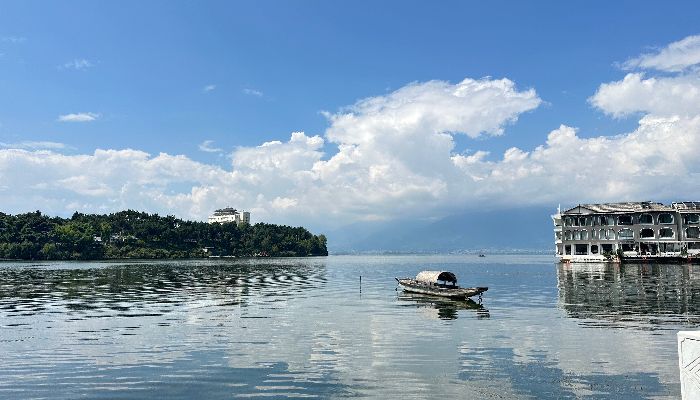
Erhai Lake in Yunnan in Summer
Travel Guide to Liupanshui, Guizhou in Summer
Liupanshui is located in the Wumeng Mountain Area in western Guizhou, with an altitude of 1,700 to 1,900 meters, and is awarded the title of “China’s Cool City”by the Chinese Meteorological Society. The average summer temperature here is 19.6℃, and the extreme high temperature rarely exceeds 30℃. Tourists coming from low-altitude areas will feel obviously cool here, and need to wear a thin coat when going out in the morning and evening.
Transportation Methods and Costs
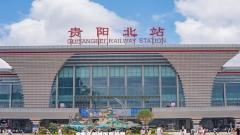
To get to Liupanshui, you can first fly to Guiyang Longdongbao International Airport, then transfer to a high-speed rail. The high-speed rail ride from Guiyang North Station to Liupanshui Station takes about 1.5 hours, and the second-class seat ticket is about 100 CNY. You can fly directly to Liupanshui Yuezhao Airport from other cities in China, but the flight options are relatively limited.
- Air and high-speed rail combination: It is a relatively convenient choice to transfer to a high-speed rail after arriving in Guiyang by international flight
- Local transportation: The public transportation in Liupanshui urban area is complete, and there are tourist shuttle buses to scenic spots such as Wumeng Grassland and Wild Jade Sea, with fares ranging from 10 CNY to 30 CNY. If the number of people is suitable, the cost of chartering a car for a day is about 400 CNY to 600 CNY
Accommodation Options and Expenses
Budget hotels in Liupanshui urban area cost about 200 CNY to 400 CNY per night. Homestays or hotels in the Wild Jade Sea National Tourist Resort cost about 500 CNY to 800 CNY per night in peak season. If you plan to watch the sunrise at Wumeng Grassland, you can choose tents or yurts on the grassland, with prices ranging from 150 CNY to 300 CNY, and you can stargaze at night.
- Urban budget type: 150 CNY to 300 CNY per night, with convenient transportation and dining
- Scenic area comfortable type: 400 CNY to 700 CNY per night, with views from the window
- Grassland characteristic accommodation: 150 CNY to 300 CNY per night, suitable for stargazing and watching the sunrise
Tickets and Tourist Activities
The main scenic spots in Liupanshui include Wumeng Grassland, Wild Jade Sea International Tourist Resort and Plum Blossom Mountain Tourist Scenic Area.
- The ticket for Wumeng Grassland is 30 CNY. It is one of the highest grasslands in Guizhou, where you can experience horse riding for about 50 CNY per hour, and you can also drive into the scenic area by yourself
- The combined ticket for Wild Jade Sea International Tourist Resort and forest small train is about 80 CNY. Haiping Yi Town is quite lively during the Torch Festival on the 24th day of the sixth lunar month
- The entrance ticket for Plum Blossom Mountain Tourist Scenic Area is free, and the one-way cable car ticket is 88 CNY. This cable car is one of the world’s longest mountain cable cars of the same type, from which you can overlook the whole city
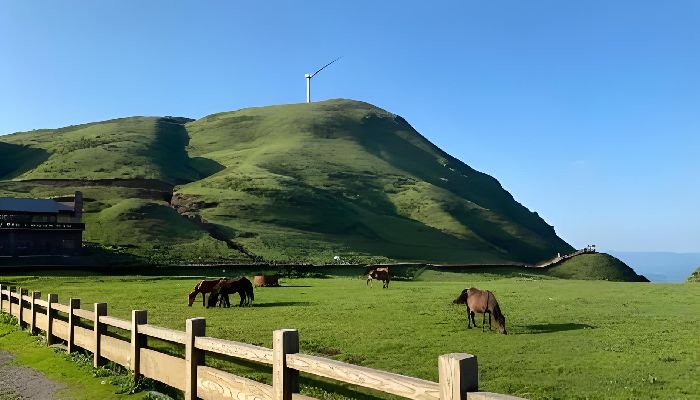
Wumeng Grassland in Liupanshui, Guizhou in Summer
Travel Guide to Arxan, Inner Mongolia in Summer
Arxan is located at the junction of Inner Mongolia and Mongolia, with an average summer temperature of about 19℃ and a forest coverage rate of more than 80%. There are vast forest seas and volcanic landforms here, volcanic Tianchi Lakes are scattered among the mountains, and the fumarole discs and lava tunnels in Stone Trough Forest are unique geological landscapes. The concentration of negative oxygen ions here is relatively high, making it a natural oxygen bar.
Transportation Methods and Costs
To get to Arxan, you can fly to Arxan Yiershi Airport, with direct flights from Beijing, Hohhot and other cities. You can also first fly to Ulanhot, then transfer to a train or coach, the hard sleeper ticket of the train is about 100 CNY to 150 CNY, and the ride takes about 4 to 5 hours.
- Flights: It is recommended to book in advance in peak season
- Trains: There is a direct K7565 train from Shenyang to Arxan, departing at night and arriving the next morning
- Local transportation: It is recommended to charter a car from Arxan urban area to the forest park, with a cost of about 400 CNY to 600 CNY per day, and the cost can be shared by carpooling
Accommodation Options and Expenses
Hotels in Arxan urban area cost about 300 CNY to 600 CNY per night in peak season. Homestays in the scenic area cost about 400 CNY to 800 CNY per night. For in-depth travel, you can consider staying at Tianchi Service Area or Xing’an Service Area.
- Urban hotels: 300 CNY to 500 CNY per night, with complete facilities and convenient dining
- Homestays in the scenic area: 400 CNY to 700 CNY per night, convenient for sightseeing
- Family hotels: 100 CNY to 200 CNY per night, simple but clean conditions
Tickets and Tourist Activities
The combined ticket for Arxan National Forest Park and sightseeing bus in peak season is about 285 CNY, valid for two days. The main scenic spots include Tuofeng Ridge Tianchi, Three Pools Gorge, Stone Trough Forest and Azalea Lake, all connected by plank roads.
- Tuofeng Ridge Tianchi: It takes about 30 minutes to hike to the top, from which you can overlook the whole view of the volcanic crater lake
- Three Pools Gorge: The stream water is clear, and you can wade in the water in summer
- Antler Bay Hot Spring Camp: Hot springs in the forest, which can also be experienced in summer
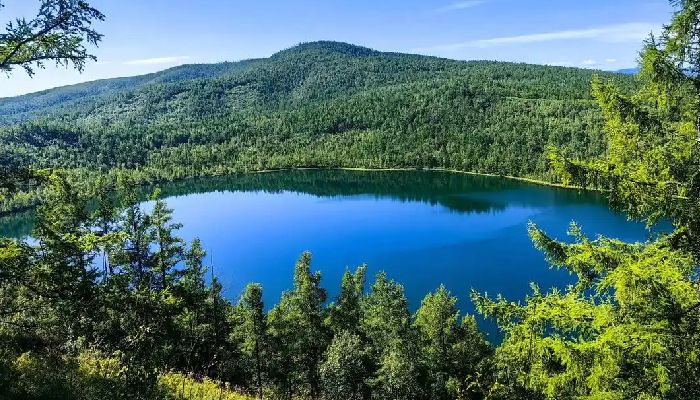
Arxan Tianchi Lake in Summer
Western Sichuan Travel Guide for Summer
Western Sichuan is located on the eastern edge of the Qinghai-Tibet Plateau, with alpine, canyon and grassland terrain as the main features, and an average summer temperature of 15℃ to 25℃, making it an important summer resort destination in Sichuan Province. According to the national summer resort tourism routes released by the China Meteorological Administration, the “Tianfu Westbound · Snow Mountain Scenery”route and the “Sichuan-Gansu Cloud Pastoral Cool Ancient Road”route are both located in Western Sichuan, covering Four Girls Mountain, Dujiangyan, Kangding, Maoxian, Ruoergai and other places. Western Sichuan has a cool climate in summer with a large temperature difference between day and night, abundant sunshine but low temperatures in the daytime, and you need to wear a coat in the morning and evening.
Transportation and Costs
- Arriving in Chengdu: International tourists can fly to Chengdu Shuangliu International Airport or Chengdu Tianfu International Airport, and Chengdu is the main transfer city to enter Western Sichuan.
- Going to Western Sichuan: From Chengdu, you can take a tourist bus or charter a car to Four Girls Mountain, Kangding, Xinduqiao and other places. The bus fare is about 100 CNY to 200 CNY, and the cost of chartering a car is about 600 CNY to 1000 CNY per day, which can be shared by multiple people.
- Internal transportation: There are sightseeing buses in the Shuangqiao Gully of Four Girls Mountain Scenic Area (the ticket including the bus fare is about 150 CNY), and you can hike or ride a horse in Changping Gully; some road sections in Western Sichuan have complex road conditions, so pay attention to rockfalls in the rainy season.
- Self-driving tips: Car rental for self-driving is about 300 CNY to 600 CNY per day, pay attention to altitude changes and road conditions, and some scenic area roads have traffic restrictions.
Accommodation Options and Expenses
- Four Girls Mountain area: The standard room of inns in Rilong Town costs about 80 CNY to 150 CNY, and it is necessary to book in advance in peak season; homestays near Shuangqiao Gully cost about 200 CNY to 400 CNY.
- Xinduqiao area: Tibetan homestays cost about 150 CNY to 300 CNY per night, and some hotels provide oxygen-supplied rooms.
- Kangding urban area: Hotels cost about 200 CNY to 500 CNY per night, the price fluctuates greatly in peak season, and it is recommended to book in advance.
- Characteristic accommodation: You can experience the customs of the Jiarong Tibetan Ethnic Group in the homestays of Zhonglu Tibetan Village in Danba, with a price of about 150 CNY to 300 CNY per night; you can stay in herdsmen’s tents or gers on the Ruoergai Grassland, with a price of about 150 CNY to 300 CNY per night.
Tickets and Attractions
- Shuangqiao Gully of Four Girls Mountain: The ticket plus sightseeing car fare is about 150 CNY, you can take the sightseeing car to visit the sequoia forest, Potala Peak, Siguniangna Lake and other scenic spots, and the whole tour takes about 4 to 5 hours.
- Changping Gully of Four Girls Mountain: The ticket is about 90 CNY (including the sightseeing car fare), you can hike or ride a horse to visit the virgin forest, horse riding round trip to Dead Tree Beach is about 100 CNY, and to Muluozi is about 300 CNY.
- Hailuogou: The ticket plus sightseeing car fare is about 160 CNY, you can watch the modern maritime glacier at low altitude, and the summer temperature is about 15℃ to 20℃.
- Inkstone Park: The ticket plus sightseeing car fare is about 80 CNY, with unique black stone forest landscapes in the scenic area, suitable for taking photos.
- Dujiangyan Scenic Area: The ticket is 80 CNY, you can visit the millennium water conservancy project, about 1 hour’s drive from Chengdu.
- Ruoergai Flower Lake: The ticket plus sightseeing car fare is about 100 CNY, the grassland flower sea is in full bloom in summer, and you can watch black-necked cranes.
- Hongyuan Moon Bay: The ticket is about 50 CNY, a grassland wetland landscape, with the Gaqu River winding in an S shape.
- Jiuding Mountain Scenic Area: The ticket is about 70 CNY, located in Maoxian, with alpine meadows covered with wild flowers in summer, at an altitude of about 1500 meters to 4900 meters.
Characteristic Experiences
- Genie South Line crossing: You can face Genie Holy Mountain directly in Zeba Village, stay in a Tibetan home to taste butter tea, and watch the starry sky at night.
- Tagong Grassland: Overlook Yala Snow Mountain, horse riding experience is about 50 CNY per hour, and the grassland is open for free all day.
- Jiaju Tibetan Village or Zhonglu Tibetan Village in Danba: Visit the watchtowers of the Jiarong Tibetan Ethnic Group, and taste pickled cabbage noodle cakes and yak meat hot pot.
- Ancient Qiang City in Maoxian: The ticket is about 58 CNY, you can wear Qiang ethnic costumes to take photos and experience Qiang ethnic culture.
Plateau Protection Tips
- Most areas in Western Sichuan are 2500 meters to 4000 meters above sea level, and it is recommended to avoid strenuous exercise, bathing and drinking alcohol on the first day of arrival.
- Prepare medicines such as rhodiola rosea and ibuprofen to relieve altitude sickness.
- Adopt the onion dressing method for clothes: quick-dry shirt for the inner layer, fleece or light down jacket for the middle layer, and windproof jacket for the outer layer.
- An oxygen cylinder costs about 30 CNY to buy in the urban areas of Chengdu or Kangding, and the price is higher in the scenic areas.
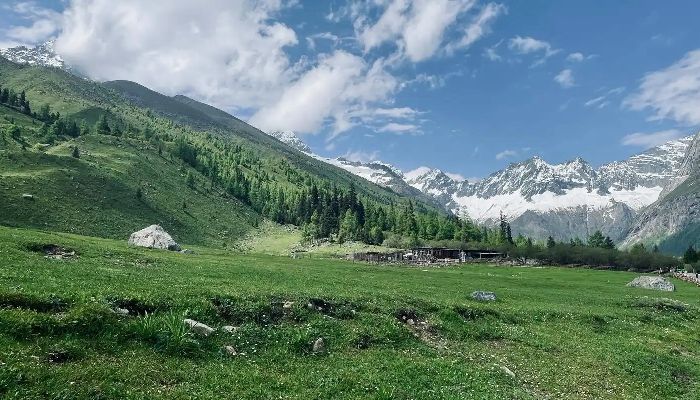
Shuangqiao Gully of Four Girls Mountain in Summer
Budget Planning for China Summer Travel
The cost of a summer vacation trip in China mainly consists of long-distance transportation, accommodation, catering, tickets and local transportation. The following budget references are calculated in RMB.
Long-Distance Transportation
The cost of international round-trip flights varies by departure place, and it is recommended to book 2 to 3 months in advance. Discounts are available for domestic high-speed rail tickets and air tickets booked in advance.
- International round-trip: subject to the departure place
- Domestic high-speed rail: the ticket price between major cities is about 200 CNY to 500 CNY
- Domestic flights: the ticket price in peak season is about 1,000 CNY to 2,000 CNY
Accommodation
Accommodation costs can be controlled between 300 CNY and 800 CNY per day according to comfort requirements.
- Budget type: 150 CNY to 300 CNY per night
- Comfort type: 400 CNY to 600 CNY per night
- Characteristic type: 700 CNY to 1,000 CNY per night
Catering and Tickets
Catering costs about 100 CNY to 200 CNY per day. The price references for local characteristic catering are as follows:
- Liupanshui Shuicheng Roasted Pot, about 40 CNY per capita; Rice Noodles with Mutton, about 10 CNY per serving
- Arxan Hand-Held Meat and Roasted Lamb Shank, about 80 CNY to 120 CNY per capita
- Yunnan Cross-Bridge Rice Noodles and Spare Rib Hot Pot with Cured Meat, about 50 CNY to 100 CNY per capita
- Daliang Mountains Yi Tuotuo Meat and Pickled Cabbage Soup, about 30 CNY to 50 CNY per capita
For tickets, if you mainly visit natural scenic spots, the total ticket cost is about 500 CNY to 1,000 CNY. Some scenic spots offer discounts in off-season.
Money-Saving Tips:
- Some scenic spots provide combined tickets, which are more cost-effective than separate purchases
- Restaurants near universities or residential areas have lower prices
- Bring your own water cup to reduce the purchase of drinking water in scenic spots
Pre-Trip Preparation and Practical Suggestions
The following pre-trip suggestions are for reference.
Document Preparation
- Ensure that the passport is valid for more than 6 months
- Learn about China’s visa policy in advance and prepare the required materials
- Some scenic spots have special regulations for international tourists, so it is recommended to consult in advance
Clothing Preparation
- The temperature difference between morning and evening is large in summer resort areas, so it is recommended to bring a thin coat or a jacket
- The ultraviolet radiation is strong in mountainous or plateau areas, so you need to prepare sunscreen, a sun hat and sunglasses
- Comfortable hiking shoes are a must
Health Preparation
- For trips to areas above 2,500 meters above sea level such as Lijiang and Shangri-La, it is recommended to learn about altitude sickness in advance
- Avoid taking a bath and drinking alcohol on the first day of arrival, and prepare ibuprofen and other medicines to relieve headaches
- Prepare common medicines such as cold medicine, gastrointestinal medicine and band-aids
Payment and Communication
- Mobile payment is supported in most cities in China, so it is recommended to learn about the usage method in advance
- Carry a small amount of cash for emergencies
- You can buy a local mobile phone card after arrival for convenient internet access and communication
The Most Beautiful Summer in China Depends on Where You Stand in Nature
From a landscape perspective, China’s most beautiful summer can often be found in three types of regions: the lakes and grasslands of Xinjiang such as Kanas and Ili, the high-altitude plateaus of western Sichuan and Tibet like Siguniang Mountain and Namtso, and the lush mountain regions of Yunnan and Guizhou such as Dali and Liupanshui. Together, they form a diverse map of China’s summer beauty.
However, “the most beautiful” is ultimately subjective. Some travelers are drawn to snow mountains and highland reflections, others prefer lakeside breezes and open grasslands, while some enjoy the slow rhythm of forest towns and ancient cities. Once you step into these landscapes, summer is no longer just a season of heat—it becomes a completely different way of experiencing nature and time.