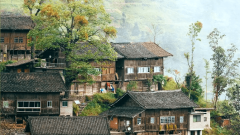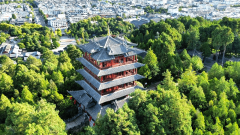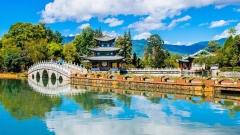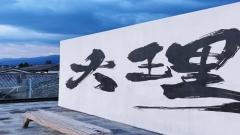

Yunnan is in southwest China, a desirable travel destination for many. It has a mild climate, ideal for travel most of the year, with diverse natural landscapes from snow-capped mountains and lakes to tropical rainforests, plus a rich ethnic minority culture. First-time visitors planning a Yunnan trip often ask: which Yunnan tourist cities to choose, what the approximate budget is, how convenient it is to fly here from abroad, and how to apply for a visa? Starting from these practical questions, this article introduces several worthwhile Yunnan cities to visit and provides practical budget, accommodation and transportation info to help readers plan their trips better.
Practical Preparations Before Traveling to Yunnan’s Tourist Cities
Before introducing each tourist city in Yunnan in detail, there are several preparations worth knowing in advance.
How to Apply for a Visa
Foreign tourists need a Chinese visa to visit Yunnan. If you are from a country that applies to the visa-free transit policy, you can choose the 240-hour visa-free transit – entering China through Kunming Changshui International Airport, Lijiang Sanyi Airport or Mohan Railway Port, you can stay visa-free in the administrative areas of 9 cities and prefectures including Kunming, Lijiang, Dali, Yuxi, Puer, Chuxiong, Xishuangbanna, Honghe and Wenshan. If you plan to stay for a longer time, you need to apply for a Tourist Visa (L Visa) in advance at the Chinese embassy or consulate in your departure place. For the application, you need to prepare a passport with a validity of more than 6 months, a visa application form, photos, flight booking information and hotel reservations, which can usually be completed in 4 to 5 working days.
Best Seasons for a Visit
Yunnan is accessible for travel all year round, and different seasons are suitable for different destinations:
- Spring (March to May): Rape flowers are in full bloom in Luoping, and jacarandas are in bloom in Kunming
- Summer (June to August): Lijiang and Shangri-La have a cool temperature, making them great summer resorts, and it is also the season when wild mushrooms are abundant
- Autumn (September to November): Ginkgo leaves turn yellow in Tengchong Ginkgo Village, and Yuanyang Rice Terraces start to be filled with water, boasting beautiful scenery
- Winter (December to February): Xishuangbanna has a warm climate, and a large number of black-headed gulls overwinter at Dianchi Lake in Kunming
Items to Bring
There is a large temperature difference between morning and evening in various parts of Yunnan, and some areas have a high altitude. Sun protection products are a must – hats, sunglasses and high-factor sunscreen all need to be packed. It is recommended to dress in layers for clothing – wear sweat-wicking and breathable clothes for the inner layer, add a fleece or thin sweater in the middle, and prepare a windproof coat for the outer layer. If you plan to go to high-altitude areas such as Shangri-La, you need to bring a thick coat. Shoes should be comfortable and suitable for long walks, as there are many stone-paved roads in the ancient cities and you will walk for a long time.
Kunming: Daily Life in the Spring City
Kunming is the first stop for most tourists entering Yunnan. This city is like spring all year round, and it is worth arranging one or two days even for a short stay.
Cuihu Park
Cuihu Park is located in the center of Kunming and is a place for locals to walk and relax daily. Every winter, a large number of black-headed gulls fly here from Siberia to overwinter, creating a lively scene by the lake. On usual days, you can see locals singing flower lanterns and playing chess in the park, with a strong sense of life. There are also historical buildings such as the Yunnan Military Academy around Cuihu Park, and tourists interested in history can visit there.
Wenlin Street
Phoenix trees are planted on both sides of Wenlin Street near Cuihu Park, with many cafes and independent bookstores along the street. You can choose a cafe to sit down, taste Yunnan small-grain coffee, read or rest. This street was a place where teachers and students of the National Southwest Associated University took activities during the Chinese War of Resistance against Japanese Aggression, with a strong cultural atmosphere.
Kunming Old Street
Old streets such as Wenming Street and Guanghua Street retain the style of traditional Kunming city – wooden structure houses, rice noodle shops and shoemaker craftsmen. Walking on these streets, you can see the daily life scenes of old Kunming, and sometimes find some distinctive handcrafts.
Stone Forest
It takes about more than an hour by car from downtown Kunming to reach the Stone Forest. As a world natural heritage, the Stone Forest has dense distribution of stone pillars formed by karst landform with various shapes. The scenic area is large, and you can take a battery car for a visit.
Accommodation Options
The area around Cuihu Park in the city center has convenient transportation and a rich selection of catering, with budget hotels costing about 200 to 300 CNY per night. The area near the railway station is suitable for tourists who need to transfer, with prices slightly lower than the city center.
Catering Recommendations
For breakfast, you can choose crossing-the-bridge rice noodles or tofu pudding rice noodles, about 20 CNY. For lunch and dinner, you can try steamed chicken in bamboo steamer or wild mushroom hot pot (when traveling in the rainy season), about 50 to 80 CNY per person.
Dali: Slow Rhythm around Erhai Lake
It takes about more than two hours by bullet train from Kunming to Dali. Dali is loved by many tourists for its open natural scenery and leisurely atmosphere.
Erhai Lake Loop Tour
Erhai Lake is the second largest plateau lake in Yunnan, with a loop of about 120 kilometers around the lake. You can rent a bicycle or an electric bike to ride along the lake, passing through Xizhou Ancient Town, Shuanglang Town, Wase Town and other places. Xizhou Ancient Town retains a large number of traditional residential buildings of the Bai Ethnic Group, and the corner tower is a local landmark building. There are many lake-view cafes in Shuanglang Town, where you can enjoy the scenery of Cang Mountain and Erhai Lake by the window.
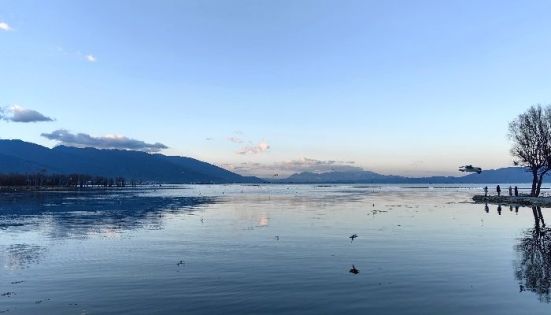
Dali Erhai Lake
Dali Ancient City: Dali Ancient City is quieter than Lijiang Ancient City. There are many characteristic shops, independent bookstores and bars on Renmin Road. Tourists can walk around freely, go into the shops that interest them, and rest by the road when tired.
Cang Mountain: You can take a cable car up to Cang Mountain. The Jade Belt Road on the mountain is located on the mountainside, and walking a section of it allows you to overlook Erhai Lake and Dali Ancient City with a broad view. The temperature on the mountain is lower than that at the foot, so you need to bring a coat.
Weishan Ancient Town: It takes about 1.5 hours by bullet train from Dali to Weishan. Weishan is the birthplace of the Ancient Nanzhao Kingdom, the Gongchen Tower in the ancient town is a Ming-dynasty building, and the stone-paved roads of Yuehua Street have a long history. The local prices are low, braised pork rice noodles are about 8 CNY a bowl, batik handkerchiefs are about 20 CNY a piece, and homestays in old courtyards cost about 150 CNY per night.
Accommodation Options: Dali Ancient City has convenient transportation, with budget homestays costing about 200 to 400 CNY per night. Accommodation by Erhai Lake has a better view with a higher price. Accommodation in Xizhou and Shuanglang has more local characteristics, with prices varying according to location and conditions.
Catering Recommendations: Boiled fish with pickled cabbage and chili, milk fan and Erhai Lake fish are the characteristic dishes of Dali. There are many small restaurants on Renmin Road, about 30 to 50 CNY per person.
Lijiang: Diverse Options beyond the Ancient City
Lijiang is the first impression of Yunnan for many tourists. The Big Waterwheel and Sifang Street in Lijiang Ancient City are classic scenic spots, but Lijiang has more to offer for sightseeing.
Ways to Visit Lijiang Ancient City
Lijiang Ancient City is large in area with many tourists during the day. It is recommended to go there early in the morning, when the stone-paved roads are shining in the morning light, the shops are not yet open, and you can hear locals talking in the Naxi language. In the evening, you can choose a quiet pub and listen to folk songs.
Shuhe Ancient Town
Shuhe Ancient Town is located in the northwest of Lijiang Ancient City, with a similar layout to Lijiang Ancient City but fewer tourists and clearer water flow. Tourists who like quietness can choose to stay here, and the accommodation prices in Shuhe Ancient Town are usually slightly lower than the core area of Lijiang Ancient City.
Jade Dragon Snow Mountain
It takes about an hour by car from Lijiang Ancient City to reach Jade Dragon Snow Mountain. You need to pay attention to the weather and cable car ticket availability when going to the snow mountain, and the tickets for the big cable car are in short supply during the peak season. If you don’t want to take the cable car or the tickets are tight, you can go to Blue Moon Valley at the foot of the mountain, where the lake water is blue-green with the snow mountain as the background, suitable for taking photos.
Accommodation Options
Staying in Lijiang Ancient City offers a strong experience, with budget homestays costing about 200 CNY in the off-season and 300 to 500 CNY in the peak season. The prices of chain hotels outside the ancient city are about 20% to 30% lower than those inside. Shuhe Ancient Town has a quiet environment with prices similar to Lijiang Ancient City.
Catering Recommendations
Cured rib hot pot, chickpea jelly and Naxi grilled fish are the characteristic dishes of Lijiang. There are many snack bars in the ancient city where you can taste food while walking around.
Shangri-La: Tibetan Style on the Plateau
Driving northwest from Lijiang, the altitude gradually rises to reach Shangri-La. It is the city with the strongest Tibetan style among Yunnan’s tourist cities.
Dukezong Ancient City
Dukezong Ancient City is one of the well-preserved Tibetan residential complexes in China. Next to the Moonlight Square in the center of the ancient city is Guishan Park, where there is a large prayer wheel in the park that requires the joint effort of many people to turn. In the evening, the setting sun dyes the ancient city golden, presenting a beautiful scenery.
Songzanlin Monastery
Songzanlin Monastery is the largest Tibetan Buddhism monastery in Yunnan, built against the mountain and looks similar to the Potala Palace from a distance. The monastery buildings are resplendent and magnificent, with numerous Buddha statues and murals inside. It is recommended to hire a commentator to better understand the culture of Tibetan Buddhism.
Pudacuo National Park
Pudacuo National Park is about half an hour’s drive from downtown Shangri-La and is the first national park in China. The park has lakes, wetlands, forests and meadows, with azaleas in bloom in spring and summer, and the vegetation turning golden in autumn. There are plank roads built in the park, where you can hike or take a sightseeing bus for a visit. The park is about 3,500 meters above sea level, so you should slow down when walking.
Notes on Altitude Sickness
Shangri-La is about 3,200 meters above sea level, and most people only have mild discomfort. Avoid strenuous exercise after arrival, and it is not recommended to take a hot bath on the first day. You can prepare some common medicines in advance.
Accommodation Options
It is recommended to choose hotels with oxygen supply or floor heating, as the night temperature is low. Budget hotels cost about 250 to 400 CNY per night, and mid-to-high-end oxygen supply hotels cost about 600 to 1,000 CNY per night. Some hotels close in winter, so you need to confirm before traveling.
Xishuangbanna: Tropical Rainforests and Dai Culture
Xishuangbanna is located in the south of Yunnan, with a tropical climate, dense tropical rainforests and a strong Dai ethnic culture.
Gaozhuang Xishuangjing
Gaozhuang Xishuangjing is a lively area in Xishuangbanna, and the Starlight Night Market at night has a variety of Dai-style snacks, handcrafts and ethnic costumes. The Great Golden Pagoda is striking after being lit up at night.
Xishuangbanna Tropical Botanical Garden, Chinese Academy of Sciences
This is the largest tropical botanical garden in China with a rich variety of plants. You can take a battery car for a tour or visit on foot. Tourists interested in plants can stay here for a long time.

Xishuangbanna Tropical Rainforest
Wild Elephant Valley
There is a chance to see wild Asian elephants in the Wild Elephant Valley Scenic Area. Plank roads are built in the scenic area, with elephant shows and rescue centers available, where you can learn about the relevant information of Asian elephant protection.
Best Time to Visit
November to May of the next year is the best travel season for Xishuangbanna every year. The Water-Splashing Festival in April is the grandest folk custom activity of the local people.
Accommodation Options
Accommodation around Gaozhuang Xishuangjing is convenient with a wide selection of catering and shopping. Budget hotels cost about 150 to 250 CNY per night in the off-season.
Catering Recommendations
Pineapple rice, Dai-style barbecue and lemongrass grilled fish are the characteristic dishes of Xishuangbanna with a sour and spicy taste. There are many snack stalls in the night market.
Tengchong: Hot Springs and Ginkgoes in Autumn
Tengchong is located in the west of Yunnan, near the border with Myanmar. It is famous for its volcanic hot springs and ginkgoes in autumn in Ginkgo Village.
Heshun Ancient Town
Heshun Ancient Town is an overseas Chinese hometown, retaining a large number of buildings from the Ming and Qing dynasties. There are many historical buildings such as laundry pavilions, ancestral halls and libraries in the ancient town, with a strong sense of life.
Rehai Hot Spring
Tengchong is rich in geothermal resources, with many hot springs and fumaroles in the Rehai Scenic Area. You can soak in the hot springs in the scenic area, and the Big Boiling Pot is a landmark attraction with a water temperature of about more than 90 degrees Celsius, where you can boil eggs.
Ginkgo Village
From mid-November to early December every year, the ginkgo leaves in Ginkgo Village turn yellow, and the whole village is covered with golden color. There are many tourists during the peak season, so it is recommended to go early.
Accommodation Options
Homestays in Heshun Ancient Town cost about 200 to 500 CNY per night with a quiet environment. There are many accommodation options in the urban area with more affordable prices.
Honghe: Rice Terrace Scenery and Ancient City Charm
Honghe Prefecture is located in the south of Yunnan, with Yuanyang Rice Terraces as its main landscape, in addition to scenic spots such as Jianshui Ancient City and Bisezhai in Mengzi.
Yuanyang Rice Terraces
Yuanyang Rice Terraces is a world cultural heritage. When filled with water, the terrace water is as smooth as a mirror, reflecting the sky and clouds. Duoyishu is suitable for watching the sunrise, and Laohuzui is suitable for watching the sunset, which are popular shooting spots for photography lovers.
Jianshui Ancient City
Jianshui Ancient City is well preserved, with many historical buildings such as the Zhujia Garden, the Confucian Temple and the Shuanglong Bridge. Jianshui roasted tofu is very famous locally and can be bought on every street and alley. You can experience hand-making tofu in the tofu workshop next to the West Gate Big Board Well.
Purple Pottery Experience
Jianshui is known as the “Hometown of Chinese Purple Pottery”, and Wanyao Village is the birthplace of purple pottery. You can visit historical sites and also enter workshops to experience purple pottery making.
Accommodation Options
Accommodation near Duoyishu and Shengcun in Yuanyang is convenient for watching the sunrise, with homestays costing about 150 to 300 CNY per night. Budget hotels inside or around Jianshui Ancient City cost about 150 to 350 CNY per night.
More Yunnan’s Tourist Cities
Yunnan Province has 16 cities and prefectures, and several more worthwhile destinations are introduced below.
- Puer: Puer City is named after Puer tea. You can hike in the primeval forest in Puer National Park and have a chance to see animals such as rhinos and red pandas. The China Puer Tea Expo Garden allows you to visit tea gardens, learn about the tea-making process and also make tea cakes by hand.
- Wenshan – Puzhehei: Puzhehei is a karst landform landscape with alternating mountains and rivers, boasting beautiful scenery when lotus flowers are in full bloom in summer. You can take a boat tour on the water and experience the Sani culture of the Yi Ethnic Group in Xianrendong Village.
- Yuxi – Fuxian Lake: Fuxian Lake is one of the deepest plateau lakes in China with clear water quality. It is suitable for swimming and tasting lake fish in summer. You can experience the brocade weaving of the Huayao Dai Ethnic Group in Jiasha Town of Xinping.
- Chuxiong: Chuxiong is located between Kunming and Dali. The World Dinosaur Valley has a large number of dinosaur fossils. The Torch Festival on the 24th day of the sixth lunar month is an important local folk custom activity.
- Nujiang: Nujiang Prefecture is located in the northwest corner of Yunnan, with the Nujiang Grand Canyon as its main landscape. Bingzhongluo is known as the “Place where Humans and Gods Coexist”with beautiful scenery.
Transport Arrangements to Yunnan from Abroad
Most flights to Yunnan from abroad first arrive at Kunming Changshui International Airport. Some flights can fly directly to Lijiang or Xishuangbanna, and most flights need to transfer in other cities in China.
Direct and Connecting Flight Options
- Southeast Asia: There are direct flights to Kunming from cities such as Bangkok, Kuala Lumpur and Singapore
- East Asia: There are direct flights to Kunming from cities such as Seoul and Tokyo
- Europe and America: Transfers are usually required in cities such as Beijing, Shanghai, Guangzhou and Chengdu
Ticket Purchase Suggestions
Book air tickets 45 to 60 days in advance for a relatively low price. You can use price comparison websites to check prices and avoid traveling during the peak season.
Domestic Transportation in China
If you depart from other cities in China, you can choose to take a plane or a high-speed train. There are direct flights to Kunming or Lijiang from cities such as Beijing, Shanghai, Shenzhen and Chengdu, and you can also reach there by high-speed train.
Budget Reference for Yunnan Travel
The cost of traveling in Yunnan varies according to the itinerary and consumption level. The following provides a reference range for various expenses in CNY.
Transportation Costs
- International round-trip air tickets: Prices vary according to the departure place, relatively low from Southeast Asia and higher from Europe and America
- Domestic transportation in Yunnan: About 800 to 4,000 CNY, depending on whether you choose group tours, carpooling or taking public transport on your own
- Bullet train from Kunming to Dali: 145 CNY, about 2 hours
- Bullet train from Kunming to Lijiang: About 220 CNY, about 3 hours
- Bullet train from Kunming to Xishuangbanna: About 250 CNY, 3 to 4 hours
Accommodation Costs (Per Night)
- Budget hotels or youth hostels: 100 to 200 CNY
- Mid-range hotels or homestays: 200 to 500 CNY
- High-end hotels or resorts: More than 800 CNY
Catering Costs (Per Day)
- Simple meals: 80 to 120 CNY
- Regular meals (dining in restaurants occasionally): 150 to 250 CNY
- Featured meals (wild mushroom hot pot, Dai-style hand grab rice): 80 to 150 CNY per person
Scenic Spot Tickets
The total price of tickets for major scenic spots is about several hundred to one thousand CNY, depending on the number of scenic spots you visit. Some scenic spots offer ticket discounts in the off-season.
Group Tour Prices
Choosing group tours with a travel agency can save you the trouble of arranging transportation and accommodation by yourself. Itineraries of regular travel agencies usually include transportation, accommodation, scenic spot tickets and tour guide services.
Practical Travel Suggestions
Mobile Payment
WeChat Pay and Alipay are widely used in Yunnan and accepted by most merchants. It is recommended to set up the relevant accounts in advance. It is still advisable to prepare a small amount of cash in remote areas.
Travel Insurance
It is recommended to purchase travel insurance that includes overseas medical care and emergency rescue coverage. Some areas in Yunnan are at a high altitude, so insurance with altitude sickness rescue coverage is more secure.
Digital Tourism Map
The Yunnan Provincial Department of Culture and Tourism has launched the “Yunnan Digital Tourism Map”, which can be accessed by searching for “Yunnan”on Amap or Baidu Maps. The map provides selected travel routes and scenic spot information, and supports one-click navigation.
Respect for Local Culture
Yunnan is home to many ethnic minorities. Please take off your hat when entering a temple and do not step on the threshold. Ask for and obtain permission before taking photos of local people.
Recommended Items to Bring
- Sun protection products: Yunnan has strong ultraviolet rays, so prepare hats, sunglasses and sunscreen
- Coats: There is a large temperature difference between morning and evening, especially in Lijiang, Shangri-La and other places
- Comfortable shoes: There are many stone-paved roads in the ancient cities and you will walk for a long time
- Common medicines: Prepare gastrointestinal medicines, cold medicines, and medicines related to altitude sickness according to personal conditions
Itinerary Planning and Travel Agency Assistance
Yunnan has 16 cities and prefectures, each with unique natural scenery and cultural characteristics. The urban life of Kunming, the scenery of Erhai Lake in Dali, the style of the ancient city in Lijiang, the Tibetan style in Shangri-La, the tropical rainforests in Xishuangbanna, the hot spring resources in Tengchong, and the rice terrace scenery in Honghe all have their own unique features. It is difficult to visit all places in one trip, and you can choose several destinations to experience in depth according to your interests and time. If you do not want to arrange the itinerary by yourself, you can contact a local travel agency for assistance in planning – such as China Dragon Travel, a local institution that is familiar with the situation of all tourist cities in Yunnan and can arrange transportation, accommodation and main itineraries according to the tourist’s time and budget. Especially when tickets are in short supply during the peak season, it is more secure to handle them through a travel agency.