
For travelers who yearn for the Silk Road civilization and exotic charm, Southern Xinjiang is a travel destination that can satisfy both the desire for exploration and visual shock. This land in southern Xinjiang, China, boasts the vast and magnificent Taklamakan Desert, as well as oasis farmlands nourished by the Yarkand River; it holds the profound heritage of millennium-old cities and the enthusiasm of ethnic minorities. Whether you are into historical relics, natural wonders, or local delicacies, Southern Xinjiang will bring you unforgettable memories. Next, follow in my footsteps and step into this charming land.
Southern Xinjiang Travel Experience: Kashgar Ancient City – A Living Heritage of the Silk Road
Kashgar Ancient City is a core attraction not to be missed during a trip to Southern Xinjiang, and it is also the most vivid part of my Southern Xinjiang travel experience. This ancient city with a history of over 2,000 years is not a static museum but a “living heritage” full of vitality. Walking through the winding adobe alleys, the stones under your feet are polished smooth by time. On both sides are colorful traditional Uyghur dwellings, with exquisitely carved patterns on wooden window lattices, and blooming Chinese roses often placed at the door. The ancient city is most charming in the early morning: elderly people practice Tai Chi and chat in the square, children chase and play, and the shouts of vendors mix with the aroma of naan, filling the air. You can walk into a time-honored hand-woven carpet shop and watch craftsmen create gorgeous patterns with traditional techniques; or order a cup of brick tea in a century-old teahouse, listening to folk musicians play the rawap, and feeling the precipitation of time. At the opening ceremony at the east gate of the ancient city, performers in ethnic costumes sing and dance, as if taking you back to the prosperous era when Silk Road caravans came and went thousands of years ago. The people here are warm and hospitable; whether it’s shop owners or passers-by, they will greet you with sincere smiles, making you feel a strong warmth in this foreign land.
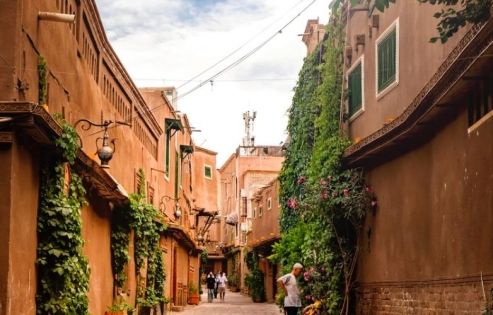
Kashgar Ancient City, Xinjiang
Southern Xinjiang Travel Experience: Taklamakan – Stars and Camel Bells in the Desert
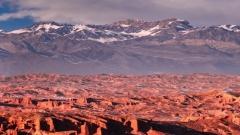
In Uyghur, “Taklamakan” means “a place where you can’t get out once you enter”. But when you really step into this desert, you will be shocked by its vastness and grandeur, which is also the most unforgettable natural experience in my Southern Xinjiang travel experience. Taking an off-road vehicle into the depths of the desert, the scenery outside the window gradually changes from oases to an endless golden sea of sand. The sand dunes show rich light and shadow changes under the sun, and the sand patterns flowing with the wind are like abstract paintings created by nature. When you come to the desert, you must experience a camel ride. Following the steps of the camel team and moving forward slowly, you can hear the crisp camel bells echoing in the empty desert, as if resonating with the Silk Road caravans across time and space. The sunset in the desert at dusk is a breathtaking spectacle: the sun slowly sinks to the horizon, dyeing the sky into a brilliant orange-red, and the sand grains are also covered with a warm hue. At this moment, the desert is quiet and solemn, making people can’t help but marvel at the greatness of nature. If you are brave enough, you might as well camp in the desert for a night. When night falls and everything is silent, you can look up and see a sky full of stars, with the Milky Way clearly visible. That kind of brilliance and shock can never be experienced in the city. It should be noted that the desert climate is dry and hot, with strong sunlight. Be sure to bring sufficient water, sun protection products, and sand-proof equipment, and follow professional guides to ensure safety.
Southern Xinjiang Travel Experience: Pamir Plateau – Pastoral Songs on the Clouds
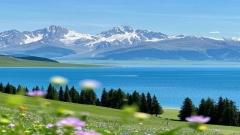
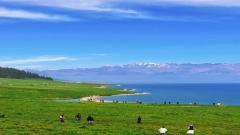
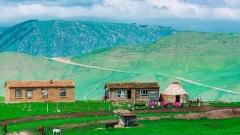
Leaving the desert and driving to the Pamir Plateau, the scenery here is completely different from the desert, adding a touch of high-altitude freshness and purity to my Southern Xinjiang travel experience. Known as the “Roof of the World”, the Pamir Plateau has an average altitude of over 4,000 meters. It is sparsely populated with thin air, the sky is as blue as washed, and the white clouds seem within reach. Along the way, you can see groups of yaks and sheep grazing on the green meadows, with herders’ yurts scattered among them, forming a picture of a leisurely plateau pastoral song. Karakul Lake is a pearl on the Pamir Plateau. The lake water shows different shades of blue, from dark blue to light blue, with the changing light and shadow. Beside the lake stands the majestic Mount Muztagata, and the snow-capped mountains are reflected in the lake, with mountains and water complementing each other, presenting an extremely magnificent scenery. Standing by the lake, the breeze blows, bringing a burst of coolness, and all troubles will dissipate with the wind. Due to the high altitude of the plateau, some travelers may experience altitude sickness. It is recommended to move slowly, avoid strenuous exercise, and prepare anti-altitude sickness drugs in advance. In addition, the temperature difference between day and night on the plateau is extremely large; even in summer, you need to bring thick coats to keep warm.
Southern Xinjiang Travel Experience: Featured Cuisine – Exotic Flavors on the Tip of the Tongue
When talking about my Southern Xinjiang travel experience, featured cuisine is definitely an indispensable part. The food here combines the characteristics of Central Asia and the Western Regions, with rich and unique flavors that are unforgettable. Naan is the most common food in the daily life of people in Southern Xinjiang, with various types such as sesame naan, meat naan, and crispy naan. Freshly baked naan has a crispy outer skin and a soft interior, with the aroma of flour. It is very delicious whether eaten alone or with other foods. Hand-grasped rice is a classic delicacy in Southern Xinjiang. Made with rice, lamb, carrots, onions and other ingredients, the rice grains are soaked in the aroma of meat juice and vegetables, looking shiny and oily with a rich taste. On the food street of Kashgar Ancient City, you can also taste roasted lamb skewers. Fresh lamb is cut into large pieces, skewered with iron sticks, and roasted over charcoal fire until golden and shiny. Sprinkled with salt, cumin and chili powder, it emits a tempting aroma, and the juice overflows with each bite. In addition, other featured foods such as lamian noodles, roasted buns, and yogurt rice dumplings are also worth trying. The fruits in Southern Xinjiang are equally impressive. Due to sufficient sunlight and large temperature difference between day and night, fruits here such as grapes, Hami melons, and pomegranates are extremely sweet and fresh, which are the best choices for replenishing water and vitamins during the trip. When tasting food, you might as well do as the locals do and learn to express thanks to the shopkeepers in simple Uyghur, which will make your dining experience more pleasant.
Southern Xinjiang Travel Experience: Transportation – A Practical Guide to Traveling Smoothly in Southern Xinjiang
For foreign travelers, planning transportation reasonably is the key to traveling smoothly in Southern Xinjiang, which is also the practical information summarized in my Southern Xinjiang travel experience. Southern Xinjiang has a vast territory, and the distance between attractions is relatively long. The main means of transportation are planes, trains, and cars. If you are short on time, you can choose to take planes between major cities. Cities such as Kashgar, Aksu, and Hotan all have airports with convenient flights. Trains are a good choice to experience local customs. The railway network in Southern Xinjiang is constantly improving, with sufficient train services from Kashgar to Aksu, Kuqa and other places. On the train, you can meet local travelers and feel the strong humanistic atmosphere. When traveling in the city and its suburbs, taxis and ride-hailing services are the most convenient, with affordable prices. Most drivers are familiar with local attractions and can also recommend little-known characteristic places for you. If you want to go deep into remote areas such as deserts and plateaus, it is recommended to join a regular local travel group or hire professional guides and vehicles, which can not only ensure safety but also obtain more comprehensive introduction to the attractions. It should be noted that some areas in Southern Xinjiang require a border pass. Foreign travelers need to prepare relevant documents in advance and apply through formal channels to avoid affecting the itinerary. In addition, abide by local traffic rules and respect local customs during the trip.
Southern Xinjiang Travel Experience: Cultural Etiquette – A Wonderful Experience Brought by Respect
Southern Xinjiang is an area where multiple ethnic groups live together, and each ethnic group has its own unique cultural traditions and living habits. In my Southern Xinjiang travel experience, respecting local cultural etiquette is an important prerequisite for gaining a wonderful experience. When entering a Uyghur house, you should take off your shoes and pay attention to proper sitting posture. When talking with locals, be sincere, avoid sensitive topics, and respect their religious beliefs and living customs. When visiting religious places such as mosques, abide by the rules of the place, dress appropriately, do not randomly take photos of praying believers, keep quiet, and do not disturb others’ religious activities. When taking photos of local residents, be sure to ask for their permission first. This is not only a respect for others but also helps to avoid unnecessary conflicts. The ethnic minority compatriots in Southern Xinjiang are warm and hospitable. If you are invited to a home, you can prepare some small gifts as a return, but be careful to avoid gifts that violate their religious beliefs and living habits. In the process of interacting with locals, sincerity and respect are the best bridges, which can help you integrate into the local life better and feel the unique humanistic charm of Southern Xinjiang.
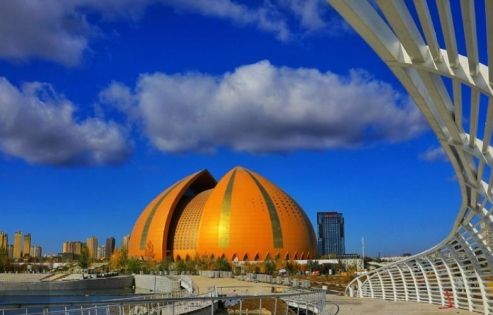
Xinjiang Grand Theatre
Southern Xinjiang Travel Experience: Seasons and Equipment – Creating a Comfortable Travel Experience
Choosing the right season to travel and preparing complete travel equipment can make your trip to Southern Xinjiang more comfortable, which is also the practical experience summarized in my Southern Xinjiang travel experience. Southern Xinjiang has a temperate continental climate, which is dry with a large temperature difference between day and night. The scenery and climate vary greatly in different seasons. Spring (April-May) and autumn (September-October) are the best seasons for traveling in Southern Xinjiang. During these two seasons, the temperature is moderate, the sunlight is sufficient, and there is little precipitation, which is very suitable for outdoor activities and visiting attractions. At this time, Southern Xinjiang is full of vitality, and the populus euphratica trees on the edge of the desert also show a unique charm. In summer (June-August), the temperature in Southern Xinjiang is relatively high, especially in desert areas, where the maximum temperature during the day can reach above 40°C. However, this is also the season when fruits are in abundance; travelers who like to taste fruits can choose to travel at this time. In winter (November-March next year), the temperature in Southern Xinjiang is relatively low, but there are few tourists, and the attractions are more peaceful. It is a good time to experience the plateau snow scenery and the winter charm of the ancient city. No matter which season you travel, you should bring sufficient moisturizing products, such as moisturizer and lip balm, to cope with the dry climate. Sun protection products are also essential; sun hats, sunglasses, and sunscreen can effectively resist strong sunlight. In addition, comfortable walking shoes are very important; whether you are visiting the ancient city or hiking in the desert, you need a pair of well-fitting shoes.
Southern Xinjiang Travel Experience: Warm Memories – More Than Scenery, But Touching Moments
After the trip to Southern Xinjiang, what remains deep in my memory is not only the magnificent scenery and delicious food but also the warmth and touching moments from the locals, which is also the most precious part of my Southern Xinjiang travel experience. In Kashgar Ancient City, the grandfather selling naan would hand me a freshly baked warm naan for free; on the Pamir Plateau, the herder aunt would ask me in unfluent Chinese if I was used to the plateau climate and bring me sweet butter tea; in the desert, the guide would carefully prepare a sand-proof scarf for me and always pay attention to my physical condition. These small moments made me feel the simplicity and enthusiasm of the people in Southern Xinjiang and deepened my affection for this land. The beauty of Southern Xinjiang lies not only in its natural wonders and historical relics but also in its unique humanistic charm and profound ethnic friendship. There is no so-called danger and estrangement here, only sincerity and kindness. For foreign travelers, Southern Xinjiang is a travel destination full of surprises. It can break your inherent impression of western China and let you see a diverse, open, and vibrant Southern Xinjiang. Whether you are here to explore the Silk Road civilization, pursue natural wonders, or experience exotic customs, Southern Xinjiang will not let you down. This Southern Xinjiang travel experience is hoped to help with your trip, and I look forward to you stepping into Southern Xinjiang in person and starting your own wonderful journey.