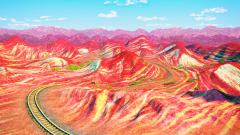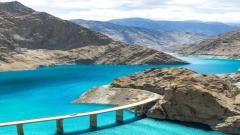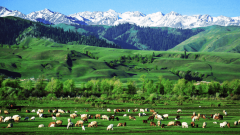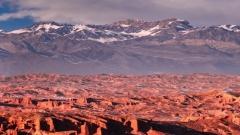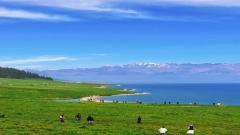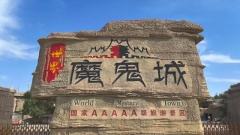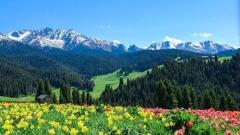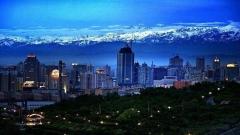

For travelers, the charm of Southern Xinjiang lies not only in the millennia-old traditions of Kashgar Old City and the majestic grandeur of the Pamir Plateau, but also in the unique Southern Xinjiang weather—the core code that shapes the landscape of this land.
Situated on the southern edge of the Taklamakan Desert, Southern Xinjiang is influenced by a continental climate and its geographical features, resulting in distinct weather characteristics: large day-night temperature differences, significant regional variations, and more sunny days than rainfall. With an annual average of over 2,800 hours of sunlight, the region is abundant in sunshine yet extremely dry, with annual precipitation of less than 100 millimeters. These unique weather conditions not only create natural wonders like the red sandstone Danxia landforms and desert poplar forests but also impose special requirements on travel gear and itinerary planning. For first-time international visitors, ignoring the variability of Southern Xinjiang weather may cause you to miss the best viewing opportunities or even compromise your travel experience.
Four-Season Weather Characteristics and Travel Advice for Southern Xinjiang
The weather in Southern Xinjiang varies drastically across seasons, with each season offering unique landscapes and challenges. Choosing the right time to travel is crucial.
Spring (March-April): A Symphony of Apricot Blossoms and Sand
In spring, Southern Xinjiang weather gradually warms up, with average temperatures ranging from 10°C to 18°C in plain areas, though residual snow lingers in mountainous regions. The most enchanting sight during this period is the blooming apricot flowers in the river valleys of the Pamir Plateau, where seas of pink and white blossoms form a striking contrast against the gray-brown mountain ranges. However, spring is also the peak season for sand weather in Southern Xinjiang. Particularly in mid-to-late March, blowing sand or sandstorms often hit the Southern Xinjiang Basin, with wind speeds reaching Force 5 or higher and visibility dropping sharply.
Travel Advice:
- Bring windproof and sandproof scarves, sunglasses, and dust masks, and choose footwear with good sealing.
- Adopt the “onion-layer dressing method”: wear quick-drying underwear as the base layer and a windproof jacket as the outer layer to cope with temperature differences between day and night and sudden sandstorms.
- Mountainous areas like Apricot Flower Valley are windy, so it is recommended to carry a lightweight, warm fleece jacket.
Summer (May-August): Desert Heat and Plateau Coolness
Summer in Southern Xinjiang is dominated by hot and dry weather. In places like Kuqa and Hotan on the edge of the Taklamakan Desert, noon temperatures can reach 35°C to 40°C, with surface temperatures even exceeding 50°C. Humidity often drops below 20%, making breathing feel “like inhaling fire.” In stark contrast, the Pamir Plateau remains cool: areas like Taxkorgan have an average summer temperature of only 15°C to 20°C, requiring long-sleeved jackets in the morning and evening. Some high-altitude attractions, such as Muztagh Ata Glacier Park, may even experience low temperatures.
Travel Advice:
- Avoid prolonged outdoor activities at noon (12:00-16:00); instead, arrange indoor visits, such as to the Kizil Grottoes.
- Bring high-SPF sunscreen (SPF50+), sun hats, and moisturizing skincare products, and replenish at least 2,000 milliliters of water daily.
- If planning to visit the plateau, prepare a thin down jacket or warm fleece in advance.
Autumn (September-October): The Golden Weather Period and a Feast of Colors
Autumn is the most pleasant season for Southern Xinjiang weather—truly “one leaf foretells autumn, and the entire region becomes a scenic spot.” During this time, the average temperature in the Southern Xinjiang Basin ranges from 13°C to 27°C, with mostly sunny days. The sunlight is strong but not scorching, and the air is clean and transparent, making it the perfect time for photography. Poplar forests start to turn yellow in September, and in October, the Pamir Plateau enters the prime viewing period for the “Golden Sunlit Mountains,” where Karakul Lake clearly reflects the silhouette of Muztagh Ata.
Travel Advice:
- Long-sleeved shirts or thin knitwear are sufficient during the day, but a windbreaker or jacket is needed in the evening.
- The day-night temperature difference in desert areas can reach 20°C, so do not neglect nighttime warmth due to daytime heat.
- Bring a polarizing filter to eliminate glare from landscapes and capture the vivid colors of poplars and snow-capped mountains.
Winter (November-February): Severe Cold and Serene Beauty
Winter in Southern Xinjiang is cold and dry. The average temperature in plain areas ranges from -5°C to 8°C, while in mountainous regions like the Pamir Plateau, it can drop below -16°C. Some high-altitude roads may be closed due to snow accumulation. With fewer tourists, Kashgar Old City and the desert take on a rare sense of serenity, and the red sandstone Danxia landforms covered in snow exude a unique charm. However, note that some scenic spots may shorten their opening hours, and the frequency of transportation services may decrease.
Travel Advice:
Wear cold-proof gear such as windproof down jackets, snow boots, and woolen scarves, and take anti-freezing measures for electronic devices.
Confirm the opening status of scenic spots and road accessibility before traveling, and prioritize accommodations with heating supply.
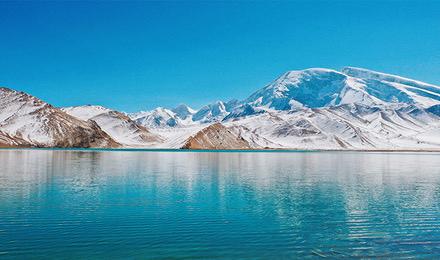
Winter Scenery of The Southern Xinjiang
Weather Differences in Major Regions of Southern Xinjiang
Southern Xinjiang spans a vast area, with vastly different weather conditions from deserts to plateaus and basins to mountains—truly “different weather every ten miles.” Mastering these differences is essential for precise itinerary planning.
Kashgar Area: Dual Experience of Ancient City and Plateau
Kashgar City is located in a plain, with relatively mild weather and an annual average temperature of around 11°C—no extreme cold in winter and no extreme heat in summer. However, after a several-hour drive to Taxkorgan County (at an altitude of 3,200 meters), the weather turns suddenly cool, and warm clothing is needed even in summer. Some travelers have recorded that when driving from Taxkorgan to Shache, the morning temperature was only 2°C, while the noon temperature in the Gobi desert soared to 38°C—experiencing “ice and fire in one day.”
Travel Advice: When traveling to and from the plateau with Kashgar as your base, adopt a “layered packing” strategy: keep warm clothing in your carry-on luggage for easy addition or removal. The plateau has strong ultraviolet radiation, so sun protection measures should be maintained throughout the journey.
Aksu-Kuqa Area: The Heat Challenge of Deserts and Canyons
This region is adjacent to the Taklamakan Desert, with extremely hot weather in summer. The noon temperature in Kuqa Grand Canyon often exceeds 40°C, and the rock walls become scalding hot under the sun. Autumn is the best travel season here: the weather is sunny with little wind, and sunlight filters through the gaps in the canyons, creating a dramatic light-and-shadow effect that resembles “burning red flames.”
Travel Advice:
When visiting the canyon in summer, arrange your trip in the early morning (before 9:00) or late afternoon (after 17:00), and bring salt-containing drinks to replenish electrolytes.
Although autumn is cooler, sun protection is still necessary—there are almost no shaded areas in the canyon, and prolonged exposure to the sun can easily lead to heatstroke.
Hotan Area: Arid Climate on the Desert Edge
Hotan is located on the southern edge of the Taklamakan Desert, with extremely dry weather as its main feature. The annual average humidity is less than 30%, and there are occasional blowing sand events in winter. The day-night temperature difference here is huge: even in summer, the nighttime temperature may drop below 20°C, while in winter, it is warm and comfortable during the sunny daytime but freezing cold at night.
Travel Advice: Carry moisturizing spray and lip balm throughout your journey to alleviate discomfort caused by dry air. Hotan Night Market is a must-visit attraction—remember to wear an extra jacket when going there at night to avoid catching a cold.
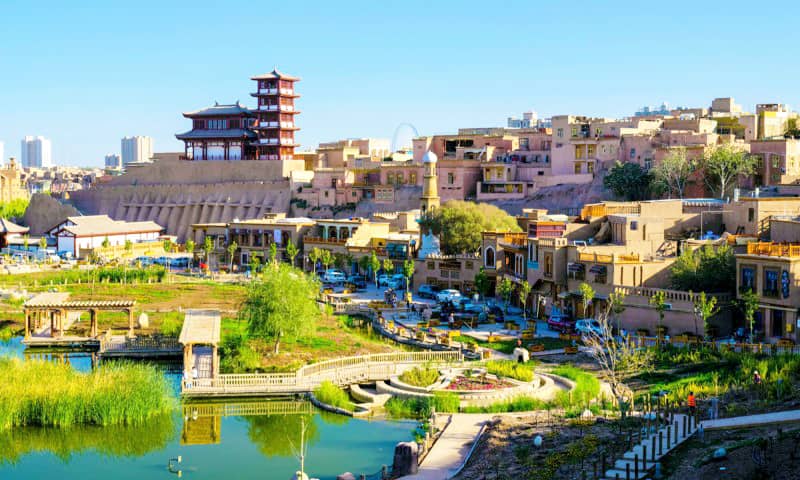
Kashgar Old Town
Coping with Severe Weather and Safety Tips in Southern Xinjiang
Southern Xinjiang experiences severe weather such as sandstorms and strong convective weather in certain seasons. Understanding how to cope with these conditions in advance is essential for ensuring travel safety.
Sandstorm Protection: Minimize Exposure and Take Shelter Promptly
March to May is the peak season for sandstorms in Southern Xinjiang. Severe sandstorms can reduce visibility to less than 100 meters, severely affecting outdoor activities and transportation. If caught in a sandstorm:
Immediately take shelter indoors, close doors and windows, and block gaps with wet towels.
If outdoors, cover your mouth and nose with a dust mask or wet towel, and stay away from objects that are easily blown over, such as billboards.
Strong Convective Weather: Be Alert to Sudden Conditions in Mountainous Areas
In summer, mountainous areas (such as northern Aksu and northern Bayingolin Mongol Autonomous Prefecture) may experience short-term heavy rainfall, thunderstorms, and strong winds—strong convective weather that can easily trigger flash floods and mudslides. If encountering such weather:
Immediately move away from river valleys and mountain feet, and go to a safe area at a higher elevation.
Contact your travel agency or local rescue departments promptly.
Altitude Sickness: A Potential Risk Related to Weather
In high-altitude areas like the Pamir Plateau, low temperatures and low oxygen levels (weather-related conditions) can easily cause altitude sickness. When first arriving:
Avoid strenuous exercise, drink plenty of water, and ensure adequate sleep.
If symptoms such as headache or nausea occur, take altitude sickness medication. If symptoms worsen, promptly descend to a lower-altitude area.
Essential Travel Items for Southern Xinjiang
Preparing gear based on the weather characteristics of Southern Xinjiang can greatly enhance your travel comfort. The following list covers needs for all seasons:
Basic Essential Items
- Sun Protection Gear: High-SPF sunscreen (SPF50+, PA++++), sun hat, polarized sunglasses, sun-protective face mask.
- Moisturizing Products: Moisturizing spray, lip balm, hand cream (to cope with extreme dryness).
- Clothing Recommendations: Quick-drying underwear (suitable for all seasons), windproof jacket (to resist sand and cold).
- Other Items: Portable water bottle (to replenish over 2,000ml of water daily), salted snacks (to replenish electrolytes).
Season-Specific Items
- Spring: Dust mask, lightweight fleece jacket.
- Summer: Breathable quick-drying short sleeves, sandals (to avoid stuffy feet), insect repellent (for grassland areas).
- Autumn: Thin down jacket (for plateau nights), long pants (to prevent scratches and insect bites).
- Winter: Thick down jacket, snow boots, hand warmer, anti-freezing bag for electronic devices.
Southern Xinjiang weather is the key to shaping the unique charm of this land. From the dance of sand and flower seas in Apricot Flower Valley in spring to the “Golden Sunlit Mountains” on the Pamir Plateau in autumn, every type of weather corresponds to an irreplaceable landscape. For international travelers, instead of fearing the variability of Southern Xinjiang weather, it is better to proactively master its patterns—do a good job of sun protection and keeping warm, learn the “onion-layer dressing method,” and plan in advance for coping with severe weather. By doing so, you can fully enjoy the grandeur of this hidden gem on the Silk Road.
After reading these contents, do you have a clearer understanding of the climate in southern Xinjiang? Then be fully prepared and explore the beautiful scenery of southern Xinjiang together! If you don’t have a clear itinerary for the time being, you can click the link China Dragon Trvavel. We will tailor the most suitable and cost-effective travel plan for you, so that your trip to southern Xinjiang can be worry-free.