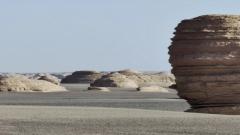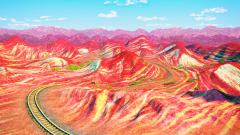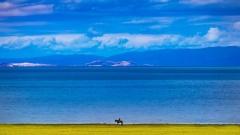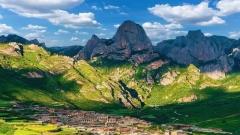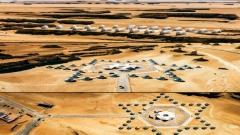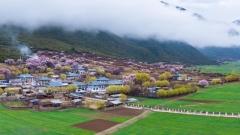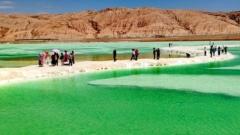

The Tang-Tibet Ancient Road (G214) is a legendary highland route linking Xining in Qinghai with Lhasa in Tibet, stretching approximately 2,000 kilometers across the Tibetan Plateau. Closely aligned with today’s G214 National Highway, this route once served as the main corridor for political, cultural, and economic exchange between the Tang Dynasty and the Tibetan Empire. Compared with the busier Sichuan–Tibet route, the Tang-Tibet Ancient Road offers a quieter and more contemplative journey, passing grasslands, sacred lakes, snow-capped mountains, and historic monasteries that reflect both the vastness of the plateau and the depth of Sino-Tibetan cultural interaction.
Route Itinerary: Connecting Qinghai, Sichuan, and Tibet, Unlocking the Core of the Ancient Road
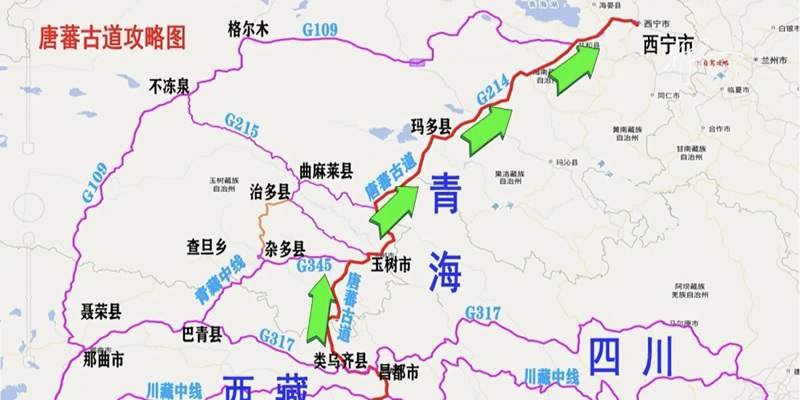
The Tang-Tibet Ancient Road (G214)
The Tang-Tibet Ancient Road (G214) stretches approximately 2,000 kilometers, largely overlapping with National Highway 214. It is a millennium-old thoroughfare linking Qinghai and Tibet, the core route taken by Princess Wencheng on her journey to Tibet, and a cultural corridor bearing the marks of Han-Tibetan cultural integration. With a clear route, it revolves around plateau natural and cultural landscapes, featuring both gentle plain sections and rugged plateau terrain. No complex planning is needed—it suits all types of travelers. Whether driving independently or traveling by chartered car, you can immerse yourself in the unique charms of Sichuan, Qinghai, and Tibet along this ancient path.
Overall Route Trend: The Millennium Veins Connecting Sichuan, Qinghai, and Tibet
As a classic ancient road linking the Central Plains and Tibet, the Tang-Tibet Ancient Road (G214) starts in Xining, Qinghai, extends westward, and gradually climbs into the plateau hinterland. It passes through key cities and towns in Qinghai, including Huangyuan, Gonghe, Maduo, and Yushu—scattered between grasslands and river valleys, these are not only important stations on the ancient road but also key windows to experience the Qinghai Plateau scenery. Crossing the provincial border into Tibet, the terrain rises further, and the landscapes become even more magnificent. It continues through critical areas such as Riwoqe, Qamdo, Bangda, Basu, Ranwu, Bomi, and Nyingchi, ultimately reaching the holy city of Lhasa. The entire route runs through the essence scenic belts of Sichuan, Qinghai, and Tibet, offering breathtaking views at every step and showcasing the diverse landscapes of the plateau.
Sectional Features and Highlights: Diverse Scenery Along the Way
Each region along the route has its own characteristics, with distinct styles yet forming a harmonious whole.
- Core Experiences in the Qinghai Section
Huangyuan, an important station at the start of the ancient road, has long been a key hub for the Tea-Horse Trade, preserving the initial “human touch” of the ancient path. Gonghe and Maduo pass through vast grasslands and the source landscapes of the Yellow River, serving as core spots to experience the plateau’s vastness and purity. Yushu gathers numerous cultural relics, combining the plateau’s grandeur with cultural depth, and stands as a vital site for Han-Tibetan cultural integration.
- Core Experiences in the Tibet Section
After entering Tibet, regions such as Qamdo, Basu, and Ranwu connect steep canyons, clear lakes, and towering snow-capped mountains, allowing visitors to fully appreciate the plateau’s grandeur and magnificence. Nyingchi, with its mild climate and dense primeval forests, forms a unique landscape. As a transition before entering Lhasa, it offers visitors a rare taste of the plateau’s gentleness amidst the grandeur, leading ultimately to Lhasa.
Travel Flexibility and Supply Advantages: Adapting to Diverse Travel Needs
All cities and towns along the route are important transit points with well-equipped facilities, fully meeting travelers’ needs for rest, resupply, and alleviating altitude sickness—no need to deliberately search for supply stations. Whether you are a deep traveler with ample time or a highlight traveler with a tight schedule, you can flexibly adjust your itinerary along this route without rigid daily plans. You can both immerse yourself in the millennium-old historical heritage of the Tang-Tibet Ancient Road (G214) and freely admire the stunning plateau scenery along the way, truly realizing that “following the ancient road, beautiful scenery awaits.”
Pre-Trip Preparation: Lay a Solid Foundation, Avoid Unexpected Troubles
The Tang-Tibet Ancient Road (G214) passes through multiple high-altitude areas with complex road conditions and unpredictable weather. Thorough pre-trip preparation is crucial for a smooth journey, whether you’re a seasoned traveler or visiting Tibet for the first time. Pay close attention to every detail to ensure comfort and safety.
Documentation Preparation
A valid ID card is mandatory. To visit certain border towns in Tibet (such as parts of Qamdo and Nyingchi), you need to apply for a Border Pass in advance. It can be obtained free of charge at the public security bureau in your place of household registration, or you can entrust a travel agency to handle it in Xining or Lhasa with your ID card. Clearly specify the border checkpoints you’ll pass through to avoid disrupting your itinerary. Additionally, drivers must carry a driver’s license and vehicle registration certificate. If you plan to self-drive, make copies of relevant documents for backup.
High-Altitude Adaptation
The altitude along the route ranges from 2,300 meters (Xining) to over 4,000 meters, with some passes exceeding 5,000 meters. Altitude sickness is a common concern for travelers. It’s advisable to take anti-altitude sickness medication (such as Rhodiola rosea) 1-2 weeks before departure to acclimatize gradually. Avoid strenuous exercise, staying up late, and drinking alcohol before the trip to maintain good physical condition. During the journey, carry portable oxygen cylinders, anti-altitude sickness medicine (such as Gaoyuan’an and glucose oral solution), eat light meals, drink plenty of water, and avoid intense activities. If severe altitude sickness occurs (e.g., persistent headaches, difficulty breathing, or uncontrollable vomiting), stop the trip immediately, rest in a lower-altitude area, or seek medical attention.
Clothing and Equipment
The plateau weather is fickle with significant temperature differences between day and night. Even in summer, snow may fall at passes. Pack layered clothing for easy adjustment. Essential clothing includes a windproof and waterproof jacket, warm down jacket or fleece, quick-drying pants, thermal underwear, and comfortable hiking boots (suitable for walking and complex road conditions). Other must-have items: a sun hat, sunglasses, high-SPF sunscreen (SPF50+), lip balm, gloves, and a scarf – all to protect against intense ultraviolet rays and cold winds. Additionally, bring portable toiletries, an insulated water bottle, common medications (cold medicine, gastrointestinal medicine, band-aids, motion sickness pills), a power bank, data cables, and a camera (to capture the stunning scenery). If camping is planned, prepare a tent and a cold-resistant sleeping bag.
Vehicle Preparation (for Self-Drivers)
Some sections of the Tang-Tibet Ancient Road (G214), especially between Yushu and Qamdo, have poor road conditions with bumpy and gravel roads. It’s recommended to use an SUV or off-road vehicle with a high chassis, preferably four-wheel drive, to handle complex terrain. Before departure, conduct a comprehensive vehicle inspection, focusing on tires, brakes, oil, water tank, and spare tire to ensure the vehicle is in good condition. Carry vehicle repair tools (e.g., jack, wrench, tire repair kit), a spare tire, and gasoline additives. Gas stations are scarce along the way, and only 92-octane gasoline is available in some areas. Plan refueling stops in advance and fill up in urban areas. Electric vehicles are not recommended as charging facilities are insufficient to meet range needs.
Accommodation and Food Guide: Savor Plateau Flavors, Stay Comfortably
While accommodation and dining facilities along the Tang-Tibet Ancient Road (G214) are not as sophisticated as in cities, they fully meet travelers’ needs. Every town along the route has hotels, guesthouses, and restaurants to choose from based on budget and preferences. You can also taste unique delicacies from Qinghai and Tibet, experiencing local food culture.
Accommodation Recommendations
Xining and Lhasa: As the start and end points of the journey, they offer a wide range of accommodation options, from budget hotels and express inns to high-end hotels and characteristic guesthouses. Choose locations near the city center or with convenient transportation for easy travel and dining. To experience Tibetan culture, opt for Tibetan-style guesthouses to enjoy traditional architecture and services.
Gonghe, Maduo, Yushu, Qamdo, and other towns: Accommodation mainly consists of budget hotels and guesthouses with moderate prices and basic facilities. Some hotels are equipped with oxygen supply systems, suitable for travelers sensitive to altitude sickness. Book well-reviewed, clean hotels online in advance to avoid shortages during peak seasons. In high-altitude towns like Maduo and Yushu, prioritize hotels with oxygen facilities for added comfort.
Scenic areas such as Ranwu Lake and Lu Lang: Accommodation includes guesthouses and tent camps. Guesthouses, mostly run by local villagers, are full of rural charm, and some offer stunning lake or mountain views. Tent camps are perfect for camping enthusiasts, allowing close contact with the plateau’s starry skies and nights – but remember to keep warm and bring cold-resistant equipment.
Food Recommendations
Specialties in Qinghai Section
- Hand-Grasped Lamb: Made with plateau lamb, it’s tender, odorless, and delicious when dipped in salt and pepper.
- Lamb Noodle Soup: Chewy noodles, fresh lamb, and rich broth – a local home-style dish.
- Zanba: A traditional Tibetan staple made from highland barley flour, often eaten with butter tea for long-lasting energy.
- Butter Tea: A Tibetan specialty available in sweet or savory versions, with a rich taste that relieves altitude sickness and combats cold.
Specialties in Tibet Section
- Tibetan Noodles: Chewy noodles in flavorful broth, topped with beef slices and radishes.
- Stone Pot Chicken: Made with local free-range chicken from Nyingchi, simmered in a stone pot with various mushrooms – nutritious and fragrant.
- Tibetan Pork: Tender and flavorful, it can be roasted or stewed, a local delicacy.
- Yogurt: Thick and creamy plateau yogurt, sweet and sour, often served with honey to refresh the palate.
Notes
Food along the route is mainly Tibetan and northwest Chinese style, with bold, salty, and oily flavors. Travelers with sensitive stomachs should prepare gastrointestinal medicine in advance. Due to inconvenient transportation of ingredients on the plateau, some dishes are priced higher – this is normal. Respect local dining customs: do not waste food or consume taboo items.
Core Attractions: Where Culture Meets Nature, Unlocking the Ancient Road’s Beauty
The charm of the Tang-Tibet Ancient Road (G214) lies in its combination of millennia-old culture and stunning natural scenery. Each attraction along the way has a unique story and landscape, creating a journey filled with history and poetry. Here are the must-visit core attractions:
Dangar Ancient City
Located in Huangyuan County, Qinghai, it was an important post station and prosperous tea-horse trade hub on the ancient road. Preserving ancient buildings from the Ming and Qing dynasties, the city features crisscrossing streets with blue bricks and gray tiles, exuding an antique charm. Wander through shops, temples, and residences to imagine the bustling Han-Tibetan trade of the past, and buy local handicrafts and snacks.
Riyue Mountain (Sun-Moon Mountain)
Situated in Gonghe County, Qinghai, it’s a key node of the ancient road and a boundary between Han and Tibetan cultures, with an altitude of about 3,520 meters. The mountain top is home to the Sun-Moon Pavilion. Legend has it that Princess Wencheng smashed her Sun-Moon Mirror here to bid farewell to her hometown before marrying Songtsen Gampo – later, the pavilion was built in her memory. From the top, overlook the vast Qinghai Lake and the endless grassland, and marvel at the plateau’s grandeur.
Lake Zhaling & Lake Eling
Located in Maduo County, Qinghai, these twin lakes are the source of the Yellow River and part of the Three-River-Source National Nature Reserve. With crystal-clear blue water and lush surrounding pastures, they are habitats for numerous birds and sacred lakes in the hearts of Tibetans. The serene and magnificent scenery – blue sky, white clouds, snow-capped mountains, lakes, grasslands, and cattle and sheep – forms a stunning plateau painting, perfect for photography and experiencing the purity and sacredness of the Yellow River’s source.
Princess Wencheng Temple
Built on a cliff in Yushu City, Qinghai, with a history of over 1,300 years, it honors Princess Wencheng’s journey to Tibet. The temple houses 9 stone-carved Buddha statues, including a lifelike seated statue of Princess Wencheng surrounded by eight Bodhisattvas. Prayer flags flutter around the temple, and incense fills the air. Strolling through it, you can appreciate Princess Wencheng’s contribution to Han-Tibetan cultural integration and feel the profound historical heritage.
Jiegu Monastery
The largest Tibetan Buddhist monastery in Yushu, belonging to the Sakya sect. Built against the mountains with a majestic layout, it houses numerous cultural relics, murals, and Buddha statues – the most famous being the largest bronze Maitreya Buddha statue in Tibetan Buddhism. From the monastery’s heights, enjoy a panoramic view of Yushu City and immerse yourself in the devout atmosphere of Tibetan Buddhism.
Nujiang 72 Hairpin Bends
Located in Basu County, Tibet, it’s one of the most challenging sections of the Tang-Tibet Ancient Road (G214) and a popular photography spot. This 12-kilometer road winds down from the 4,658-meter Yela Mountain Pass to the 3,100-meter Nujiang Gorge, with 72 sharp turns and a huge altitude drop. From the viewing platform, overlook the breathtaking panorama of the bends, admiring the wonders of nature and the greatness of human engineering.
Ranwu Lake
A plateau barrier lake in Basu County, Tibet, at an altitude of about 3,850 meters. Known as “Switzerland of Eastern Tibet,” it boasts crystal-clear blue water surrounded by snow-capped mountains and glaciers. Divided into Upper and Lower Ranwu Lake, the road along the lake allows for spontaneous stops to photograph the poetic scene of snow-capped mountains reflecting in the lake – especially stunning at dawn and dusk, when sunlight shimmers on the water.
Lu Lang Forest Sea
A primeval forest in Nyingchi City, Tibet, at an altitude of about 2,700 meters. With a high vegetation coverage rate dominated by spruces and firs, it’s known as a “natural oxygen bar.” Surrounded by snow-capped mountains, vast grasslands, and grazing cattle and sheep, walking through the forest offers a peaceful and grand experience, combining snow-capped mountains, forests, and grasslands. It’s an ideal place to relieve altitude sickness and relax.
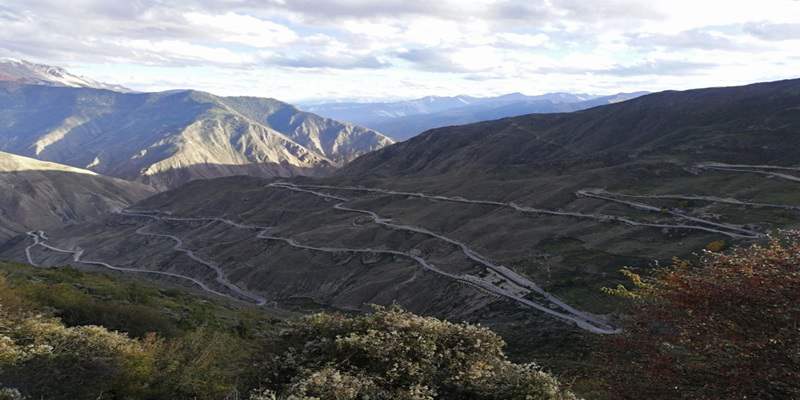
Nujiang 72 Hairpin Bends
Important Notes: Respect Local Customs, Ensure a Smooth Journey
Most areas along the Tang-Tibet Ancient Road (G214) are inhabited by Tibetans, with unique religious beliefs and customs. The plateau’s special environment also requires travelers to pay attention to the following to respect local culture and ensure a smooth trip.
Respect Religious Customs
Temples, prayer flags, mani stones, and white pagodas are sacred to Tibetans – do not touch, step on, or damage them. When visiting temples, remove your hat, keep quiet, and avoid taking photos randomly (some temples prohibit photography) or touching Buddha statues, murals, and cultural relics. Do not interrupt or stare at Tibetans during pilgrimages or circumambulations; respect their religious practices. Do not enter Tibetan homes without permission – if invited, follow the host’s etiquette.
Protect the Ecological Environment
The route passes through ecologically sensitive areas such as the Three-River-Source Reserve. The plateau’s ecosystem is fragile, so travelers must consciously protect it: do not litter (carry a garbage bag and dispose of waste properly in towns), do not pick plants or flowers, do not chase or disturb wild animals, and avoid camping or picnicking by lakes or grasslands to prevent pollution.
Road Conditions and Driving Safety
Some sections have complex road conditions, especially between Yushu and Qamdo, with bumpy roads, gravel roads, and potential landslides. Drive slowly and carefully, yielding to pedestrians, cattle, sheep, and other vehicles. The plateau weather is unpredictable – heavy rain, snow, or fog may occur. Monitor weather changes, plan ahead, and avoid driving in severe weather. Self-drivers should arrange reasonable driving hours (no more than 8 hours a day), rest frequently, and avoid fatigue driving. Mobile phone signals are weak in some areas – download offline maps in advance to avoid getting lost.
Other Notes
Distances between towns are long, and some sections have no gas stations or restaurants. Plan your itinerary, refuel, and replenish food and water in urban areas. Temperature differences are large – dress in layers to avoid colds, as colds can easily trigger altitude sickness. Respect local ethnic culture and customs; communicate with Tibetans friendly and politely to avoid conflicts. If you encounter difficulties during the trip, seek help from local villagers, hotel staff, or police stations.
Tang-Tibet Ancient Road (G214): A Timeless Journey Across the Tibetan Plateau
Traveling the Tang-Tibet Ancient Road (G214) is not merely about covering distance, but about moving through layers of history shaped by diplomacy, faith, and migration. The gradual transition from Qinghai’s open highlands to eastern Tibet’s dramatic valleys and forests reveals a landscape that rewards patience and careful observation. For travelers seeking a deeper understanding of Tibet beyond the most popular routes, this ancient road provides a balanced blend of natural grandeur and historical significance. To navigate altitude challenges and changing road conditions more confidently, consulting experienced regional specialists such as China Dragon Travel can help ensure a smoother and more informed journey.