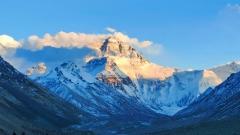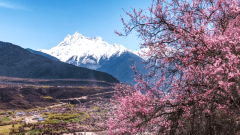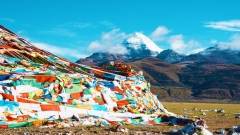

The food of the snowy plateau is a symbiosis of nature’s gifts and cultural accumulation, with every bite carrying the survival wisdom and cultural heritage of the plateau peoples. This Tibet Travel Food Guide not only selects must-try delicacies from various places but also provides practical dining skills and regional dietary customs, allowing you to deeply experience the local customs through your taste buds while admiring Tibet’s magnificent scenery. Whether it’s daily staple foods and dishes of Tibetans or festival-exclusive special delicacies, you can find detailed guidelines in the guide, making your plateau journey more memorable with delicious food.
Tibet Food Guide: Core Dietary Culture
Tibet’s dietary culture is deeply influenced by the plateau’s geographical environment and Tibetan Buddhism, forming a dietary system centered on highland barley, yak meat, and dairy products, emphasizing original flavors and nutritional balance. Tibetan cuisine is divided into red food and white food: red food refers to meat such as beef and mutton, while white food includes dairy products like butter and yogurt. In summer, light white food is predominant, and in winter, red food is relied on to resist the cold.
Butter, tea, tsampa, and beef and mutton are known as the four treasures of Tibetan diet, essential for Tibetans’ daily life and important symbols for tourists to experience local culture. When tasting Tibetan food, it is also necessary to understand local etiquette, such as refilling butter tea when the bowl is half empty and the three-step ritual of offering highland barley wine to heaven, earth, and gods. These details can add warmth to your dining experience.
Tibet Food Guide: Must-Try Classic Staples
Tsampa: The Energy Code for Plateau Survival
As the most traditional staple food of Tibetans, tsampa is a microcosm of plateau life. Its production and tasting embody local wisdom, and the core points are detailed below.
- Ingredients and Taste: Made from roasted highland barley flour, kneaded into balls with butter tea or highland barley wine. It has a dense texture and high calorie content, making it a portable energy source for plateau herdsmen.
- Seasoning Methods: Milk dregs and sugar can be added according to personal preference. Original tsampa has a natural fragrance of highland barley, with a sweet aftertaste when chewed carefully.
- Recommended Tasting Spot: Guangming Gangqiong Sweet Tea House in Lhasa. Here, tsampa is served with fresh milk dregs, allowing you to experience the daily scene of Tibetans eating tsampa with butter tea in the morning.
- Cultural Significance: Carrying a tsampa bag is a habit of Tibetans, symbolizing the connection with the earth’s life. Tourists can also buy packaged tsampa as souvenirs.
Tibetan Noodles: The Homey Flavor of Plateau Streets
Hidden in the streets and alleys of Lhasa, Tibetan noodles are a daily delicacy for locals. From the noodles themselves to matching skills, they contain the ingenuity of plateau cuisine.
- Noodle Characteristics: Made from plateau wheat with alkaline water, the noodles are chewy. Due to the low boiling point on the plateau, the core of the noodles is slightly firm, reflecting the adaptation of local diet to the environment.
- Soul Broth: Simmered with yak bones for a long time, the broth is rich and mellow. Served with braised yak tendon, beef slices, chopped green onions, and sour radish, it is spicy and appetizing.
- Recommended Tasting Spot: Canggu Temple Tea House in Lhasa. Freshly simmered bone broth is perfectly combined with handmade Tibetan noodles every day, with affordable prices and a strong local atmosphere.
- Matching Skills: Serve with sweet tea or butter tea when tasting, which can neutralize the flavor and help quickly adapt to discomfort caused by the plateau climate.
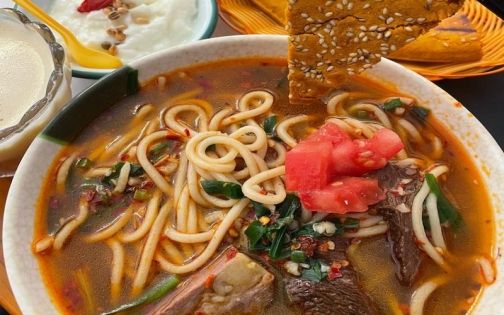
Tibetan Noodles
Tibet Food Guide: Meat Dishes and Specialties
Yak Meat Series: The Ultimate Interpretation of Plateau Meat
Yak meat is a delicacy of the plateau, with a unique flavor thanks to its superior living environment. It has various cooking methods and characteristics, worth savoring carefully.
Meat Advantages: Grown in a pure plateau environment, yak meat is firm and nutritious, known as the “crown of beef” and occupies an important position in Tibetan cuisine.
Air-Dried Yak Meat: Naturally dehydrated by cold plateau winds in winter, it has a coarse texture and a light milk fragrance. Eating with highland barley wine can soften the texture.
Purchasing Tips: Three-year-aged meat with frost on the surface and deep texture is of the best quality. It is recommended to buy from regular stores.
Classic Recipes: Braised Yak Meat with Potatoes is soft and chewy with a rich broth; Sautéed Yak Meat with Sour Radish is spicy and appetizing, suitable for matching with rice or tsampa.
Nyingchi Luolang Stone Pot Chicken: A Miracle of Freshness in Nyingchi
As an iconic delicacy of Nyingchi, Luolang Stone Pot Chicken combines the advantages of ingredients and utensils, with both delicious taste and health-preserving properties, making it a must-try during plateau travels.
Core Feature: A signature dish of Nyingchi, cooked in a Medog soapstone pot containing 16 kinds of trace elements, which can absorb the essence of ingredients and enhance the soup flavor.
Ingredient Matching: Simmered slowly with Tibetan fragrant chicken, palm ginseng, matsutake, and other ingredients. The chicken soup is golden and mellow, and the meat is tender and juicy.
Health Value: Not only delicious but also able to replenish physical strength, it is an ideal health food during plateau travels.
Tasting Suggestion: Recommended to taste authentic stone pot chicken in Luolang Town. Local restaurants adhere to fresh ingredients and traditional craftsmanship, and some offer on-site chicken slaughtering services to ensure freshness. Drink the soup first before eating the meat, and match with local mushrooms and vegetables to experience the double freshness of mountains and plateaus.
Pengbi: An Exclusive Delicacy of Shigatse
Pengbi is a hidden delicacy unique to Shigatse, only popular locally. It carries strong regional emotions and is an important food symbol to experience U-Tsang culture.
Regional Attribute: A unique specialty of Shigatse, only passed down locally. It can be regarded as an upgraded version of Tibetan highland barley jelly, carrying the homesickness of U-Tsang people.
Production and Taste: Cook highland barley paste, cool it, cut into strips, drizzle with Tibetan chili oil, and sprinkle with fried peas and coriander. Its texture is between jelly skin and rice cake, spicy and appetizing.
Tasting Spot: Small stalls near Palcho Monastery in Gyantse. Local Tibetan women make it on-site to ensure fresh ingredients and authentic taste.
Rarity: Due to the narrow inheritance of its production process, this delicacy is quite scarce. Tourists traveling to Shigatse should not miss this unique regional flavor.
Tibet Food Guide: Drinks and Desserts
Butter Tea and Sweet Tea: Liquid Faith of Tibet
Tea is the soul of Tibetan life. Butter tea and sweet tea, one salty and one sweet, carry tradition and daily warmth respectively, and are essential for experiencing local life.
- Butter Tea Features: A necessity for Tibetans’ daily life, made by repeatedly beating yak butter, brick tea, and salt in a wooden barrel. It has a unique fishy and salty taste when first tasted, but you will fall in love with its rich and mellow texture after a few sips.
- Practical Value: It can resist the cold on the plateau and relieve fatigue caused by hypoxia, making it a magic weapon to adapt to the plateau environment.
- Sweet Tea Advantages: More popular among tourists, made by boiling black tea, milk powder, and sugar, with a sweet and smooth taste, similar to milk tea.
- Recommended Spot: Guangming Gangqiong Sweet Tea House in Lhasa. It implements self-service cup taking, and you can put change on the table to wait for refills. It is the best place to experience Lhasa’s folk social life—you can sit for an afternoon with a pot of sweet tea and enjoy the local slow rhythm.
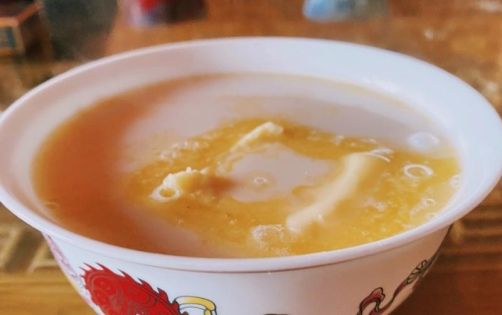
Butter Tea
Tibetan Yogurt and Highland Barley Wine: Companions for Festivals and Daily Life
Tibetan yogurt and highland barley wine are important companions for Tibetans’ daily life and festivals. One sweet and one mellow, they contain the most authentic flavors of the plateau.
- Tibetan Yogurt: Naturally fermented from pure yak milk, it has a thick texture with a golden milk skin on the surface. It is extremely sour and needs to be eaten with sugar and raisins, with a sweet aftertaste and a primitive grassland flavor.
- Special Tasting Spots: Qianzhan Yak Yogurt Workshop in Lhasa offers various toppings. The raw yogurt from herdsmen’s homes in Nagqu is even more sour, and locals usually mix it with tsampa to neutralize the taste.
- Highland Barley Wine Attribute: A must-have drink for Tibetan festivals, fermented from highland barley. It is turbid in color, sweet in taste, and low in alcohol content, similar to beer.
- Drinking Etiquette: Follow the “three sips per cup” etiquette—dip the wine and flick it three times to worship heaven, earth, and gods before sipping slowly. Homemade highland barley wine in Shigatse is the most authentic, and it can be paired with blood sausage and air-dried meat to relieve greasiness.
Tibet Food Guide: Regional Food and Pitfall Avoidance Tips
Distribution of Local Specialties
Due to geographical differences, Tibetan food has distinct characteristics in various regions. Mastering the distribution of regional food can make your food exploration journey more efficient.
Lhasa: The center of Tibetan cuisine. Must-try foods include ancient tree yogurt in Barkhor Street, air-dried meat in Chomsigkang Market, and Tibetan noodles in Canggu Temple Tea House.
Shigatse: Features U-Tsang flavor. Representative delicacies include Pengbi and Gangba Roast Whole Lamb, full of regional characteristics.
Nyingchi: Abundant in mushrooms and Tibetan fragrant pigs. Luolang Stone Pot Chicken and Roast Tibetan Fragrant Pig are unmissable signatures.
Nagqu: Focuses on pastoral food. Raw blood sausage and homemade air-dried meat by herdsmen best reflect the local dietary characteristics.
Practical Tasting and Shopping Tips
To enjoy food and buy souvenirs on the plateau, it is necessary to master practical skills to ensure a good experience and avoid unnecessary troubles.
Eating Skills: It is recommended to eat small and frequent meals when first arriving on the plateau. Chew high-protein foods such as yak meat jerky slowly to reduce digestive burden.
Scene Reminder: Most restaurants near monasteries are vegetarian. If the Tibetan noodle broth is made of yak bones, please confirm in advance.
Purchasing Principles: Buy air-dried yak meat from regular stores to avoid unlicensed products, and store it in a cool and ventilated place.
Souvenir Recommendations: Preferred souvenirs include air-dried yak meat, butter tea powder, Tibetan incense, and dried matsutake. They can be bought in Lhasa Pedestrian Street and Shigatse Bazaar.
Special Reminder: Tibetan knives are inconvenient to carry and can be mailed through Lhasa Post Office, which provides related services.
Dietary Customs and Taboo Reminders
Respecting local dietary customs and taboos is the premise of enjoying a good dining experience. The following points should be kept in mind to avoid offending local culture.
Dietary Taboos: Most Tibetans believe in Tibetan Buddhism and avoid eating horse, donkey, mule, and dog meat. Please respect local customs.
Behavioral Etiquette: Use clean tableware when taking public food, avoid grabbing with hands to show hygiene and respect.
Drinking Etiquette: Do not drink highland barley wine in one gulp. Receive the wine cup with both hands to follow local social etiquette.
Adventure Suggestions: Special delicacies such as blood sausage and raw beef sauce have unique flavors. You can try them according to your acceptance level.
Tibet Food Guide: Seasonal Food Recommendations
Tibetan food shows different styles with seasonal changes. Following the seasons to explore food allows you to taste the most seasonal fresh flavors of the plateau.
- Early Summer: Try nettle porridge, cooked with beef and mutton, which nourishes the stomach and aids digestion, making it a good tonic for locals in early spring. Fresh mushrooms after rain are baked with butter and salt, known as “Sexia Mazha”.
- Autumn: Lhasa’s special raw beef sauce, made by mixing fresh beef with crushed herbs and served with tsampa, reflecting locals’ pursuit of ultimate freshness.
- Winter: The best time to taste air-dried yak meat and Tibetan hot pot. Yak bone soup cooked in a copper pot with various ingredients warms the heart and stomach, making it an excellent choice to resist the cold.
- Tibetan New Year: Exclusive dessert “Ginseng Fruit Rice”, made with sea-buckthorn and butter sugar, full of festive atmosphere.
Tibetan food is not only a pleasure for the taste buds but also a window to understand local culture. This Tibet Travel Food Guide covers various delicacies including staples, dishes, drinks, and desserts, along with regional distribution, dining etiquette, and shopping tips, helping you enjoy food during your plateau journey. From the homey flavors of street stalls to traditional dishes in Tibetan families, every bite carries the unique charm of the snowy plateau, making food the warmest memory of your Tibet trip.