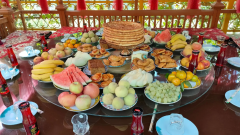

Traveling the Silk Road is a journey through light, civilization, and time.As travelers walk through ancient city ruins, search for traces of civilization in golden deserts, and traverse mountains and oases, the voices of merchants from a thousand years ago seem to echo in the wind.
The Silk Road was never just a single road—it is a vast network of civilizations stretching from Europe to China:
Starting from Europe, it passed through Egypt, Somalia, the Arabian Peninsula, Iran, Afghanistan, Central Asia, Pakistan, India, Sri Lanka, Myanmar, the Java Islands, and the Philippines, ultimately reaching western China.
Today, when we speak of the tourist Silk Road, we often refer to China’s western segment—a magnificent journey connecting deserts, snow-capped mountains, ancient cities, lakes, oases, and diverse ethnic cultures.
Must-See Highlights of the Silk Road (Essential for First-Time Travelers)
1. Dunhuang: The Heart of the Desert and Millennia-Old Murals
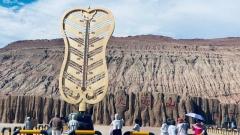
- Mogao Caves:Known as the “Oriental Art Gallery,” these caves housethousand-year-old murals and stone sculptures. The preserved Buddha statues, wall paintings, and colored sculptures are invaluable for studying Silk Road culture and religious exchanges.
- Crescent Lake & Singing Sand Dunes:A serene crescent-shaped oasis lies quietly among endless golden dunes. Singing Sand Dunes produce a soft humming sound when the wind moves the sand, offering a perfect combination of desert scenery and natural wonder.
- Dunhuang Ancient City Nightscape:At night, the city glows gently with lanterns, streets bustling with Silk Road atmosphere. Traditional crafts, performances, and local snacks provide a vivid taste of Dunhuang culture.
- Desert Camping & Starry Sky Experience:Escape city lights and gaze at the boundless stars over the desert. The Milky Way is visible with clarity, and the soft wind enhances the tranquil, immersive desert experience.
Dunhuang is the starting point of the Silk Road and the cultural soul of the journey.
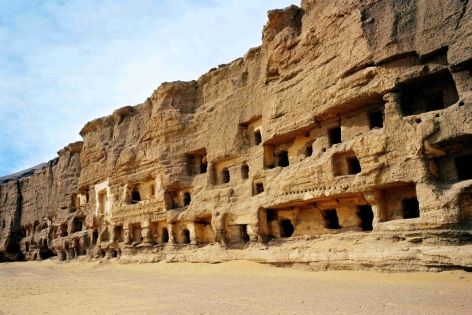
Mogao Caves
2. Zhangye: Stunning Danxia Landscapes
- Zhangye Danxia National Geological Park:Famous for its vibrant, layered rock formations that resemble waves. Sunset brings out the most intense colors—reds, oranges, and yellows blending into a natural palette, making it a signature Silk Road landscape.
- Pingshanhu Grand Canyon:Often called “China’s miniature Grand Canyon,” the deep canyon features clear strata and diverse erosional landforms, ideal for sightseeing, photography, and hiking.
- Recommended Photography & Drone Spots:The area offers expansive and three-dimensional landscapes. Best light is during the first hour after sunrise and the last hour before sunset. Danxia observation platforms 1 and 4 offer even lighting, while the outer viewing platforms of Pingshanhu Canyon provide panoramic shots—note local regulations and no-fly zones.
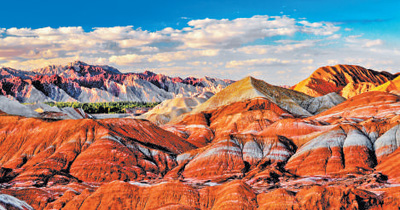
Zhangye Danxia National Geological Park
3. Jiayuguan: The Western End of the Great Wall
- Jiayuguan Fortress:The western terminus of the Ming Great Wall, known as “The First Stronghold Under Heaven.” The fortress is well-preserved, and its towers and walls exude grandeur against the Gobi backdrop—a key military and transportation hub on the Silk Road.
- The First Beacon Tower:An isolated tower at the western end of the Great Wall, standing desolate on the Gobi. Its ruins reflect the end of the ancient wall and the history of China’s frontier defense.
- Gobi Highway Photography:The highway from Jiayuguan to Dunhuang stretches straight across expansive gray-golden Gobi and distant mountains. Clean light and open views make it perfect for dynamic road and desert photography.
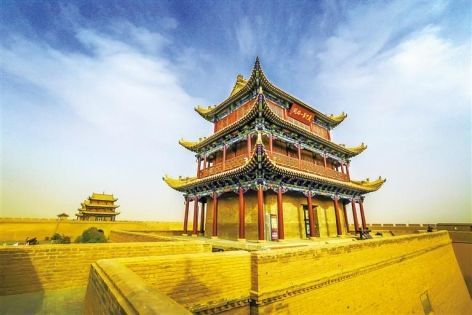
Jiayuguan Fortress
4. Hami & Turpan: Oases and the Flames of the Desert
- Flaming Mountain Grand Canyon:Composed of red-brown cliffs and deep valleys, the canyon resembles solidified lava cracks. Afternoon sunlight makes the rocks glow, showcasing the power of Xinjiang’s terrain.
- Karez Irrigation System:An ancient underground water network of vertical shafts, tunnels, and channels, considered one of the “Three Great Projects of the Western Regions.” Cool water flows through the desert, sustaining oasis civilizations.
- Grape Valley:Lush grape trellises contrast sharply with Turpan’s arid heat. Famous for grapes and raisins, it’s the perfect place to experience Uyghur agriculture and taste local fruits.
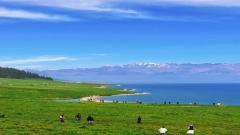
- Hami Dananhu Grassland:Expansive natural grasslands outside Hami city, with clear lakes and refreshing mountain breezes. Summer brings grazing herds, and the highland scenery is a rare Silk Road highlight.
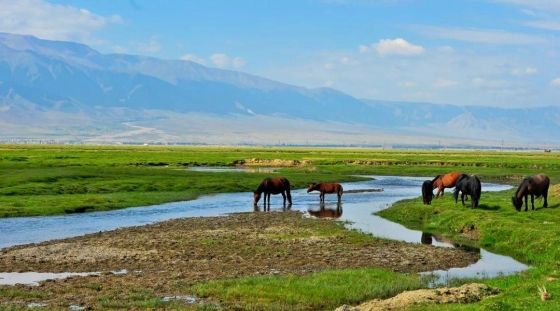
Hami Dananhu Grassland
5. Urumqi: A City of Multi-Ethnic Cultures
- Xinjiang Museum (Mummy Exhibit):Houses artifacts along the Silk Road, including naturally preserved mummies. Fibrous clothing, facial features, and traces of daily life remain intact, offering travelers a direct connection to ancient civilizations.
- Grand Bazaar:Urumqi’s liveliest market, filled with spices, handicrafts, carpets, musical instruments, and street food—a vibrant window into local life and ethnic culture.
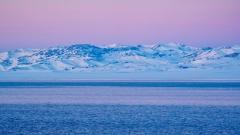
- Heavenly Lake of Tianshan:A high-altitude lake nestled in the Tianshan mountains. Clear glacial waters surrounded by snow-capped peaks, forests, and meadows provide rare coolness and serenity along the Silk Road.
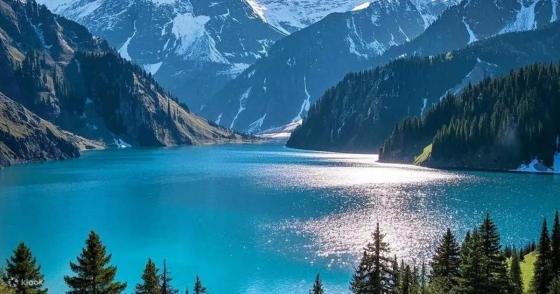
Heavenly Lake of Tianshan
6. Kashgar: The Most Exotic Ancient City in China
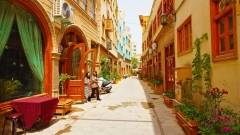
- Kashgar Old Town:A living labyrinth of mud-brick lanes and wooden windows. The sounds of crafts, smells of spices, and children’s footsteps create an authentic Western Xinjiang daily life experience.
- Id Kah Mosque:The largest mosque in western China, with green tiles contrasting the earthen walls. Recitations and sunset calls to prayer fill the square—central to understanding Uyghur religious culture.
- Xiangfei Tomb:Elegant green-and-white glazed bricks mark the tomb of the Khoja family. Its architecture is a frozen story, reflecting Kashgar’s religious lineages and aesthetic values.
- Kashgar Grand Canyon (Entrance to the Pamirs):Red rock cliffs form a natural gateway to the Pamir Plateau. Massive strata and flowing light make it one of the most striking landscapes for experiencing the ‘Prelude to the Roof of the World’.
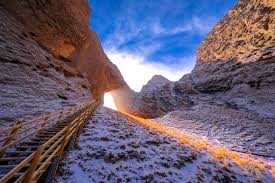
Kashgar Grand Canyon
Recommended Silk Road Routes
Route 1: Classic Silk Road – 8 Days (Ideal for First-Time Travelers)
- Dunhuang → Jiayuguan → Zhangye → Turpan → Urumqi → Kashgar
- Highlights: Balanced culture and scenery, feasible by high-speed rail or private car, leisurely pace with rich stops.
Route 2: In-Depth Silk Road – 10–12 Days (For Culture Enthusiasts)
- 2 days in Dunhuang → Zhangye Danxia → Jiayuguan Great Wall → Turpan’s Three Wonders → Tianshan Heavenly Lake → 3 days in Kashgar (Pamir Plateau)
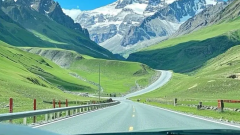
- Highlights: More ancient site explorations, Pamir Plateau highway drive—one of China’s most spectacular roads.
Route 3: Silk Road Photography Line – 9 Days (Recommended for Photographers)
- Dunhuang starry sky → Yardang Devil City → Zhangye Danxia sunset → Lop Nur Gobi edges → Kashgar urban culture → Tashkurgan snow-capped mountains
- Highlights: Starry skies, desert, culture, and mountains, with daily optimal light for photography.
Route 4: Family Silk Road Cultural Tour – 7 Days
- Dunhuang → Jiayuguan → Turpan → Urumqi Museum → Tianshan Lake & Grasslands
- Highlights: Interactive activities (karez irrigation, papermaking, rubbings), comfortable pace for families.
Route 5: Desert Off-Road & Camping Line – 6 Days (For Adventure Seekers)
- Dunhuang → Desert Crossing → Starry Sky Camps → Yardang Fortress → Hexi Corridor Ancient Sites
- Highlights: 4×4 off-road adventure, desert camping, astronomy guidance, breathtaking night sky & Milky Way.
Silk Road Transportation Suggestions
High-Speed Rail + Short Private Car: Most comfortable for travelers; mature high-speed rail lines connect Zhangye, Jiayuguan, and Dunhuang.
Full Private Car: Essential for deep exploration or photography; safer and more flexible through Gobi, Flaming Mountains, and Pamir Plateau.
Kashgar & Pamir Section: Recommended to travel with professional guides due to complex mountain roads and variable weather.
Practical Travel Tips
Best Travel Seasons:
- May–October is ideal.
- Danxia & desert: June–September for optimal light.
- Pamir Plateau: July–September for safety and spectacular views.
Essential Items:
- Sunscreen (strong Silk Road sun)
- Scarf or head covering (for sand and wind)
- Warm jacket (highland temperature variations)
- Comfortable hiking shoes
Respect Local Cultures:
Xinjiang is ethnically diverse; always ask for permission before photographing or entering religious areas.
Explore Millennia of Light and Shadow with China Dragon Travel
The Silk Road is a path through civilizations and a journey that transports travelers back in time. Trace the footsteps of ancient caravans in golden deserts, listen to Silk Road stories in oasis towns, feel the wind and freedom at the foot of snow-capped mountains—this is the most enchanting aspect of the Silk Road.
China Dragon Travel will provide professional route planning, reliable guides, and meticulous itinerary arrangements, accompanying you along one of the most poetic and historic routes in the world.