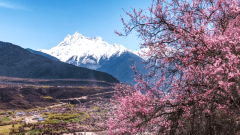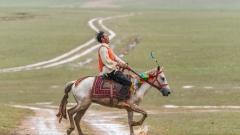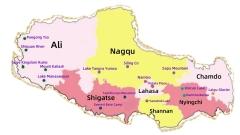

June is the golden season to visit Tibet. The climate is mild and pleasant, with lush greenery everywhere, making it the most comfortable time for high-altitude travel. This guide is tailor-made for visitors from Hong Kong, Macau, Taiwan, and foreign countries who have limited time but desire an in-depth experience of Tibet’s core culture. It outlines a classic seven-day cultural itinerary. The journey centers on the holy city of Lhasa and extends to Shigatse, the capital of the Tsang (Western Tibet) region. It avoids the fatigue of long-distance travel, focusing instead on exploring the core monasteries of the Gelug school, world-class cultural heritage sites, and historic cities. In June, with its ample oxygen levels, you will be able to more comfortably immerse yourself in the art, philosophy, and historical atmosphere of Tibetan Buddhism, completing an intensive and profound spiritual and cultural journey.
Tibet Seven-Day Simplified Itinerary in June
Day 1: Arrival in Lhasa
Airport pickup and hotel check-in. Acclimatize to the high-altitude environment; ample rest is strongly advised.
Day 2: Lhasa Monastery Tour (West Route)
Visit the magnificent Drepung Monastery in the morning. Explore Sera Monastery, famous for its monk debates, in the afternoon.
Day 3: Core Lhasa Culture (City Center)
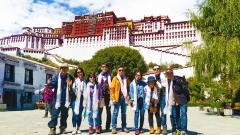
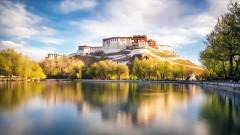
Tour the Potala Palace (booking required) in the morning. Make a pilgrimage to the Jokhang Temple in the afternoon and experience the kora (circumambulation) atmosphere on Barkhor Street.
Day 4: Lhasa to Shigatse
Travel by vehicle to Shigatse. En route, stop in Gyantse to visit the Gyantse Dzong (fortress) and Pelkor Monastery.
Day 5: In-Depth Shigatse Exploration
Spend the day exploring Tashilhunpo Monastery, the center of Tsang. Afterwards, freely explore the local market.
Day 6: Return to Lhasa
Travel by vehicle from Shigatse back to Lhasa in the morning. Enjoy free time or souvenir shopping in the afternoon.
Day 7: Departure from Lhasa
Airport transfer according to your flight schedule, concluding the journey.
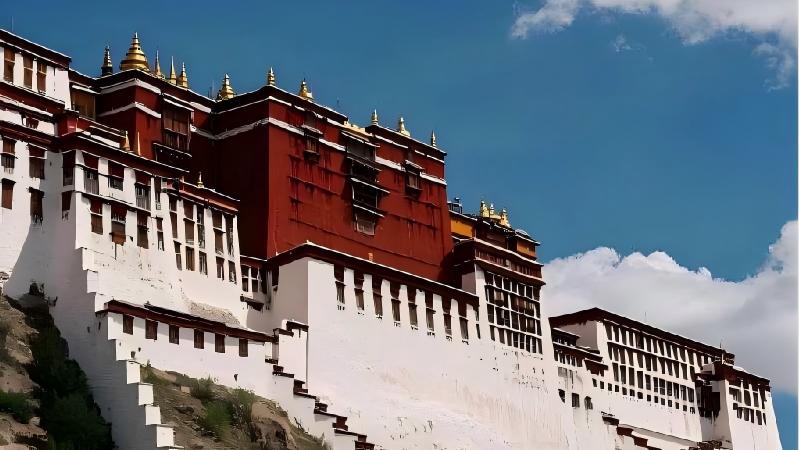
Potala Palace
Core Highlights and Cultural Context of the Itinerary
The journey begins in Lhasa. The first full day is dedicated to visiting Drepung Monastery, the grandest among the six great monasteries of the Gelug school, and Sera Monastery, renowned for its philosophical debates. June is not the peak time for major festivals, meaning fewer tourists, allowing you to enjoy a more serene pilgrimage atmosphere and appreciate the monastic architecture and mural art in detail. The next day focuses on the soul of Lhasa—the Potala Palace and the Jokhang Temple. The Potala Palace requires advance booking. The splendor of its palaces, chapels, and stupas stands as the supreme witness to Tibet’s history of the integration of religion and politics. Afterwards, proceed to the Jokhang Temple to pay homage to the Jowo Shakyamuni statue (a 12-year-old life-sized likeness of the Buddha) and join the devout footsteps of local pilgrims on the Barkhor Street kora path, feeling the purest heat of faith.
The journey from Lhasa to Shigatse includes a visit to the heroic ancient city of Gyantse. The Gyantse Dzong commemorates the tragic yet heroic history of Tibetan soldiers and civilians resisting the British expedition in 1904. Pelkor Monastery is famous for its unique architectural style and the “Kumbum” (meaning ‘100,000 images’) Stupa, which harmoniously combines the Sakya, Gelug, and Buton traditions, representing a milestone in Tibetan art history. Upon reaching Shigatse, the central visit is to Tashilhunpo Monastery—the traditional seat of successive Panchen Lamas. Its vast complex, the solemn Maitreya Chapel (Chapel of the Future Buddha), and the stupas of past Panchen Lamas present a majestic grandeur distinct from Lhasa’s three great monasteries. It is an unmissable stop for understanding the religion and culture of Tsang.
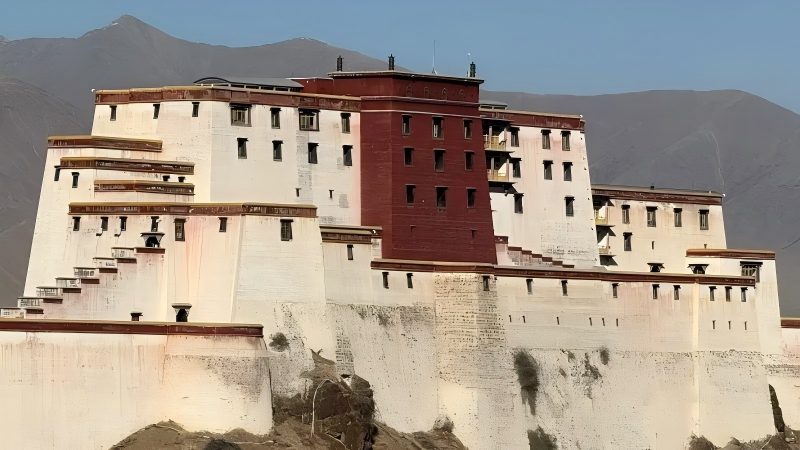
Tashilhunpo Monastery
Detailed Budget Planning
Major Attraction Tickets (Peak Season Prices):
Potala Palace: 200 RMB
Jokhang Temple: 85 RMB
Drepung Monastery: 60 RMB
Sera Monastery: 50 RMB
Tashilhunpo Monastery: 100 RMB
Pelkor Monastery: 60 RMB
Total Ticket Budget: Approximately 555 RMB per person (Small additional fees may apply for sites like Gyantse Dzong).
Transportation Costs:
Lhasa City Transportation: Primarily by taxi, approximately 100-150 RMB per day. For two days: 200-300 RMB per person (can be shared).
Lhasa-Gyantse-Shigatse-Lhasa Loop Vehicle: This segment is recommended as a chartered vehicle (a 4-person SUV is ideal). Peak season (June) charter rates are approximately 1200-1500 RMB per day. For two days total 2400-3000 RMB, per person 600-750 RMB.
Airport Transfers: Lhasa Gonggar Airport to city center, shared taxi approximately 50-80 RMB per person.
Total Transportation Budget (per person): Approximately 850 to 1,130 RMB
Accommodation Costs (Comfortable Hotel Standard):
Lhasa Accommodation (3 nights): Peak season price approximately 350-500 RMB per night per room, per person approximately 525-750 RMB (shared double room).
Shigatse Accommodation (1 night): Approximately 300-450 RMB per night per room, per person approximately 150-225 RMB.
Total Accommodation Budget (4 nights): Approximately 675 to 975 RMB per person
Food and Beverage Costs:
Daily per person food and beverage budget approximately 80-120 RMB. For 7 days total: 560-840 RMB.
Other Essential Expenses:
Guide Service Fee (Mandatory for foreign and Hong Kong/Macao/Taiwan groups): English guide approximately 600-800 RMB per day. For the full 7 days, shared by four people, per person approximately 1050-1400 RMB.
Travel Insurance (Must cover high-altitude areas): 150-250 RMB.
Miscellaneous (Reserve medicine, water, snacks, etc.): Approximately 200 RMB.
Total Budget Reference (per person):
Basic Economy (Shared vehicle/group tour): Approximately 4,000 to 5,500 RMB
Comfortable Small Group (Private vehicle and guide): Approximately 6,500 to 8,500 RMB
Note: Budget varies depending on group size, accommodation, and vehicle standards.
Document Preparation Guide for Foreign Visitors
Basic Documents:
Visitors from Hong Kong and Macau must hold a valid Mainland Travel Permit for Hong Kong and Macau Residents (commonly known as the Home Visit Permit).
Visitors from Taiwan must hold a valid Mainland Travel Permit for Taiwan Residents (commonly known as the Taiwan Compatriot Permit).
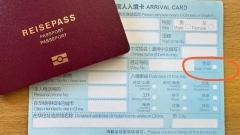
Foreign visitors must hold a passport valid for more than 6 months and a valid corresponding Chinese Visa (typically an L-Tourist Visa).
Core Document: Tibet Travel Permit (TTP)
All travelers who are not mainland Chinese citizens are required to obtain a Tibet Travel Permit, which must be applied for through a registered local Tibet travel agency on the traveler’s behalf.
Travelers must book their tour itinerary, accommodations, and guide services through a qualified agency. The agency will handle the application with the Tibet Tourism Bureau, requiring scanned copies of the traveler’s documents and a detailed travel itinerary.
Important Reminder: June is the peak tourist season. The approval process may take longer. It is crucial to initiate this process at least 20 to 30 working days in advance.
Border Permit (Aliens’ Travel Permit):
The primary destinations of this itinerary are within the regular tourist zones of Lhasa City and Shigatse City. An additional Border Permit is not required for these areas.
However, if your plans change later to include restricted areas such as Mount Everest Base Camp or Ngari Prefecture (including Mount Kailash), then obtaining a Border Permit becomes mandatory.
Practical Tips for Traveling to Tibet in June
Climate and Clothing: Daytime temperatures in Lhasa during June are warm (15-25°C), but the sunlight is very intense. Evenings are cool. It is recommended to pack long-sleeved moisture-wicking base layers, sun-protective outerwear, a wide-brimmed hat, sunglasses, and SPF 50+ sunscreen. Clothing for the Shigatse area can be similar, as altitudes are comparable. Please dress modestly when visiting monasteries.
Health and Acclimatization: Adequate rest is essential on your first day after arrival. Avoid taking showers, consuming alcohol, and engaging in strenuous exercise. Although oxygen levels are relatively higher in June, it is still advisable to carry preventive medications for altitude sickness, such as “Gao Yuan An” capsules or Rhodiola rosea supplements, and to drink plenty of warm water.
Cultural Etiquette: Always remove your hat and do not wear sunglasses inside temple halls. Do not point your finger directly at Buddha statues. When walking around sacred sites (performing a kora), always move in a clockwise direction. If you wish to take photographs of monks or devout pilgrims, always ask for permission politely with a smile beforehand.
Potential Festivals: Early June may still coincide with the concluding days of the Saga Dawa Festival (which celebrates the birth, enlightenment, and parinirvana of Buddha). During this period, you will encounter more devotees, and activities like fasting and almsgiving are common, offering a unique opportunity to observe Tibetan Buddhist religious practices.
This seven-day Lhasa-Shigatse cultural highlights tour is an excellent choice for first-time visitors from Hong Kong, Macau, Taiwan, and other countries traveling to Tibet in June. It focuses on the most quintessential religious and historical heritage of Tibet. The well-paced itinerary effectively minimizes the fatigue and unpredictability often associated with long-distance travel in high-altitude regions. The agreeable climate of June creates ideal conditions for in-depth exploration of monasteries and quiet reflection. The key to a successful trip lies in thorough advance planning—specifically, securing your Tibet Travel Permit through an official agency well ahead of your departure date and booking your Potala Palace ticket in advance. With an open and respectful mind, you will journey through the rich tapestry of history and faith over these seven days, gaining a profoundly pure and awe-inspiring first experience of Tibetan culture. Wishing you a safe and memorable journey. Tashi Delek!