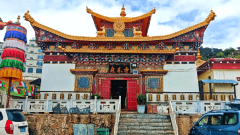

Nestled in Jiantang Town of Shangri-La, Yunnan, Ganden Sumtseling Monastery is the largest Tibetan Buddhist monastery in Yunnan Province. Hailed as the Little Potala Palace in northwestern Yunnan, it is also one of the renowned grand monasteries in the Kham region. This castle-style architectural complex built against the mountain integrates the essence of Han and Tibetan architectural art and carries a profound heritage of Tibetan Buddhism culture, making it an unmissable core attraction on any Shangri-La trip. This comprehensive travel guide to Ganden Sumtseling Monastery will provide you with all-round guidance for your journey, helping you avoid pitfalls, explore efficiently, and immerse yourself in the unique charm of this plateau sacred temple.
Travel Guide to Sumtseling Monastery: Overview of the Scenic Spot
Basic Information about Ganden Sumtseling Monastery
Ganden Sumtseling Monastery, once known as Guihua Temple in Chinese, is located on Niwang Road, Jiantang Town, Shangri-La City, about 5 kilometers from the urban area and at an altitude of approximately 3,380 meters. It is the highest monastery of the Gelug sect of Tibetan Buddhism in the Sichuan-Yunnan border area and one of the famous Thirteen Forests in the Tibetan area. First constructed in 1679, the monastery was personally site-selected and named by the 5th Dalai Lama after divination, and completed in 1681 with the approval of the Kangxi Emperor and the naming by the Yongzheng Emperor.
As a monastery that epitomizes Tibetan plastic arts, Ganden Sumtseling Monastery is not only a religious sacred place but also known as a museum of Tibetan art. It houses a large number of precious cultural relics, with a rigorous and magnificent architectural layout. It is a core window to understand the Tibetan culture of Shangri-La and the primary content to know in this travel guide.
Core Features of Ganden Sumtseling Monastery
The characteristics of this plateau monastery run through architecture, culture, religious activities and other aspects, forming the core attraction for tourists to visit, as detailed below:
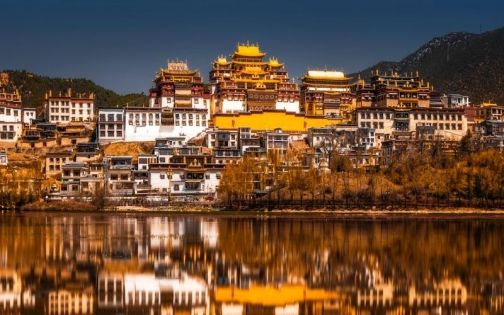
- Architectural Features: Built against the mountain and laid out in imitation of the Potala Palace in Lhasa, it is surrounded by an elliptical city wall, with a five-story Tibetan watchtower architectural complex inside. The main Zangcang Hall stands at the highest central point of the entire monastery. Dominated by red, yellow and white tones, the roof is paved with gilded copper tiles, combining the heaviness of Tibetan watchtowers with the exquisiteness of Han-style overhanging eaves. The doors, windows, beams and columns are carved with Buddhist patterns such as lotus flowers and the Eight Treasures, showcasing exquisite craftsmanship in every detail.
- Cultural Features: As an important dojo of the Gelug sect of Tibetan Buddhism, the monastery enshrines precious cultural relics such as the clay statue of Yamantaka, the gold-plated statue of Sakyamuni, and the Pali palm-leaf scriptures. Its mural and Thangka art are unparalleled, covering Buddhist stories and historical allusions with bright colors and delicate brushwork, boasting extremely high artistic and historical value. It also retains a complete living Buddha reincarnation system and the system of eminent monks residing in the monastery.
- Religious Features: A variety of traditional religious activities are held every year, among which the Cham Dance Festival and the Butter Lamp Festival are the most representative. The Cham Dance Festival is held on the 29th day of the 11th lunar month, where monks dance in masks to exorcise evil spirits and pray for blessings, and it has been listed as a provincial intangible cultural heritage. The Butter Lamp Festival is held in the first month of the Tibetan calendar, where monks shape Buddha statues and flowers with butter and light lamps, symbolizing the radiance of the Buddha’s light, with a solemn and grand scene.
Sumtseling Monastery
Travel Guide to Sumtseling Monastery: Transportation Guide
External Transportation: Arriving in Shangri-La Urban Area
To reach Ganden Sumtseling Monastery, you first need to arrive in Shangri-La urban area and then transfer to local transportation. The following are three commonly used external transportation methods for tourists to choose from:
- Plane: Arrive at Diqing Shangri-La Airport (about 5 kilometers from the urban area). After landing, you can take an airport bus directly to the vicinity of Dukezong Ancient City (ticket price about 15 CNY per person, journey 15-20 minutes), or take a taxi to the urban area (cost about 20-30 CNY, journey 10-15 minutes). It is convenient and efficient, suitable for tourists with limited time.
- High-speed Train/Train: There is no direct high-speed train to Shangri-La yet. The nearest high-speed railway station is Lijiang Station. After arrival, you can transfer to a long-distance bus to Shangri-La urban area, with a journey of about 3 hours and a ticket price of about 80 CNY per person. There are multiple departures every day (mainly from 7:00 to 16:00). It is recommended to check the schedule and buy tickets in advance.
- Long-distance Bus: There are direct long-distance buses to Shangri-La urban area from cities such as Lijiang, Dali and Kunming. Among them, the shuttle buses from Lijiang to Shangri-La are the most frequent and convenient; the journey from Kunming to Shangri-La takes about 8 hours (ticket price about 200 CNY per person), and from Dali to Shangri-La takes about 5 hours (ticket price about 120 CNY per person), suitable for tourists with a limited budget and who enjoy the scenery along the way.
Internal Transportation: From Urban Area to Ganden Sumtseling Monastery
Shangri-La urban area is about 5 kilometers from Ganden Sumtseling Monastery with convenient transportation, and you can reach it directly in various ways, as detailed below:
- Bus: Take Bus No.3 or No.16 in the urban area to the Sumtseling Monastery parking lot directly, with a ticket price of 2 CNY per person. The departure time is from 7:00 to 18:00 (one bus every 15-20 minutes) and the journey takes about 20 minutes. It is cost-effective and suitable for independent travelers.
- Taxi/Ride-hailing Service: Take a taxi from Dukezong Ancient City or any location in the urban area, with a cost of about 15-25 CNY and a journey of 10-15 minutes, which can reach the monastery entrance directly. It is convenient and flexible, suitable for 2-4 travelers or those with luggage. It is recommended to confirm the price before getting on the bus.
- Self-driving: Navigate to the ticket office of Ganden Sumtseling Monastery and drive along Niwang Road from the urban area for about 10 minutes to arrive. There is a special parking lot near the monastery (parking fee refers to local standards), suitable for self-driving tourists. Please note to control the speed and drive carefully on plateau sections.
- Chartered Car: If you plan to visit multiple scenic spots in Shangri-La in a row, you can choose to charter a car in the urban area, with a cost of about 100-150 CNY per day and the driver waiting for you throughout the journey. It is suitable for family trips or group travel, allowing flexible scheduling of the itinerary.
Travel Guide to Sumtseling Monastery: Tickets and Reservations
Ticket Prices and Composition
The ticket prices of Ganden Sumtseling Monastery are transparent, with a variety of combination options to meet the needs of different tourists. The core practical information is as follows:
- Standard Adult Ticket: 90 CNY per person, including 55 CNY for the ticket, 20 CNY for the round-trip sightseeing bus and 15 CNY for the explanation service. Tickets purchased on online platforms default to this package, with no need for additional reservations for the sightseeing bus and explanation service, suitable for most independent travelers.
- Student Ticket: 62 CNY per person, including 27 CNY for the ticket (half price), 20 CNY for the round-trip sightseeing bus and 15 CNY for the explanation service. A student ID card for full-time college and middle school students under 24 years old is required, and tickets can be purchased both online and offline.
- Separate Ticket Option: Only the ticket costs 55 CNY per person, which needs to be communicated with the ticket seller on site. The purchase of sightseeing bus and explanation service is not mandatory, suitable for travelers with good physical strength who want to wander on their own at a slow pace.
Preferential Policies (Free/Half-price)
The monastery implements clear preferential policies covering multiple groups. Tourists can prepare the relevant certificates in advance to enjoy the corresponding discounts:
- Free Ticket Groups: Elderly people over 70 years old, children under 1.2 meters, the disabled, active/retired military personnel, and tour guides with a group (all need to present the corresponding valid certificates) are exempt from the ticket fee, but need to pay for the sightseeing bus and explanation service (if needed).
- Half-price Discount Groups: Elderly people aged 60-69, minors aged 6-18, and full-time college and middle school students under 24 years old (all need to present the corresponding valid certificates) can enjoy a half-price ticket of 27 CNY per person. The fees for the sightseeing bus and explanation service are not discounted.
Reservation Methods and Notes
It is recommended to reserve tickets in advance to avoid on-site queuing. The detailed reservation methods and notes are as follows:
- Online Reservation: Search for Ganden Sumtseling Monastery in Shangri-La, Yunnan on mainstream platforms such as Ctrip, Qunar and Dahe Ticket Network, select the ticket type, fill in personal information and make payment. After successful reservation, redeem the ticket for entry with your ID card or reservation code. Tickets purchased online default to including the sightseeing bus and explanation service, which can be adjusted on site if not needed.
- On-site Reservation: Go directly to the monastery ticket office and purchase tickets on site with your ID card without advance reservation, suitable for tourists who decide to visit temporarily, and you can flexibly choose whether to buy the sightseeing bus and explanation service.
- Notes: Read the refund and modification rules of the platform carefully when purchasing tickets online; fill in accurate identity information for reservation, and only those whose person and certificate match can enter the park with the ticket; it is recommended to reserve 1-2 days in advance to avoid peak hours during the peak season (June-August, October).
Travel Guide to Sumtseling Monastery: The Best Tour Guide
Best Travel Time
Combined with the characteristics of the monastery and the plateau climate, the following best travel times are recommended to enhance the travel experience:
- Best Seasons: May-June and September-October are the best. In May-June, vegetation revives and flowers are in full bloom, with the red walls and golden roofs contrasting with the green grass, making it perfect for taking stunning photos; in September-October, the plateau is in golden autumn with a clear blue sky and golden grasslands, making the monastery look more solemn, while avoiding the rainy season and severe cold.
- Best Time of the Day: 7:40-10:00 and 16:00-18:00 every day. The soft morning light and small number of tourists are ideal for quiet sightseeing and photography; in the afternoon, as the sun sets, the gilded copper tiles shine brightly, and you can enjoy the panoramic sunset view of the monastery with an extraordinary atmosphere.
- Festival Time: If you want to experience the religious atmosphere, you can visit on the 29th day of the 11th lunar month for the Cham Dance Festival or the first month of the Tibetan calendar for the Butter Lamp Festival, where you can watch unique religious rituals and folk performances, but you need to plan in advance to cope with the peak tourist flow.
Recommended Travel Duration and Routes
Combined with the scale of the monastery and the distribution of core attractions, a reasonable travel duration and classic routes are recommended to avoid missing key spots and wasting time on redundant travel:
Recommended Travel Duration
Ordinary tourists are recommended to spend 2-3 hours (covering core attractions); photography enthusiasts are recommended to spend 3-4 hours (reserving sufficient time for taking photos); in-depth culture lovers can visit for more than 4 hours (appreciating cultural relics in detail and listening to explanations).
Classic Travel Routes
- Essence Route (2 hours, suitable for most tourists): Scenic Area Entrance → Sightseeing Bus → Lhamo Yangtso Square → Mountain Gate → Zangcang Hall → Jikang Hall → Sakyamuni Hall → Eight Kangtsens → Exit. The pace is compact, allowing you to quickly appreciate the essence of the monastery.
- Photography Route (3 hours, suitable for photography enthusiasts): Scenic Area Entrance → Sightseeing Bus → Gulong Village Viewing Platform → Lhamo Yangtso Lake → Mountain Gate → Zangcang Hall → Prayer Flag Area on the right side of the monastery → Eight Kangtsens → Exit. It covers the best photo spots, combining sightseeing and photography.
Detailed Explanation of Must-See Core Attractions
The must-see core attractions of the monastery are sorted out with detailed introductions to their characteristics, helping tourists capture the key points accurately and avoid blind sightseeing:
- Zangcang Hall: The core building of the monastery, a five-story Tibetan watchtower structure. The lower hall can accommodate 1,600 people to recite scriptures, with 108 red lacquered columns implying auspiciousness. The middle floor is the Hall of various Buddhas and the Dharma Protector Hall, and the top floor enshrines the statues of the 5th and 7th Dalai Lamas, as well as treasures such as Pali palm-leaf scriptures and Thangkas, with magnificent decorations.
- Jikang Hall: Also known as the Tsongkhapa Hall, it is a place where monks study Buddhist scriptures. The hall enshrines the 18-meter-high largest sitting statue of Tsongkhapa in the Tibetan area, exquisitely decorated all over the body. The murals focus on the life of Master Tsongkhapa, with extremely high artistic value.
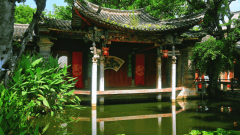
- Lhamo Yangtso Lake: A plateau lake in front of the monastery, meaning Fairy Lake. The lake water is clear and calm, and the whole view of the monastery can be clearly reflected on a clear day. The red walls and golden roofs set off against the lake and mountain scenery, making it a great place to take reflection photos, rest and enjoy the scenery.
- Eight Kangtsens: The monk group organizations under Zangcang, divided into eight according to regions, each with an independent building and courtyard, different styles and enshrined Buddha statues, showing the characteristics of Tibetan Buddhism culture in different regions and worthy of a visit.
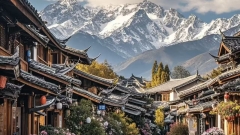
- Gulong Village Viewing Platform: The best place to overlook the panoramic view of the monastery, where you can take in the entire castle-style architectural complex at a glance. The distant snow-capped mountains and grasslands set off against the monastery, presenting a stunning scenery at dawn or dusk, and it is a must-visit place for photography.
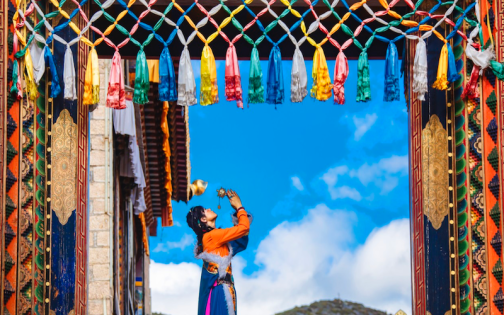
Sumtseling Monastery
Travel Guide to Sumtseling Monastery: Practical Tips
Dressing and Plateau Protection Suggestions
Ganden Sumtseling Monastery is located on the plateau with a special climate. Dressing and plateau protection directly affect the travel experience, with detailed suggestions as follows:
- Dressing Suggestions: With a high altitude and a large temperature difference between day and night, it is necessary to bring thick outerwear such as down jackets and windbreakers regardless of the season; you can wear long-sleeved shirts and thin sweaters during the day for easy layering. Dressing should be modest, and it is recommended to wear long pants and long sleeves, avoiding shorts and short skirts; choose comfortable sneakers or flat shoes for walking on many steps.
- Plateau Protection: At an altitude of about 3,380 meters, some tourists may experience altitude sickness. It is recommended to take anti-altitude sickness medicine 3-5 days in advance, slow down the pace after arrival, drink plenty of water, eat light food, and avoid drinking alcohol and staying up late. The ultraviolet rays on the plateau are strong, so you need to apply high-factor sunscreen, wear sunglasses, a hat and a mask, and you can carry a small oxygen cylinder with you for emergency use.
Tourist Code of Conduct
Ganden Sumtseling Monastery is a sacred place of Tibetan Buddhism. Tourists must abide by the code of conduct and respect the local religious beliefs and customs:
- Keep quiet when entering the monastery, no loud talking, frolicking, smoking or littering, and keep the environment clean.
- Do not touch cultural relics such as Buddha statues, ritual utensils, murals and Thangkas, and do not climb buildings or prayer flags to avoid damage.
- Tour the halls clockwise. Photography and video recording are prohibited in some halls. Please follow the guidance of the staff and do not take photos in violation of the rules.
- Communicate with monks politely, speak slowly, and do not ask sensitive questions; ask for permission in advance if you want to take photos of monks.
- Do not bring pets, flammable, explosive, toxic and harmful prohibited items into the park, and abide by the management regulations of the scenic area.
Other Practical Notes
- Opening Hours: The monastery is open all year round from 7:40 to 18:30. It is recommended to enter early to avoid the tourist peak and reserve sufficient time for sightseeing.
- Explanation Service: The explanation service of the scenic area costs 15 CNY per person. It is recommended to take the sightseeing bus and follow the explanation to deeply understand the history and culture of the monastery and avoid missing key points.
- Item Carrying: Carry your ID card, ticket, mobile phone and power bank with you. The signal on the plateau may be unstable, so download offline maps and travel guides in advance.
- Coping with Severe Weather: In case of heavy rain, heavy snow and other severe weather, suspend sightseeing and take shelter in a safe area, following the guidance of the staff.
- Itinerary Combination Suggestion: It is recommended to combine the visit to Sumtseling Monastery with Dukezong Ancient City, Pudacuo National Park and other scenic spots, and plan the itinerary reasonably to enhance the travel experience.
Travel Guide to Sumtseling Monastery: Frequently Asked Questions
Summary of High-Frequency Questions
The common questions and answers of tourists are sorted out to solve doubts in advance and facilitate a smooth visit:
- Q: The altitude of Sumtseling Monastery is high, is altitude sickness easy to occur? A: Most tourists will not experience severe altitude sickness, and a small number of people with weak physical fitness may experience dizziness, fatigue and chest tightness. Taking good plateau protection measures and slowing down the pace will suffice, and seek medical attention in time if feeling severely unwell.
- Q: Can I take photos in the monastery? A: Photography and video recording are prohibited in some halls with obvious signs, so please follow the guidance; you can take photos freely in the outer area of the monastery, Lhamo Yangtso Lake and the viewing platform.
- Q: Is it mandatory to take the sightseeing bus? A: No, it is about 1 kilometer from the entrance to the core attractions. You can walk if you have good physical strength. It is recommended to take the bus if you are physically weak or traveling with the elderly and children to save energy.
- Q: What certificates do I need to prepare for the visit? A: An ID card is required to purchase tickets and enter the park. Additional certificates such as a student ID card and an elderly ID card are needed to enjoy discounts, and the person must match the certificate to enjoy the preferential treatment.
- Q: Is there accommodation near the monastery? A: There is little accommodation around the monastery. It is recommended to choose accommodation in Shangri-La urban area, where there are a variety of hotels and homestays, only 10-15 minutes’ drive from the monastery with convenient transportation.
A Journey to the Plateau Sacred Temple: A Trip Worth Taking
As a core attraction of Shangri-La, Ganden Sumtseling Monastery carries a profound heritage of Tibetan Buddhism culture. Its magnificent architecture, precious cultural relics and pure religious atmosphere all highlight the charm of this plateau sacred temple.
Whether you are traveling independently, with family, for photography or culture, this guide will point the way for you, helping you avoid pitfalls and explore efficiently. When you visit Sumtseling Monastery, you might as well leave the hustle and bustle behind and slow down your pace, feel the power of faith among the red walls and golden roofs, and understand the profoundness of Tibetan culture through the murals and Thangkas, making your Shangri-La trip more unforgettable because of this ancient monastery.