
The harmonious peal of camel bells, echoing through the annals of time, is inextricably woven into the rich tapestry of the Silk Road’s legendary legacy. It binds together the dreams of innumerable people, the bustling trade of powerful realms, and the steadfast faith of the devout. Journeying along the ancient route from Xi’an, crossing the vast desert’s breadth, and delving into the heart of Central Asia, one discovers an splendid mosaic of cultures and their artistic splendor—a lasting tribute to the indomitable triumphs of the human spirit.
The Core Allure of Silk Road Attractions: Layered History and Vast Nature
The attractions along this legendary route can be broadly divided into two fascinating aspects: historical heritage witnessing civilizational convergence, and the natural barriers and wonders shaping its geographical character. Together, they form the rich substance of the journey.
Unmissable Historical and Cultural Sites
These Silk Road attractions are the soul of the journey, tangible footnotes to past prosperity.
- Chinese Section Highlights: The Terracotta Army and Giant Wild Goose Pagoda in Xi’an, the starting point, mark the origin of Eastern civilization. Entering the Hexi Corridor, the murals and sculptures of the Mogao Caves in Dunhuang represent the pinnacle of Buddhist art; the watchtowers of Jiayu Pass stand isolated in the Gobi, telling tales of defense and conquest; the ancient cities of Jiaohe and Gaochang in Turpan preserve the complete appearance of ancient oasis cities in the dry air.
- Central Asian Section Flavors: Entering Kazakhstan, Uzbekistan, and beyond, the ambiance shifts. The Registan Square in Samarkand dazzles with its grand Islamic architecture; the ancient city and madrasas of Bukhara seem frozen in time; the Ichon-Qala inner city in Khiva is like a living medieval museum. These locations perfectly embody the Silk Road’s role as a melting pot of cultural exchange.
Majestic Natural Landscapes Shaping the Journey
The natural environment determined the Silk Road’s path and provides unparalleled visual. These landforms themselves are the grandest Silk Road attractions.
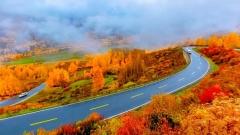
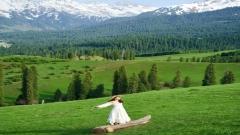
- Tianshan Mountains: This sprawling dragon is a symbol of connection and separation. Its snow-capped peaks, forests, and grasslands (like the Issyk-Kul region in Kyrgyzstan) offer distinct ecological and nomadic cultural experiences.
- Gobi and Deserts: The endless sand sea of the Taklamakan Desert was once the most feared “Sea of Death” for caravans. Today, its desert highways and oasis cities (like Kashgar) are stages for modern adventure.
- Pamir Plateau: Known as the “Roof of the World,” the snow mountains, lakes (like Karakul Lake), and perilous mountain passes (like the Khunjerab Pass) along the way offer pure scenery, where the journey itself is the challenge and the reward.
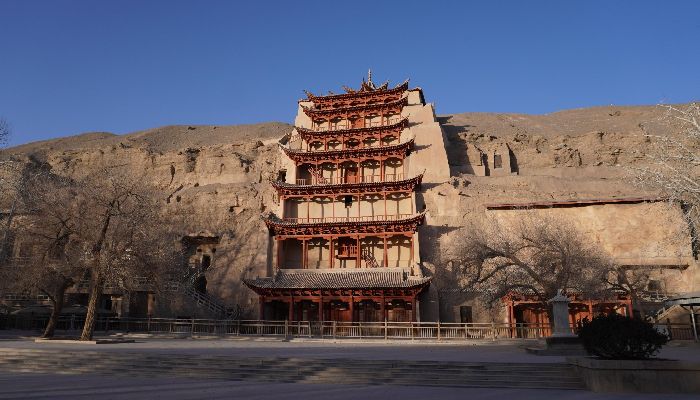
Mogao Caves in Dunhuang
The Human Landscape Flowing Between Ruins and Markets
Authentic Silk Road attractions are not merely static structures or landforms, but vibrant human landscapes. The most moving aspect of this route is the unique visage of daily life, blossoming from the layers of different civilizations piled upon one another. In the Old City of Kashgar, the clanging sound of Uyghur artisans hammering copperware intertwines with the call to prayer from the Id Kah Mosque. Meanwhile, in Bukhara, Uzbekistan, elders still gather in the shade beneath the arched gateways of ancient madrasas for a silent game of chess. You’ll discover how the shape of the samsa evolves from Xinjiang’s baked buns to Central Asia’s flaky pastries. The resplendent Atlas silk and Ikat printed cloth tell a story of dialogue between Eastern and Western textile techniques and aesthetics. Every bazaar is an open-air museum—the blocks of color formed by piled spices, the intricate patterns of handmade carpets, the glances and gestures of people trading—all are testaments to the vitality that has never ceased along this route for a millennium. To understand this is to understand that the Silk Road is more than just a “road”; it is a way of life that still breathes.
Practical Travel Tips for a Smoother Silk Road Journey
Visiting Silk Road attractions scattered across vast territory requires thorough preparation for an enhanced experience.
Visas and Documents
Confirm visa requirements for all destination countries well in advance.Many Central Asian countries now offer e-visas or visas on arrival, but Chinese visas (for foreign tourists) need prior application. Ensure your passport has sufficient blank pages and validity (usually recommended for more than 6 months after the trip ends).
Transportation and Getting Around
Inter-city travel relies mainly on planes and long-distance trains/buses.China has a developed high-speed rail and domestic flight network; sleeper trains between cities in Central Asia are a classic experience, but planes save more time. Within cities or between attractions, chartering a vehicle is a common and flexible option, especially for reaching remote natural landscapes.
Accommodation and Dining
Major cities offer options from international chains to local hotels.In some historical towns (like Khiva), staying in a boutique hotel converted from a traditional house is a unique experience. Culinary-wise, your taste buds will also embark on a feast, from Northwestern Chinese noodles and lamb to Central Asia’s abundant pilaf, samsas, and kebabs. Always have bottled water on hand.
Cultural Respect and Season
When visiting religious sites like mosques and madrasas,observe dress codes (typically requiring covered shoulders and knees). The best travel seasons are spring (May-June) and autumn (September-October), offering mild weather and avoiding summer heat and winter.
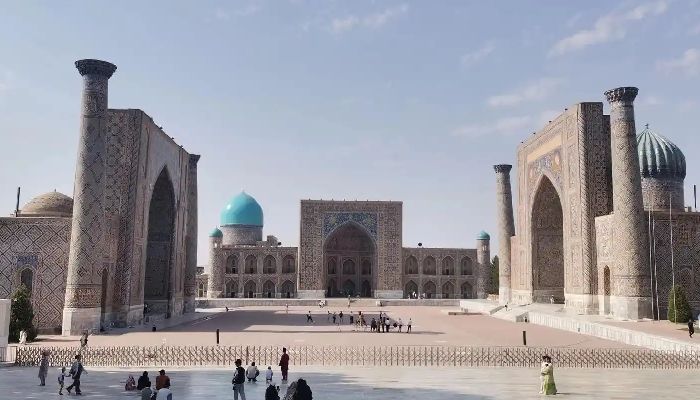
Registan Square in Samarkand
Immersive Experience Suggestions: Beyond Sightseeing
To truly feel the pulse of the Silk Road, consider trying these experiences:
- Taste traditional pilaf at a night market in Samarkand, sitting among locals.
- Try desert camping in Dunhuang, gazing up at the brilliant starry sky free from light pollution.
- Learn a simple Uzbek greeting; it will bring more smiles when shopping at bazaars.
- Collect a handmade Silk Road souvenir, like an Ikat fabric or miniature painting, to give tangible form to your journey memories.
Planning such a complex and varied itinerary, reliable advice is crucial. Whether you want to focus on China’s magnificent grottoes and passes or yearn to cross several countries the glory of the Timurid Empire, seeking professional itinerary planning can help you clarify priorities, saving precious time for the most important Silk Road attractions and experiences. China Dragon Travel has accumulated years of experience organizing cultural travel routes. We can provide comprehensive planning advice—from transportation and visa information to accommodations—based on your interests and time, making the start of your Silk Road journey more.
Let Your Silk Road Journey Become Your Personal Epic
Traversing the Silk Road is akin to tenderly feeling the heartbeat of history. The time-worn earthen ramparts, vibrant frescoes, and towering azure domes are not merely points on a map designated as Silk Road landmarks; they serve as portals to bygone eras. Embarking on this journey not only enriches one with historical insights but also fosters a deeper admiration for the variety of cultures and a profound understanding of the indomitable spirit of human exchange amidst challenges. In the process of preparing for your journey, a meticulously crafted guide can greatly enhance the depth of your exploration. From the artistic treasures within the caves of the Chinese sector to the fabled stories of the Arabian Nights in the ancient cities of Central Asia, China Dragon Travel offers tailored route planning and travel tips according to the duration of your vacation and personal inclinations, transforming your aspirations into tangible travel plans. Ready your luggage and allow this eternal path to guide you in penning your own epic saga.


![11 Day Tour[Winter Limited] Drunken Beauty Xinjiang Ice and Snow Kanas Fairy Tale New Vision](https://www.chinadragontravel.com/wp-content/uploads/2025/12/25cff76cef9e445-240x135.jpg)