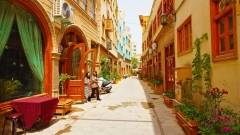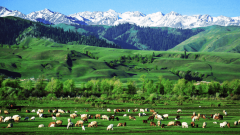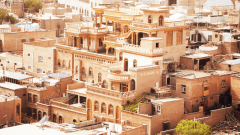

When you set foot on the enchanting and mysterious land of Xinjiang, its breathtaking landscapes and vibrant ethnic cultures are only part of the charm. What often leaves the deepest impression are the distinctive souvenirs—artifacts infused with thousands of years of Silk Road heritage. As a seasoned expert in Xinjiang travel, “China Dragon Travel” understands that every visitor hopes to bring home a meaningful keepsake rather than mass-produced tourist merchandise.
The Ultimate Guide to Xinjiang Souvenirs
Located at the heart of the ancient Silk Road, Xinjiang has long been a crossroads of East-West exchange and a melting pot of ethnic traditions. Forty-seven ethnic groups—including the Uyghur, Kazakh, Kyrgyz, and Mongolian communities – preserve rich craftsmanship that reflects their histories and worldviews. From vibrant woven textiles and intricate metalwork to flavorful local foods and everyday items with ethnic flair, Xinjiang’s souvenirs are as diverse as its people—each piece telling a story of this remarkable land.
Through years of guiding travelers, China Dragon Travel has found that many visitors experience similar dilemmas:
Which souvenirs best represent Xinjiang? How do you distinguish authenticity? Where can you buy high-quality items at fair prices?
This guide will answer all these questions in depth.
More importantly, choosing Xinjiang souvenirs is not just about buying objects—it’s about supporting local artisans*and helping preserve endangered traditional craftsmanship. As modernization accelerates, many artisans struggle to keep their crafts alive. By choosing authentic handmade items, you contribute to sustaining these invaluable cultural traditions.
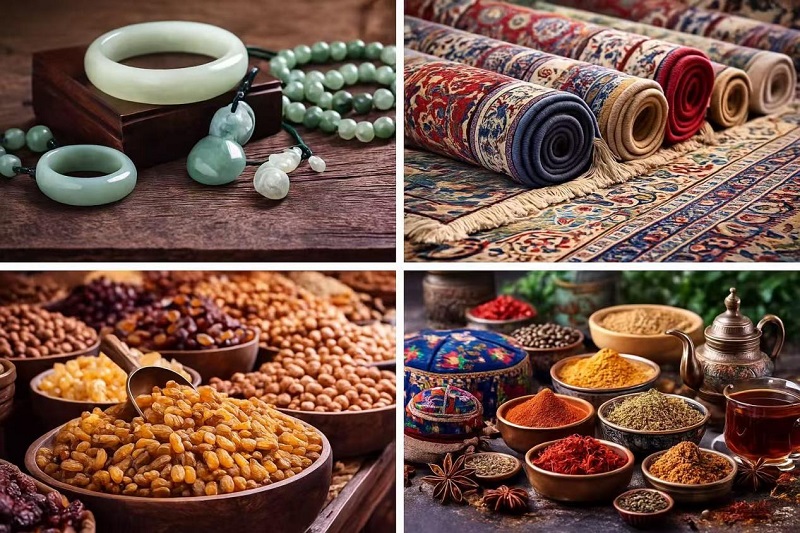
Textile Crafts — Flowing Poetry in Color
To witness the textile crafts of Xinjiang is to read a vibrant, flowing poetry written not in words, but in color, pattern, and thread. These fabrics are more than mere material; they are the tangible expressions of a rich cultural tapestry, woven over centuries along the ancient Silk Road. They tell stories of the land, its people, their beliefs, and their unbreakable connection to a vibrant heritage.
At the heart of this textile poetry stands the magnificent Atlas Silk, arguably Xinjiang’s most iconic and breathtaking contribution to the world of fabric art.
Atlas Silk — The Rainbow Beneath the Tianshan Mountains
Atlas silk is arguably the most iconic textile craft of Xinjiang. Using an ancient tie-dye technique, this silk fabric is known for its brilliant colors and unique patterns. In Uyghur, “Atlas” means “tie-dyed,” signifying a process in which warp threads are dyed before weaving. Natural plant-based dyes, applied layer by layer, produce rich gradients unmatched by modern printing.
Craft Features & Cultural Inspiration
Authentic Atlas silk uses high-quality cocoons from Hotan, with dyes often derived from safflower, walnut shells, or pomegranate rinds. Patterns are inspired by daily life—almond motifs symbolizing fertility, comb patterns representing beauty and order, and tassel shapes signifying blessings.
Buying Tips
Genuine Atlas silk feels smooth, soft, and naturally lustrous.
Color transitions should show subtle tie-dye bleeding—proof of handmade craftsmanship.
Prices for real Atlas silk scarves range from 200–500 RMB.
Best bought in Kashgar Old Town or Hotan artisan workshops.
Modern Uses
Beyond traditional clothing, designers now incorporate Atlas silk into fashion, interior decor, and contemporary art, giving this ancient craft new life.
Carpets & Tapestries — Woven Works of Art
Xinjiang carpets, especially those from Hotan, are renowned for meticulous craftsmanship and strong ethnic character. These hand-knotted carpets serve not only as household necessities but as collectible artworks.
Craft Highlights
Made from premium wool
Over 600,000 knots per square meter
Geometric motifs with pomegranate flowers, grapevines, and Central Asian patterns
Natural dyes for enduring colors
Buying Guide
Check the back: hand-knotted carpets show slight knot variations.
High-quality carpets retain shape when stood on.
Prices vary widely; small tapestries typically start from several hundred RMB.
China Dragon Travel recommends reputable shops in Kashgar International Grand Bazaar.
Cultural Value
Traditionally, Uyghur girls learn carpet weaving at a young age, creating carpets as part of their dowries—a symbol of family heritage and blessings.
Metal Crafts — Craftsmanship that Shines
Yengisar Knives — The Art of Steel
Yengisar knives are Xinjiang’s most celebrated metal craft, with a 400-year history. These knives serve both practical and artistic purposes.
Craft Features
Made from high-quality spring steel, each knife undergoes over 30 stages— forging, quenching, polishing, and carving. Handles may feature horn, silver, or copper, often inlaid with coral or gemstones. Leather sheaths showcase embossed ethnic patterns.
Cultural Significance
In nomadic culture, knives represent both function and identity. As symbolic gifts, they convey blessing, strength, and protection.
Buying Tips
Blades should be sharp, elastic, and well-balanced.
Decorations on the handle must feel solid, not loose.
Original pieces range from 200–2,000 RMB.
China Dragon Travel reminds buyers to check transport and customs regulations.
Copperware — A Craft of a Thousand Years
Kashgar’s copper market is famous for its exquisite teapots, plates, kettles, and decorative utensils.
Craft Characteristics
Hand-hammered bodies with visible artisanal marks
Floral and geometric Islamic patterns
Premium pieces feature gold-silver inlay techniques
Buying Advice
Minor imperfections indicate genuine handmade work.
Ensure handles and spouts are firmly attached.
Prices vary by size and complexity.
China Dragon Travel recommends family-run workshops in Kashgar Old Town.
Specialty Foods — Flavors of the Silk Road
Dried Fruits & Nuts — Natural Gifts of Xinjiang
Xinjiang’s climate produces some of China’s best dried fruits.
Popular Options
Turpan raisins— world-famous, with varieties like seedless white and “fragrant concubine”
Hami melon strips— naturally sweet
Hotan walnuts— thin-shelled and nutritious
Kashgar almonds— crisp and flavorful
Buying Tips
Choose items with natural color—not overly bright.
Natural fruit aroma is a good sign.
China Dragon Travel suggests bulk markets for value.
Check packaging and expiration dates.
Ethnic Teas — A Taste of the West
In the vast, arid landscapes of Xinjiang, where the ancient Silk Road once carried goods and ideas between empires, tea is far more than a mere beverage. It is a vital ritual, a symbol of hospitality, and a cornerstone of daily life for the Uyghur, Kazakh, and other ethnic communities. To taste the teas of Xinjiang is to sip on a brew steeped in history, necessity, and a unique blend of cultural influences that define this “Western” frontier of China.
Luobuma Tea
Harvested along the Tarim River, famous for calming and health benefits.
Kashgar Aged Brick Tea
A fermented tea with robust flavor, essential in Uyghur daily life.
Buying Advice
Visit trusted tea shops.
Choose different aged teas according to taste preferences.
China Dragon Travel can arrange tea-tasting and guided shopping.
Ethnic Musical Instruments — The Sound of Tradition
Dutar — The Soul of Uyghur Music
This two-stringed instrument produces soft, poetic tones.
Craftsmanship
Made from mulberry or apricot wood, decorated with ethnic carvings. A high-quality dutar requires over a month to craft.
Buying Tips
Wood should have no cracks or wormholes.
Sound must be clean, resonant, and stable.
Prices range from hundreds to tens of thousands of RMB.
China Dragon Travel recommends mid-range models for beginners.
Other Instruments
Rawap:bright, expressive 5-string instrument
Daf (hand drum):*an essential percussion instrument in festivals
Where to Shop — Best Markets for Authentic Xinjiang Souvenirs
Kashgar International Grand Bazaar
The largest ethnic craft market in Xinjiang. China Dragon Travel guides visitors to reputable shops to avoid tourist traps.
Ürümqi Erdaoqiao Market
Historic and diverse, ideal for accessible shopping.
Hotan Jade Market
A must-visit for jade lovers. Professional guidance is strongly recommended.
China Dragon Travel Tips
- Avoid buying souvenirs inside scenic areas—prices are often inflated.
- Always ask for certificates when buying jade, knives, or carpets.
- Know customs rules when purchasing metal items like knives.
Xinjiang Souvenirs Price Reference
Budget (Under 100 RMB):
Postcards, small embroidery, dried fruit packs
Mid-range (100–500 RMB):
Atlas silk scarves, copperware, mini instruments
High-end (500+ RMB):
Carpets, Yengisar knives, jade pieces
How to Identify Authentic Crafts
Textiles
Real Atlas silk has natural tie-dye gradients.
Hand-woven carpets show slight irregular knots on the back.
Metalwork
Hand-made copperware has hammer marks.
Genuine Yengisar knives have artisan stamps.
Food Items
Natural dried fruits are not unnaturally uniform or brightly colored.
Tea should be fragrant, dry, and free of impurities.
Cultural Respect & Sustainable Travel
China Dragon Travel encourages responsible cultural engagement.
Respect Local Traditions
Ask permission before photographing artisans.
Learn meaning behind cultural objects.
Negotiate politely and respectfully.
Support Sustainability
Choose handmade products, not mass-produced items.
Opt for eco-friendly packaging.
Buy from legitimate shops to ensure fair artisan compensation.
Bring Home the True Memory of Xinjiang
Xinjiang souvenirs embody the region’s deep cultural heritage and ethnic artistry. Whether it’s a wall-hung piece of Atlas silk or a finely crafted Yengisar knife, each souvenir becomes a lasting reminder of your Silk Road journey.
China Dragon Travel encourages travelers to select souvenirs with meaning, craftsmanship, and cultural depth. With our guidance, you can avoid common shopping pitfalls and discover the items that truly represent the soul of Xinjiang.
Let China Dragon Travel be your trusted partner in exploring Xinjiang’s culture, discovering authentic souvenirs, and creating unforgettable travel memories.