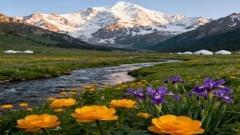

June–August: Snow-Capped Peaks, Crystal Lakes, and the Roof of the World
If you ask me when is the best time to visit the Southern Xinjiang Pamir Plateau, the answer is clear: June to August.
During this period, nearly all the highlights—snow mountains, turquoise lakes—are accessible. Temperatures range from 10–25°C, the G314 National Highway is fully passable, and the plateau is at its most hospitable.
But the Pamir Plateau is not a casual destination. Its beauty is effortless, but it will also challenge your body, judgment, and preparation in equal measure.
Pamir Plateau
1. Essential Preparations Before Departure
1️⃣ Documents: Border Permit
Key areas in Southern Xinjiang—Tashkurgan County, Muji Township, Hongqilafu Pass—are all border-controlled.
-
Where to apply: local household registration police station, or Kashgar city
-
Notes: clearly indicate “Tashkurgan + Muji Township”
-
A valid ID or passport is required; usually issued the same day
Without a border permit, you cannot access Baisha Lake, Muji Township, or Hongqilafu Pass—you’ll be turned back at checkpoints.
2️⃣ Transportation: Prepare for Distances and Sparse Fuel
Distances on the Pamir Plateau are deceptive: what seems close can take hours.
-
Vehicle: 4WD SUV or off-road capable car recommended
-
Fuel: Keep your tank at least half full; fuel stations are extremely limited after Tashkurgan
-
The roads are mostly good, but any breakdown or delay carries high risk
3️⃣ Clothing and Gear: Survival, Not Fashion
Even in July–August, the high plateau has its own rules.
Essential items:
-
Windproof jacket (softshell or hardshell)
-
Light down or warm inner layer (cold mornings/evenings)
-
High SPF sunscreen (strong UV)
-
Sunglasses (prevent snow blindness)
-
Glacier or high-altitude hiking boots if you plan to go on Mustagh Glacier
High winds can cause headaches, so a sturdy hat is critical. Gloves and earmuffs recommended for the sensitive.
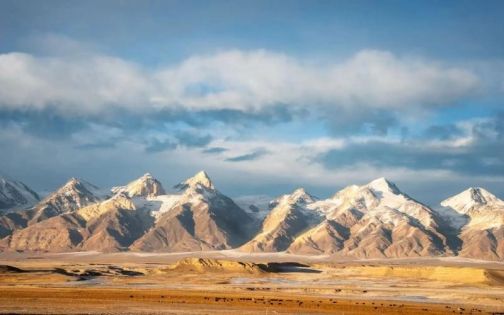
Pamir Plateau
2. Altitude Sickness: Expect It, Plan for It
The Pamir Plateau averages over 3,000 meters:
-
Tashkurgan: ~3,150 m
-
Muji Township: ~3,500 m
-
Hongqilafu Pass: ~4,733 m
Almost everyone experiences some degree of altitude sickness.
Practical Advice:
-
Start acclimatization on day one
-
Avoid running or strenuous uphill hikes
-
Limit showering or hair washing initially
-
Bring portable oxygen, glucose, and chocolate for energy
Severe symptoms? Retreating is smart, not embarrassing.
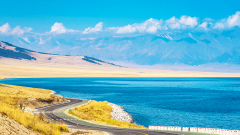
3. Baisha Lake: First Stunning Stop
📍 Navigation: Baisha Lake North Shore
✔ Free entry
✔ Parking available
✔ Wide, open views
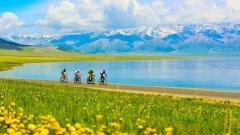
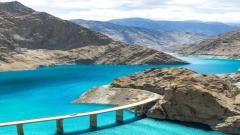
Altitude: ~3,500 m. Winds can be severe, but on a sunny day, the lake appears an unreal shade of blue.
Photo Tips & Timing:
-
Best: 2 PM – 6 PM
-
After 6 PM: great for sunset shots
-
Always check weather in advance
Shooting Spots:
-
For ice details: park ~1.3 km from navigation point on unpaved road; 10-minute walk to lake
-
For convenience: shoot directly from the north shore; good for portraits and panoramic shots
-
South Shore, Platform 2: Sand dunes + snow mountains + lake in one frame (access restricted by barriers, do not enter lake area)
⚠️ Important Reminder: Weather is critical. Clear skies needed. Even under good weather, strong winds can trigger altitude sickness; always carry oxygen and monitor symptoms.
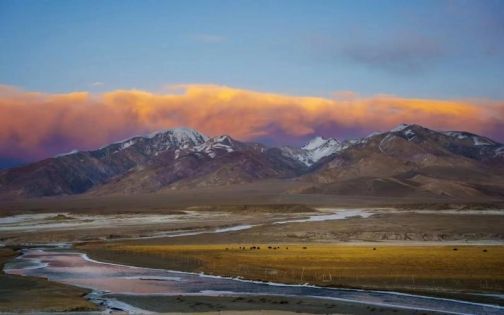
Pamir Plateau
4. Karakul Lake: Close-Up of the Mustagh Peak
If Baisha Lake is awe-inspiring, Karakul Lake is serene and meditative.
-
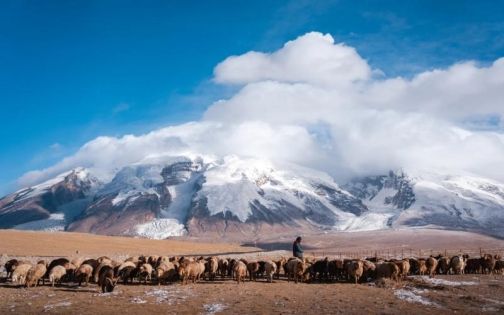
Mustagh Peak appears almost touchable
-
Walk along the boardwalk to a large rock in the lake for peaceful solo moments
-
Just snow, lake, and wind—perfect tranquility
5. Panlong Ancient Road: Curves That Teach Patience
Panlong Ancient Road is not a quick photo stop.
-
The twists and bends teach you the value of smooth roads after hardship
-
Pictures are impressive, but the real experience is even more breathtaking
6. Wacha Township & Bandier Blue Lake: Hidden Gems
On the way from Panlong to Bandier Blue Lake, you pass Wacha Township.
-
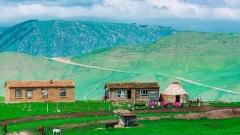
Snow-capped mountains at the village edge
-
Peaceful, off-the-beaten-path atmosphere
-
A mental bookmark for future visits
Bandier Blue Lake: Arrive before sunset.
-
Winding mountain roads open to a large lake
-
Water turns from blue to golden, reflecting sky and mountains
-
Stunning colors and mirror-like reflections
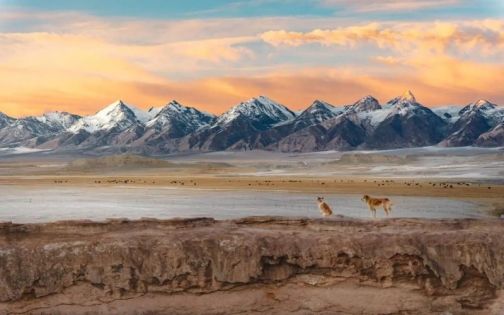
Pamir Plateau
7. Hongqilafu Pass: Touching the Sky
On the second day after mild altitude sickness, I went to Hongqilafu.
-
Mostly lying down on the ride
-
Standing at 4,700+ m, you truly feel the air is thin
-
Photos can’t capture the sensation of rarity and altitude
8. The Eye of Pamir: A Quick Grab, Perfect Shot
On the way back from Bandier Blue Lake to G314, the Pamir Eye suddenly appears.
-
Many miss it due to lack of reaction time
-
Quick snapshot recommended: 100% chance for a stunning photo
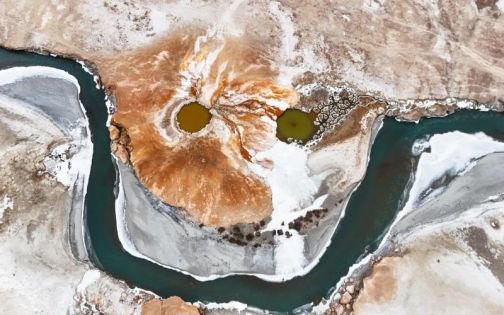
Pamir Plateau
9. Final Advice
The Pamir Plateau is not easy, but it teaches:
-
What is vast
-
What is awe
-
What is truly worth it
Prepare well, move slowly, pick good weather, and your journey will likely become one of your most memorable trips ever.
![11 Day Tour[Winter Limited] Drunken Beauty Xinjiang Ice and Snow Kanas Fairy Tale New Vision](https://www.chinadragontravel.com/wp-content/uploads/2025/12/25cff76cef9e445-240x135.jpg)