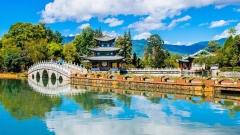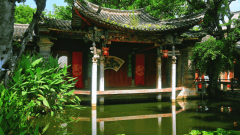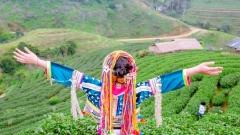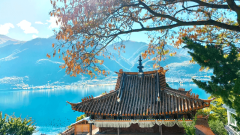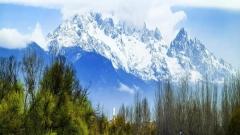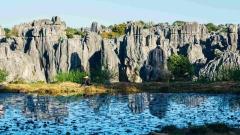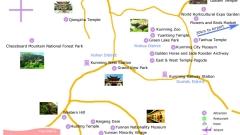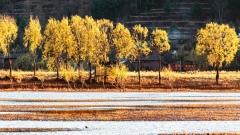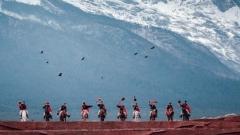

While much of the Northern Hemisphere is trapped in bitter cold and gloom, Yunnan in southwest China basks in warm, bright winter sunshine. Traveling to Yunnan in January is the perfect choice to escape the harsh winter and embrace the 15°C warm sun. Here, there are no piercing cold winds—only a sky as blue as a polished mirror, the still vibrant red earth, towering snow-capped mountains dotted with white snow, and an ethnic festival atmosphere hotter than the sun. Whether you are a hiking enthusiast in pursuit of natural wonders or an explorer indulging in diverse cultures, Yunnan in January will present a dual feast for the eyes and soul with its unique charm. This article will comprehensively analyze the weather, festivals, unmissable destinations and itinerary planning suggestions for Yunnan in January, helping you start an unforgettable winter fantasy journey.
Why Choose Yunnan in January
January in Yunnan is a wonderful combination of the off-season and a special peak season for tourism. This means you can enjoy a relatively quiet environment while immersing yourself in unique seasonal experiences.
- Ideal Climate and Comfort
Yunnan’s reputation as “ever-spring-like” is best embodied in January. Except for plateau areas such as Shangri-La where the temperature is relatively low (daily average -10°C to 10°C), most areas including Dali, Lijiang and Xishuangbanna have pleasant daytime temperatures (daily average 10°C to 20°C). The days are warm and sunny, ideal for outdoor activities; the nights are cool, so a thin coat is necessary. The dry and rainless weather makes every scene particularly clear and bright, which is an excellent time for photography.
- Avoid Crowds and Enjoy Tranquility
Compared with peak travel periods such as the National Day holiday and Spring Festival, January is a relatively flat season for tourism. You can stroll more leisurely on the stone roads of Lijiang Ancient Town without jostling with crowds; you can find a peaceful spot by Erhai Lake all to yourself; you can communicate more deeply with local people and experience the authentic pace of life in Yunnan. Hotel and transportation prices are also more reasonable, offering great value for money.
- Unique Winter Landscapes
Yunnan’s landscapes in January are extremely rich in layers: Yuanyang Terraces enter the irrigation period, like countless mirrors inlaid in the mountains, reflecting the sky and the glow of the morning and evening, making it a golden season for photography; Jade Dragon Snow Mountain and Meili Snow Mountain have the thickest snow cover, and the probability of witnessing the spectacular scene of the Golden Summit at sunrise is extremely high; Dianchi Lake and Lugu Lake welcome thousands of black-headed gulls, becoming a lively scenic line; while Xishuangbanna maintains a lush summer-like scene.
- Rich and Colorful Ethnic Festivals
January is a peak period for ethnic festivals in Yunnan. Starting from New Year’s Day, various New Year celebrations and sacrificial activities follow one after another, which is the best window to deeply understand the cultures of ethnic groups such as the Dai, Yi, Bai and Hani. If your schedule coincides with these festivals, it will add unique cultural depth to your journey.
Unmissable Core Experiences and Destinations in Yunnan in January
When planning your Yunnan travel itinerary for January, you can combine the following core dimensions to create your own exclusive winter memories.
Soak Up the Warm Sun and Lake Scenery: The Classic Dali-Lijiang-Lugu Lake Route
This is Yunnan’s most classic and winter-friendly route combination, with convenient transportation and diverse experiences. It is recommended to arrange 6-8 days to fully experience the characteristics of each place.
In-depth Experience in Dali
Cycle or drive around Erhai Lake and enjoy the warm sun amid the “wind, flowers, snow and moon” scenery. It is advisable to choose early morning or evening when the light is soft and the scenery is the most beautiful. Climb Cangshan Mountain, and you can take the Gentong Cableway to overlook the panoramic view of Erhai Lake. In January, Dali Ancient Town is more leisurely and less noisy—you can find a café with sunshine in the ancient town and spend a relaxing afternoon. The nearby Xizhou Ancient Town is also worth a visit, where the Bai ethnic-style dwellings and pastoral scenery have unique charm.
Winter Activities in Lijiang
Lijiang Ancient Town is particularly warm under the winter sun. It is recommended to go to the Lion Mountain Viewing Platform in the morning to take photos of the panoramic view of the ancient town with Jade Dragon Snow Mountain in the background. Jade Dragon Snow Mountain is the highlight of this trip. It is advisable to book tickets for the Grand Cableway in advance to reach the Glacier Park at an altitude of 4,506 meters and feel the shock of the snow-covered land up close. The Blue Moon Valley at the foot of the mountain still presents a dreamy blue-green color in winter, forming a sharp contrast with the snow mountain. Shuhe Ancient Town is quieter than Dayan Ancient Town, suitable for tourists who like tranquility.
Explore the Secret Realm of Lugu Lake
It takes about 4 hours by car from Lijiang to Lugu Lake. In winter, the lake surface is often accompanied by dreamy morning mist. It is recommended to stay one night on Lige Peninsula and get up early the next day to take photos of the morning mist and sunrise. Take a pig trough boat to tour the lake, visit the Mosuo families and learn about the unique “walking marriage” culture. If the weather is clear at night, you can admire the bright starry sky.
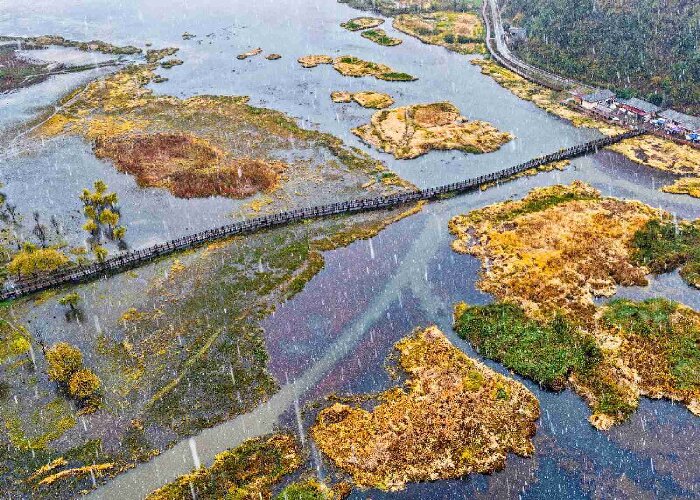
Lugu Lake in Winter
Chase Winter Wonderland and Tibetan Customs: The Shangri-La Secret Route
For travelers who are not afraid of cold and pursue extreme scenery, Shangri-La in January is like a fairy tale world. It is recommended to arrange 4-5 days to acclimatize to the high-altitude environment.
Songzanlin Monastery looks more solemn and sacred under the snow. The morning scriptures chanting and the smoke from burning pine branches bring a peaceful power. Some areas of Pudacuo National Park may be closed due to ice and snow in winter, but the open boardwalks still allow you to enjoy the snow scenery and rime. Meili Snow Mountain is the highlight of this trip. Traveling from Shangri-La to Deqin, Feilai Temple is the best place to watch the Golden Summit at sunrise. January is the dry season, so the probability of seeing this magnificent scene is very high. Napahai Lake retreats into “Yila Grassland” in winter, with snow-capped mountains in the distance and cattle and sheep nearby, presenting a vast and boundless view.
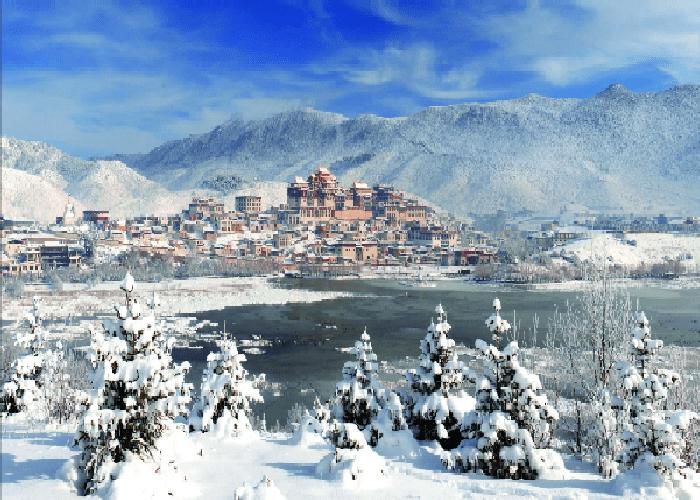
Songzanlin Monastery in Winter
Immerse in Tropical Rainforest and Dai Customs: The Xishuangbanna Winter Escape Route
If you want to completely escape winter, Xishuangbanna is the only choice. The average temperature here in January is 13°C-25°C, just like early summer. It is recommended to arrange 4-5 days.
Essence Tour of Xishuangbanna
The Xishuangbanna Tropical Botanical Garden of the Chinese Academy of Sciences covers a vast area, and it is advisable to arrange a whole morning or afternoon for visiting. At Wild Elephant Valley, you can watch elephant shows and learn more about Asian elephant protection. Manting Park is connected to the Main Buddhist Temple, allowing you to experience Dai royal gardens and Buddhist culture. The Starlight Night Market is brightly lit every night, which is a great place to taste Dai snacks and buy handicrafts.
Participate in Lively Ethnic Festivals and Feel the Cultural Pulse
Festivals in January are the highlights of the itinerary. If your schedule coincides, it is definitely worth a special trip. Participating in these activities can let you deeply understand the local culture, but you need to pay attention to respecting local customs.
Introduction to Major Festivals
The Hani “Angma Tu” Festival is mainly held in Yuanyang area of Honghe Prefecture, with grand activities such as long street banquets and singing and dancing performances. The Yi “Costume Competition Festival” is known as “the earliest rural catwalk show”, with colorful costumes, which is a paradise for photography enthusiasts. The Lisu “Kuoshi Festival” features activities such as crossbow shooting and singing and dancing, with a lively atmosphere. The Jingpo “Munao Zongge” is a large-scale event known as “the ten-thousand-people carnival dance”.
Yunnan January Travel Itinerary Planning Suggestions (7-10 Days Examples)
Route A: Classic Warm Sun and Culture Tour (7-8 Days)
- Arrive in Kunming, acclimatize to the altitude, and visit Dianchi Lake to see seagulls.
- Take the bullet train from Kunming to Dali (about 2 hours) and visit Dali Ancient Town in the afternoon.
- A one-day tour around Erhai Lake (including Xizhou, Shuanglang, etc.).
- Take the bullet train from Dali to Lijiang (about 1.5 hours) and visit Lijiang Ancient Town in the afternoon.
- A full-day tour of Jade Dragon Snow Mountain (Glacier Park, Blue Moon Valley).
- Take a bus from Lijiang to Lugu Lake (about 4 hours) and tour around the lake.
- Watch the morning scenery of Lugu Lake, return to Lijiang, and end the trip.
Itinerary Tips: This route covers Yunnan’s most classic scenic spots, suitable for first-time visitors to Yunnan. Winter transportation is relatively smooth, but there may be occasional snow on the mountain roads to Lugu Lake—please choose regular vehicles.
Route B: In-depth Tour of Secret Snow Mountains and Festivals (9-10 Days)
- Arrive in Lijiang.
- Visit Jade Dragon Snow Mountain and its surrounding areas in Lijiang.
- Take a bus from Lijiang to Shangri-La and visit Tiger Leaping Gorge along the way.
- A one-day tour of Pudacuo National Park.
- Take a bus from Shangri-La to Deqin (Feilai Temple).
- Watch the Golden Summit of Meili Snow Mountain at sunrise and return to Shangri-La.
- 7-9 Days Adjust according to the festival schedule and participate in local festival activities.
- 10. Return trip.
Itinerary Tips: This route is suitable for tourists with a deep interest in natural scenery and ethnic culture. In high-altitude areas, pay attention to keeping warm and preventing altitude sickness.
Route C: Tropical Rainforest Leisure Tour (5-6 Days)
Take a direct flight to Jinghong, Xishuangbanna. Centered on Jinghong, arrange one major scenic spot every day (Botanical Garden, Wild Elephant Valley, Manting Park, etc.), and fully enjoy the night market food and slow-paced life.
Itinerary Tips: This route is relaxing and casual, especially suitable for family trips or tourists who want to escape the cold. Xishuangbanna has a pleasant climate in winter, but the temperature difference between morning and evening is relatively large—please prepare an appropriate amount of clothing.
Pre-trip Preparation and Practical Tips
- Clothing Preparation
Adopt the “layered dressing method”: base sweat-wicking layer + middle warm layer (fleece/thin down jacket) + outer windproof and waterproof coat. Yunnan has a large temperature difference between day and night, and it is common to experience four seasons in one day. A pair of comfortable and waterproof hiking shoes is essential. Sunglasses, high-factor sunscreen and lip balm are must-haves, as ultraviolet rays are still strong in winter.
- Health and Altitude Sickness Prevention
Lijiang (2,400 meters) and Shangri-La (3,300 meters) are high-altitude areas. Please move slowly, avoid strenuous exercise, do not take a bath on the first night, and drink plenty of water. You can prepare some Rhodiola rosea (take in advance), ibuprofen (to relieve headaches) and glucose. Xishuangbanna has a low altitude, so there is no need to worry about this.
- Transportation Arrangements
Domestic air routes are well-developed, with airports in Kunming, Lijiang, Xishuangbanna, Dali, Tengchong and other places. The high-speed rail network connects Kunming, Dali and Lijiang, which is very convenient. Cross-regional travel (such as from Lijiang to Shangri-La, Xishuangbanna to other areas) mainly relies on long-distance buses or chartered cars. For tourists who want a smoother itinerary connection, they can also consider booking transportation and arranging trips through professional travel service agencies—for example, some tourists choose China Dragon Travel to assist in planning complex multi-city transportation and activities.
- Accommodation and Reservations
January is not the peak season, but it is still recommended to book in advance, especially for characteristic inns and hotels in popular destinations (Lijiang, Dali). Prices will rise sharply during the Spring Festival (usually in late January or February), so early planning is necessary. When choosing accommodation, you can consider hotels with floor heating or air conditioning, as the nights are cold in winter.
- Food Experience
Yunnan cuisine is rich and diverse. Cross-bridge rice noodles, wild mushroom hot pot (dried mushrooms are still available in winter), steam pot chicken, Dai-style barbecue (such as lemongrass grilled fish), and Lijiang preserved pork ribs are all worth trying. Pay attention to food hygiene and taste local specialties in moderation. In winter, you can drink more hot water and supplement vitamins appropriately.
- Photography Suggestions
The light is soft in winter, which is a good time for photography. It is recommended to bring a wide-angle lens for landscape photography and a telephoto lens for details and bird photography. The light before sunrise and after sunset is most suitable for shooting. For Yuanyang Terraces, it is recommended to shoot in the early morning and evening when the light angle is the best.
Start Your Exclusive Winter Journey in Yunnan
Traveling to Yunnan in January is far more than just a simple winter escape. It is capturing the first ray of dawn in the mirror-like Yuanyang Terraces, feeling the shock of looking up at the starry sky under Meili Snow Mountain, enjoying the joy of tasting spicy and sour food in a Dai bamboo house, and dancing with compatriots of all ethnic groups by the bonfire. It is a comprehensive experience that combines extreme natural scenery, profound cultural heritage and a warm climate.
Whether it is a well-planned independent trip or a journey where you want to save worry and effort and focus on the experience, making preparations in advance will make your trip more complete. Professional travel planning can help you better grasp the festival time, connect transportation between different regions, and deeply experience the local culture. If you need more assistance in planning, China Dragon Travel can provide you with comprehensive support from itinerary customization to on-site execution, allowing you to enjoy this winter adventure more easily.
Hope this detailed guide will be a powerful assistant for you to plan your Yunnan travel in January. This winter, come to Yunnan to feel a different kind of warmth! Wish you a warm, colorful and surprising winter in colorful Yunnan!