
The Butter Lamp Festival is one of the most important traditional festivals in Tibet every year. For tourists planning to travel to Tibet, it is a precious opportunity to deeply experience the local culture. This article comprehensively introduces the specific details of the Butter Lamp Festival, including its origin, main activities, best viewing locations, and offers detailed itinerary planning suggestions and practical precautions. It aims to help tourists plan and prepare efficiently, thereby smoothly participating in and fully experiencing the atmosphere of this unique festival.
Understanding the Origin and Significance of the Butter Lamp Festival
Known as “Ganden Ngamchoe” in Tibetan, the Butter Lamp Festival is held on the 15th day of the first lunar month in the Tibetan calendar, with the corresponding Gregorian date usually falling between February and March, varying each year. The establishment of this festival is closely related to Je Tsongkhapa, the founder of the Gelugpa Sect of Tibetan Buddhism. Initially, it was held to commemorate the grand lamp-offering ceremony he held at Jokhang Temple in Lhasa, and later gradually developed into a grand celebration involving the entire people.
For tourists, understanding the basic meaning of the festival helps to better appreciate various activities. The core significance of the Butter Lamp Festival lies in expressing devout prayers and good wishes through offering lamps. People believe that lighting butter lamps symbolizes illuminating wisdom, dispelling troubles, and praying for peace and auspiciousness in the new year. In addition, the festival marks the successful conclusion of a series of large-scale winter religious ceremonies in Lhasa, so the entire celebration combines a solemn religious ritual sense with a lively folk festive atmosphere.
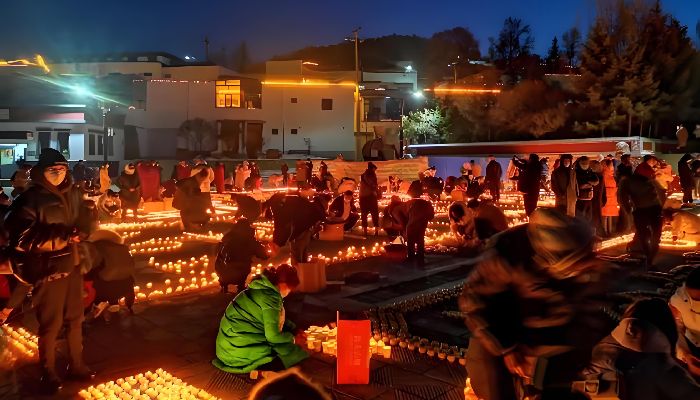
Night View of Barkhor Street During the Butter Lamp Festival
Main Activities During the Butter Lamp Festival
The experience on the festival day mainly revolves around two core activities, which are also the focus of tourists’ attention.
Visiting Butter Sculpture Exhibitions
This is the most ornamental part of the Butter Lamp Festival. Before the festival, monks from major monasteries in Lhasa, such as Sera Monastery, Drepung Monastery, and Jokhang Temple, spend a lot of time handcrafting various sculptures using butter as the raw material, mixed with various natural mineral pigments. These works cover a wide range of themes, including Buddha statues, scenes from Buddhist stories, flowers, animals, and buildings, with rich colors and exquisite details. During the festival, these butter sculptures are displayed centrally in designated areas of the monasteries for public viewing, serving as an important window to appreciate traditional Tibetan handicrafts.
Participating in Night Lamp-Lighting and Circumambulation Activities
This is the climax of the Butter Lamp Festival. As night falls, a large number of local residents and tourists gather on the circumambulation path centered on Barkhor Street in Lhasa. Many people hold lit butter lamps or electronic lamps and perform circumambulation to pray according to the traditional route. At the same time, the windowsills of residential buildings along the street are lined with flickering butter lamps. Thousands of lights converge into a flowing belt of light, creating a spectacular scene. Integrating into this activity personally allows you to most directly feel the collective participation spirit and strong cultural atmosphere of the festival.
Recommended Viewing Spots for the Butter Lamp Festival:
- Barkhor Street Circumambulation Path: The core area to experience the night mass circumambulation and lamp-lighting ceremony, with the most lively atmosphere.
- Jokhang Temple Square: Wide view, convenient for observing crowds and the overall activity scene.
- Sera Monastery or Drepung Monastery: The preferred locations for focusing on appreciating butter sculpture artworks, with relatively concentrated exhibits and stronger artistry.
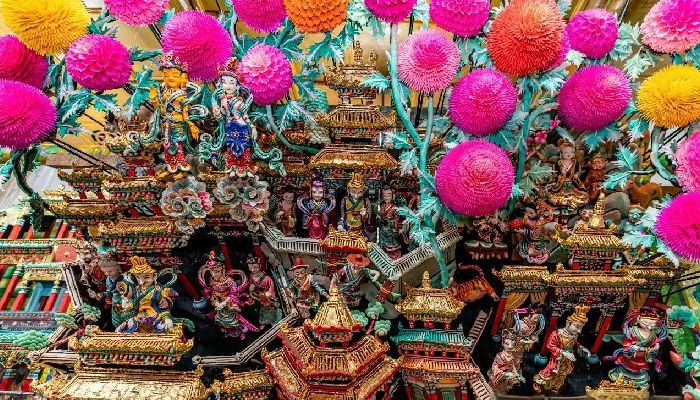
Butter Sculptures in the Monastery
Detailed Itinerary Planning Steps for the Butter Lamp Festival
To successfully participate in the Butter Lamp Festival, careful prior arrangements are required. The following steps are for reference.
Step 1: Confirm the Specific Date and Arrange Arrival Time
Since the festival follows the Tibetan calendar, its Gregorian date changes every year. The primary task of planning the itinerary is to accurately check the Gregorian date corresponding to the Butter Lamp Festival in the year you plan to travel. It is recommended to arrange your arrival in Lhasa at least one to two days before the start of the festival. This not only reserves time to acclimatize to the plateau climate and alleviate possible altitude sickness but also ensures sufficient leeway to handle travel procedures and feel the gradually intensifying preparation atmosphere before the festival.
Step 2: Design the Activity Sequence on the Festival Day
A reasonable and efficient arrangement is to adopt the plan of “visiting exhibitions in the afternoon and performing circumambulation at night”. You can first go to Sera Monastery or Drepung Monastery to visit the butter sculpture exhibition in the afternoon when the light is good. At this time, there are relatively fewer tourists than at night, allowing you to view the details more leisurely. After sunset, transfer to the Barkhor Street area, join the night circumambulation and lamp-lighting crowd, and experience the core collective activity of the festival. Note that the butter sculpture exhibitions in some monasteries may only be open on the festival day or one or two days before and after.
Step 3: Essential On-Site Practical Information
- Fully prepare for cold weather: The festival is held on winter nights on the plateau, with very low temperatures and obvious wind-chill effect. You must prepare the warmest clothing, including thick down jackets, warm hats, gloves, scarves, and shoes with good anti-slip and warm functions.
- Pay attention to personal and property safety: This is one of the most crowded periods in Lhasa throughout the year. Please ensure the safety of your documents, wallet, mobile phone, and other personal belongings. Try to travel with companions and avoid going to non-main areas or narrow alleys alone. There are usually staff guiding the order on site; please cooperate with them.
- Abide by basic photography etiquette: Photography is allowed, but respect should be maintained. Do not directly shine a flash on the butter sculptures, as strong light and heat may damage the fragile works. When taking photos of others, it is advisable to seek their consent first through gestures or eye contact. Do not stay in main passages for a long time to take photos to avoid blocking the flow of people.
- Attach importance to the prevention and management of altitude sickness: Cold weather and night activities may increase physical burden, inducing or worsening altitude sickness. Ensure adequate rest during the day, drink plenty of warm water, and avoid strenuous exercise. Carry common medications to relieve altitude sickness with you. If you experience severe headaches, palpitations, difficulty breathing, or other discomfort, immediately stop activities, return to your accommodation to rest, and seek medical help if necessary.
Pre-Trip Cultural and Material Preparation for the Butter Lamp Festival
Adequate preparation can significantly enhance the depth and quality of the travel experience.
Learning Basic Cultural Background Knowledge
Before departure, you can spend some time briefly learning about the historical status of Je Tsongkhapa, the origin story of the Butter Lamp Festival, and the basic religious significance of circumambulation activities. This background knowledge will help you not only see the superficial lively scene but also understand the cultural logic and emotional expression behind it during the on-site activities, making the experience go beyond mere sightseeing.
Carrying a Attitude of Respect and Tolerance
Please always participate in the festival activities as a guest and observer, respecting all religious rituals and local customs. Keep quiet and speak in a low voice in monasteries and circumambulation sites, and abide by the on-site order. Please remain patient and understanding for possible crowds and slow progress during the activities. A friendly and respectful attitude is the foundation for good interaction.
Evaluating the Necessity of Professional Travel Services
Considering that accommodation and transportation resources in Lhasa are usually very tight during the Butter Lamp Festival, and overseas tourists need to go through relevant procedures to enter Tibet, cooperating with a travel agency with rich experience in organizing festival activities can often make the itinerary arrangement smoother. For example, China Dragon Travel can provide tourists with accurate festival schedules, assist in planning the overall itinerary including the festival, book accommodation for specific dates, and offer on-site support when necessary, allowing tourists to focus more energy on cultural experiences.
How to Experience the Butter Lamp Festival in Tibet with Cultural Understanding
For travelers visiting Lhasa during late winter or early spring, the Butter Lamp Festival is far more than a seasonal celebration. It offers a rare opportunity to witness how religious devotion and everyday community life come together in Tibetan culture. Unlike routine temple visits, this festival is marked by active participation from local residents, creating an atmosphere that is deeply immersive and emotionally powerful.
By understanding the origins of the festival, the meaning behind butter lamp offerings, and the structure of the main activities, visitors can move beyond passive observation. Whether viewing intricate butter sculptures in monasteries or joining the evening kora around Barkhor Street, informed participation allows for a richer and more respectful cultural experience.
It is also important to recognize that travel conditions in Lhasa during the Butter Lamp Festival differ significantly from normal days. Accommodation availability, crowd density, and cold nighttime temperatures all require careful planning. With accurate timing, proper preparation, and, when necessary, professional travel support, visitors can minimize logistical challenges and focus on what truly matters—experiencing the spiritual warmth and cultural significance of the Butter Lamp Festival in Tibet.