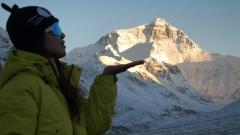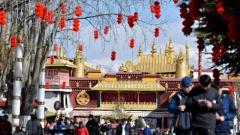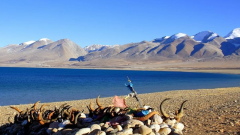

For many travelers, Tibet is first imagined as a land of dramatic mountains, vast grasslands, and sacred lakes. Yet those who have truly experienced Tibet often agree: the deepest impressions come not from landscapes alone, but from moments of faith, ritual, and daily life woven quietly into the rhythm of the plateau.
From July to December, Tibet gradually moves away from peak sightseeing season and enters a period where cultural and religious life becomes more visible, more authentic, and more intimate. Festivals during this time are not staged performances—they are living traditions deeply rooted in Tibetan society.
For travelers seeking cultural depth rather than surface-level sightseeing, the second half of the year is often the most rewarding time to visit Tibet.
July: Shoton Festival — The Grandest Festival in Tibet
Time: Late July to early August (30th day of the 6th Tibetan lunar month)
Main Locations: Lhasa, Drepung Monastery, Norbulingka
The Shoton Festival, widely regarded as the largest and most important festival in Tibet, holds both religious and social significance. The word “Shoton” literally means “Yogurt Banquet,” originating from the tradition of laypeople offering yogurt to monks after their summer retreat.
Today, the festival’s most iconic moment is the giant Thangka unveiling ceremony at Drepung Monastery. At dawn, a massive sacred image is slowly unfolded on the mountainside while thousands of pilgrims gather in silence and prayer. The scale, devotion, and atmosphere make this one of the most powerful religious scenes in Tibet.
After the religious ceremonies, the festival takes on a joyful, communal tone. Families gather in Norbulingka for picnics, traditional Tibetan opera performances, music, and dancing—transforming sacred observance into a vibrant cultural celebration.
👉 Travel Tip:
Shoton Festival is the busiest time of the year in Lhasa. Accommodation, guides, and transportation should be booked well in advance.
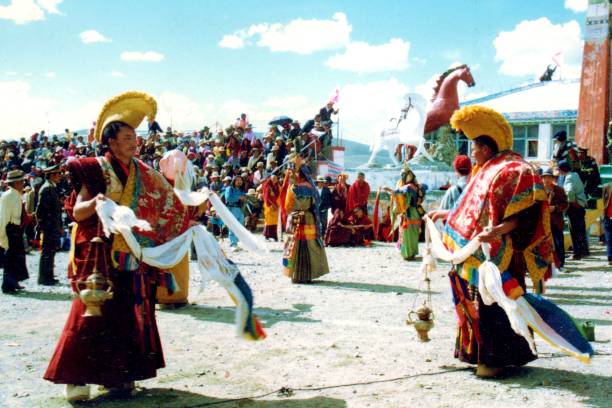
Shoton Festival in Tibet
August: Tibetan Opera Festival — A Living Cultural Heritage
Time: August
Main Locations: Lhasa and surrounding monasteries
With a history of over 600 years, Tibetan Opera (Ache Lhamo) is one of the most important expressions of Tibetan cultural identity. Recognized as an intangible cultural heritage, Tibetan opera combines storytelling, chanting, dance, and symbolic masks.
During the Tibetan Opera Festival, performance troupes from different regions gather to present full-day outdoor performances, often starting in the morning and lasting for several hours. The stories typically depict Buddhist teachings, historical legends, and moral tales passed down through generations.
👉 Cultural Insight:
Even without understanding the Tibetan language, travelers can appreciate the rhythm, movement, and emotional depth of the performances—making this festival an ideal introduction to Tibetan performing arts.
September: Ongkor Festival — The Harvest Celebration of the Plateau
Time: September (varies by region)
Main Locations: Shannan, Gyantse, and rural areas near Shigatse
The Ongkor Festival is one of the oldest Tibetan folk festivals, deeply connected to agriculture and gratitude toward nature. The name “Ongkor” means “circling the fields,” symbolizing prayers for a good harvest and future prosperity.
Villagers dress in traditional attire, carry prayer flags and barley wine, and walk ceremonially around farmlands while chanting blessings. The ritual reflects Tibetans’ profound respect for the land and their spiritual connection to agriculture.
Festivities continue with horse racing, archery, singing, and dancing—bringing entire communities together in celebration.
👉 Travel Highlight:
Ongkor Festival is rarely commercialized and offers travelers a rare opportunity to witness authentic village life and traditions.
October: Pilgrimage and Sacred Journeys in the Golden Autumn
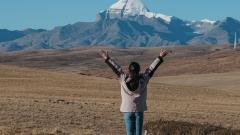
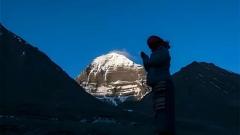
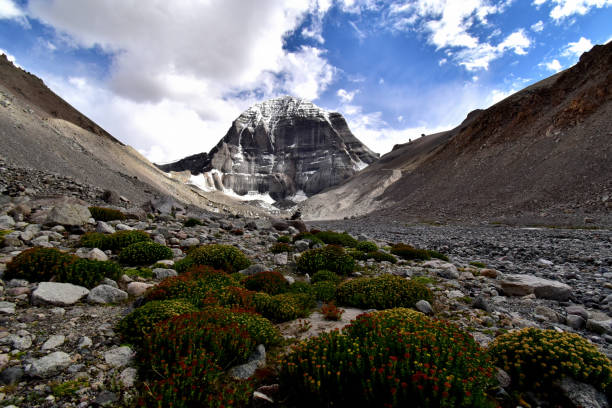
October is not marked by a single major festival, but it is one of the most important months for pilgrimage and religious practice. With stable weather and clear skies, many Tibetans undertake sacred journeys to holy sites such as Mount Kailash or perform pilgrimages at Lhasa’s three great monasteries—Drepung, Sera, and Ganden.
Visitors during this time can observe daily debates, chanting sessions, and devotional practices that form the backbone of Tibetan monastic life.
👉 Best For:
Cultural explorers, photographers, and travelers seeking quiet spiritual immersion rather than festival crowds.
Mount Kailash
November: Butter Lamp Festival — Lighting the Path of Wisdom
Time: 25th day of the 10th Tibetan lunar month (usually November)
Main Locations: Lhasa and monasteries throughout Tibet
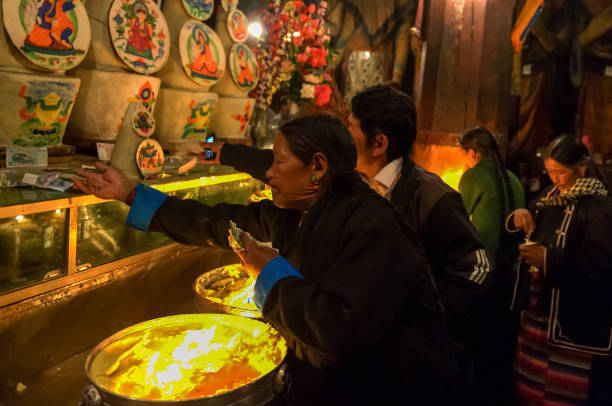
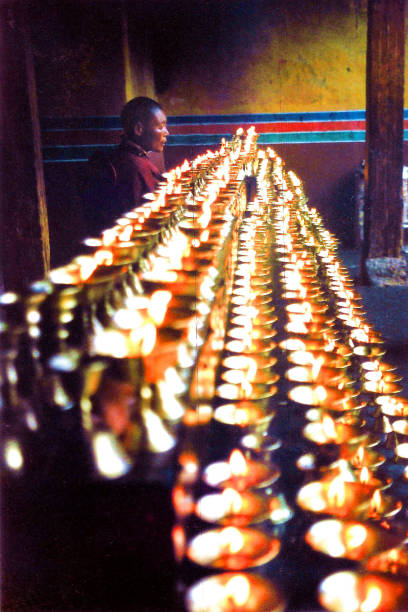
The Butter Lamp Festival commemorates the passing of Je Tsongkhapa, founder of the Gelug school of Tibetan Buddhism. On this night, thousands of butter lamps are lit in monasteries, homes, and along streets, symbolizing the triumph of wisdom over ignorance.
As darkness falls, Lhasa glows with flickering lights, creating an atmosphere of reverence and serenity. Devotees pray quietly, offering lamps for peace, compassion, and enlightenment.
👉 Visitor Note:
This is a solemn and spiritual event. Silence, respectful behavior, and discreet photography are essential.
December: Preparing for Tibetan New Year — Rituals of Daily Life
While December does not feature major public festivals, it is a deeply meaningful period in Tibetan life. Families begin preparing for Losar (Tibetan New Year) by cleaning their homes, making traditional fried pastries (kapse), and stocking ritual offerings.
Markets in Lhasa become livelier as households gather supplies, creating a warm and anticipatory atmosphere. For travelers, this period offers a rare glimpse into Tibetan daily life beyond formal ceremonies.
👉 Travel Advantage:
Fewer tourists, slower pace, and more opportunities for genuine cultural observation.
From July to December, Tibet reveals a quieter yet deeper side of itself. These months are less about spectacle and more about connection—to faith, to tradition, and to community life.
For travelers seeking more than scenery, the second half of the year offers an unparalleled opportunity to experience Tibet as it truly is: living, spiritual, and profoundly human.