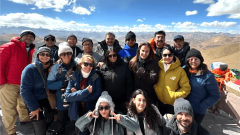

For foreign travelers planning to visit Tibet in January, understanding the local weather is the primary step to ensure a smooth trip. Tibet’s January weather differs from most areas in mainland China, falling into the typical plateau cold winter. It is generally cold, dry and windy, but there are plenty of sunny days with abundant sunlight, allowing you to enjoy the unique and charming snow-covered plateau scenery. At this time, there are relatively few tourists in Tibet, making the scenic spots more pure and magnificent. As long as you take targeted cold-proof and anti-altitude sickness measures, you can have an unforgettable travel experience. Next, we will provide you with a comprehensive January travel guide for Tibet, covering weather details, equipment preparation, recommended attractions and more.
Tibet’s January Weather: Sunny Days Amidst Cold and Dryness
The most prominent feature of Tibet’s January weather is low temperature and dryness, with an average temperature ranging from -20°C to -2°C. The temperature varies greatly in different regions due to altitude differences. As the core city of Tibet, Lhasa has an average temperature of about -4°C to 8°C in January. It is relatively mild during the day under the sun, but the temperature drops sharply at night, with a temperature difference of more than 10°C between day and night. Higher-altitude areas in northern and western Tibet, such as Nagqu and Ali, are even colder, with average temperatures often below -10°C and extreme low temperatures reaching -25°C.
At this time, Tibet has very little precipitation and low air humidity, belonging to the dry season. Snowfall is mainly concentrated in plateau lakes and high-altitude mountainous areas such as Namtso and Mount Everest. Cities like Lhasa and Shigatse have fewer snowfall days, mostly scattered snow that melts quickly. In addition, Tibet experiences strong winds in January, especially in the afternoon and night. Strong winds of level 5-6 often occur in mountain pass areas, which will increase the cold feeling. Foreign travelers must pay special attention to wind protection when going out.
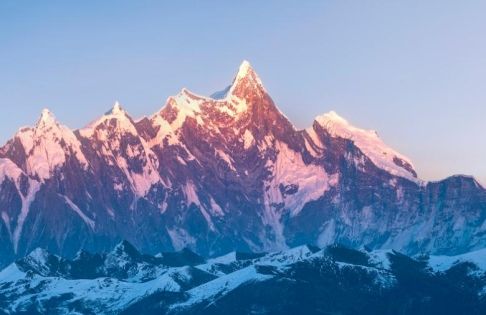
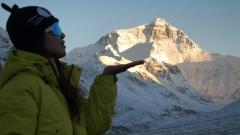
Snow-capped mountains in Tibet
Cold-Proof Equipment Essential for Travelers to Cope with Tibet’s January Weather
In response to the cold and dry characteristics of Tibet’s January weather, foreign travelers should focus on cold protection, wind protection, warmth retention and moisture retention when preparing equipment. For clothing, it is recommended to adopt the “layered dressing method”: choose breathable and sweat-absorbing thermal underwear for the inner layer, match it with a down vest or fleece jacket for the middle layer, and wear a thick windproof and waterproof down jacket or hiking jacket for the outer layer. This makes it easy to adjust clothing according to the temperature difference between indoor and outdoor.
Accessories are also crucial. Thick gloves, windproof hats and scarves are essential to effectively protect the face and hands from frostbite. Waterproof and non-slip snow boots can handle possible snowy and icy roads to avoid slipping. In addition, the sunlight in Tibet is strong in January, and UV radiation does not weaken in winter. Sunglasses, sunscreen (SPF50+ or above) and lip balm should also be included in the luggage list. At the same time, bring moisturizing skin care products to alleviate skin discomfort caused by dry air.
Winter Charm of Lhasa Under Tibet’s January Weather
Although Tibet’s January weather is cold, Lhasa’s winter is still full of charm. During the day, the sun shines on the golden roof of the Potala Palace, shining with solemn light. Visiting the Potala Palace at this time allows you to avoid the long queues in the peak season and appreciate the architectural details and the treasures of Tibetan Buddhism culture more leisurely. In front of the Jokhang Temple, local believers still persist in circumambulating the scripture, and the devout atmosphere becomes more intense in the tranquility of winter.
The sweet tea houses in Lhasa are ideal places to keep out the cold. Order a cup of mellow sweet tea, match it with Tibetan noodles or Tibetan buns, and experience the pace of life of the local people. The nights in Lhasa in January are extremely quiet, and the starry sky is particularly bright. In an environment without light pollution, you can see the sky full of stars when you look up, which is one of the unique experiences of traveling in Tibet in winter. Foreign travelers should avoid strenuous exercise when activities in Lhasa and adapt to the plateau environment gradually.
Namtso’s January Weather: Magnificent Scenery of the Frozen Holy Lake
Namtso’s January weather is harsher than that of Lhasa, with an average temperature between -15°C and -5°C. The lake water has long been completely frozen, forming a vast blue-white world. Unique ice cracks appear on the frozen lake surface, showing various layers of blue under the sun. Matched with the snow-capped mountains around, the scenery is extremely magnificent, making it a paradise for photographers.
It should be noted that Namtso has extremely strong winds in January, and the cold wind is as sharp as a knife. Foreign travelers must wear the thickest cold-proof equipment when going there and travel in groups. The roads to Namtso may be covered with snow and ice in January. It is recommended to hire local drivers who are familiar with the road conditions and drive vehicles with good anti-freezing performance. At the same time, check the road traffic conditions in advance to avoid delaying the itinerary due to weather reasons.
Tibet’s January Weather and Altitude Sickness: Prevention and Coping Skills
Tibet’s January weather is dry, and the oxygen content in the air is relatively lower, which may increase the risk of altitude sickness for foreign travelers. Therefore, it is crucial to take preventive measures. One week before entering Tibet, avoid strenuous exercise and maintain good sleep and physical strength. In the first two days after entering Tibet, do not take a bath or wash your hair to prevent catching a cold and triggering altitude sickness.
After arriving in Tibet, slow down your pace of activities and drink more warm boiled water to promote body metabolism. If you have mild altitude sickness symptoms such as headache, chest tightness and fatigue, there is no need to be too nervous. Generally, the body can gradually adapt within 1-3 days. If the symptoms are more severe, you can take drugs such as Gaoyuan’an and Hongjingtian in time, or go to the local hospital for medical treatment. It is recommended that foreign travelers purchase comprehensive travel insurance before departure, covering medical expenses related to altitude sickness.
Transportation and Accommodation Under Tibet’s January Weather: Practical Information
In terms of transportation, Tibet’s January weather has a certain impact on air and road transportation. Flights at Lhasa Gonggar International Airport may occasionally be delayed or canceled in January due to weather conditions such as strong winds and snowfall. Foreign travelers need to check the flight status in advance and reserve sufficient transit time. For road transportation, except for some sections to scenic spots such as Namtso and Mount Everest which may be affected by weather, the main roads between Lhasa and cities such as Shigatse and Shannan are usually unblocked.
In terms of accommodation, January is the off-season for tourism in Tibet. The prices of hotels and guesthouses in cities such as Lhasa and Shigatse are relatively low, and there are sufficient rooms. Foreign travelers can book in advance online. When choosing accommodation, it is recommended to select hotels with central heating or floor heating to ensure warm and comfortable accommodation at night, helping the body adapt better to the plateau winter weather.
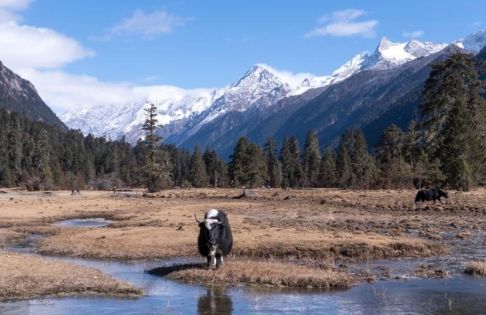
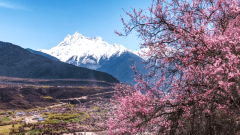
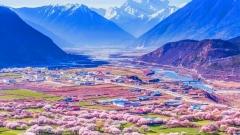
The pasture under the Xinzhuo Snow Mountain in Nyingchi, Tibet
Special Cuisine in Tibet’s January Weather: Warm and Nourishing Choices
In the cold environment of Tibet’s January weather, tasting local specialty cuisines can not only satisfy hunger but also keep out the cold and warm the stomach. In addition to the sweet tea and Tibetan noodles mentioned earlier, foreign travelers can also try butter tea. Although it has a unique taste, it is very effective in keeping out the cold and relieving altitude sickness. Hand-grasped mutton is a traditional winter delicacy of the Tibetan people, with tender meat and rich nutrition, which can quickly replenish physical strength.
In addition, Tibetan hot pot is also a good choice. The soup base is boiled with yak bones, matched with various plateau-specific mushrooms, vegetables and meats. On cold winter days, sitting around and eating a pot of steaming hot pot has a unique flavor. It should be noted that Tibetan food is relatively salty and oily. Foreign travelers can try a small amount first when tasting it for the first time to avoid gastrointestinal discomfort.
Summary of Tibet’s January Weather: Unique Value of Winter Travel to Tibet
In summary, although Tibet’s January weather is cold and dry, it also creates a unique winter scenery – frozen holy lakes, snow-capped mountains, clear skies and quiet temples. These are landscapes that are hard to experience in the peak season. For foreign travelers, as long as they fully understand the characteristics of Tibet’s January weather and do a good job in cold protection, warmth retention and altitude sickness prevention, they can safely and happily start this winter journey on the snow-covered plateau.
Tibet in January is less crowded with tourists and more primitive, pure and solemn. Whether you are admiring the natural scenery or experiencing the profound connotation of Tibetan culture, it will bring you a unique travel experience. Pack your luggage, bring your yearning for the plateau, and leave your own beautiful memories in Tibet’s winter.