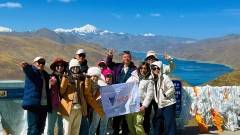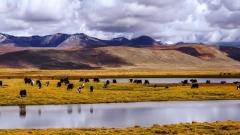

Karola Glacier, nestled between Nagarzê and Gyangzê in the majestic expanse of Tibet, is conveniently located near principal transportation routes, thus offering visitors the opportunity to bask in its awe-inspiring splendor. Comprehending the peculiarities of the local meteorological conditions is imperative for travelers to adequately prepare and to successfully capture the captivating vistas. The climate on this elevated plateau is notably unpredictable; however, a seasonal climatic guide serves as an invaluable resource for traversing the vicissitudes of the weather, enabling one to fully appreciate the glacier’s majesty at elevations surpassing 5,000 meters.
The Seasonal Weather Face of Karola Glacier and Travel Insights
To truly understand Karola Glacier weather, one must examine it through the dimension of time. The climate here is not uniformly harsh but rather a symphony with distinct movements that change with the seasons. The logic of plateau weather differs greatly from that of lowlands. The perceived temperature in direct sunlight can be vastly different from that in the shade or when the wind picks up; “experiencing four seasons in a single day” is a common description. Therefore, understanding the core patterns of seasonal rotation is not just about knowing temperature numbers, but also about grasping the accompanying scenic changes, potential challenges, and unique opportunities. This will directly determine the tone of your journey and the landscapes you encounter. The following is an in-depth analysis of the climate characteristics and travel insights for each season.
Spring (April to June): The Thawing Variation, a Season of Awakening
Spring weather at Karola Glacier is like a tug-of-war between winter and spring. Temperatures fluctuate between hope and chill: during the day, if fortunate to bask in unobstructed plateau sunshine, temperatures can climb to 5°C or even above 10°C. The surface ice and snow begin to melt, revealing an eerie blue glow from crevasses, and the gentle streams gathering under the ice tongue create crisp sounds, full of vitality. However, this warmth is extremely fragile. A passing cloud or a slight shift in the sun’s angle can cause the perceived temperature to plummet. In the early morning, evening, and areas without sunlight, temperatures stubbornly remain below freezing, with breath instantly turning into white mist. Precipitation at this time often comes as sleet or light snow, and weather transitions can be sudden—clear blue skies reflecting off the icy armor one moment, followed by swirling wind and snow the next. Insight for Travelers: This is a time of dramatic light and shadow for photography, but requires thorough preparation. Clothing must balance moisture-wicking with wind and water resistance. Footwear must be slip-resistant to handle wet, slippery ice and muddy ground. Itineraries need flexibility and patience to wait for weather windows.
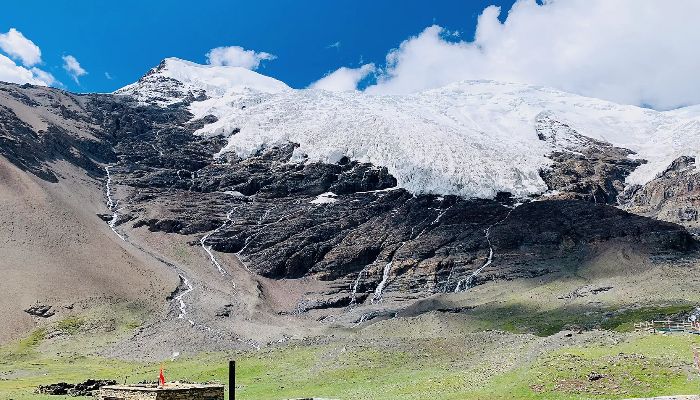
Karola Glacier in Spring
Summer (July to August): Peak Vitality, a Poetic Period Shrouded in Mist and Clouds
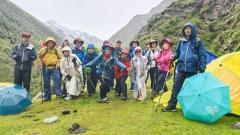
Named summer, but actually cool. This is the “wettest” period of the year. Karola Glacier weather is influenced by warm, moist air currents from the Indian Ocean, leading to significantly more precipitation, often in the form of afternoon convective showers or night rain. Daytime highs can reach 10°C to 15°C, and it might even feel somewhat scorching under the sun. On the slopes around the glacier, hardy wild grass stubbornly sprouts new green, vibrant with life. The biggest characteristic is the mist and clouds. The interaction of humid air currents and cold air often forms spectacular seas of clouds. The glacier is sometimes shrouded in mysterious haze, other times glimpsed fleetingly as clouds part, like a fairyland. Insight for Travelers: Be prepared for the possibility that the glacier’s full view may be obscured by clouds and mist—this is also a unique experience. A raincoat or umbrella should be a constant companion in your backpack. UV radiation is intense; sun protection is essential. The air’s oxygen content is relatively higher during this period compared to the rest of the year, making it somewhat more forgiving for first-time plateau visitors, but one must never underestimate the risk of altitude sickness because of this.
Autumn (September to October): Clear Skies, Encountering the Purest Ice-Blue Canvas
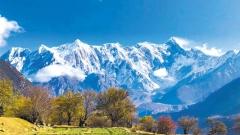
This is the golden age of Karola Glacier weather—the most stable and generous period of the year. The rainy season ends, and dry, cold air from the north dominates the sky, resulting in extremely high atmospheric transparency. Almost every day features an azure, washed-clean dome. Sunlight pours unreservedly onto the massive ice body, making the millennia-old ice glitter and shine, with deep, profound blue hues. Daytime temperatures are pleasant (around 5°C to 12°C). Winds can sometimes be strong but are generally tolerable. Nights quickly plunge into severe cold (can reach below -10°C), and the starry sky is exceptionally clear and bright. Insight for Travelers: This is the perfect season for photography and in-depth viewing, with a high success rate for great shots. However, the extremely dry air requires lip balm and moisturizers. The enormous diurnal temperature range tests clothing wisdom; a full set of gear from thin base layers to thick down jackets is a must. When winds are strong, focus on protecting the head and ears.
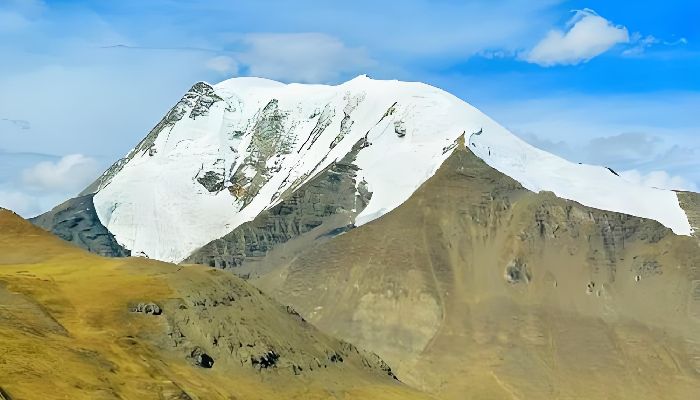
Karola Glacier in Autumn
Winter (November to March of the following year): Tempered by Extreme Cold, Witnessing the Most Serene Ice and Snow Epic
Winter weather at Karola Glacier is the ultimate test of life and willpower. Severe cold is the absolute protagonist. Daytime temperatures often range between -5°C and 0°C, while nights easily drop below -20°C. The cold wind is like a sharp ice blade, and the wind-chill factor lowers the perceived temperature even further. Snowfall is frequent. The glacier and surrounding mountains are covered in thick, undisturbed white snow. All is silent except for the wind and one’s own heartbeat, presenting an epic sense of purity and isolation. Insight for Travelers: Recommended only for extremely well-equipped travelers or expedition teams with extensive experience in severe cold regions and high-altitude activities. Beyond top-tier cold-weather clothing (especially windproof outer layers and insulation), face masks, snow goggles, and high-top, slip-resistant snow boots are essential. Cold-resistance and warmth measures for vehicles, camera batteries, and electronic devices are critical for the continuity of the trip. Most regular tourist services are suspended; reliance on professional support teams is necessary.
How Weather Affects Your Karola Glacier Trip
Understanding temperature and precipitation is just the foundation; more importantly, it’s about knowing how these weather factors will tangibly impact your travel experience and safety.
- Visibility and Photography Success: This is the most direct impact. Summer clouds and rain might prevent you from seeing the glacier in its entirety, while autumn’s clear skies can turn every frame into a masterpiece. Spring’s changeable clouds might create dramatic lighting effects.
- Traffic Safety and Road Conditions: Winter snow accumulation and spring thaw can lead to icy, slippery roads. Afternoon rain in summer can also make dirt roads muddy. In severe weather, some simple roads leading to glacier viewing platforms may be temporarily closed.
- Physical Adaptation and Altitude Sickness: Cold and strong winds accelerate body heat loss, increase physical exertion, and may exacerbate the discomfort of altitude sickness. Conversely, clear, stable weather helps maintain physical strength and mood, allowing the body to better adapt to the high-altitude environment.
- Clothing and Equipment Choices: Your luggage will be entirely dictated by the forecasted weather. Everything, from the grade of your windproof and waterproof jacket to the thickness of your insulating layers and the slip resistance of your shoes, needs to correspond to specific climatic conditions.
Practical Travel Guide for Dealing with Karola Glacier Weather
With the theory grasped, the next step is practical preparation. This guide aims to help you turn weather knowledge into actual travel advantages.
Clothing Rule: Layering is Paramount
Abandon the idea of getting by with one thick coat.Adopt the “three-layer dressing method”:
- Base Layer (Moisture-Wicking Layer): Choose quick-drying synthetic fibers or merino wool. Absolutely avoid cotton, as it draws heat away rapidly when damp with sweat.
- Mid Layer (Insulation Layer): Choose according to the season—fleece, lightweight down, or synthetic insulated jackets. For autumn and spring nights, a high-quality down jacket is lifesaving equipment.
- Outer Layer (Protective Shell): A reliable windproof, waterproof, and breathable hard-shell jacket is essential, especially in summer and spring, to deal with sudden rain or snow.
Accessories are Equally Critical
- Head: Prepare both a sun hat and a warm woolen hat.
- Hands: Windproof gloves are needed; thicker ski gloves are necessary in winter.
- Face: High-SPF sunscreen and sunglasses (must have UV400 protection) are crucial. Plateau UV radiation is extremely strong, and snow reflection increases the risk of sunburn and snow blindness.
- Feet: Waterproof, slip-resistant, high-top hiking boots with ankle support are standard.
Best Viewing Time and Itinerary Planning
Considering all factors,autumn (late September to mid-October) is the best window, balancing weather stability, scenic visibility, and physical comfort. Spring (May to early June) is the next best choice. It is advisable to schedule glacier viewing for the morning to noon period of the day when light is better and clouds usually haven’t gathered yet, as afternoons are more prone to weather changes. Build flexibility into your itinerary to adapt to potential weather shifts.
Plateau Health and Safety Notes
- Acclimatize Slowly: After arriving in Tibet, spend 1-2 days acclimatizing in lower-altitude areas like Lhasa before heading to the higher-altitude Karola Glacier.
- Stay Hydrated and Energized: Drink plenty of warm water to avoid dehydration. Carry high-energy snacks like chocolate and nuts.
- Listen to Your Body: If experiencing severe symptoms of altitude sickness like intense headache, vomiting, or extreme difficulty breathing, descend to a lower altitude immediately. Do not persist blindly.
For travelers unfamiliar with the complex high-altitude environment, traveling with an experienced service provider can significantly enhance the peace of mind during the journey. They understand the real-time patterns of local weather changes, can provide more accurate clothing advice, and plan itineraries to avoid potential bad weather windows, ensuring both safety and a good experience.
Embracing the Glacier: Calm Adaptation for Ultimate Scenery
Ultimately, the key to engaging with Karola Glacier’s climate hinges on “deference” and “readiness.” It is not an adversary to be vanquished, but a serene tutor with an individualistic persona. With a profound comprehension of its seasonal rhythms, the shifting moods of the atmosphere—be it the crisp autumnal azure, the capricious summer clouds and mists, or the abrupt springtime winds and snows—cease to be mere “intrusions” and transform into the most distinctive memories of your expedition. Each measure taken in preparation affords you a greater capacity for admiration. Ultimately, in the presence of this venerable glacier, you will not only sense the gravitas of the Earth’s narrative but also an inner tranquility and expansiveness that stems from judicious forethought. This, in its truest form, is the essence of grasping Karola Glacier’s climate: allowing knowledge to unfurl as wings, guiding you through the mutable weather to gently alight before that awe-inspiring panorama.