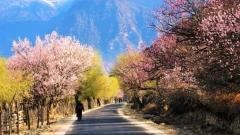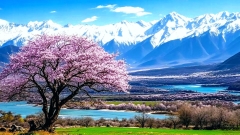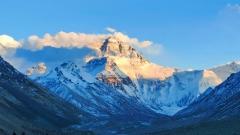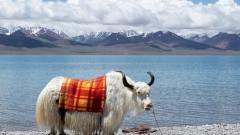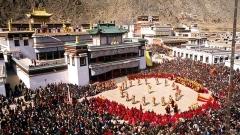

Tibet in November is a realm of pure tranquility. With the peak-season crowds gone, snow-capped mountains stand more majestic, sacred lakes grow clearer, and sunlight bathes red walls and golden rooftops, filling the air with a profound sense of faith. This guide focuses on core travel needs, offering comprehensive practical info to help you plan a seamless trip and embrace Tibet’s unique winter charm.
In-Depth Guide to Tibet’s Must-See Attractions in November
Cultural & Religious Landmarks
Potala Palace
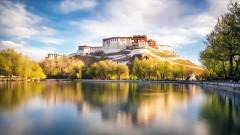
A UNESCO World Cultural Heritage Site, the Potala Palace stands atop Red Hill in Lhasa at over 3,700 meters above sea level, a brilliant gem of Tibetan civilization. The Red Palace houses the stupas of past Dalai Lamas, inlaid with gold and jewels that shine brightly after millennia. The White Palace, once the administrative and residential quarters, features murals and thangkas embodying profound Tibetan Buddhist culture. In November, no long queues await—its red walls and white tiles glow solemnly under the blue sky. Climb to the top for a breathtaking view of Lhasa and distant snow-capped mountains.
Ticket: 200 CNY/person; Transport: Take bus No.1 or 12 to Potala Palace Square in downtown Lhasa, or taxi (10-15 CNY);
Travel Tips: Allocate 3-4 hours for visiting. Wear long pants/skirts (no strapless tops or slippers). No photography or loud talking inside—hire a guide for in-depth insights. Move slowly to avoid altitude sickness from strenuous activities like running or climbing.
Jokhang Temple & Barkhor Street
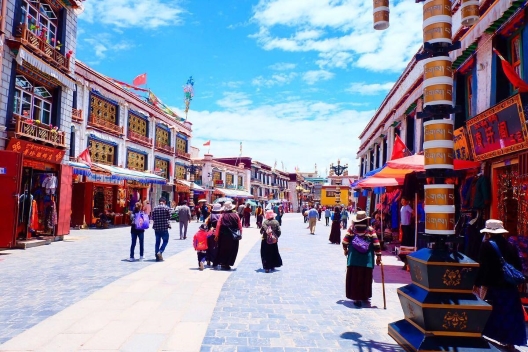
Jokhang Temple is a sacred site for Tibetan Buddhists, housing the revered 12-year-old Sakyamuni Buddha statue, the temple’s treasure. Daily, countless devotees come to worship, filling the air with incense. Outside, Barkhor Street, Lhasa’s oldest pilgrimage route, blends pilgrims circumambulating clockwise, vendors selling Tibetan handicrafts, and teahouses wafting with butter tea aroma—offering an authentic taste of Tibetan life. November’s thin crowds let you fully immerse in the area’s spiritual vibe.
Ticket: 85 CNY/person; Transport: Located in Lhasa’s old town core, accessible on foot or by taxi (about 10 CNY from Potala Palace);
Travel Tips: Spend 2 hours exploring. Remove hats, keep quiet, and follow the clockwise route inside the temple. Try Tibetan noodles and butter tea on Barkhor Street. Bargain politely for handicrafts and never walk against the pilgrim flow.
Tashilhunpo Monastery
Located in Xigaze, Tashilhunpo Monastery is one of Tibetan Buddhism’s six major Gelugpa monasteries, the residence of successive Panchen Lamas, and a UNESCO World Cultural Heritage Site. Built against mountains, its grand halls showcase exquisite Tibetan architecture and sculpture—such as the stunning murals in the Main Assembly Hall and the 26.2-meter-tall bronze Maitreya Buddha statue in the Maitreya Temple. November brings tranquility; sunlight filters through golden rooftops onto prayer flags, creating a serene atmosphere perfect for reflecting on Tibetan Buddhism’s solemnity.
Ticket: 100 CNY/person; Transport: Take bus No.2 or 4 directly to the monastery in Xigaze, or taxi (only 5-10 CNY);
Travel Tips: Allocate 3 hours. Wear non-slip hiking shoes for the many steps. Visit in the morning for optimal lighting (winter days are short). Do not touch cultural relics or cross prayer flags—respect monastery customs.
Barkhor Street
Natural Wonders
Nam Co Lake
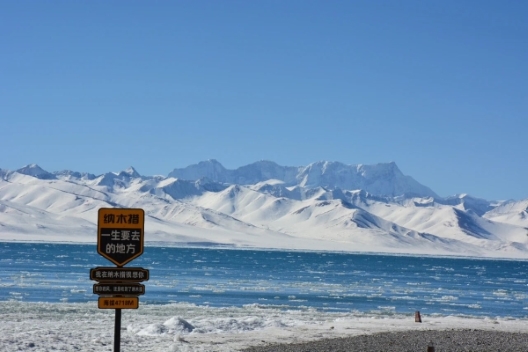
As one of Tibet’s three sacred lakes, Nam Co (meaning “Heavenly Lake”) sits at 4,718 meters above sea level. By November, it enters the freezing period—azure water mingles with white ice, yellowish grass lines the shores, and the towering Nyainqêntanglha Mountains stand in the distance. Only the wind and fluttering prayer flags break the profound silence. It also serves as an exceptional stargazing spot, with a brilliant night sky and clear Milky Way.
Ticket: 110 CNY/person (off-season discount); Transport: No direct public transport from Lhasa. Recommend a 1-day group tour (300-400 CNY/person, including round-trip transport and ticket) or chartered car (500-800 CNY/car/day for 4 people);
Travel Tips: November temperatures range from -15℃ to 5℃. Wear thick down jackets, fleece pants, non-slip hiking shoes, and bring warm patches. Higher altitude increases altitude sickness risk—carry portable oxygen and avoid strenuous exercise. Some roads may have snow—choose legally operated vehicles.
Nam Co Lake
Yamdrok Yongcuo Lake
Yamdrok Yongcuo (Yamdrok Lake), another of Tibet’s three sacred lakes, rests at 4,441 meters above sea level. Its sapphire-like waters wind through mountains, resembling coral (earning it the nickname “Coral Lake”). November’s clear, cloudless skies enhance the water’s pure transparency—every turn along the lakeside road reveals stunning views. Overlooking Karola Glacier, the white ice contrasts beautifully with blue water and green valleys, making every photo a masterpiece.
Ticket: 60 CNY/person; Transport: Charter a car from Lhasa (200-300 CNY/person/day round-trip) or join a 1-day tour to Yamdrok Lake & Karola Glacier (300-400 CNY/person);
Travel Tips: Spend 2-3 hours. No need to stop at every viewing platform—choose spots with wide vistas. Strong winds require good wind protection; avoid prolonged stays by the lake. Protect the sacred lake—do not litter.
Nyingchi Lulang Town
Known as “Tibet’s Jiangnan,” Nyingchi’s Lulang Town sheds its spring and summer green in November, with mountains turning golden and fiery red. Paired with snow-capped peaks and clear streams, it forms a stunning autumn landscape. At around 3,300 meters above sea level, the town enjoys mild weather and fresh air—ideal for relieving altitude sickness and relaxing. Experience Tibetan homestays and local delicacies here.
Ticket: Lulang Town is free; nearby Lulang Forest Viewing Platform costs 30 CNY/person; Transport: Charter a car from Nyingchi (150-200 CNY/person/day) or take a bus from Nyingchi to Lulang (30 CNY/person, 1.5-hour ride);
Travel Tips: Stay 1-2 days. Choose Tibetan homestays in the town and try stone pot chicken. Moderate-difficulty hiking trails are available—wear comfortable hiking shoes to enjoy autumn mountain scenery.
Karola Glacier
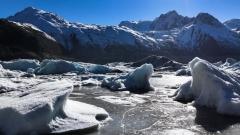
As one of Tibet’s three major continental glaciers, Karola Glacier sits at over 5,400 meters above sea level, with its front edge at around 5,030 meters. It is the closest glacier to a highway—visible from the road. November brings thicker snow and clear glacial textures, glowing pale blue in sunlight, creating a striking contrast with surrounding green mountains and grasslands.
Ticket: 50 CNY/person; Transport: Located along the Lhasa-Xigaze highway, accessible by chartered car or group tour;
Travel Tips: High altitude near the glacier—limit stay to 30 minutes to avoid altitude sickness. Strong winds and cold require thick coats, hats, and gloves. Do not approach the glacier edge—prioritize safety.
- If you want to enjoy a wonderful trip to Tibet in November, click the link to learn details of the 8-day 7-night classic itinerary:
https://www.chinadragontravel.com/tour/8-day-tibet-tour-classic/
- Other recommended route: https://www.chinadragontravel.com/china-city-tours/tibet-tours/
Tibet November Climate & Clothing Guide
Climate Characteristics
November marks Tibet’s winter—cold, dry, with little precipitation, plenty of sunshine, and large temperature differences between regions. River valleys like Lhasa and Xigaze have daily averages of -2℃ to 12℃ (warm during sunny days, cold at night). Plateau lakes (Nam Co, Yamdrok Lake) and high-altitude areas in Nyingchi see -15℃ to 5℃ with strong winds. Nyingchi’s river valleys are milder, with daily averages of 5℃ to 15℃.
Clothing Recommendations
- Tops: Adopt the “three-layer dressing method”—thermal underwear (fleece-lined) + thick sweater or fleece jacket + heavy windproof and waterproof down jacket (fill power over 80%), easy to add/remove as temperatures change.
- Bottoms: Thermal fleece leggings + thick hiking pants or down pants to prevent frostbite.
- Shoes: Fleece-lined, waterproof, non-slip hiking shoes or snow boots with deep treads for snowy roads; pair with thick woolen socks.
- Accessories: Ear-protecting ushanka hat, thick neck gaiter, waterproof ski gloves, snow goggles, and essential warm patches for low temperatures.
- Others: Bring a windproof mask. Strong UV rays even in winter—apply SPF50+ sunscreen, plus lip balm and moisturizer to combat dryness.
Notes
– Large temperature differences between indoor and outdoor—remove outer layers promptly indoors to avoid sweating and catching colds.
– Reduce clothing in sunny weather but avoid short sleeves/shorts to prevent sunburn and chills.
– Choose windproof clothing for high-altitude areas to retain heat.
Tibet November Transport & Itinerary Planning
Ways to Reach Tibet
By Air: Lhasa Gonggar International Airport is the main hub, with flights to major Chinese cities like Beijing, Shanghai, Guangzhou, and Chengdu. November’s off-season offers discounted tickets. Some cities have direct flights; transfers are common via Chengdu or Chongqing. Flight time is 2-5 hours. After landing, move slowly to acclimatize and avoid altitude sickness.
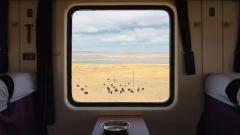
By Train: The Qinghai-Tibet Railway is a popular choice, with direct trains to Lhasa from Xining, Lanzhou, Chengdu, Chongqing, etc., taking 12-48 hours. Gradual altitude increase helps the body adapt to high elevations. Enjoy stunning scenery along the way, including Qinghai Lake, Hoh Xil, and Tanggula Mountains.
By Self-Driving/Charter: Suitable for experienced plateau drivers. Recommend the Qinghai-Tibet Line (stable road conditions). November may bring snow and ice—prepare snow chains, spare tires, and first-aid kits; inspect the vehicle in advance. Few supply points along the way—plan carefully and avoid night driving.
Urban & Scenic Area Transport Tips
Urban Transport: No subway in Lhasa. Buses cover major attractions (2 CNY/person); use Alipay/WeChat transit codes. Taxi starting fare is 10 CNY, with short trips around 10-20 CNY. Xigaze, Nyingchi, and other cities have convenient buses and taxis at similar prices.
Scenic Area Transport: No public transport to suburban attractions. Recommend reputable small-group tours or chartered cars to avoid price hikes by private drivers. Some scenic areas require sightseeing buses—prepare cash or mobile payment in advance.
Tibet November Food Guide
– Tibetan Staples: Tibetan noodles, tsampa (roasted barley flour), yak meat momos.
– Special Dishes: Stone pot chicken, Tibetan hot pot, air-dried yak meat.
– Drinks & Snacks: Butter tea, highland barley wine, blood sausage/meat sausage.
Recommended Restaurants
– Lhasa: Guangming Gangqiong Butter Tea House (time-honored, popular with locals, cost-effective); Snowland Restaurant (authentic Tibetan cuisine, affordable); Makye Ame Restaurant (internet-famous, unique atmosphere, great for photos).
– Nyingchi: Lulang Stone Pot Chicken Headquarters (authentic stone pot chicken, fresh ingredients).
– Xigaze: Tibetan restaurants near Tashilhunpo Monastery (authentic flavor, reasonable prices).
Practical Tips for Tibet Travel in November
- Document Preparation: ID card is mandatory. For border areas like Mount Everest, Ngari, and Jilong Gou, apply for a border pass in advance—free at your local public security bureau or via travel agencies in Lhasa (for a fee).
- Health Protection: Strong UV rays—wear SPF50+ sunscreen and snow goggles to avoid sunburn. Dry climate—bring moisturizer, lip balm, hand cream, and drink plenty of water. Pack common medicines (cold medicine, gastrointestinal medicine, motion sickness pills, band-aids). Seek medical attention promptly for severe altitude sickness.
- Itinerary Adjustment: November’s off-season means no queues—flexibly adjust plans to avoid overcrowding. Some scenic areas shorten opening hours in winter—confirm via official channels. Short daylight hours—plan 2-3 attractions per day with ample rest time.
- Custom Respect: Circumambulate temples and pilgrimage routes clockwise. Do not cross prayer wheels or flags. Ask permission before photographing devotees or monks. Do not litter—protect the plateau ecosystem. Communicate politely with locals and avoid sensitive topics.
Tibet in November holds the purest scenery and faith—no peak-season crowds, only snow-capped mountains, sacred lakes, and devout pilgrims. This guide covers all essential practical information. For customized itineraries, legal vehicles, or experienced guides, China Dragon Travel provides one-stop full-service support to make your winter plateau journey worry-free, safe, and memorable.