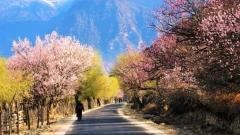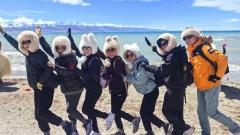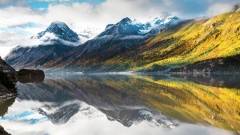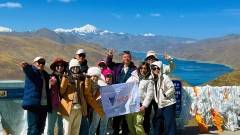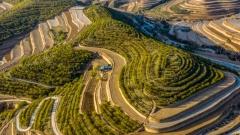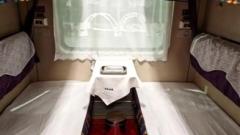

Tibet, this mysterious and magnificent snow-covered plateau, captivates travelers worldwide with its unique culture, breathtaking scenery, and devout beliefs. For many senior tourists dreaming of Tibet, age and physical condition should not be barriers—thorough preparation and sensible planning are the keys. Tailored for seniors, this guide focuses on safety, comfort, and convenience, offering one-stop practical advice from pre-trip health assessments and altitude sickness management to itinerary pacing and daily travel details. With proper preparation, seniors can comfortably and peacefully experience Tibet’s holy lakes, sacred mountains, glorious temples, and simple folk customs, making their plateau trip a fulfilling one.
Tibet Travel Pre-Trip Preparation – The Foundation of Health and Mindset
Thorough pre-trip preparation is the primary prerequisite for a successful Tibet trip for seniors, with the core lying in health assessment and mindset adjustment.
- Comprehensive Health Check and Consultation
Schedule a full physical examination 1–2 months before departure, and consult a cardiologist and pulmonologist in particular. Clearly inform your doctor of your Tibet travel plan, and let the doctor assess whether your cardiopulmonary function and blood pressure are suitable for high-altitude travel. Seniors with severe cardiovascular and cerebrovascular diseases (such as uncontrolled hypertension, coronary heart disease, heart failure), acute chronic respiratory diseases, severe anemia, or an unhealed cold are generally not advised to travel to high-altitude areas.
- Progressive Acclimatization Training
Engage in moderate aerobic exercises in advance, such as brisk walking, Tai Chi, and gentle yoga, to enhance cardiopulmonary function and physical stamina. Avoid sudden high-intensity workouts right before departure.
- Mindset Adjustment and Knowledge Accumulation
Maintaining a calm and optimistic mindset is crucial. Respect rather than fear the high-altitude environment. Understand that common symptoms of altitude sickness are normal physiological adaptation processes, which can be relieved by rest for most people. Read books or watch documentaries about Tibet’s history, culture, and religion in advance to add depth and rewards to your journey.
- Detailed Packing List
Documents: Domestic tourists need to prepare their ID cards; overseas tourists need passports and visas. To visit border areas such as Everest Base Camp and Ngari, a Border Permit is required. Overseas tourists can entrust China Dragon Travel to handle it on their behalf by providing copies of passports and visas in advance.
Clothing: Follow the principle of “layered dressing for easy putting on and taking off”. Tibet has huge temperature differences between day and night—even in summer, pack thermal underwear, a fleece jacket, a lightweight down jacket, and a windproof coat. A hat, sunglasses, and high-SPF sunscreen (SPF50+) are must-haves. A pair of well-fitting, non-slip hiking shoes or sports shoes is essential.
Medications: Carry an adequate supply of personal regular medicines, altitude sickness relief drugs (e.g., Acetazolamide, which requires a doctor’s prescription in your home country; some drugs need declaration upon entry), painkillers (Ibuprofen), cold medicine, gastrointestinal medicine, motion sickness pills, and vitamins. It is recommended to bring a portable oximeter to monitor blood oxygen saturation and heart rate at any time.
Others: A thermal mug (to replenish warm water constantly), lip balm, moisturizing skin care products, a power bank, and a small amount of cash (electronic payment may not be available at some scenic spots and small shops).
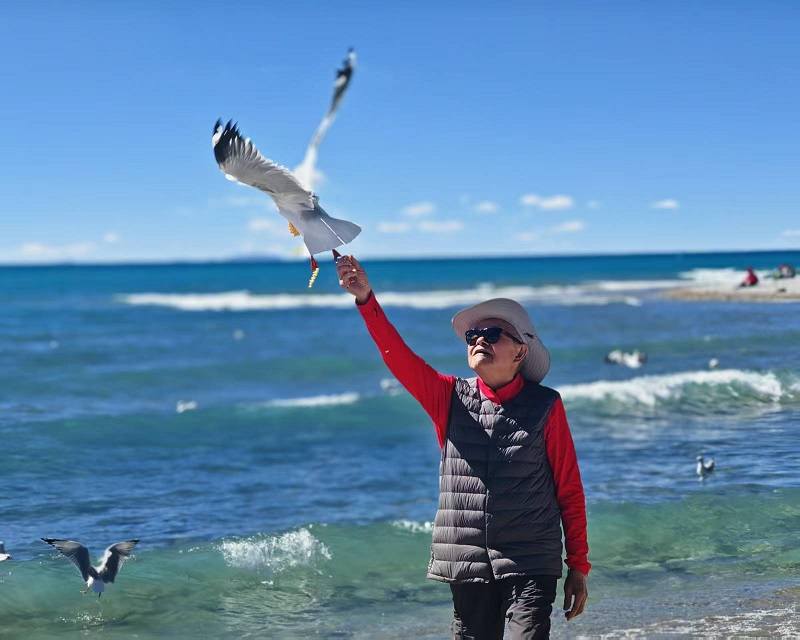
Tibet Tourist Photos
Arrival and Adaptation in Tibet
Transportation Options: It is recommended to fly directly to Lhasa to save time and avoid the fatigue of long-distance land travel. Although traveling to Tibet by train allows the body to acclimatize to altitude gain gradually, the oxygen content in the carriage decreases as the altitude rises, and prolonged travel can easily cause tiredness. Whichever way you choose, adhere to the “slow” principle after arrival.
Critical Acclimatization Period (First 1–3 Days):
- Move Slowly: Slow down all movements—such as walking, talking, standing up, and climbing stairs—by half a beat compared to usual.
- Adequate Rest: Try to rest quietly in the hotel on the first day of arrival. Avoid bathing or washing your hair to prevent excessive oxygen consumption and catching a cold. Ensure sufficient sleep.
- Light Diet: Drink plenty of warm water (2–3 liters per day) and eat easily digestible food such as porridge, noodles, and vegetables. Avoid greasy and overeating, and strictly refrain from alcohol.
- Monitor Physical Signals: Mild headaches, shortness of breath, and insomnia are common reactions. If severe symptoms such as intense headache, vomiting, difficulty breathing, or confusion occur, inhale oxygen immediately and seek medical attention. Lhasa and major towns have good medical conditions, with specialized hospitals for altitude sickness.
- Use Oxygen Cautiously: For mild discomfort, prioritize rest and do not rely excessively on oxygen cylinders—let the body adjust naturally. However, if symptoms are obvious, oxygen inhalation is an effective relief method, so there is no need to endure it forcefully.
Recommended Scenic Spots – Travel According to Your Ability and Enjoy the Essence
For senior tourists, the key is to choose scenic spots with relatively low altitude, convenient transportation, and profound cultural heritage. Below are several recommended highlight areas suitable for seniors, which can be flexibly combined according to personal conditions.
Holy City Lhasa (Altitude: Approximately 3,650 Meters) – The Core of Culture and Belief
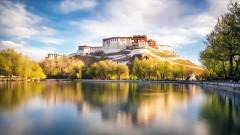
Potala Palace: The symbol of Tibet and a world cultural heritage site. During the visit, note that there are many steep steps inside the palace. It is advisable to climb slowly in stages, pause to rest every section, and do not force yourself to visit all halls—focus on the core exhibition areas of the Red Palace and White Palace. The Potala Palace Square and the viewing platform on Medicine King Mountain are flat and easily accessible, ideal for taking panoramic photos, making them the top check-in spots for seniors.
Jokhang Temple and Barkhor Street: Jokhang Temple is a sacred site for Tibetan Buddhism believers, housing the 12-year-old statue of Sakyamuni. The interior space is relatively compact; it is recommended to control the visiting time and rest on the benches in the outer corridor when tired. Barkhor Street is the kora path surrounding Jokhang Temple, with flat stone roads suitable for slow walking. You can feel the devout pilgrimage atmosphere and browse the various characteristic shops along the street. When tired, you can enter a Tibetan-style teahouse to have a cup of sweet tea and rest.
Norbulingka: Meaning “Treasure Garden”, it was the summer palace of successive Dalai Lamas and a model of Tibetan-style gardens. The park is dotted with ancient trees, dense vegetation, and exquisite palaces scattered among lawns and flower clusters, with flat and wide walkways. Senior tourists can stroll slowly along the shaded paths, rest on the stone benches by the lake when tired, and enjoy the beautiful scenery where Tibetan architecture integrates with natural landscapes—no need to rush, just focus on leisure and comfort.
Jiangnan of Tibet – Nyingchi (Most Areas Below 3,000 Meters Altitude)
Basongco Lake: A famous sacred lake of the Nyingma Sect, with clear turquoise water like a gem inlaid between snow-capped mountains and forests. The lakeside plank road in the scenic area is flat throughout, with viewing platforms and rest seats set up at intervals. Seniors with good physical strength can walk along the lake, while those with weaker stamina can take the scenic sightseeing bus directly to the core attractions. Cuozong Temple on the lake center island is small in scale with few steps, making it effortless to visit on foot, and you can also overlook the snow-capped mountains and lake views on the island.
Nyingchi Lulang Forest Sea: Hailed as the “Switzerland of the East”, its core scenic area is an open alpine meadow surrounded by dense spruce forests, with clear views of distant snow-capped mountains. No hiking is needed in the scenic area—you can take the sightseeing bus to various viewing platforms, or sit and rest beside the Tibetan-style yurts on the meadow, breathe the fresh air rich in negative oxygen ions, and enjoy the pastoral scenery of cattle and sheep wandering around, all in a relaxed and comfortable way.
Yarlung Zangbo Grand Canyon (Selected Viewing Platforms): The world’s deepest canyon. It is recommended that senior tourists visit two core spots: Love Rock and Namcha Barwa Peak Viewing Platform. Both platforms are directly accessible by road—you only need to walk a few steps after getting off the car, with no need to hike deep into the canyon. Here, you can overlook the majestic appearance of Namcha Barwa Peak up close and admire the spectacular scenery of the canyon and snow-capped mountains complementing each other, avoiding the fatigue of long-distance trekking.
Holy Lakes and Ancient Temples – Shannan and Xigaze Directions (Selective Visit, Pay Attention to Altitude)
Yamdrok Lake (Altitude: Approximately 4,441 Meters): One of the three holy lakes in Tibet, with azure blue water and winding shorelines. The drive from Lhasa to the Yamdrok Lake viewing platform takes about 2 hours, with many bends on the mountain road. It is advisable to choose a vehicle in good condition and prepare motion sickness medicine in advance. Upon arrival, the core viewing platform is flat—you can enjoy the lake views right after getting off the car without climbing mountains. It is recommended to control the visiting time within 30 minutes to avoid altitude sickness caused by prolonged stay. If you feel unwell, return to the car to rest immediately, and keep oxygen cylinders in the car for emergency use.
Tashilhunpo Monastery (Xigaze, Altitude: Approximately 3,800 Meters): The residence of the Panchen Lama and one of the six major monasteries of the Gelug Sect. Built on a gentle slope, the main halls are distributed along the main road, with mostly flat stone paths and few steep steps. Senior tourists can visit slowly along the main road, focusing on the Maitreya Buddha Hall and Stupa Hall, and rest in the monastery’s corridors or courtyards when tired. There are sightseeing buses at the monastery gate—if you lack physical strength, you can take the bus to and from the core scenic area to reduce walking pressure.
Important Reminder: Scenic spots with an altitude exceeding 4,700 meters, such as Nam Co Lake (Altitude: Approximately 4,718 Meters) and Everest Base Camp (Altitude: Approximately 5,200 Meters), have an oxygen content of only about 50% of that on the plains. Moreover, the drive to these scenic spots takes 5–8 hours with bumpy roads, posing great challenges to seniors’ cardiopulmonary function and physical stamina. In addition, medical facilities in these areas are relatively weak—once severe altitude sickness occurs, professional medical treatment cannot be obtained in a timely manner. Therefore, it is not recommended for senior tourists to visit unless necessary. If you insist on going, you need to acclimatize in Lhasa for 3–5 days in advance to confirm that your body has no discomfort symptoms. Meanwhile, carry sufficient oxygen cylinders and regular medicines, and be accompanied by family members or medical staff to monitor your physical condition closely throughout the journey.
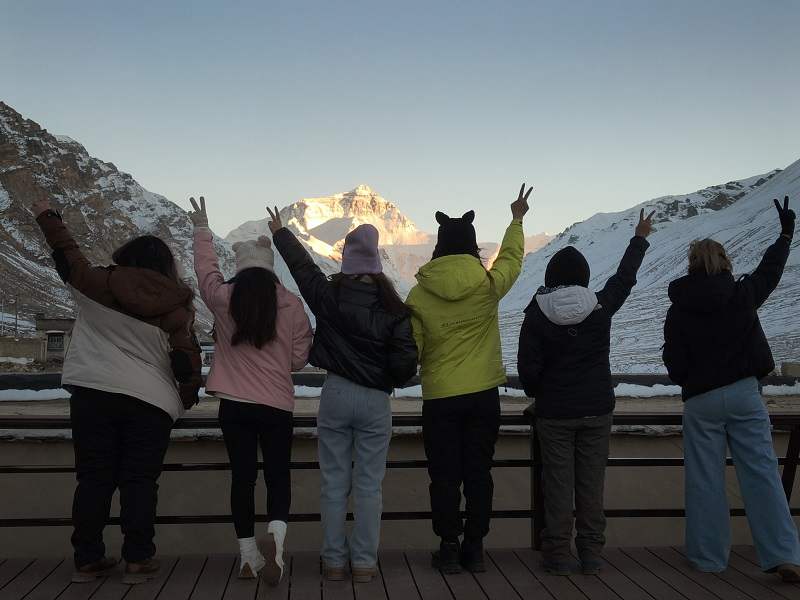
Sunrise Over Everest
Travel Details – All-Round Practical Tips for Accommodation, Transportation, Food and Travel
- Accommodation: Choose oxygen-supplied hotels (with diffuse oxygen supply or bedside oxygen generators) equipped with elevators and complete heating facilities. Opt for hotels located near Barkhor Street or the Potala Palace for convenience and quietness.
- Transportation:It is recommended to travel by private car charter or join a small group tour throughout the trip. Choose experienced drivers who are familiar with the road conditions and provide patient services, as well as spacious vehicles (such as SUVs or commercial vans). Avoid continuous long-distance travel—arrange to get off the car to rest and stretch every 1–2 hours.
- Food:Prioritize light, warm, and soft food. Try local specialties such as Tibetan noodles, sweet tea, and yak meat soup, but pay attention to gastrointestinal adaptation. Wash fruits and vegetables thoroughly. Carry snacks such as chocolate and biscuits to replenish energy at any time.
- Sightseeing: Adjust your itinerary flexibly according to your physical strength when visiting scenic spots. There is no need to try to cover every corner—choose the core areas to experience calmly. There are many steps in temples; hold the handrails and walk slowly. Respect local religious customs—do not touch Buddha statues and ritual utensils casually, and do not take photos of monks and believers without permission.
- Communication and Payment: 4G signals are available in most towns in Tibet. Carry a small amount of cash for small purchases—most hotels and restaurants support WeChat Pay and Alipay.
Emergency Contacts and Safety Assurance
- Emergency Numbers:Universal emergency number in Tibet: 120; Tourism complaint hotline: 12301; Police emergency number: 110. Save the 24-hour emergency contact information of your hotel, car charter company, and travel agency before departure.
- Travel Insurance: Be sure to purchase travel accident insurance that covers medical expenses for altitude sickness in advance. Clarify the scope of coverage and claims process to avoid being unable to settle claims in a timely manner in case of accidents.
- Group Travel Suggestions:Senior tourists are advised to travel with companions or join group tours instead of traveling alone. When choosing a group tour, select slow-paced itineraries tailored for seniors, ensuring that there are accompanying medical staff or emergency support personnel.
Budget Reference and Travel Time Suggestions
Travel Time: The best time to visit is from May to October, when the climate is relatively warm and oxygen content is higher. July to August is the rainy season, with lush green scenery but occasional rainfall; September to October is the optimal window period, with clear skies and charming autumn scenery.
Budget Reference:
- Economy Comfort Type (7–9 Days): Approximately 8,000–12,000 CNY per person, including economy class airfare, comfortable oxygen-supplied hotel accommodation, private car charter/ premium small group tour fees, tickets for major scenic spots, and catering.
- Premium Experience Type (7–9 Days): Approximately 12,000–18,000 CNY per person, including flights in better time slots, high-end oxygen-supplied hotel accommodation, luxury commercial vehicles, more flexible itinerary arrangements, and high-quality catering experiences.
Note: The budget fluctuates mainly depending on transportation methods, accommodation standards, group size, and travel seasons. It is recommended to prepare a small amount of contingency funds for medical emergencies and additional oxygen supplies.
A Safe and Meaningful Tibet Journey for Senior Travelers
Traveling to Tibet as a senior is not about pushing physical limits, but about thoughtful preparation and a relaxed pace. With proper health planning, gradual altitude adaptation, and carefully chosen destinations, older travelers can experience Tibet’s sacred cities, tranquil valleys, and legendary lakes in comfort and confidence. When approached with patience and balance, Tibet becomes a rewarding and deeply memorable journey—rich in culture, nature, and personal fulfillment. China Dragon Travel has been deeply engaged in Tibet tourism for many years, and fully understands the special needs of senior tourists. We are willing to provide professional services and meticulous care to customize a safe, comfortable, and unforgettable journey to the snow-capped paradise for you and your family.