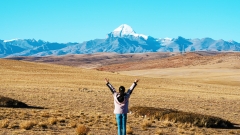
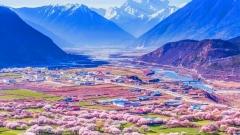
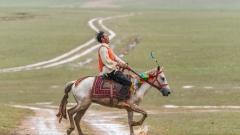
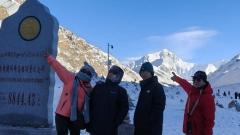
Embarking on a journey to the Tibetan Plateau in July, you’ll encounter the region at its most vibrant. Tibet’s July sky is like an ever-changing painting—bright, dazzling sunshine interspersed with unexpected gentle drizzles, weaving a unique travel melody. Only by understanding and adapting to these weather rhythms can you fully enjoy the journey. Focusing on the core of “Tibet’s weather in July,” this guide details its climatic features, essential travel items, health precautions, and itinerary planning tips, aiming to help you calmly cope with weather changes and deeply experience the grandeur and tenderness of Tibet in summer.
Three Key Weather Features of Tibet in July
Grasping the basic weather pattern of Tibet in July before departure will make your planning more targeted.
- Significant Day-Night Temperature Difference: During the day under direct sunlight, the temperature can exceed 20°C, feeling warm or even slightly hot—ideal for outdoor activities. Once the sun sets or you move to shaded indoor areas, the temperature drops rapidly, often to around 10°C at night. If your itinerary includes accommodation in high-altitude areas like Nam Co Lake or Everest Base Camp, the nighttime temperature may approach freezing, so warm clothing is a must.
- Concentrated Afternoon Rainfall: July is the peak of Tibet’s rainy season, but rainfall is not continuous all day. The typical pattern is sunny mornings, perfect for sightseeing; clouds gather in the afternoon, bringing short showers or thunderstorms that usually come and go quickly, leaving the sky clearer afterward. This weather requires a certain degree of flexibility in your itinerary.
- Abundant Sunshine and Strong Ultraviolet (UV) Rays: Even on cloudy or rainy days, the UV intensity on the plateau is far higher than that in low-lying areas. Sun protection is an all-day, non-stop necessity to avoid sunburn. Meanwhile, abundant rainfall nourishes grasslands and river valleys, making the plateau lush and vibrant in July—its most scenic season.
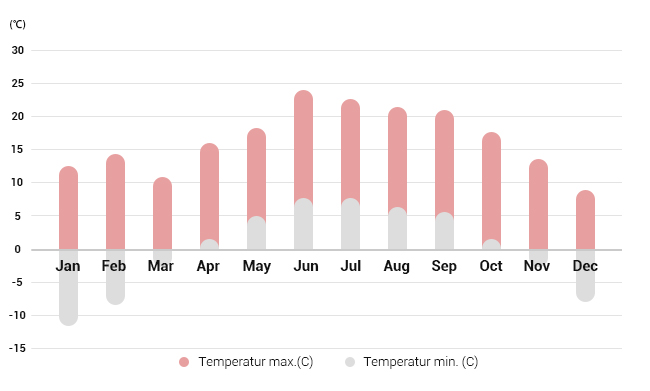
Monthly Tibet Weather
Advantages and Precautions for Traveling to Tibet in July
Choosing to travel in July means embracing Tibet’s most beautiful season, while also requiring adequate preparation.
Main advantages of traveling this season:
- Optimal Climate Conditions: Avoiding the harsh winter cold, daytime temperatures are comfortable, suitable for various outdoor tours and light hiking.
- Peak Natural Scenery: Lakes are full of water, grasslands are lush green dotted with wild flowers, providing rich subjects for photography—easy to capture stunning shots.
- Comprehensive Travel Services: All scenic spots, accommodations and transportation routes are fully operational, offering the widest range of travel products and routes to choose from.
- More Cultural Experience Opportunities: Summer is often a time for local traditional festivals and activities, allowing you to experience the rich Tibetan culture up close.
Special precautions for the trip:
- Potential Impact of Rainfall on Transportation: Continuous rainfall may muddy unpaved roads in remote areas, and occasionally trigger landslides or rockfalls, which may cause itinerary delays or require temporary route changes. If planning to visit areas with complex road conditions like Ngari or Sapu Sacred Mountain, closely monitor the latest road condition updates.
- Crowds During Peak Tourism Season: July is the busiest month for tourists throughout the year. Tickets for popular attractions like the Potala Palace are in high demand—be sure to book flights, train tickets and well-reviewed hotels well in advance.
- Sun Protection and Moisturization Are Top Priorities: The plateau’s UV rays are extremely strong, so strict sun protection measures must be taken throughout the trip. At the same time, the climate is dry, so pay attention to skin and lip moisturization.
Packing List and Clothing Guide for Tibet in July
To cope with Tibet’s weather in July, the most effective dressing principle is “layered dressing, add or remove clothes as needed.”
Clothing Preparation Suggestions:
- Base Layer (Moisture-Wicking): Quick-drying short-sleeve or long-sleeve underwear to keep skin dry.
- Middle Layer (Warmth): A lightweight fleece jacket, wool sweater or down vest for warmth during large day-night temperature differences.
- Outer Protection Layer (Windproof and Waterproof): A reliable windproof and waterproof jacket or softshell jacket to handle afternoon showers and strong winds at mountain passes.
- Bottoms: Comfortable and durable long pants, such as jeans or hiking pants; an extra pair of quick-drying pants is recommended as a backup.
- Accessories: A wide-brimmed sun hat, UV400-certified sunglasses, and warm gloves (essential for high-altitude areas).
Other Important Gear List:
- Footwear: Waterproof and non-slip hiking boots or trekking shoes are preferred to ensure foot comfort and safety.
- Protective Supplies: High-SPF sunscreen (SPF50+ PA++++), lip balm (preferably with sun protection), and body moisturizer.
- Daily Items: An insulated water bottle and personal medications. As for altitude sickness prevention drugs (such as Rhodiola rosea), it is advisable to consult a doctor before departure.
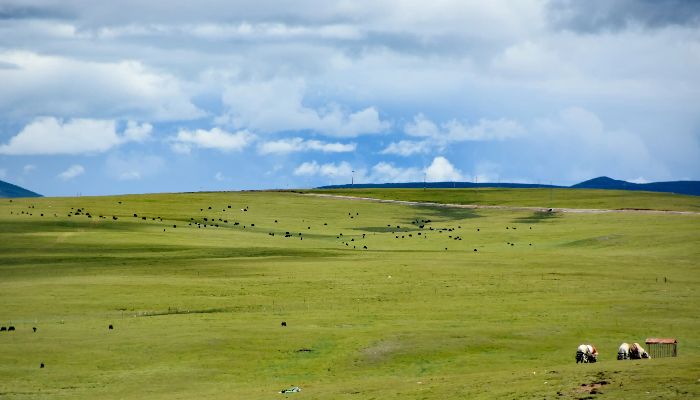
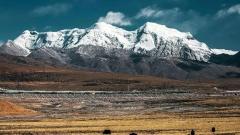
Northern Tibetan Grasslands
Health and Safety Preparation: Effectively Prevent and Cope with Altitude Sickness
Altitude sickness is a common challenge for travelers to Tibet—understanding and responding correctly in advance is crucial.
Physical Preparation Before Departure:
- Maintain a regular schedule and moderate exercise to improve physical fitness. Never travel to the plateau with colds, fevers or other illnesses.
- Consider taking traditional health supplements like Rhodiola rosea one to two weeks in advance, but its effectiveness varies from person to person, and it is more of a psychological aid.
Key Points After Arrival and During the Trip:
- Follow the “slow” principle: After arriving at the plateau, especially on the first day, slow down your pace significantly. Avoid strenuous activities such as running, jumping or lifting heavy objects. It is recommended not to take a bath within 24 hours to prevent excessive oxygen consumption or colds that may cause discomfort.
- Pay Attention to Diet and Hydration: Eat a light diet, stopping at 70% full to reduce the burden on the digestive system. Drink plenty of warm boiled water to help your body adapt. Carry chocolate or glucose powder to quickly replenish energy. Avoid drinking alcohol throughout the trip.
Correctly Identify and Handle Symptoms:
- Mild Symptoms (e.g., headache, tinnitus, shortness of breath, insomnia): These are part of the normal adaptation process. Rest immediately, reduce activity, and take medication to relieve headaches if needed. There is no need to be overly anxious.
- Severe Symptoms (e.g., severe headache, nausea and vomiting, extreme difficulty breathing, purple lips, confusion): These are dangerous signs. Immediately stop ascending, and with the assistance of companions or guides, quickly descend to a lower-altitude area and seek medical help.
Choose a Scientific Itinerary: A reasonable route design is one of the best ways to prevent severe altitude sickness. Reputable travel agencies, such as China Dragon Travel with experience in itinerary planning, usually design “step-by-step” acclimatization routes, starting the journey from lower-altitude areas like Nyingchi, allowing travelers’ bodies sufficient time to gradually adapt to the plateau environment. This significantly improves travel comfort and safety.
Photography Guide and Practical Itinerary Planning Tips
July is a golden season for photography—planning according to weather characteristics will make your trip highly rewarding.
Photography Tips Tailored to July’s Weather:
- Seize Two Golden Hours: One hour after sunrise and one hour before sunset. The soft light and warm, saturated colors are perfect for shooting landscapes and portraits. The moment after rain clears offers excellent air transparency, making it the best time to photograph distant mountains, lakes and possible rainbows.
- Equipment Protection and Preparation: Carry a lens cloth and air blower to promptly clean rainwater and dust. Prepare a simple waterproof cover or raincoat for your camera. Due to the large temperature difference between indoor and outdoor areas, when entering a warm room from the cold outdoors, first put the camera in a sealed bag and take it out after it returns to room temperature to effectively prevent lens fogging.
- Make Good Use of Changing Weather to Create Atmosphere: Clouds on rainy or cloudy days are dramatic, suitable for shooting themes like temples and prayer flags, creating a solemn or mysterious atmosphere with a unique charm.
Itinerary Planning Strategies Adapting to July’s Weather:
- Follow the Principle of “Travel and Sightsee in the Morning, Flexible Arrangements in the Afternoon”: Make full use of the stable sunny mornings to arrange major long-distance transfers and outdoor scenic spot visits (such as trips to Yamdrok Lake or Karola Glacier). In the afternoon, arrange visits to indoor venues like the Potala Palace, Jokhang Temple or Tibet Museum, or experience the slow life on Barkhor Street.
- Reserve Sufficient Buffer Time: Avoid overcrowding your daily schedule. Leave flexible time for possible rain delays, traffic hold-ups, or extended stays at favorite scenic spots.
- Prepare a Backup Plan (Plan B): Set up alternative activities for key itinerary days. For example, if a planned trip to Nam Co Lake is hindered by weather or road conditions, you can instead visit nearby attractions like Drak Yerpa Monastery (cliffside monastery) or Ganden Monastery, which also offer profound cultural experiences without letting the weather ruin your mood.
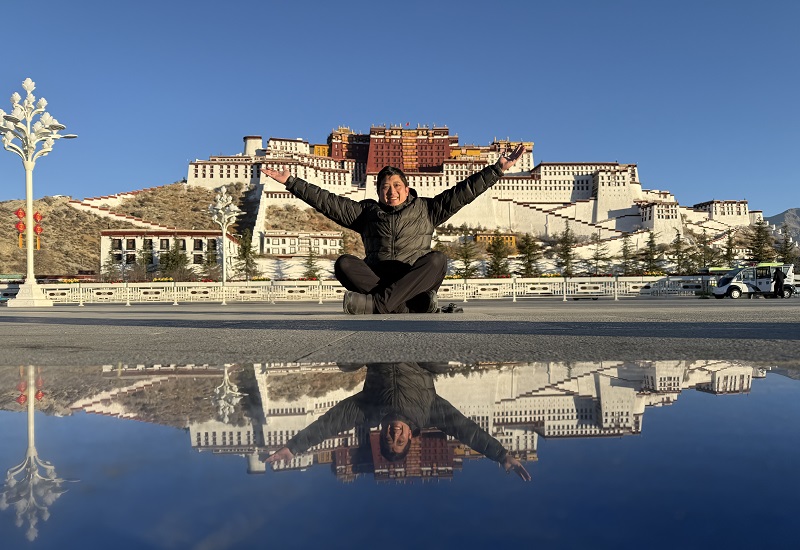
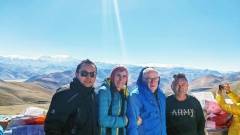
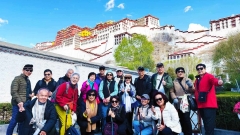
Potala Palace Tourist Photos
Plan Wisely to Enjoy Tibet’s Summer Beauty
In essence, a comprehensive grasp of the unique climatic traits of “Tibet in July” and thorough planning are the bedrock of a delightful adventure on the high plateau. Confronted by the embrace of warm daylight, the chill of evening breezes, and sporadic downpours, adherence to the tenets of “adaptive layering, rigorous sun defense, gradual altitude acclimatization, and adaptable scheduling” will enable you to navigate any obstacles with ease. Armed with a meticulously packed suitcase and a relaxed demeanor, the grandeur of Tibet’s peaks and waterways, its pristine air, and rich, distinctive culture in the seventh month will etch indelible recollections in your heart for a lifetime. Should you seek more specialized advice on crafting a specific travel itinerary or navigating entry protocols, enlisting the aid of a seasoned travel agency can significantly enhance the efficacy of your preparations.