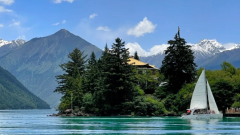

Venturing into the enigmatic embrace of Tibet in August, its capricious climate is undeniably the focal point of widespread intrigue. In this period, the region’s natural beauty reaches a crescendo—immense meadows cloaked in a verdant tapestry of green, yet the mercurial nature of its weather commands respect. This discourse endeavors to meticulously dissect the veracity of Tibet’s August weather, delving into the searing heat of the day, the crisp cool of the night, the likelihood of daily precipitation, alongside essential guidance on attire and health precautions for travelers. Armed with this critical information, one can confidently chart their journey and bask in the unparalleled allure of Tibet’s summertime vistas.
Three Main Weather Features of Tibet in August
In general, Tibet’s weather in August can be summarized by three distinct features: strong sunshine, large temperature difference and abundant rainfall. This is mainly because Tibet’s altitude is too high and the air is relatively thin, so it feels warm when the sun shines, and cool without the sun or at night. Meanwhile, August is a time when rainfall is relatively concentrated in Tibet throughout the year, but these rains rarely last all day.
Specifically, during the day in downtown Lhasa, a long-sleeve T-shirt may be enough, and it may even feel a bit sunny under the sun. However, in the morning and evening, especially if you are going to the lakeside or higher-altitude places, a thick coat is absolutely necessary. As for rain, it usually rains for a while in the afternoon or evening, and many times the sun comes out immediately after the rain stops, so it’s useful to carry an umbrella or a lightweight raincoat when going out. Understanding these features of Tibet’s weather in August is the first step in making all preparations.
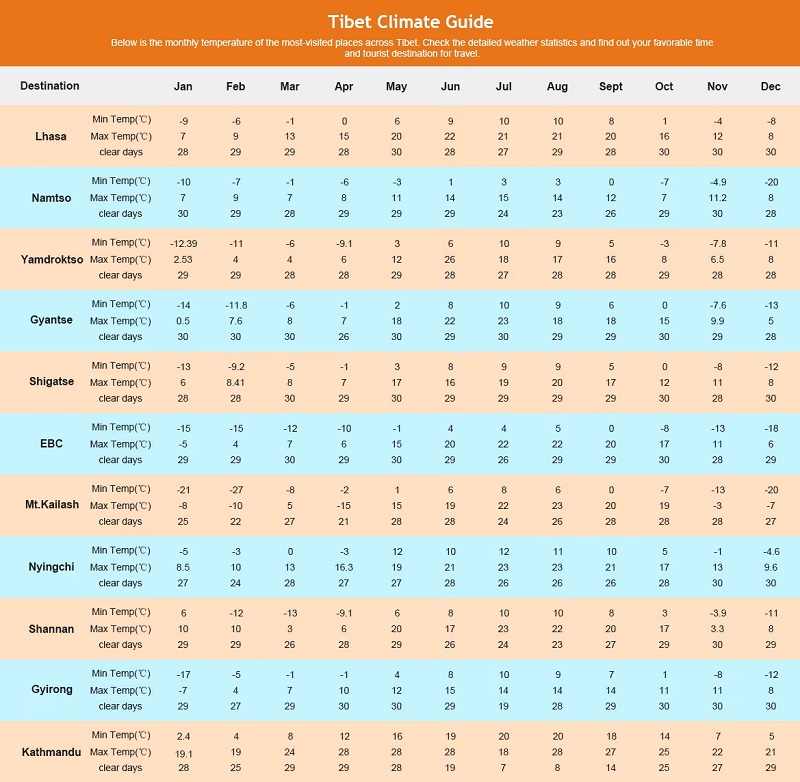
Tibet Weather
Detailed Weather Data: Temperature, Rainfall and Sunshine
Let’s take a look at temperature, rainfall and sunshine separately to give you a more specific understanding of Tibet’s weather in August.
Warm Days, Cool Mornings and Evenings, Colder at Higher Altitudes
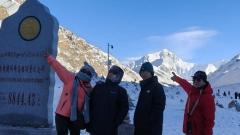
Tibet’s daytime temperature in August is quite comfortable—for example, noon in Lhasa may reach over 20°C. But the key lies in the morning, evening and different locations. After the sun sets, the temperature drops rapidly, and it may be only around 10°C at night. If you plan to visit places with an altitude exceeding 4500 meters such as Nam Co Lake or Everest Base Camp, you need to prepare for “winter”. It may not feel cold there during the day when the sun is shining, but the wind is strong; once it’s cloudy, the feels-like temperature will be very low, and it may even be close to zero degrees Celsius at night. Therefore, Tibet’s weather in August makes people feel that they may experience different seasons within a day.
Abundant Rainfall is Showery, Doesn’t Affect All-Day Itineraries
Many people worry about raining every day in Tibet in August. In fact, most of the rains here are showers or thunderstorms, which last for an hour or two and rarely linger all day. Rainfall mostly occurs from afternoon to evening, so it generally doesn’t affect your morning sightseeing plans. On the contrary, the air is particularly clean after rain, rainbows are often visible, and the scenery is more beautiful. Of course, because the road surface may be slippery during the rainy season, if you are going to remote areas, choosing a reliable car and an experienced driver is very important.
Strong Sunshine, Sun Protection is a Top Priority
This is the most important point to be wary of in Tibet’s weather in August! Due to the high altitude, the UV rays here are extremely strong—much stronger than at the seaside. Even on cloudy days, UV rays can penetrate the clouds. If you engage in outdoor activities for an hour or two during the day without any protection, your skin is likely to get sunburned. Therefore, you must take strict sun protection measures when coming to Tibet: prepare sunscreen with SPF50 or higher, wear sunglasses that can block the sides, a wide-brimmed hat, and it’s best to cover your face with a scarf or mask.
Packing for August Weather: What Clothing and Items to Bring
Based on the above-mentioned characteristics of Tibet’s weather in August, remember a core principle when packing: layered dressing for easy putting on and taking off. This way, you can cope with any temperature changes.
Clothing Matching Suggestions
- Innermost Layer (Close to Skin): Wear quick-drying short-sleeve or long-sleeve underwear. Pure cotton gets wet easily after sweating and is not easy to dry, making it uncomfortable to wear and prone to colds.
- Middle Layer (Warmth): Bring a fleece jacket, thin down vest or wool sweater. This is the main layer to cope with morning and evening temperature differences and cold at higher altitudes.
- Outermost Layer (Protection): A windproof and waterproof jacket is the best choice. It can handle sudden showers and strong winds at high altitudes.
- Pants: Comfortable casual pants or hiking pants; you can bring an extra pair of thin thermal pants to wear when staying overnight in high-altitude areas.
- Shoes: Be sure to wear waterproof, non-slip and comfortable hiking boots or trekking shoes. Scenic areas are slippery after rain, and good shoes can ensure safety.
- Small Accessories: A warm hat (sun protection during the day, preventing headaches at night), gloves, and a magic scarf or shawl. These may seem insignificant but are very practical on the plateau.
Other Essential Items
In addition to clothing, there are some small items that can greatly improve travel comfort: lip balm and moisturizer (the plateau is very dry), an insulated water bottle (drinking more hot water helps adapt to the plateau), your own daily medications and some altitude sickness prevention drugs (such as painkillers). A good travel agency will inform you of these details in the itinerary reminder—for example, China Dragon Travel provides customers with a thoughtful pre-trip preparation list.
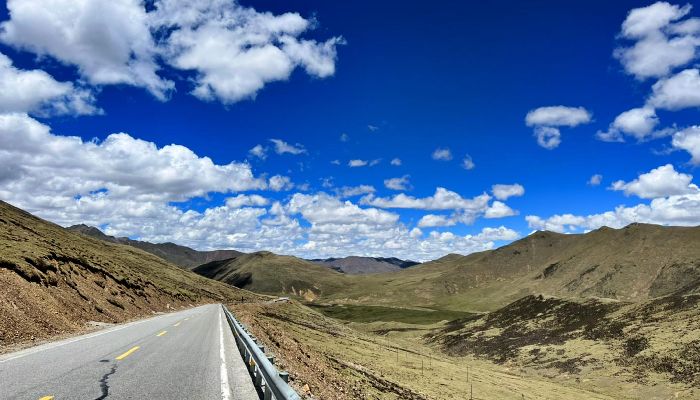
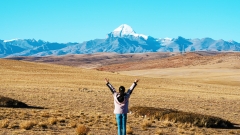
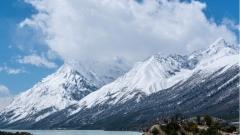
Sunny Day on Tibet’s Mountain Roads
Practical Impact of August Weather on Travel Health and Itineraries
Tibet’s weather in August not only determines what you wear but also directly affects your physical comfort and itinerary arrangements.
The Relationship Between Altitude Sickness and Weather
Here’s good news: the air humidity in August is relatively higher, and some people may feel slightly more comfortable breathing than in the dry winter. But this doesn’t mean there will be no altitude sickness. The most important things to prevent altitude sickness are: slow down your movements, don’t take a hot bath for the first day or two, ensure rest, and drink plenty of warm water. The itinerary should not be arranged too tightly—give your body time to adapt. If you’re worried, you can consult a doctor in advance or choose a travel service agency with comprehensive logistics support, so that you can get timely help if you feel unwell.
Impact of Weather Changes on Transportation and Scenery
August rains turn the grasslands green, making the scenery very beautiful. On the other hand, rain may make some dirt roads muddy, and there may occasionally be rockfalls in mountainous areas. If your itinerary includes remote areas like Ngari, choosing a high-performance off-road vehicle and an experienced driver-guide is particularly crucial. They are familiar with the road conditions and can make the safest judgments based on the weather. Meanwhile, the fickle weather also means you may encounter unexpected beautiful scenery, such as double rainbows after rain and rolling sea of clouds—this is an excellent opportunity for photography enthusiasts.
Weather Differences in Different Regions of Tibet in August
Tibet is very large, and the weather in August varies in different places:
- Lhasa and Nyingchi Areas: Lower altitude, mildest climate, abundant rainfall and dense vegetation—an ideal place for first-time travelers to the plateau to acclimatize.
- Xigaze and Everest Areas: High altitude, strong winds and extremely large day-night temperature differences. Thick down jackets and windproof equipment are essential here.
- Ngari Area: Even in August, nights are extremely cold, but precipitation is less and the sky is vast—an excellent place for stargazing.
When arranging your itinerary, you can consider spending one or two days acclimatizing in Lhasa first, then heading to higher-altitude places. Try to arrange important outdoor activities in the morning when the weather is usually better. A reasonable itinerary can let you enjoy the trip more calmly instead of rushing around.
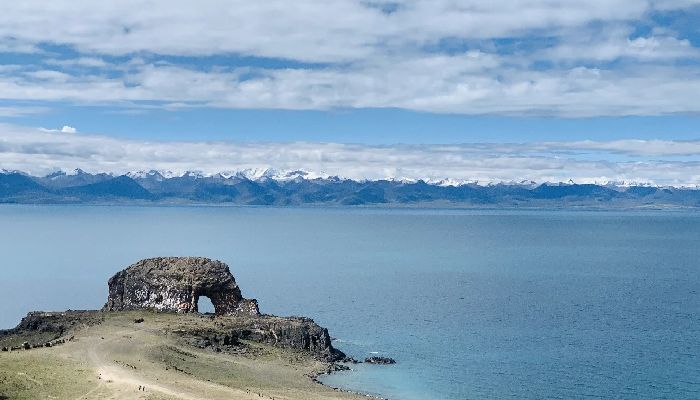
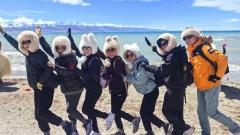
Scenery by Nam Co Lake in Tibet
Prepare Well to Enjoy Your August Trip to Tibet
In essence, August in Tibet ushers in a climate of caprice. Nonetheless, with meticulous planning, the weather ceases to be a hindrance and instead contributes an enchanting allure to your journey. The essence of preparation entails: embracing a “layered attire” approach to navigate the fluctuating temperatures, packing “water-resistant garments” to fend off unexpected showers, deploying “robust sun safeguarding” tactics against the intense UV rays, and adjusting to the elevated terrain with a “composed demeanor”. With these precautions in place, you can revel in the unparalleled beauty of Tibet in August with complete peace of mind—the golden temples basking in the sunlight, the grasslands glistening with dew post-rain, and the luminous stars adorning the crisp night sky. These experiences weave together to form indelible recollections of Tibet’s summer. Should you harbor any uncertainties regarding the weather conditions or specific routes during your travel planning, seeking advice from an established travel agency will streamline your preparations and instill greater confidence.