
Planning a trip to Tibet, many people worry about safety issues and have even heard of some serious accidents. “Death during Tibet travel” is a topic that must be taken seriously, but this does not mean Tibet is a dangerous forbidden area. On the contrary, most serious problems stem from inadequate preparation and ignorance of risks. The purpose of this guide is to clearly and directly tell you the main risks of traveling to Tibet, how these risks can lead to serious consequences, and what you should do to avoid them effectively. Understanding these is not to deter you, but to allow you to embark on this beautiful land more peacefully and responsibly.
Altitude Sickness: From Headache to Life-Threatening Progression
Tibet has a very high altitude, and the air contains much less oxygen than the plains. When the body cannot adapt suddenly, altitude sickness occurs. Headache, insomnia, loss of appetite, and nausea are all initial signs. If you ignore these symptoms and continue to go higher or engage in strenuous exercise, the situation may worsen.
Two Most Dangerous Conditions: High-Altitude Pulmonary Edema (HAPE) and High-Altitude Cerebral Edema (HACE)
If common altitude sickness worsens, it may develop into two life-threatening acute illnesses:
- High-Altitude Pulmonary Edema (HAPE): Simply put, water accumulates in the lungs, making normal breathing impossible. You will feel short of breath even when sitting still, cough (sputum may be frothy pink), have purple lips and nails, and feel weak all over.
- High-Altitude Cerebral Edema (HACE): This is swelling of the brain due to lack of oxygen and pressure. Symptoms include severe headache (unrelieved by any painkillers), unsteady walking (like being drunk), slurred speech, confusion, even hallucinations and coma.

Oximeters
Both conditions develop very quickly and are the most critical medical emergencies to watch out for on the plateau. Many tragic incidents start with ignoring the initial signs of altitude sickness.
What You Should Do: Focus on Prevention and Early Action
– Slow down: After arriving in Lhasa, stay for at least two nights and do not rush to higher places. This is the most important rule.
– Rest on the first day: Do not take a bath, drink alcohol, run or jump immediately after arrival. Drink plenty of water and rest well.
– Pay attention to your body at all times: Ask yourself every day if the headache is getting worse or if any new strange symptoms appear.
– Know when to descend immediately: If you experience any signs of HAPE or HACE mentioned above, do not hesitate to stop your trip, descend to an area at least 500 meters lower in altitude immediately, and seek medical help. This is the golden rule for saving lives.
Road Dangers: Complex Traffic and Changing Weather
The scenery of Tibet is on the road, but the roads themselves are also a challenge. With vast land and sparse population, it takes a long time to drive between attractions. The combination of road conditions and weather constitutes another major risk.
Risks of Mountain Roads and Long-Distance Driving
Many highways are built on mountain slopes, with sharp bends and narrow roads, and there may be cliffs on one side. Some are gravel roads, which become very slippery when it rains or snows. Long-distance driving is prone to fatigue, and the risk increases if the driver is not familiar with the road conditions. Dangers vary by season: mountain passes are snowy and icy in winter, and heavy rains in summer may trigger landslides or debris flows.
Weather Changes Suddenly
The weather on the plateau can change completely in a short time. Hail may fall suddenly even in summer, and the temperature drops sharply. When hiking or sightseeing in the wild, if you do not bring enough clothes, you are prone to hypothermia. Sudden snowstorms or heavy fog can also make driving extremely dangerous.
How to Reduce Traffic and Environmental Risks
– Choose the right vehicle and driver: Rent a regular vehicle and ensure the driver is a local familiar with Tibet’s road conditions—they are more experienced in dealing with emergencies.
– Arrange your itinerary reasonably: Do not let the driver drive fatigued to rush between attractions. Avoid traveling through dangerous roads at night or when severe weather is forecast.
– Pay attention to the weather at all times: Check the weather forecast before departure and during the trip. If the weather is too bad, it is better to change your plans.
– Be careful during outdoor activities: When taking photos or sightseeing by lakes, rivers or cliffs, be sure to watch your step and stay away from the edges.
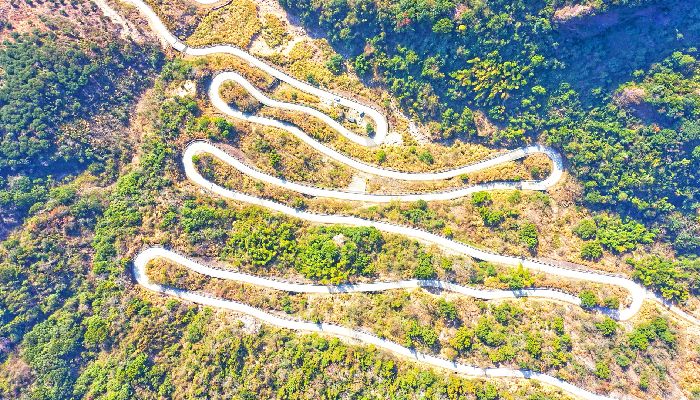
Tibetan Winding Mountain Roads
Make Your Trip Safer: Pre-Departure and On-the-Way Preparation Checklist
Now that you know the risks, the next step is concrete action. Doing these things well will greatly improve your safety factor.
Essential Pre-Departure Tasks
- Get a medical check-up: Especially check your heart and blood pressure, and consult a doctor if your body is suitable for high-altitude travel.
- Buy the right insurance: Be sure to purchase travel insurance that explicitly covers “high-altitude illness rescue” and “emergency medical evacuation”. Ordinary insurance may not cover these.
- Arrange a relaxed itinerary: Especially for the first few days, do not overschedule and leave time for your body to adapt.
Key Points to Remember On the Road
– Self-check every day: Observe each other with your companions to see if anyone has a particularly bad complexion, rapid breathing, or unsteady walking.
– Pack some medicine in your luggage: You can prepare some medicine to relieve headaches. If you need to take prescription medicine for preventing altitude sickness (such as acetazolamide), be sure to consult a doctor in advance.
– Have a backup plan in mind: If someone feels seriously unwell on the way, know where to descend for medical treatment nearby and do not insist on continuing the original plan.
– Maintain communication: When going to particularly remote areas, find out about mobile phone signal coverage and rent a satellite phone if necessary.
A smooth trip to Tibet relies on careful planning and attention to safety. Choosing an experienced travel agency, such as China Dragon Travel, can help you handle many logistical details—such as arranging a reasonable itinerary rhythm, providing reliable vehicles and drivers familiar with road conditions, and offering local support in case of emergencies. However, this does not mean you can be completely careless; your own safety awareness is always the top priority.
Understanding the Risks for a Safer Tibet Journey
Discussions about “Tibet travel deaths” often cause unnecessary fear because individual cases are taken out of context. In reality, Tibet is not inherently dangerous. Most serious incidents are linked to inadequate preparation, poor understanding of altitude sickness, overly rushed itineraries, or underestimating road and weather conditions. With proper acclimatization, realistic travel planning, and awareness of early warning signs, the majority of risks can be significantly reduced.
A safe journey to Tibet depends on informed decisions and responsible travel behavior. Experienced local operators such as China Dragon Travel can assist with pacing itineraries, arranging reliable transportation, and providing on-the-ground support when conditions change. However, regardless of travel style, personal awareness and respect for high-altitude environments remain the most important factors in ensuring a safe and successful trip.