
Details
Arrival in Urumqi (Airport Pickup)
All participants will gather in Urumqi.
Urumqi
Known as the world’s most inland city, Urumqi is the geographical center of Asia and a key stop along the northern route of the ancient Silk Road.
Xinjiang covers one-sixth of China’s total territory, making it the nation’s largest provincial-level region. It features a typical temperate continental arid climate, with an average annual precipitation of just 155 mm.
Snowmelt from surrounding mountains nourishes numerous rivers, forming oases along basins and river valleys. These oases account for about 5% of Xinjiang’s total land area and exhibit a unique oasis ecological landscape.
Meals: Not included
Accommodation: 4-star hotel in Urumqi
Urumqi – Bosten Lake – Korla
Bosten Lake
The name “Bosten” comes from a Uyghur word meaning “oasis.” It is China’s largest inland freshwater outflow lake, fed mainly by the Kaidu River and forming the headwaters of the Peacock River. Surrounded by vast reed fields, it is one of China’s major reed production areas and Xinjiang’s biggest freshwater fishery base.
In 2002, Bosten Lake was designated as a National Key Scenic Area and later became a National 5A Tourist Attraction in 2014.
Meals: Breakfast included
Accommodation: 4-star hotel in Korla
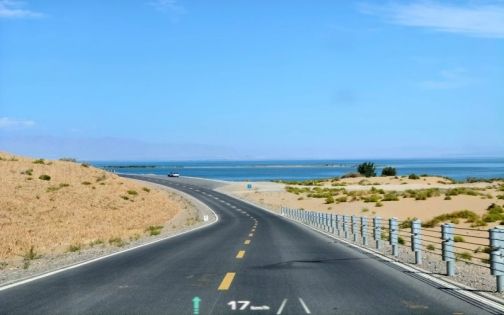
博斯騰湖
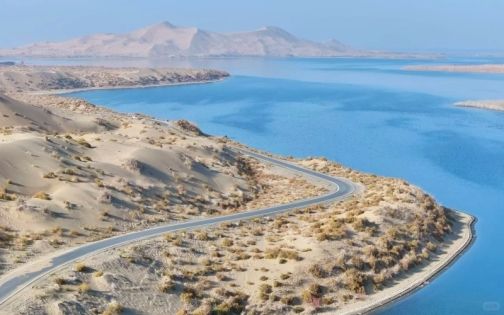
博斯騰湖
Korla – Tarim Poplar Forest – Kuqa
Tarim Poplar Forest National Park
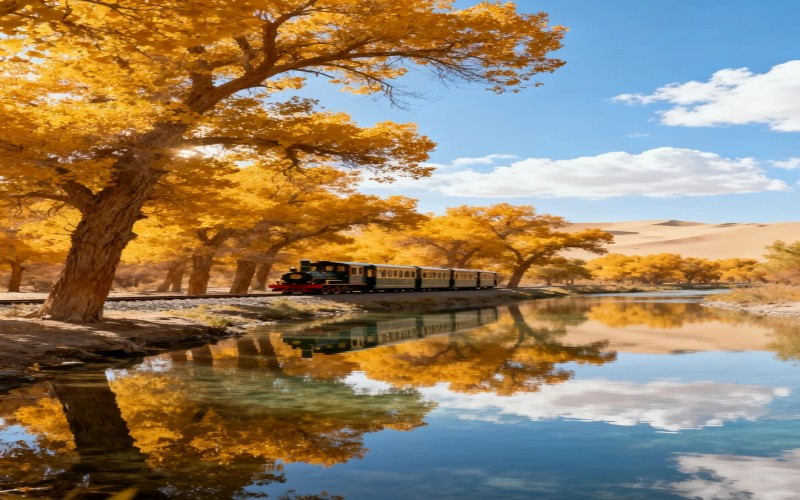
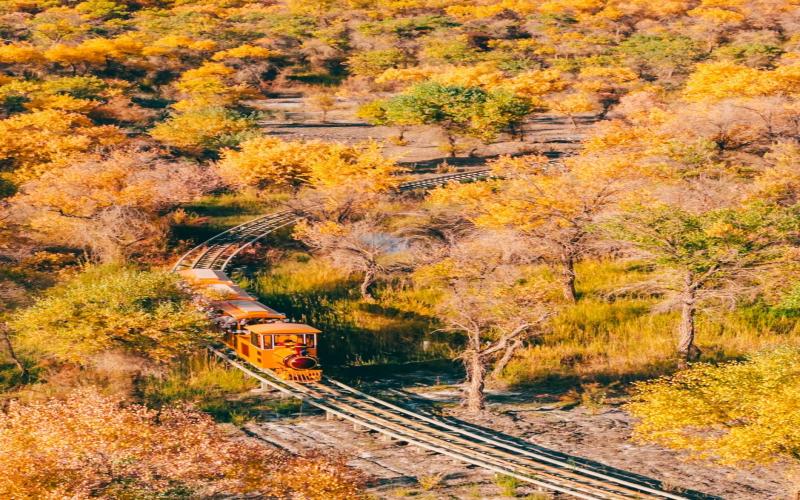
Covering 100 km², this park sits along the midstream Tarim River near Luntai County, on the northeastern edge of the Taklamakan Desert. It is the largest preserved natural Euphrates poplar forest in Xinjiang and the most concentrated poplar ecosystem along the Tarim River basin.
Meals: Breakfast included
Accommodation: 4-star hotel in Kuqa
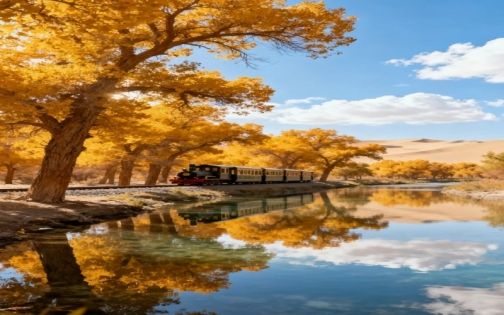
Tarim Poplar Forest National Forest Park
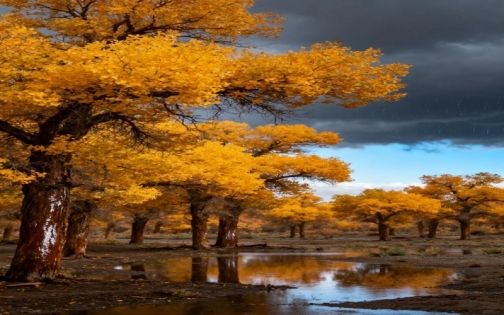
Tarim Poplar Forest National Forest Park
Kuqa: Kuqa King’s Palace, Kizil Thousand-Buddha Caves, Tianshan Mysterious Grand Canyon
Kuqa King’s Palace
Originally built in 1759 by order of Emperor Qianlong to honor the local Uyghur leader for assisting in quelling the Khoja Rebellion. Only fragments remained by the early 20th century, and the palace was reconstructed in 2004 based on historical accounts. Visitors can experience the grandeur of the Kuqa royal family, explore the rich heritage of ancient Qiuci culture, and hear stories about the palace’s history and influential figures.
Kizil Thousand-Buddha Caves
One of the most important Buddhist cave complexes of the ancient Qiuci Kingdom, begun in the 5th century. Among over 50 surviving caves, many contain valuable Buddhist murals and relics. The caves sit along a crucial section of the Silk Road.
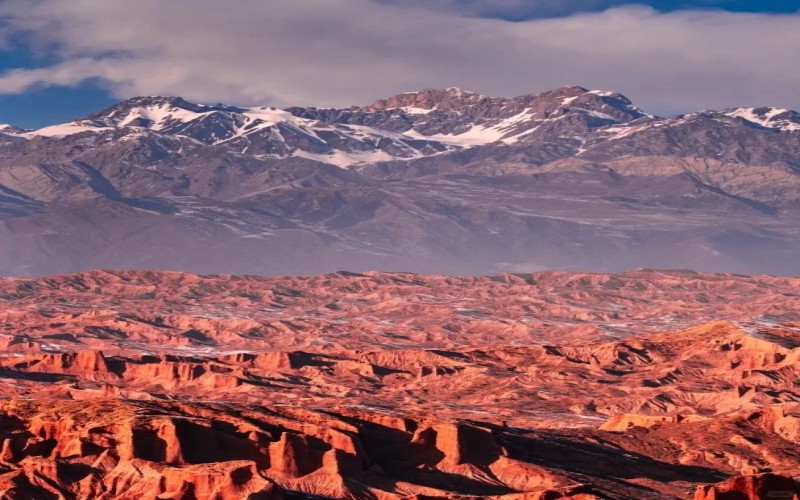
Tianshan Mysterious Grand Canyon (Kuqa Grand Canyon)
Located 72 km north of Kuqa, this canyon is renowned for its striking red sandstone formations. With dramatic cliffs, winding passageways, and towering peaks, it combines mystique, majesty, and natural artistry—one of Xinjiang’s most awe-inspiring geological wonders
Meals: Breakfast included
Accommodation: 4-star hotel in Kuqa
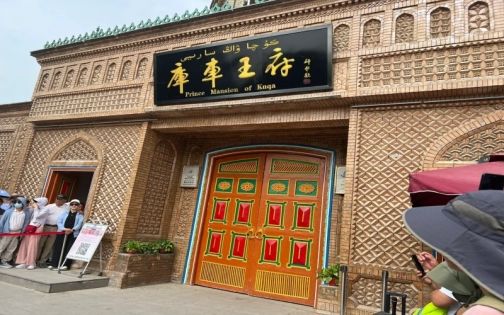
Kuche Imperial House
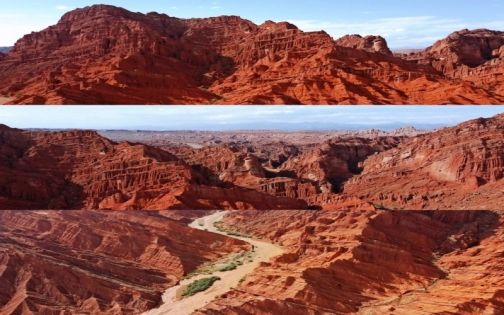
Mysterious Grand Canyon of Tianshan Mountains
Kuqa – Tianshan Tomur Grand Canyon – Aksu
Tianshan Tomur Grand Canyon
The largest and most visually stunning red-layer canyon in the Tianshan region, known as the “King of Canyons.” Stretching 25 km east to west and 20 km north to south, it includes 3 main valleys, 12 tributaries, and hundreds of smaller gullies.
Its geological diversity includes canyon, wind-eroded, fluvial, tectonic, and rock-salt landforms. Notable sights include the Five-Colored Mountain, Hero Valley, Heavenly Gate, Golden Kiss, Hanging Nose Cliff, and City of Thousands of Peaks.
Meals: Breakfast included
Accommodation: 4-star hotel in Aksu
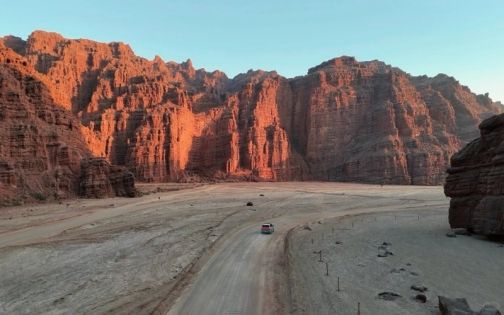
天山托木爾大峽谷
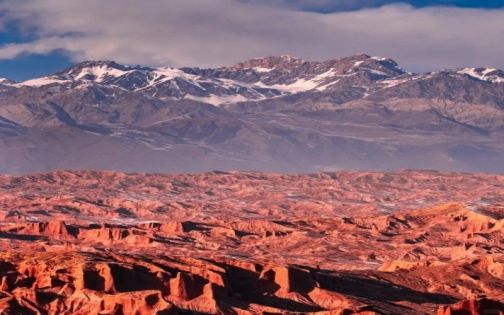
天山托木爾大峽谷
Aksu – Kashgar (Kashgar Old City)
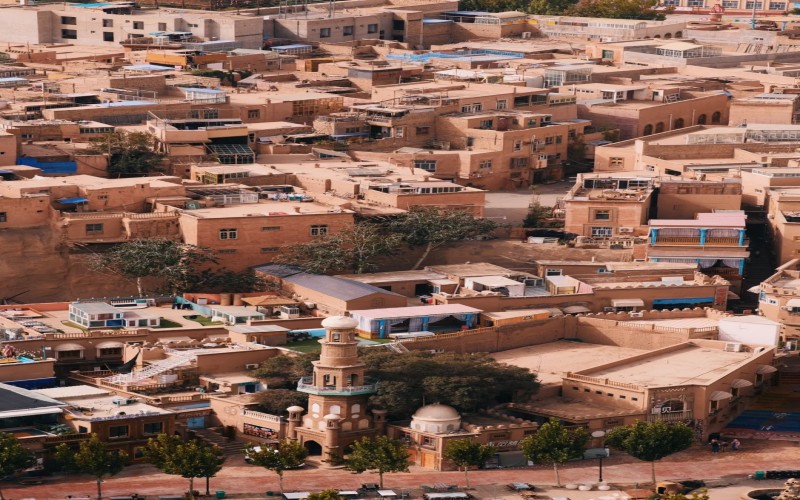
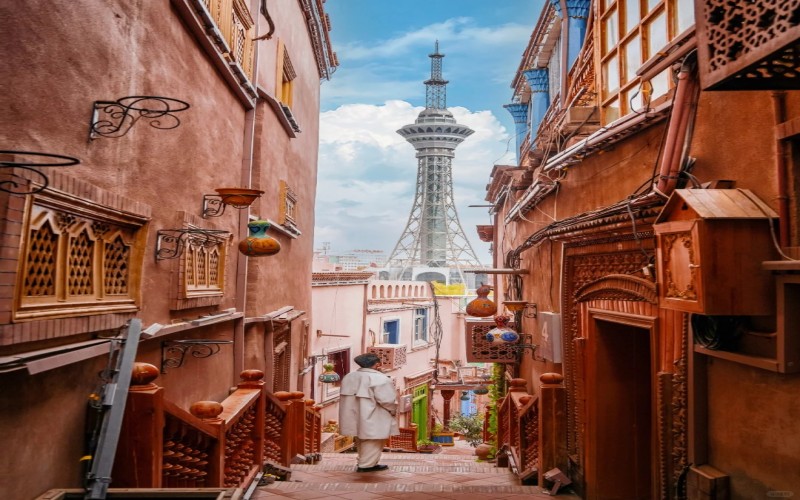
Kashgar Old City
Home to one of the world’s largest clusters of earthen residential architecture. The maze-like alleyways and centuries-old homes reflect a blend of Han-Tang influences, ancient Roman elements, and modern Uyghur traditions. It is China’s only Islamic-style ancient urban district.
Meals: Breakfast included
Accommodation: 4-star hotel in Kashgar
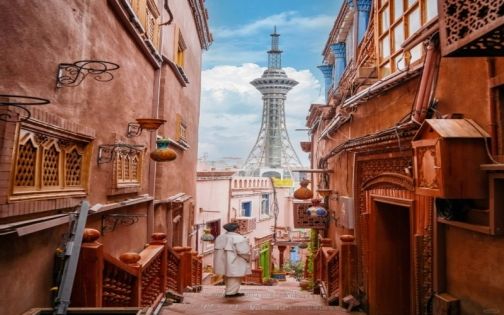
喀什古城
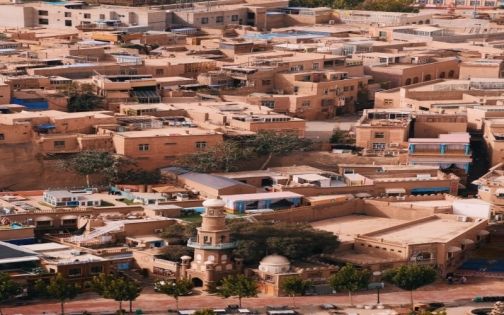
喀什古城
Kashgar – White Sand Lake – Karakul Lake – Muztagh Ata – Tashkorgan
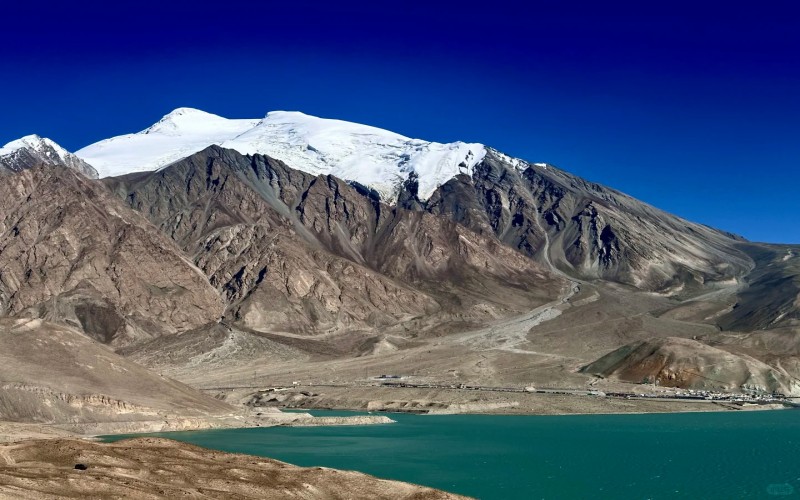
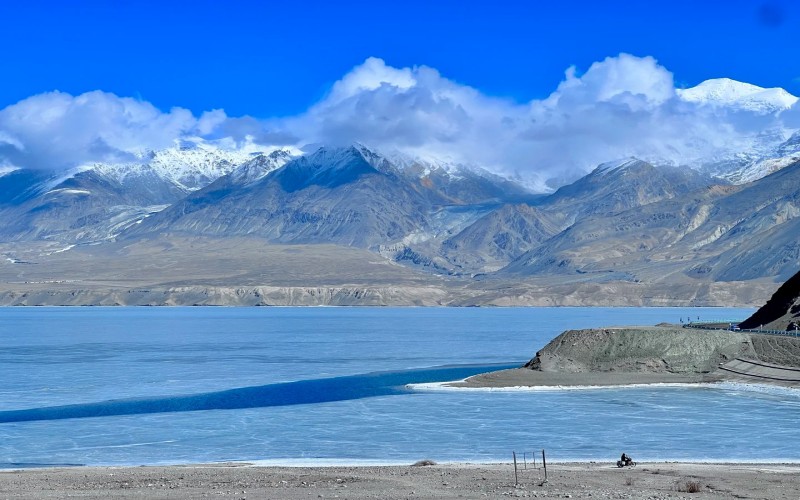
White Sand Lake
Also known as Chakrak Lake, this surreal lake sits beside immense white sand mountains at the gateway to the Pamir Plateau. Its mirror-like waters and wind-sculpted dunes create breathtaking scenery.
Karakul Lake
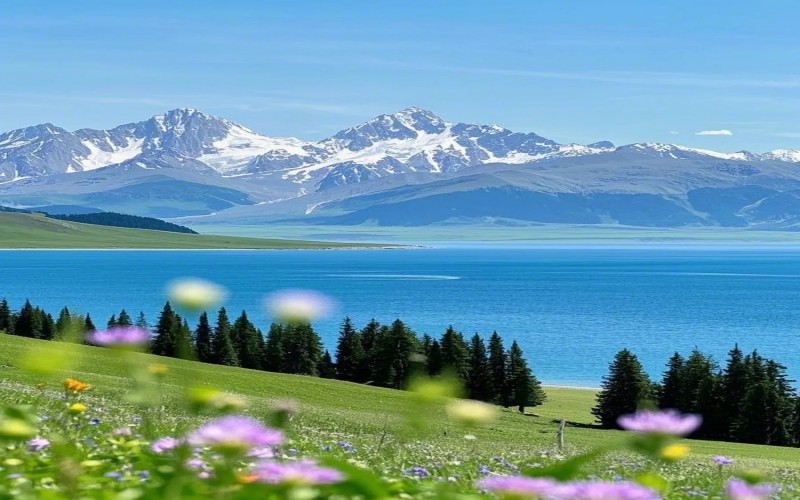
Nestled beneath the legendary Muztagh Ata (“Father of Ice Mountains”), Karakul Lake is known for its dramatic shifts in color—turquoise, blue, gold, or even deep black during storms. The surrounding grasslands host grazing herds and wild birds, adding to the serenity.
Muztagh Ata
Standing at 7,509 m, this iconic glacier-covered peak is one of the most photographed mountains along the China–Pakistan Friendship Highway. With year-round snow, hanging glaciers, and mystical shifting clouds, it is a dream destination for climbers and photographers.
Meals: Breakfast included
Accommodation: 4-star hotel in Tashkorgan
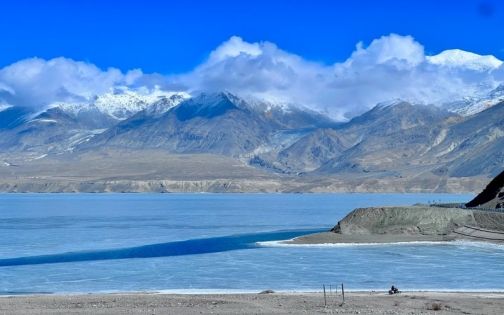
Baisha Lake
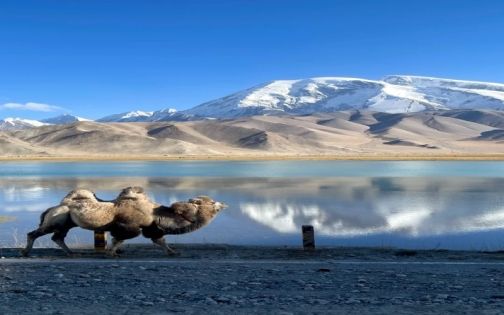
Karakul Lake
Tashkorgan – Wakhan Corridor – Panlong Ancient Road – Bandier Blue Lake – Tashkorgan
Wakhan Corridor
A high-altitude valley linking China with Tajikistan, Afghanistan, and Pakistan, historically part of the Silk Road and a key passage between Chinese and Indian civilizations. The corridor sits at an average elevation of over 4,000 m.
Panlong Ancient Road
Also called the Waqia Highway, this astounding mountain road climbs from 3,000 m to over 4,200 m within only 15–20 km. Featuring 639 hairpin bends, it is known for its dramatic S-curves resembling ribbons floating across the mountains.
Bandier Blue Lake
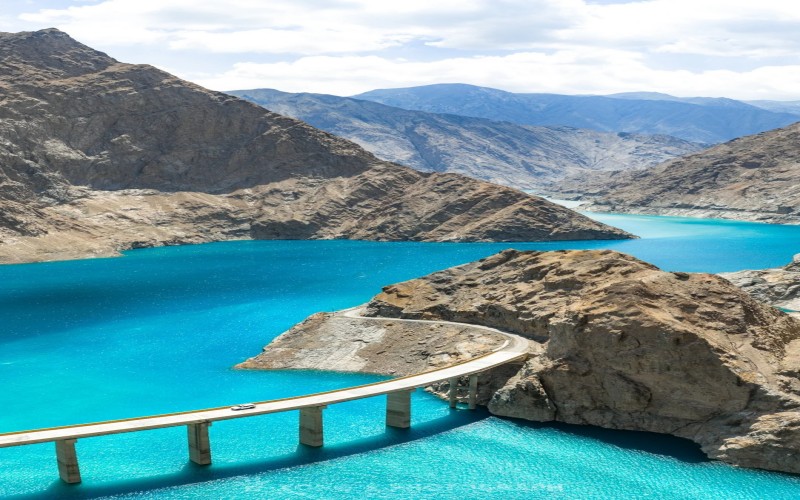
Located at 3,050 m in the remote Pamir region, this brilliant blue lake is also known as the Xiabandi Reservoir. Surrounded by unspoiled mountains, it is considered one of the “sacred lakes” along with Karakul and White Sand Lake.
Meals: Breakfast included
Accommodation: Longting Hotel or similar
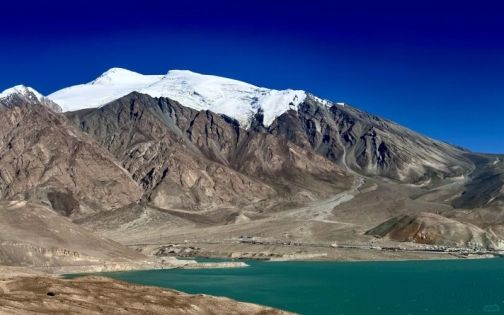
Wahan Corridor
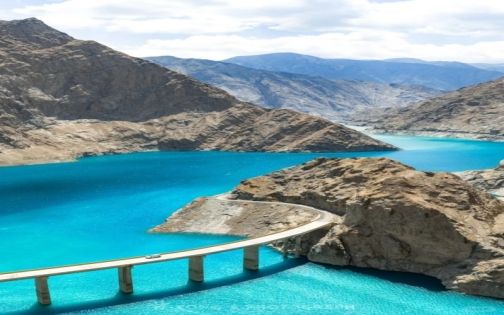
Bandair Blue Lake
Tashkorgan – Stone Fortress – Kashgar
Stone Fortress
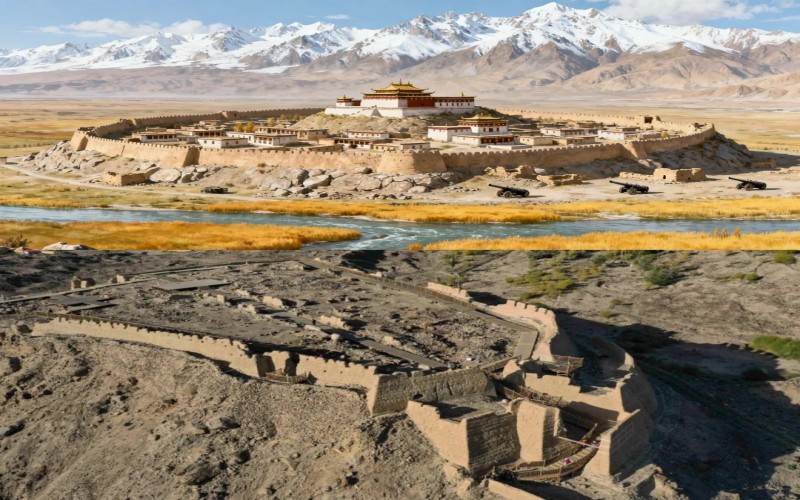
An ancient stronghold of the Puli Kingdom and an important Silk Road hub. Built atop a steep mound, the fortress once guarded strategic routes connecting Kashgar, Shache, Yengisar, and Yecheng to the Pamir Plateau. Today, only remnants remain, but the adjacent Golden Grassland provides excellent views and photography opportunities.
Meals: Breakfast included
Accommodation: 4-star hotel in Kashgar
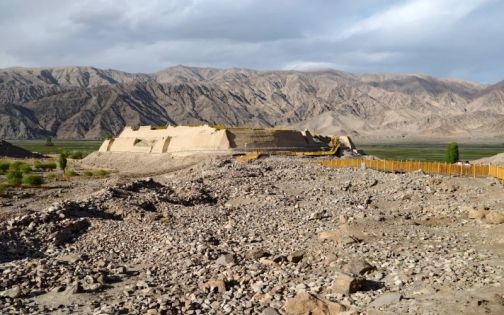
Stone City
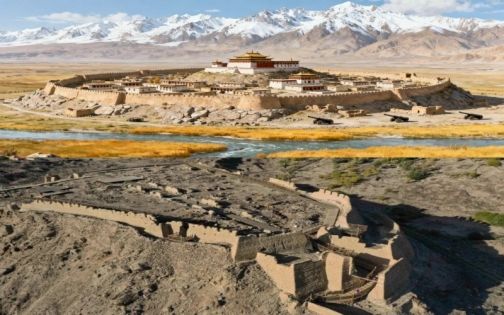
Stone City
Departure from Kashgar
We will take you to the airport according to your flight schedule.
Meals: Breakfast included
Accommodation: Return trip
Fee Description
Inclusions
-
Permits: Xinjiang travel registration
-
Tickets: Entrance fees to all listed attractions
-
Transportation: Comfortable private vehicle (fuel, tolls, driver service & accommodation included)
-
Accommodation: As listed in the itinerary
-
Meals: Daily hotel breakfast
-
Driver: Professional driver (including driver’s meals & lodging)
-
Guide: Professional guide service (driver-guide for groups under 6 people)
-
Insurance: Travel agency liability insurance, vehicle insurance, accidental injury insurance
-
Others: Bottled mineral water throughout the trip
Exclusions
-
Transportation: Flights/train to and from Xinjiang (booking assistance available)
-
Meals: Lunch & dinner at own expense (approx. RMB 20–50 per meal)
-
Personal expenses: Any items not listed in “Inclusions”
Important Notes
-
Xinjiang is a special autonomous region; authorities may open or close tourist sites without prior notice.
-
If any attraction closes unexpectedly, we will provide suitable alternatives after communicating with the group.
-
If a hotel is requisitioned temporarily, we will arrange accommodation of the same standard.
-
In cases of force majeure (weather, road conditions, political factors), itinerary adjustments may occur. We reserve the right to make necessary changes.