

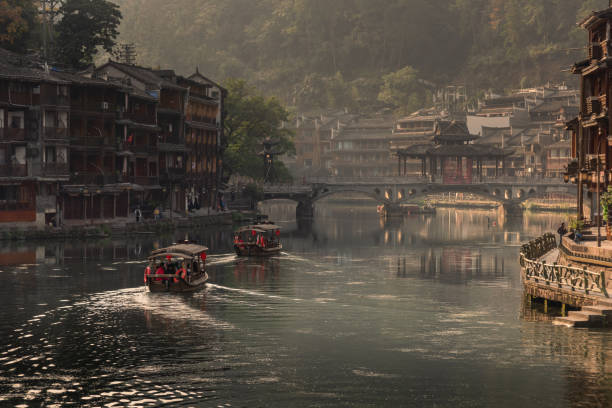
Details
Arrive in Lijiang
Your driver will be waiting for you at the airport/train station exit and will provide a comfortable transfer to your hotel in Lijiang. The rest of the day is yours to relax or start exploring at your own pace.
Meals: Not Included
Accommodation: Hotels in Lijiang
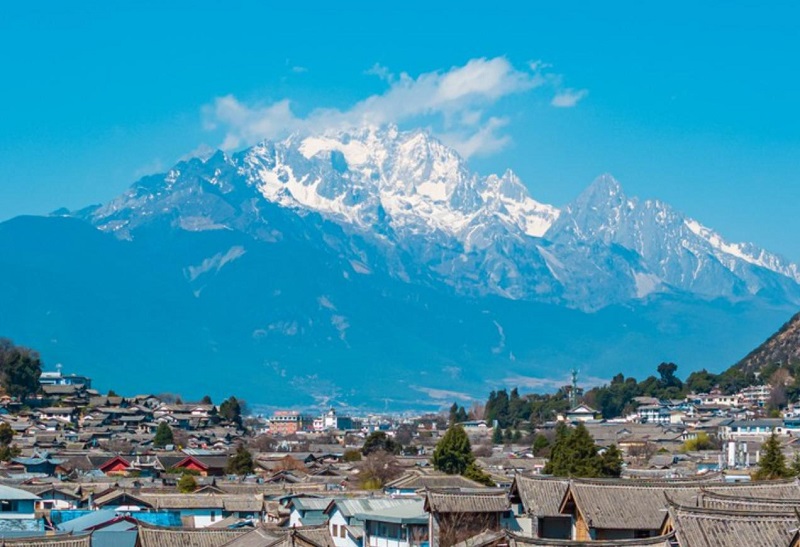
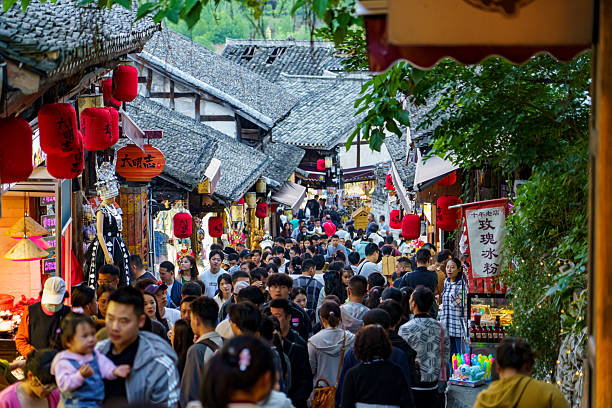
Lijiang Old Town
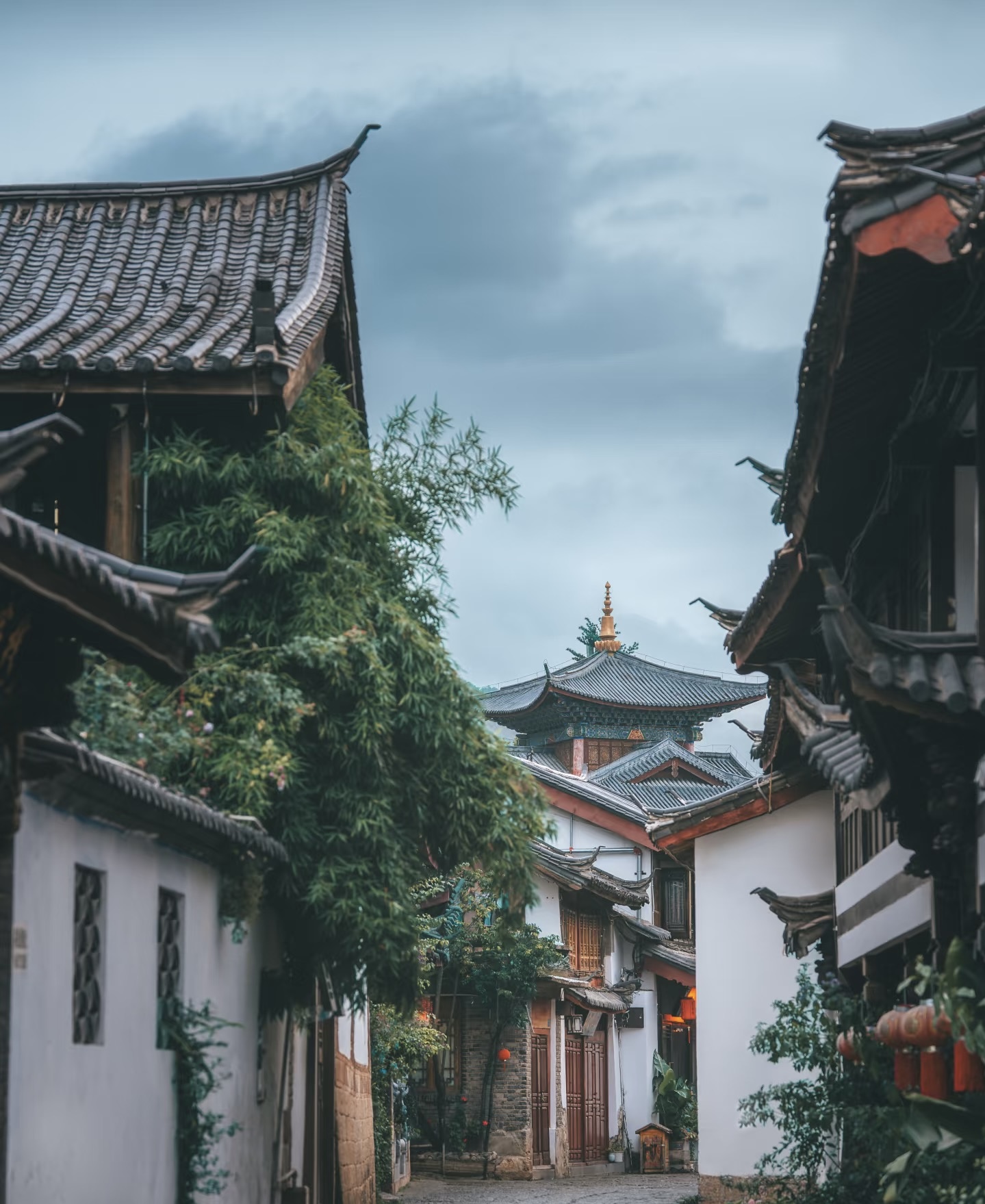
Lijiang ancient town
Lijiang Day Trip: Lijiang Ancient Town-Black Dragon Pool-Mu Mansion
After breakfast, head to Lijiang Old Town—a UNESCO World Heritage Site with over 800 years of history and a key hub on the ancient Tea Horse Road.
Visit Mu Mansion, known as the “Forbidden City of the South,” to learn about the local Naxi culture and the rise and fall of the Mu clan. From its vantage point, enjoy a panoramic view of the ancient town set against the backdrop of the snow-capped mountains.
Continue to Square Street to explore Naxi-style handicrafts and local specialties.
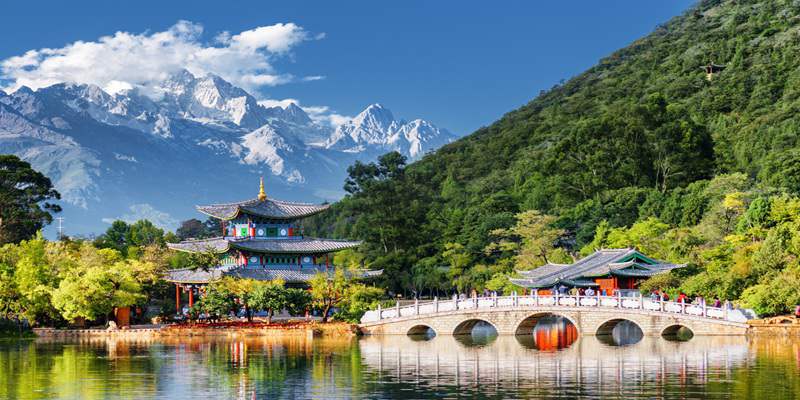
Proceed to Black Dragon Pool Park on the north side of Lijiang Old Town. Admire the scenic surroundings and the striking reflection of the Jade Dragon Snow Mountain on the water’s surface.
Meals: Breakfast and Lunch Included
Accommodation: Hotels in Lijiang
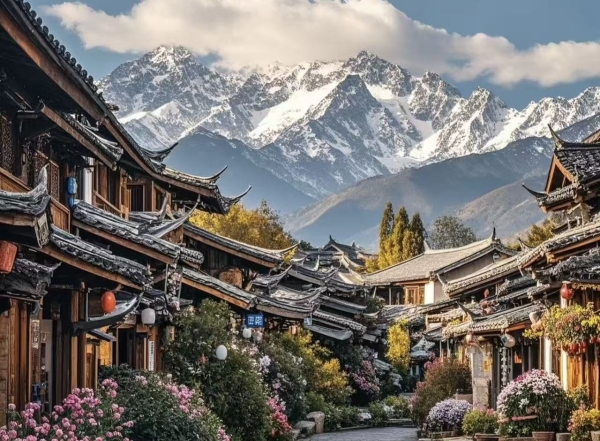
Lijiang ancient town
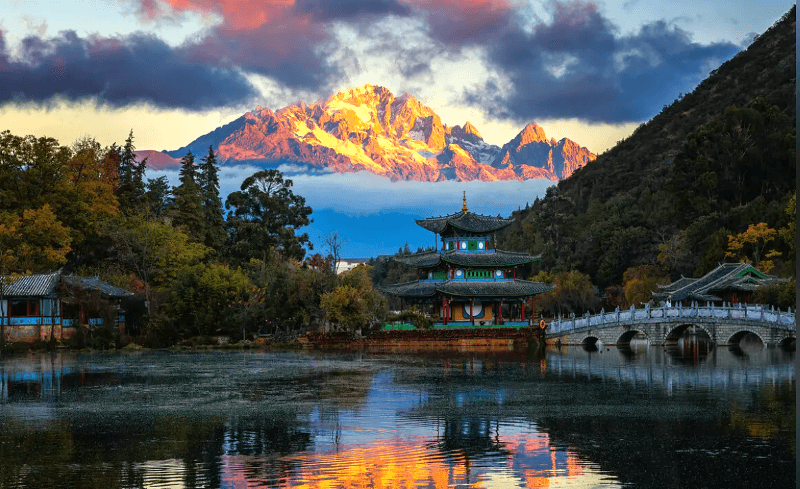
Black Dragon Pool Park
Lijiang Day Trip: Jade Dragon Snow Mountain+ Blue Moon Valley + Yuhu Village + Shuhe Ancient Town (Optional)
After breakfast, depart from Lijiang Old Town to visit the famous Jade Dragon Snow Mountain, the sacred mountain of the Naxi people, named for its resemblance to a jade dragon in winter.
Take the cable car up to Spruce Meadow at an altitude of 3,240 meters. This broad meadow hidden in pristine spruce forest offers one of the best vantage points for viewing the snowy peaks.
After the visit, take the cable car down and transfer by sightseeing vehicle to Blue Moon Valley. The valley consists of four lakes and one river, with Jade Liquid Lake and White Water River being the most scenic. On sunny days, the water of Jade Liquid Lake is crystal clear and azure, like a precious mirror, while White Water River appears milky white due to the water flowing over white stones.
Leave Jade Dragon Snow Mountain and continue to Yuhu Village for a visit. Yuhu Village is a traditional Naxi settlement nestled at the foot of Jade Dragon Snow Mountain. With the majestic snow mountain on one side and the tranquil Jade Lake on the other, the village is composed of houses built from stone and wood, creating a very picturesque scene. You can also interact closely with the locals and experience their traditional way of life.
Meals: Breakfast and Lunch Included
Accommodation: Hotels in Lijiang

Jade Dragon Snow Mountain

Jade Dragon Snow Mountain
Lijiang-Dali: Three Pagodas of Chongsheng Temple + Erhai Lake Cycling + Dali Ancient Town
After breakfast, depart by car for Dali (approx. 2 hours). Upon arrival, visit Dali’s landmark attraction — Three Pagodas of Chongsheng Temple. The complex consists of one large and two small pagodas, along with the grand Chongsheng Temple behind them.
The three pagodas were originally built during the Nanzhao Kingdom over a thousand years ago and represent typical Tang Dynasty architecture. They served both as spiritual guardians and as objects of admiration.
Chongsheng Temple was once the royal temple during the Nanzhao and Dali periods, renowned as the “Capital of Buddhism,” offering a deep immersion into Buddhist culture.
Don’t forget to take beautiful travel photos by the reflection pool in front of the pagodas.
After lunch, head to Erhai Lake, known as the “Pearl of the Plateau.” Nestled at the foot of Cangshan Mountain, its sapphire-blue waters are famous for their stunning scenery.
You can cycle along the west shore of Erhai Lake, immersing yourself in the picturesque lakeside views and the traditional Bai ethnic dwellings along the way.
After the tour, return to your hotel in Dali to rest.
Meals: Breakfast and Lunch Included
Accommodation: Hotels in Dali
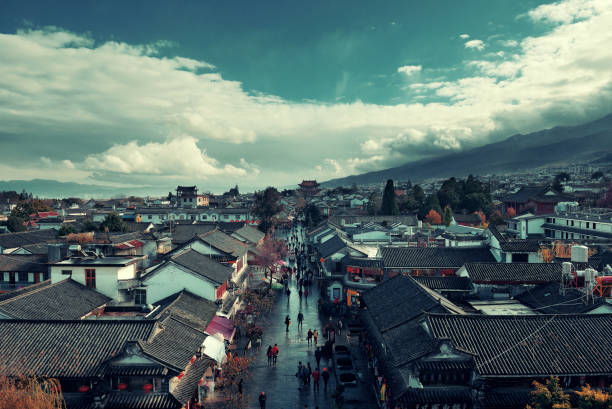
Dali Ancient Town
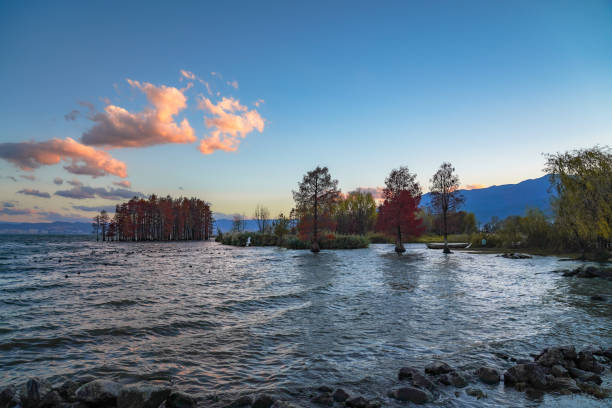
Erhai Lake
Dali-Kunming: Xizhou Ancient Town/Local Market+Zhoucheng Village
After breakfast, take the opportunity to visit the Xizhou Local Market to immerse yourself in its lively atmosphere—the best way to get a genuine feel for Xizhou. You’ll find everything from fresh produce and unique handmade crafts to authentic local snacks and even some adventurous regional delicacies. It’s a perfect place to experience local culture and tastes firsthand. Be sure to try the freshly baked Xizhou Baba—available in sweet or savory, crispy on the outside and tender inside—paired with a cup of freshly brewed Yunnan coffee, letting the relaxed pace of Dali linger on your tongue.
After the market, stroll through Xizhou Ancient Town and explore the bustling local market to get a deeper glimpse into daily life. Wander the ancient lanes to admire traditional Bai-style homes and learn about their architectural beauty. You can also experience the Bai ethnic Three-Course Tea Ceremony to connect with local customs.
Next, head to Zhoucheng Village, known as the “Home of Tie-Dye.” This Bai ethnic village is famous for its skilled tie-dye craftsmanship. Here, you can admire fine handicrafts and even try making your own tie-dye piece under the guidance of a local artisan.
After the tour, take the high-speed train (about 2 hours) to Kunming. Our driver will meet you at the exit of Kunming Railway Station and escort you to your hotel to rest.
Meals: Breakfast and Lunch Included
Accommodation: Hotels in Kunming
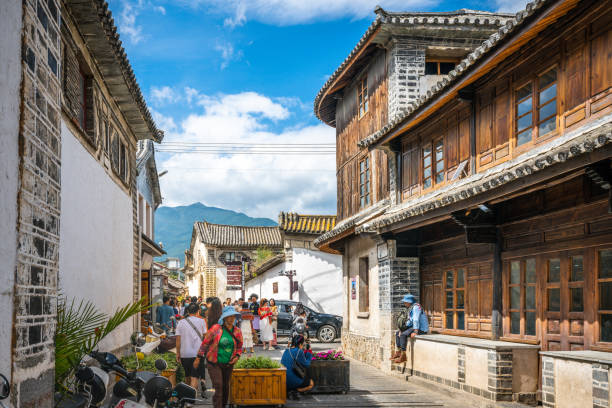
Xizhou old town scenic street view
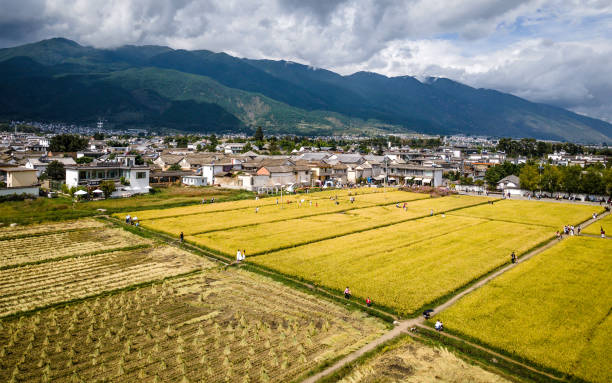
Xizhou old town with Bai minority houses
Kunming Day Trip: Stone Forest + Yuantong Temple + Green Lake Park
This morning, we will drive to visit the Stone Forest Scenic Area, known as “God’s Bonsai Garden.” The Stone Forest, also called Yunnan Stone Forest, is famous for its stunning karst landscape and is highly praised as the “essence of world karst topography.” It was inscribed on the UNESCO World Heritage List in 2007.
Afterwards, return to Kunming to visit Yuantong Temple, one of the oldest Buddhist temples in the city with a history of over 1,200 years. It is the only temple in China that simultaneously accommodates Han Chinese Buddhism, Theravada Buddhism, and Tibetan Buddhism, making it highly renowned in southwest China and Southeast Asia, with continuous worship and incense burning.
Finally, you can take a walk to Green Lake Park, located about 700 meters from Yuantong Temple. The park is named for its emerald waters on all sides, bamboo greenery throughout the year, and willow shades in summer and autumn. Known as the “Jade of the City,” it serves as a leisure hub for locals in Kunming, where many residents take walks, enjoy scenery, dance, and exercise daily.
After the visit, return to your hotel in Kunming to rest.
Meals: Breakfast and Lunch Included
Accommodation: Hotels in Kunming
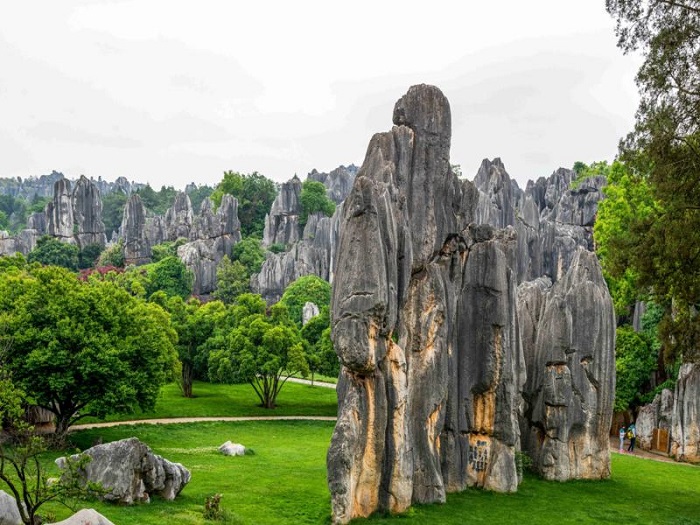
The Unmissable Stone Forest Scenic Area
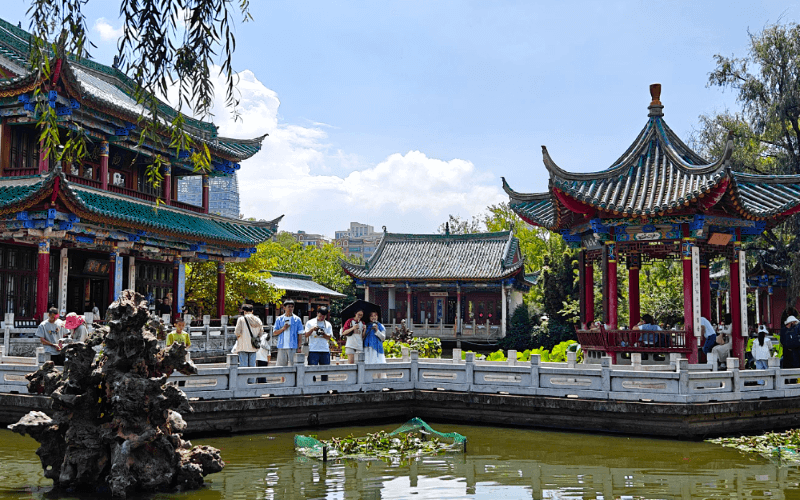
Green Lake Park
Kunming-Kaili: Shiqiao Village+Matang Ge Ethnic Village
After breakfast, you will take the high-speed train (approx. 3.5 hours) to Kaili, Guizhou, known as the “Pearl of the Miao and Dong Ethnic Groups.”
Your first stop is Shiqiao Village, acclaimed as the “Home of Ancient Chinese Papermaking.” The village is named after a natural stone-arch bridge spanning the Nangao River, and is surrounded by mountains with the river winding through it in an S-shape, creating a picturesque landscape.
Shiqiao Village has preserved the traditional papermaking technique that has been passed down since the Tang Dynasty. Using mulberry bark as raw material and entirely handmade, it is regarded as a “living fossil” of papermaking.
You can stroll through the village to admire its original rural scenery, photograph the charming Miao architecture, and even witness the ancient papermaking process firsthand.
Next, visit Matang Gejia Village, a traditional community primarily inhabited by the Gejia ethnic group, with a population of about 400.
The Gejia people claim to be descendants of Houyi, the legendary archer who shot down the suns, and their costumes and silver ornaments often feature sun-shooting totems. They maintain a distinct language and customs.
From clothing and skirts to tablecloths, the village is filled with wax‑dyed works, immersing you in a colorful world of batik. Local women learn the craft from childhood, creating geometric patterns (spiral, sun motifs) and natural motifs (tigers, birds, fish, flowers) that are rich in composition and layer, earning the village the title “Hometown of Wax‑dye Art.”
After the tour, proceed to our carefully selected hotel in Kaili city for check‑in and rest.
Meals: Breakfast and Lunch Included
Accommodation: Hotels in Kaili
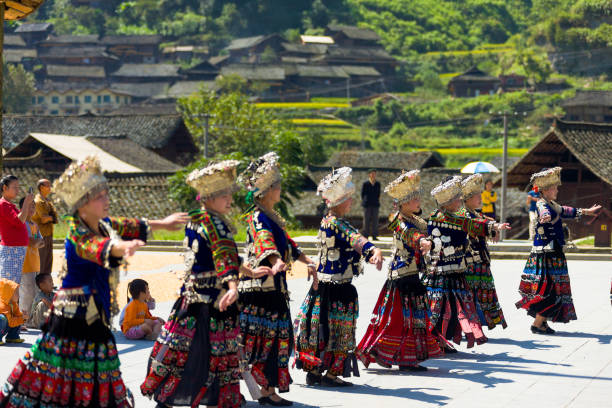
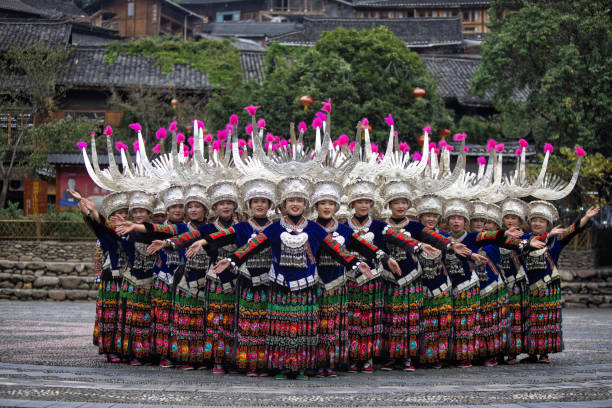
Miao women dancing in full traditional festival
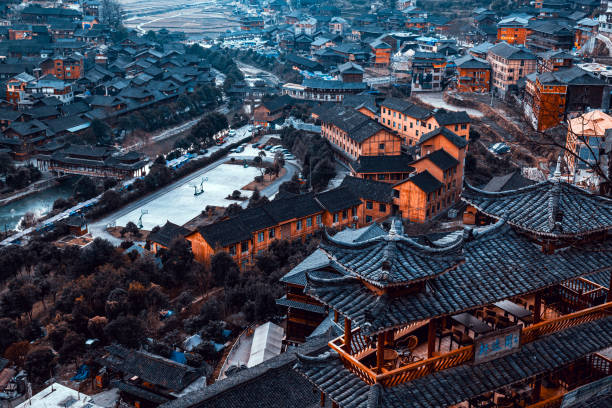
Thousand Miao Households
Kaili-Zhaoxing: Langde Miao Village + Zhaoxing Dong Village
Depart from Kaili in the early morning and drive to Langde Miao Upper Village, a nationally recognized historical and cultural village. This ancient Miao settlement dates back to the late Yuan/early Ming Dynasty (over 600 years old). Stilted houses are built along the hillsides, connected by winding cobblestone paths that blend harmoniously with the surrounding green mountains and clear waters, earning it the reputation of a “hidden paradise.”
Upon arrival, you will be welcomed with a grand reception ceremony. Local villagers, dressed in their traditional long‑skirted Miao attire, will offer you wine in buffalo‑horn cups to express their warm hospitality. You can experience the special “12‑Step Bar‑the‑Door Wine” ritual, the Miao ethnic group’s highest ceremonial welcome, which is rich in tradition and meaning. Afterwards, walk along the stone‑slab path to the village center, the Lusheng Square (Bronze Drum Terrace), where you can watch a captivating performance of Lusheng dances, brocade‑pheasant dances, and other intangible‑cultural‑heritage displays, truly feeling the charm of the “Hometown of Miao Song and Dance.”
Moreover, Langde Miao Village preserves the ancient art of Miao embroidery. Women here skillfully stitch intricate patterns onto their clothing, expressing both their love for life and reverence for nature through every thread. You may leisurely stroll through the village, admiring the traditional stilted architecture, learning about the unique “Long‑Skirt Miao” culture, and experiencing the authentic, rustic customs of the Miao people.
After the visit, drive about 2.5 hours from Langde to Zhaoxing to explore Zhaoxing Dong Village, renowned as the “First Village of Dong Country.” It is one of the largest and best‑preserved Dong ethnic settlements in China, maintaining traditional Dong architecture (drum towers, wind‑and‑rain bridges, stilted houses), intangible‑cultural‑heritage skills (Dong Grand Song, indigo dyeing), and folk activities (Yueye, Saman Festival), earning it the title of “Museum of Dong Culture.”
The village is famous for its five drum towers, each named after a Confucian virtue—Benevolence, Righteousness, Courtesy, Wisdom, and Trustworthiness—corresponding to the five main clan residential areas. The tallest tower reaches 28 meters. Entirely built of wood without nails or rivets, with eaves exquisitely carved with plant and animal motifs, these towers were collectively listed in the Guinness World Records in 2016 and represent a unique architectural marvel among Chinese Dong villages. You can ascend the viewing platform at the village entrance for a panoramic view of the entire settlement, or wander through its ancient alleys to immerse yourself in authentic Dong culture.
After the tour, proceed to your hotel in Zhaoxing for check‑in and rest.
Meals: Breakfast and Lunch Included
Accommodation: Hotels in Zhaoxing
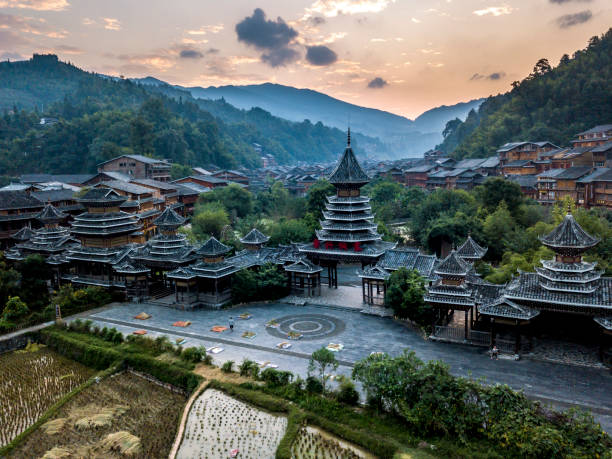
Traditional Dong village of Zhaoxing
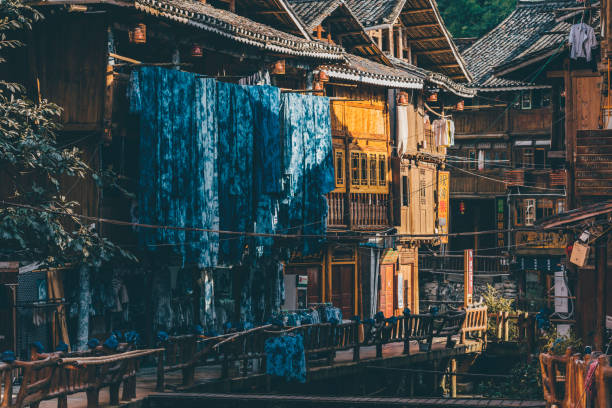
Dong village in Zhaoxing
Zhaoxing – Congjiang – Rongjiang: Basha Miao Village + Zhanli Dong Village
After breakfast, take a car ride of about 1 hour to Congjiang, hailed as a “Sanctuary for Nourishing the Heart,” to begin today’s exploration.
Upon arrival, first visit the mysterious Basha Miao Village. Known as China’s “Last Gunner Tribe,” it preserves customs such as sickle hair‑cutting and tree worship, and is recognized as one of “the 21 most mysterious primitive tribes on Earth.” Basha men are legally allowed to carry firearms for life—the firelock symbolizes tribal identity and courage. Their unique “gu stick” hairstyle is also distinctive: hair on the sides is shaved with a sickle, leaving only a topknot. At the age of 15, Basha boys undergo a solemn coming‑of‑age ceremony that includes worshipping the “life tree,” receiving a sickle haircut, and being gifted a firelock.
Moreover, the Basha people revere trees as sacred. Every Basha person plants a “life tree” at birth; when they die, the tree becomes their coffin, and an evergreen tree is planted over the grave to continue the cycle of life. Their attire is also highly distinctive: predominantly black, men wear traditional black cloth garments symbolizing tree bark, while women add brightly colored accessories to the black base. Notably, a white hem indicates marriage, while a black hem signifies unmarried status. You can stroll through Basha Miao Village to deeply experience this unique and mysterious Miao culture and pristine ecology, and may have the chance to witness the impressive gun‑salute ceremony, sickle haircutting ritual, and captivating Lusheng performances.
Next, proceed to visit Zhanli Dong Village, renowned as “China’s First Population Culture Village.” This Dong settlement is famous for its mysterious “child‑gender‑influencing herbs” tradition and its secluded, primitive ecology. For centuries, nearly every household has maintained the tradition of having exactly one son and one daughter, with no over‑birth phenomenon. You can explore the village’s “Male Well” and “Female Well,” said to influence the gender of a fetus when their water is consumed—a custom shrouded in mystery. You may also wander through the village and terraced fields, capturing the idyllic scenery of Dong architecture blending with the terraces, and experience authentic Dong customs such as Dong cloth weaving, dyeing, and bamboo‑crafting.
After the visit, take a car ride of about 1.5–2 hours to Rongjiang and check into your hotel for rest.
Meals: Breakfast and Lunch Included
Accommodation: Hotels in Rongjiang
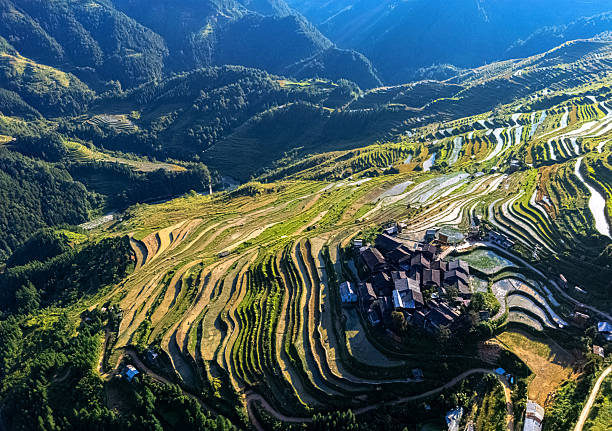
Jiabang Rice Terraces in the Congjiang County
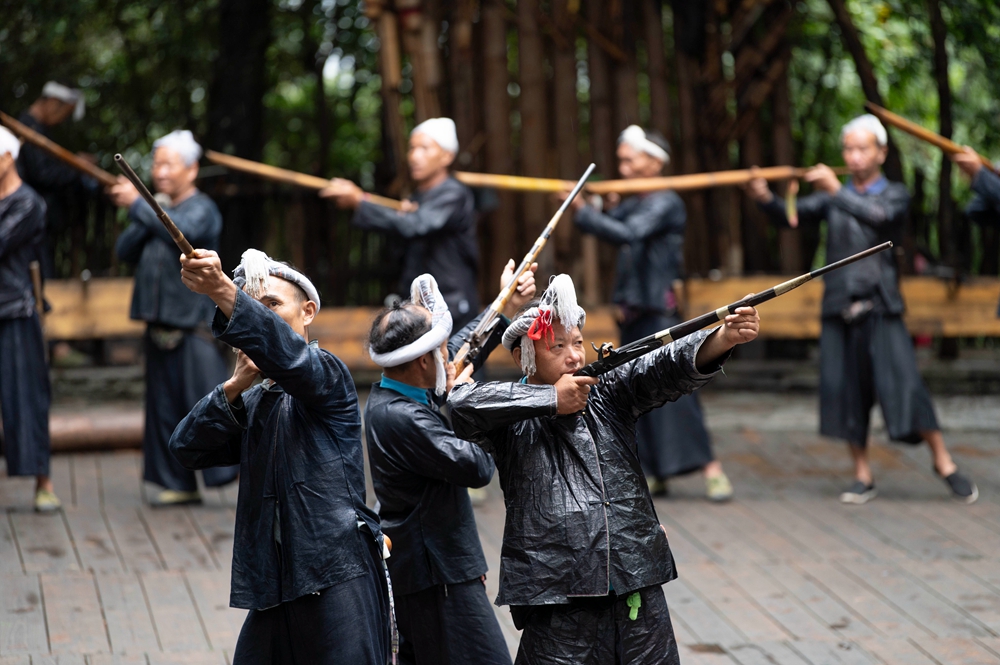
Basha Miao Village
Rongjiang-Huangguoshu: Dali Dong Village
After breakfast, head to visit Dali Dong Village, praised as the “Pearl of the Deep Mountains” and a “Hidden Paradise.” This is a well‑preserved, pristine Dong ethnic village surrounded by mountains, with towering ancient trees, layered terraced fields, and a meandering stream running through the settlement, creating a scene of exceptional beauty.
You can stroll along the bluestone ancient pathways, feeling the weight of history, and explore traditional structures such as the Drum Tower (the cultural heart of the Dong community and the tallest wooden building in the village), Wind‑and‑Rain Bridges (five bridges dating back to the Qing Dynasty, spanning the Lidong Stream), and Dong‑style Siheyuan Wooden Houses (among the most distinctive ancient buildings, perfectly blending Dong stilted wooden architecture with Han‑courtyard style; the Yang Xianzhou Residence is a prime example). You may also have the chance to experience intangible cultural heritage elements like the Dong language, Dong brocade, and the Dong Grand Song, immersing yourself in the authentic, original Dong culture and the warm, simple hospitality of the local people.
After the visit, take a car ride of approximately 4 hours to the Huangguoshu area and check into your hotel for rest.
Meals: Breakfast and Lunch Included
Accommodation: Hotels in Huangguoshu
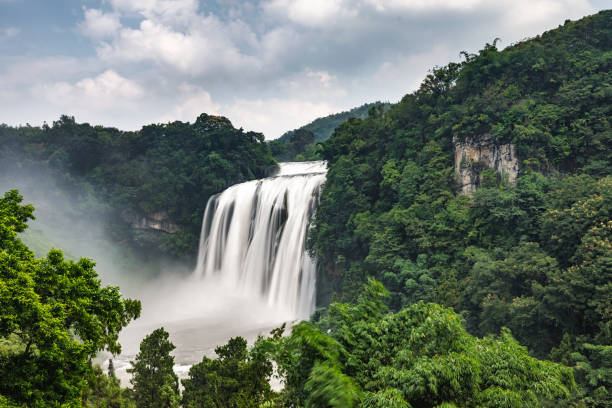
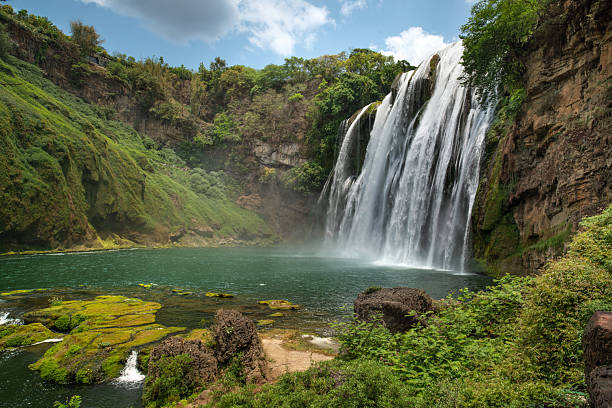
Huangguoshu Waterfall
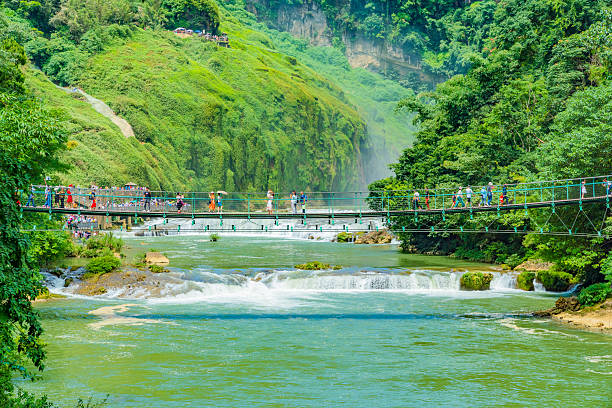
Huangguoshu Waterfalls Scenic Area
Huangguoshu-Guiyang: Huangguoshu Waterfall
After breakfast, you will set out to fully experience the world‑famous Huangguoshu Waterfall, the largest waterfall in China and even in Asia, often honored as the “Number One Waterfall in Asia.”
Upon arriving at the Huangguoshu Waterfall Scenic Area, first visit the Doupotang Waterfall Scenic Area. This is the widest waterfall at its crest in the Huangguoshu waterfall group, with a width of about 105 meters and a height of about 21 meters. It is also the iconic filming location from the 1986 adaptation of Journey to the West, where the master and his three disciples lead their horse across the waterfall—a perfect spot for a close‑up photo.
Next, take the sightseeing bus to the Tianxingqiao Scenic Area to admire the karst wonders where water‑worn stone forests, caves, and waterfalls intertwine.
Afterwards, transfer by sightseeing bus to the Huangguoshu Grand Waterfall Scenic Area. This is the main and most famous waterfall of Huangguoshu, with a dramatic drop of about 77.8 meters and a width of approximately 101 meters.
If you are interested, you can walk to the Water‑Curtain Cave. This natural cave, about 134 meters long, cuts across the waist of the waterfall and offers an excellent vantage point to witness the “thousand‑mile cascade.” With six viewing windows, you can experience the awe‑inspiring sensation of “the waterfall roaring right overhead.” After the visit, take the escalator back.
Once the tour concludes, take a transfer of about 2 hours to your hotel in Guiyang for check‑in and rest.
Meals: Breakfast Included
Accommodation: Hotels in Guiyang
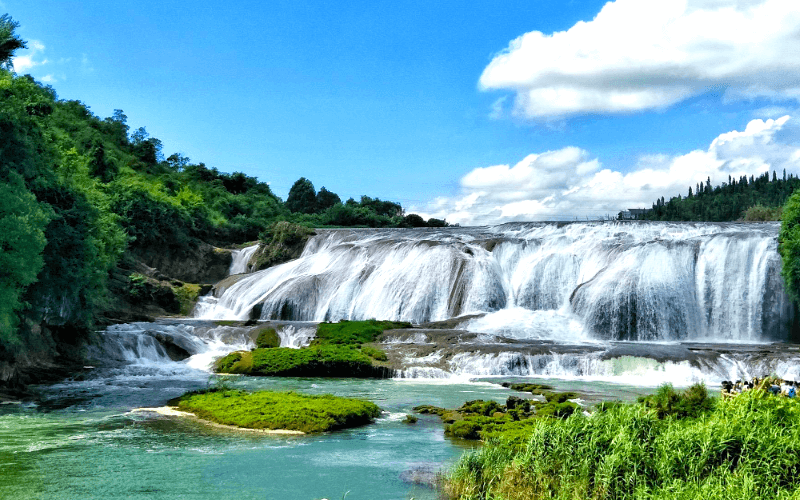
Huangguoshu Waterfall
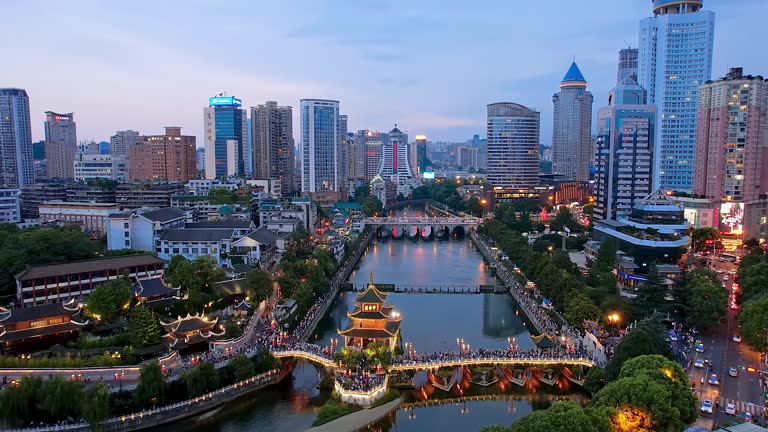
Aerial Night view of Guiyang
Depature From Guiyang
Thus concludes this remarkable 12‑day panoramic cultural journey through Yunnan and Guizhou. After you have rested, our driver will escort you to the airport/railway station for your departure to the next destination.
Meals: Breakfast Included
Accommodation: /
Fee Description
1、You may specify your preferred hotel class (e.g., 3‑ to 5‑star) according to your travel needs.
2、Tour pricing may vary based on travel dates, group size, hotel category, and other relevant factors.
Services Included
Guide: Professional bilingual guide (Chinese/English) throughout the tour
Tickets: First admission to all attractions listed in the itinerary
Transport: Vehicle assigned according to group size, guaranteed seat for each guest
Accommodation: Hotels as listed in the itinerary (star rating can be selected)
Meals: Meals as specified in the itinerary (breakfast included at hotels)
Service: One‑on‑one support from initial inquiry until the end of your journey
Services Excluded
Documents: Visa fees
Activities: Recommended optional tours and specialty experiences
Hotel: Personal expenses in hotels (laundry, haircuts, phone, fax, pay-TV, beverages, tobacco, alcohol, etc.)
Other: Additional costs due to force majeure (traffic delays, strikes, weather, aircraft/equipment malfunctions, flight cancellations or schedule changes, etc.) and any expenses not explicitly mentioned in the inclusions.