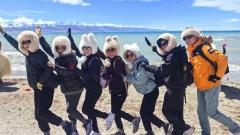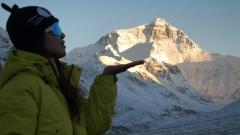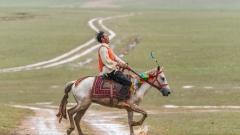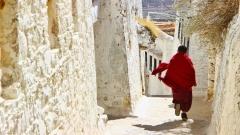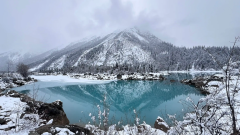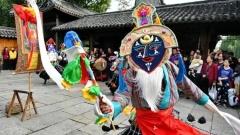

In July, Tibet reveals its most benevolent side. The air carries a touch of moist oxygen, the land is cloaked in its richest green carpet, and the sacred lakes, filled with meltwater and sky light, converge into a breathtaking blue. This is not a harsh test, but a grand and gentle invitation. The 8-day classic loop we have designed for you is a pilgrimage to the heart of Tibet during this optimal season. It starts from the faith-filled halls of Lhasa, ventures east into the verdant expanse of Nyingchi, then returns to the plateau to meet the two great sacred lakes: Yamdrok Lake and Namtso Lake. This is not only a perfect geographical circuit but also a scientific acclimatization process—descending and then gradually ascending in altitude—allowing your body and soul to harmonize with Tibet amidst sublime scenery.
July Tibet Pilgrimage Simplified Itinerary: A Gradual Spiritual Breath
The rhythm of this journey is like a deep, measured breath. First, step gently into the cultural core of Lhasa, then inhale deeply the fresh, oxygen-rich air of Nyingchi, and finally, beside the vast sacred lakes, exhale all distractions to find inner peace.
Day 1: Khata and Silence
Arrive in Lhasa, the City of Sunshine, greeted with a pure white khata scarf. Slow all movements, letting your body initially acquaint itself with the 3,650-meter altitude in silence. The practice for today is “rest.”
Day 2: The Heartbeat of the Holy City
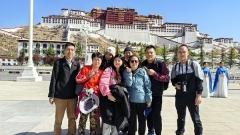
Visit the Potala Palace in the morning, touching the pulse of this planet’s most unique palace. In the afternoon, immerse yourself in the butter lamp glow of the Jokhang Temple and the ceaseless flow of pilgrims circling Barkhor Street, feeling faith’s most fervent warmth.
Day 3: Journey into an Emerald Embrace
Bid farewell to Lhasa and travel east along the turquoise Nyang River, where landscapes soften. Stop by the emerald shores of Basum Lake, arriving in the forest-embraced town of Nyingchi by evening. The drop in altitude will bring immediate physical relief.
Day 4: Gazing upon the Father of Mountains
Journey to the Sergyila Mountain Pass, and with awe and hope, gaze upon the cloud-shrouded Mount Namcha Barwa. Seeing its true face depends entirely on fortune. Then, lose yourself in the boundless green of the Lulang Forest Sea, enjoying the tranquility of the “Eastern Switzerland.”
Day 5: Waterfalls and the Return Journey
Visit Kadinggou Scenic Area to see the heavenly Buddha Waterfall cascade like a khata down the mountain. Afterwards, return to Lhasa via the Lhasa-Nyingchi Highway, treasuring the green memories.
Day 6: Encounter with a Blue Ribbon
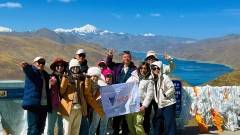
Travel west over the Gampa Mountain Pass. When the unimaginable blue of Yamdrok Lake leaps into view, you will understand the meaning of “sacred lake.” Visit the Rituo Monastery on a lake peninsula, this “world’s loneliest temple,” offering a precious 360-degree view of the divine lake.
Day 7: Journey to the Heavenly Lake Appointment
Traverse the vast northern Tibetan grasslands to reach the journey’s highest point—Namtso Lake. Under the gaze of the snow-capped Nyenchen Tanglha Mountains, the vastness and purity of this heavenly lake are enough to cleanse all worldly clamor.
Day 8: Completion and Blessings
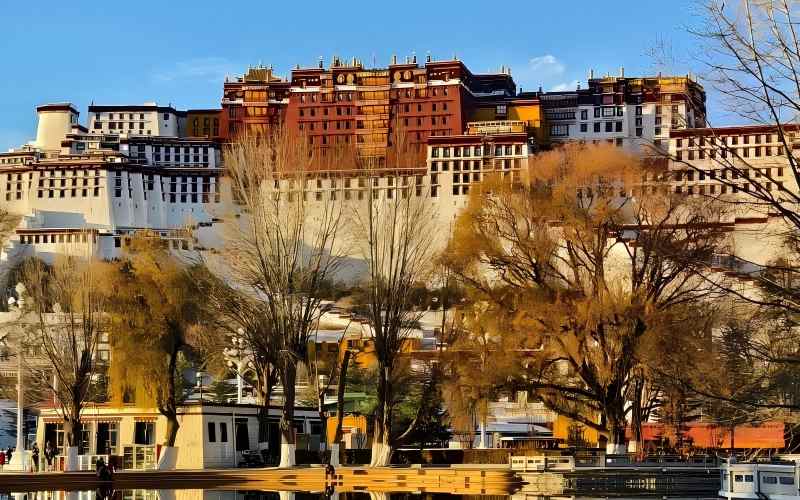
Potala Palace
Guide for Foreign Tourists to Tibet in July
Crossing the Permit Gate: Tibet Travel Guide for HK, Macau, Taiwan & Foreign Visitors
Before setting foot on this land, one must respectfully knock on an administrative door. All travelers who are not mainland Chinese citizens must remember: independent travel in Tibet is not permitted.
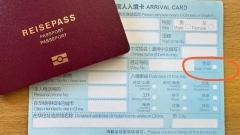
The core document, the Tibet Travel Permit (TTP), is your only legal pass. It must be applied for on your behalf by a locally registered Tibet travel agency authorized to host foreign visitors, using scans of your passport (or Taiwan/Mainland travel permits), Chinese visa, and detailed itinerary. Individuals cannot apply. During the peak season of July, approval may take longer; be sure to entrust an agency to apply at least 20-30 working days in advance. Keep it safely with your travel documents, as checkpoints along the way will inspect it.
Fortunately, this classic loop itinerary does not require an additional Border Permit. Your journey begins and ends in Lhasa, perfectly avoiding complex border management procedures. It is essential to use reputable, official channels and choose a trustworthy travel agency—this is not only a rule but the foundation for a smooth journey.
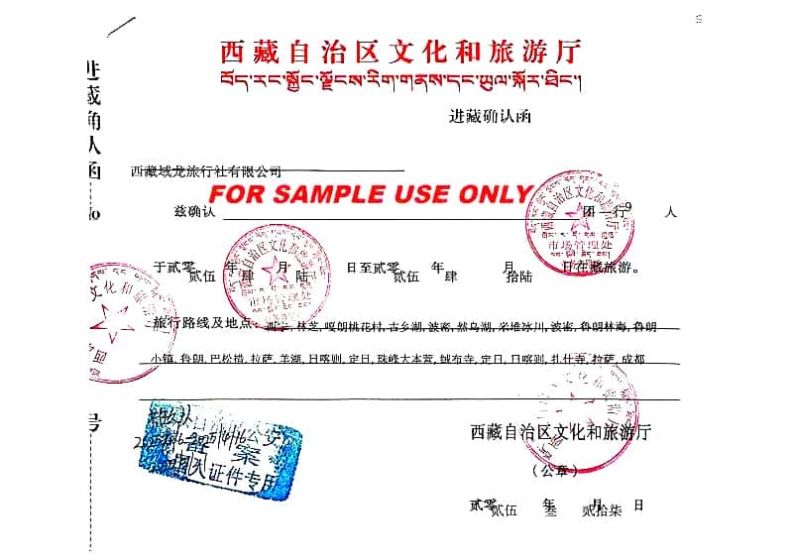
Tibet Travel Permit
Practical Wisdom for July Travel in Tibet
The July plateau is a feast of sunlight, occasionally punctuated by rain. The wise traveler learns to dance with it.
For clothing, follow the “onion layering principle.” During the day, a sun-protective layer may suffice, but by the shores of Namtso or Yamdrok Lake, wind and chill can arrive instantly. A reliable windproof/waterproof jacket with a warm inner layer is your most faithful armor. Treat sunscreen, sunglasses, and a wide-brimmed hat as part of your body; the UV rays here have the power to sculpt time.
Regarding health, maintain respect but do not fear. The itinerary itself is excellently designed for altitude acclimatization. The key lies in the “stillness” of the first day—move in slow motion, avoid showers and alcohol, and listen to your body’s whispers as you would your own heartbeat. Drink plenty of warm water to keep circulation smooth. If a mild headache visits, it’s the plateau’s greeting; relieve it with modest oxygen use or medication. If discomfort persists, inform your guide immediately.
Tibetan July Journey Cost Reference
Visiting Tibet during the peak season of July naturally requires a more substantial budget, but every penny invested converts into irreplaceable experiences. The overall cost structure is roughly as follows.
First, budget approximately 1,200 to 1,500 RMB for attraction tickets and core activities. This covers entry to all key sites: the Potala Palace, Jokhang Temple, Basum Lake, Yamdrok Lake, Namtso Lake, etc. The Potala Palace operates a strict reservation system in July, making tickets scarce; ensuring ticket availability is the primary concern for peace of mind.
Second, transportation and accommodation form the two pillars of the budget. The per-person cost for a licensed tourist vehicle charter for the full 8 days ranges from 3,500 to 4,500 RMB. A skilled driver familiar with every turn is the guardian angel of your journey’s safety. For seven nights’ lodging, choosing between comfortable oxygen-supplemented hotels and characteristic guesthouses costs about 2,500 to 3,500 RMB per person. In July, a warm, comfortable room in Lhasa or by a sacred lake is the best reward for your body.
Finally, budget for meals and flexible expenses. Allowing 120 to 180 RMB per day for sampling Tibetan and Sichuan cuisine totals about 1,000 to 1,500 RMB for eight days. Additionally, it is advisable to reserve 1,500 to 2,000 RMB for legally required professional guide services for foreign tourist groups, travel insurance covering high-altitude emergency rescue, emergency supplies, and desired souvenirs.
This 8-day loop is like a classic poem verified by countless travelers and time itself. It encompasses Tibet’s soul (Lhasa), lungs (Nyingchi), and eyes (the sacred lakes). In July, this poem is set to its most pleasant melody—oxygen-rich air is the prelude, flourishing life is the movement, and the vast landscapes are the eternal refrain.
It is more than a sightseeing route; it is a complete philosophy of adaptation. When you draw strength from Nyingchi’s greenery and then calmly meet the wind and altitude of Namtso, you complete an inner coronation. You will understand that Tibet’s height is not meant to block, but to filter—filtering out the city’s noise and the mind’s restlessness, ultimately allowing a more peaceful, more expansive self to emerge clearly.