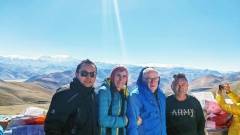
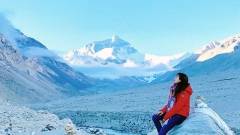
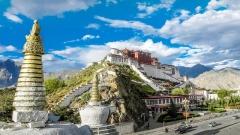
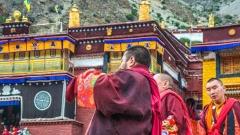
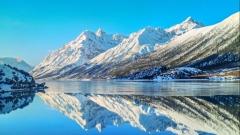
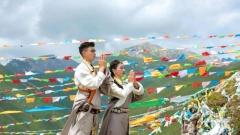
Known as the “Roof of the World’s Roof”, Ngari is a land with an average altitude of over 4,500 meters, housing the solemnity of sacred mountains and lakes, the mystery of the Guge Kingdom, and the vastness of no-man’s land. It also boasts the spectacular Zhada Earth Forest and the crystal-clear Pangong Tso. Many tourists wonder how many days they should spend traveling in Ngari when planning their trips. A too-short trip may make you miss core scenery, while an overly long one might ruin the experience due to altitude sickness or tiring drives. Combining route types, attraction distribution and practical tips, this article analyzes the itinerary logic for different durations, ensuring every plateau trip is fulfilling and comfortable, suitable for various holidays and travel needs.
Traveling in Ngari Determine Duration by Route Type
Ngari is extremely vast, with attractions often hundreds of kilometers apart, so route selection directly determines travel duration. Currently, mainstream routes are divided into three categories: South Route, Grand Loop, and Central-North Route. Each route has distinct scenery focuses and road conditions, corresponding to different optimal durations. Below are plans tailored to different needs.
Ngari South Route: 8-10 Days, Ideal Choice for First-Time Tibet Visitors
- Itinerary Adaptability: For those with limited holidays or first-time visits to Ngari, an 8-10 day South Route trip is the most reliable. It covers core attractions while allowing gradual adaptation to high altitudes, reducing the risk of altitude sickness.
- Road Conditions & Facilities: Starting and ending in Lhasa, the route is mainly paved roads with relatively mature accommodation and catering facilities. It has low requirements for tourists’ physical strength and equipment, ensuring travel comfort.
- Itinerary Planning: Connecting classic attractions such as Yamdrok Tso, Mount Kailash, and Zhada Earth Forest, daily driving time is controlled within 4-6 hours, leaving ample time for sightseeing, photography and altitude adaptation.
- Suitable Crowds: Perfect for tourists with tight schedules who prefer cultural and core natural landscapes. No need to venture into no-man’s land, balancing safety and comfort.
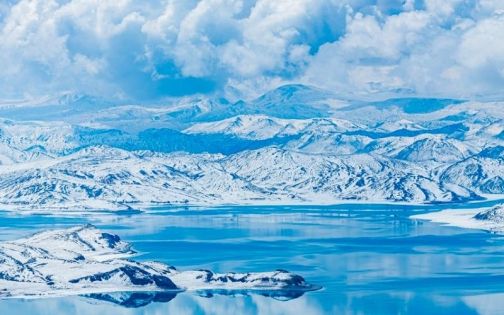
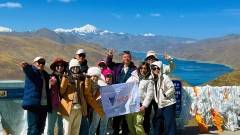
Yamdrok Lake
Ngari Grand Loop: 12-15 Days, Panoramic In-Depth Exploration
- Route Features: Extending to the northern no-man’s land on the basis of the South Route, it connects numerous lakes including Pangong Tso and Dangra Yumco. You can encounter plateau wildlife such as Tibetan antelopes and wild asses for a panoramic exploration.
- Itinerary Route: Depart from Lhasa, pass through Shigatse and Saga to reach the hinterland of Ngari. After Shiquanhe, head back along the North Route and return to Lhasa via Namtso, with no retracing steps.
- Duration & Flexibility: Some sections of the North Route are unpaved with complex road conditions. Reserve flexible time for sudden weather or road changes. A 15-day itinerary can include a 2-day Mount Kailash circumambulation.
- Suitable Crowds: Tourists with sufficient holidays, good adaptability to altitude sickness, and a pursuit of in-depth experiences and pilgrimage culture, allowing full experience of Ngari’s diverse scenery.
Ngari Central-North Route: 10-13 Days, Niche Route for Lake Enthusiasts
- Core Scenery: Focusing on northern Tibetan lake landscapes, it connects famous lakes like Zhari Namco, Dawa Tso and Selin Co. The original and niche scenery helps avoid crowds of regular tourists.
- Itinerary Requirements: A 10-13 day trip is recommended. With poor road conditions, off-road vehicles are necessary. Accommodation and catering facilities along the way are limited, so prepare camping equipment and sufficient supplies in advance.
- Itinerary Flexibility: It can connect with South Route attractions or cut into the core of the North Route from Shiquanhe. Daily driving time is flexible, and stay duration can be adjusted according to lake distribution, suitable for photography needs.
- Suitable Crowds: Photography enthusiasts and those who love niche hidden gems, able to enjoy the purity and vastness of plateau lakes and experience primitive natural beauty.
Key Factors Affecting Duration: Adjust Ngari Travel Days on Demand
In addition to route type, altitude sickness adaptation ability, itinerary pace and additional experiences also affect the final travel duration. Flexible adjustment based on these factors helps create the most suitable itinerary and enhance travel comfort.
Altitude Sickness Adaptation: Reserve 1-2 Days for Buffer
Pre-Adaptation: Reserve 1-2 days to adapt to the altitude in Lhasa before heading to Ngari, avoiding severe altitude sickness caused by directly entering high-altitude areas and laying a solid foundation for the trip.
Midway Buffer: Stay an extra night in Shigatse or Saga during the trip to gradually adapt to altitudes above 4,000 meters before proceeding to Manasarovar Lake and Mount Kailash.
Symptom Management: If mild altitude sickness occurs, slow down the itinerary, increase stay time, never rush, and prioritize physical comfort and safety.
Core Principle: Altitude adaptation requires gradual progress. Reserving buffer time can greatly improve overall travel comfort and avoid itinerary disruptions due to physical discomfort.
Itinerary Pace: Comfortable vs Compact
Comfortable Pace: Control daily driving time within 4 hours, extend the itinerary by 1-2 days to add midway rest and free time, enhancing travel experience.
Compact Pace: If physically tolerable, the South Route can be shortened to 7 days, but this will sacrifice some sightseeing time with heavy driving pressure, requiring reasonable energy allocation.
Safety Taboo: Ngari has large day-night temperature differences and complex road conditions. Night driving is highly risky. Never arrange night trips to save time and ensure travel safety.
Core Suggestion: Whether it’s a compact or comfortable itinerary, ensure adequate rest, avoid fatigue driving or rushing, and balance efficiency and safety.
Additional Experiences: Add Special Duration on Demand
Trekking & Circumambulation: Extra 2-3 days are needed for Mount Kailash outer circumambulation, a 52-kilometer journey requiring stays at Zhirep Monastery or Zutrul Phuk Monastery, suitable for experienced trekkers.
In-Depth Exploration: Add 1 day for in-depth visits to the Guge Kingdom, carefully appreciating murals and ruins to deeply feel the vicissitudes of ancient Tibetan civilization.
Photography Needs: Photography enthusiasts can stay an extra half day at attractions like Zhada Earth Forest and Pangong Tso to wait for the best light and capture the unique plateau scenery.
Planning Key Point: Incorporate special experiences into the itinerary in advance, reserve corresponding duration accurately, and avoid itinerary disruptions due to temporary adjustments.
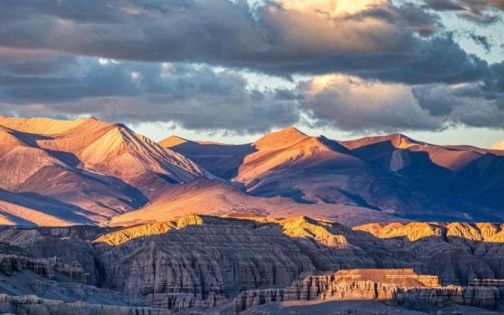
Zhada Earth Forest
Practical Tips: Optimize Itinerary for a Smooth Journey
Impact of Seasons on Duration: Choose the Right Time to Avoid Detours
- Best Time: May-June and September-October are the best travel seasons for Ngari with little rainfall and stable road conditions. Itineraries can be planned according to regular duration without additional flexible time.
- Rainy Season Adjustment: July-August is the rainy season, prone to mudslides and landslides. Reserve 1-2 days of flexible time to deal with traffic jams or road closures.
- Winter Consideration: November to April is extremely cold, with most accommodations closed. Only suitable for adventurers. Extend the itinerary by 2-3 days to cope with harsh cold and complex road conditions.
- Core Suggestion: Plan duration based on seasonal characteristics. Choosing the right travel time can reduce unnecessary delays and improve itinerary smoothness.
Transportation Choice: Indirectly Affects Travel Efficiency
Mainstream Methods: Chartering a car or joining a group is preferred. For the North Route and Central-North Route, off-road vehicles like Toyota Prado or Tank 300 are recommended to adapt to complex road conditions.
Chartering Advantages: Flexibly adjust itinerary pace, increase or decrease stay time according to personal needs, avoid duration restrictions of public transportation, and enjoy more freedom.
Group Tour Notes: Choose regular teams, confirm the rationality of itinerary planning, avoid forced rushing, and ensure travel experience and safety.
Taboo Reminder: Self-driving is not recommended. The northern no-man’s land has no signal or road signs, making it easy to get lost with high risks.
Supplies & Physical Preparation: Escort Your Long-Duration Trip
Advance Prevention: Take Rhodiola rosea 1-2 weeks before departure (effect varies by individual), avoid colds, and lay a solid physical foundation for the plateau trip.
Necessary Supplies: Carry portable oxygen cylinders, glucose oral liquid, ibuprofen and other medicines. Drink no less than 2,000 milliliters of water daily to cope with altitude sickness and physical discomfort.
Clothing: Adopt the onion-layer dressing method to adapt to the large day-night temperature differences in Ngari and ensure travel comfort.
Core Role: Sufficient supplies and physical preparation help tourists maintain a good state during long trips and avoid itinerary interruptions due to physical discomfort.
Embrace the Most Beautiful Ngari
There is no absolute answer to how many days you should spend traveling in Ngari. The core is to balance holidays, physical condition and travel needs. An 8-10 day South Route trip allows you to touch the soul of Ngari, while a 12-15 day Grand Loop lets you explore its depths.
No matter which duration you choose, respect the plateau nature and slow down. Feel the unique charm of this land under the gaze of sacred mountains and lakes, and amidst the vicissitudes of Guge ruins. Plan in advance, bring courage and expectations, and every inch of Ngari’s scenery is worth your journey.