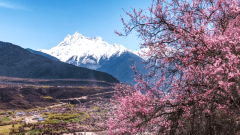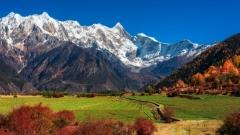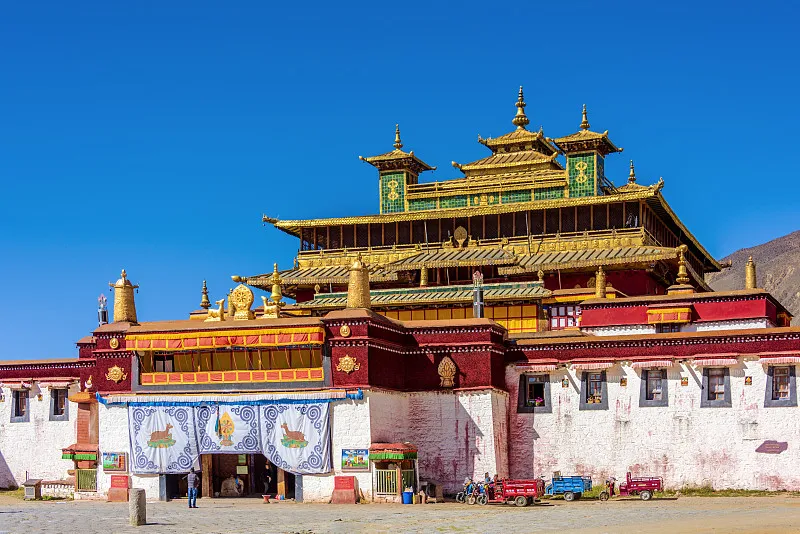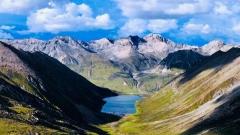

For many travelers, Tibet feels like a distant, mysterious, and expensive destination. High altitude, remote geography, and premium tour prices often create the impression that a Tibet trip requires a large budget. In reality, with proper planning and informed choices, traveling to Tibet does not have to be overly expensive.
This guide focuses on practical, experience-based advice and breaks down how to save money when traveling to Tibet—covering transportation, attraction tickets, free scenic experiences, accommodation, and food—so you can enjoy the essence of Tibet without overspending.
1. Transportation: The Right Choices Can Cut Your Costs Significantly
Transportation is usually the largest expense when traveling to Tibet, but it is also the easiest area to control with advance planning.
1. Traveling to Tibet by Train: Best Value for Money
Compared to flying, taking the Qinghai–Tibet Railway or Sichuan–Tibet Railway is one of the most cost-effective and comfortable ways to enter Tibet. Sleeper tickets are reasonably priced, and the gradual altitude gain helps your body adapt, reducing the risk of altitude sickness. Booking tickets 20–30 days in advance greatly increases your chances of securing ideal routes.
2. Flying to Tibet: Choose Departure Cities Strategically
If time is limited, flying directly to Lhasa is the fastest option. However, airfare varies greatly depending on the departure city. Cities such as Chengdu, Xining, and Chongqing often offer more competitive prices. Avoid peak travel periods such as summer holidays and national festivals to significantly reduce flight costs.
3. Transportation Within Tibet: Shared Vehicles or Small Groups
Private car hires can be expensive, especially for solo travelers or couples. Joining shared vehicles or small group tours (4–6 people) allows you to split costs while maintaining flexibility and access to classic routes, making it an economical and practical choice.
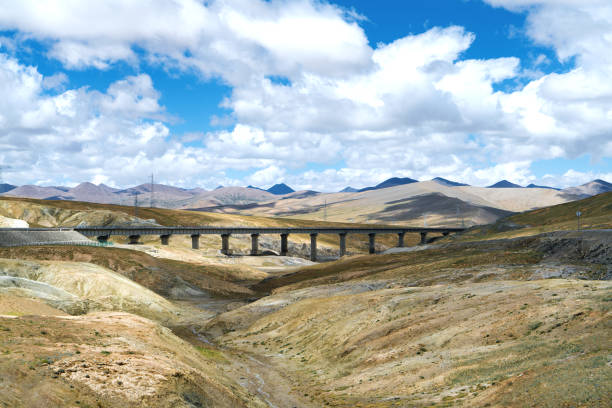
Qinghai-Tibet Railway crossing Hoh Xil
2. Attraction Tickets: Not All Tibetan Beauty Requires an Entrance Fee
Many travelers assume Tibet’s attractions are expensive, but this is not always the case.
1. Pay Attention to Seasonal Ticket Policies
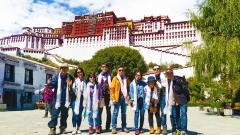
Some major attractions offer discounted or even free admission during the low season (typically from November to March). Popular sites such as Potala Palace and Namtso Lake often have different pricing depending on the season, so checking policies in advance can help reduce expenses.
2. Focus on Essential Highlights
You don’t need to visit every ticketed attraction. For first-time visitors, selecting a few representative landmarks provides a deeper experience while keeping costs under control.
3. Free Scenery: Tibet’s Most Stunning Views Often Cost Nothing
In Tibet, the most breathtaking scenery is often found outside ticketed attractions.
1. The Journey Itself Is the Scenery
Whether traveling along the Qinghai–Tibet Highway, Sichuan–Tibet Route, or between Lhasa and Shigatse, you’ll encounter snow-capped mountains, grasslands, rivers, and lakes along the way—most of them completely free to enjoy. Short stops, when safe, can be just as memorable as famous viewpoints.
2. Free Cultural Experiences in Cities
In Lhasa, walking through Barkhor Street, observing pilgrims during their kora (ritual walks), or spending time at Potala Palace Square during sunrise or sunset offers rich cultural insight without any cost.
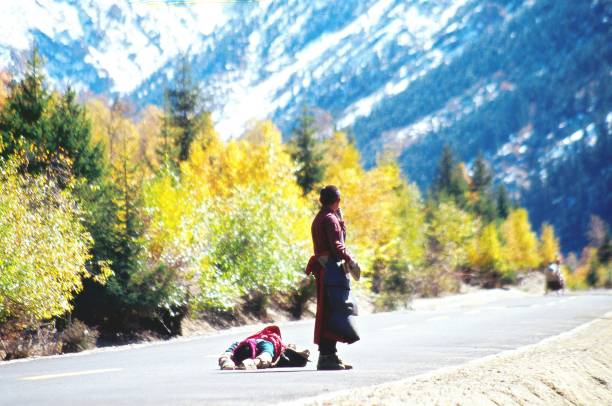
The Long kowtow is a ritual in Tibetan Buddhism.
4. Accommodation: Comfortable Stays Without Paying Premium Prices
Accommodation is a daily expense, but Tibet offers many value-for-money options.
1. City Hotels Are More Affordable Than Scenic Area Lodging
In cities such as Lhasa and Shigatse, accommodation options range from budget hotels to boutique guesthouses. Prices are generally more reasonable than staying inside scenic areas, and facilities are often better.
2. Traveling with Family or Friends: Choose Family Rooms or Guesthouses
For groups of 2–4 travelers, family rooms, suites, or locally run guesthouses provide excellent value. Splitting costs among multiple guests significantly reduces the per-person expense.
3. Book Early During Peak Season
July to September is Tibet’s peak travel season. Booking accommodation in advance helps secure better prices and avoids last-minute surcharges due to limited availability.
5. Food: Authentic Tibetan Meals Can Be Affordable
Contrary to popular belief, daily food costs in Tibet are relatively reasonable.
1. Eat Where Locals Eat
Local restaurants and small eateries offer generous portions at affordable prices. Compared to tourist-oriented restaurants, these places provide better value and more authentic flavors.
2. Choose Simple Meals to Adapt to High Altitude
During the first few days at high altitude, it’s best to avoid heavy or spicy foods. Simple meals such as Tibetan noodles, rice dishes, and stir-fried vegetables are budget-friendly and easier on the body.
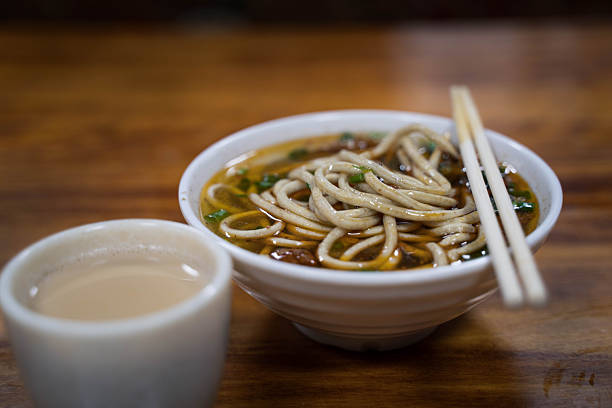
Traditional Tibetan noodles accompanied by a cup of famous Tibetan sweet milk tea.
6. Extra Budget Tips Many Travelers Overlook
-
A well-paced itinerary is often more cost-effective than a longer trip
-
Avoid last-minute changes, which usually increase expenses
-
Book through reliable channels to avoid low-price traps that lead to extra costs
Traveling to Tibet on a budget doesn’t mean compromising your experience—it means spending wisely on what truly matters. With thoughtful planning and realistic expectations, Tibet can be both awe-inspiring and affordable.
If you’re planning a trip to Tibet and hope to experience its landscapes, culture, and spirituality while keeping your budget under control, this guide will serve as a practical starting point for your journey.