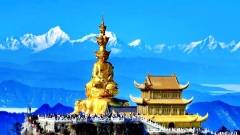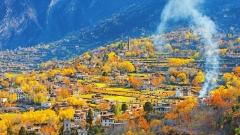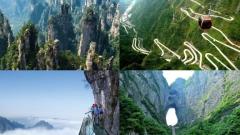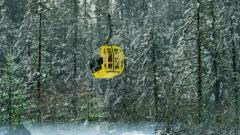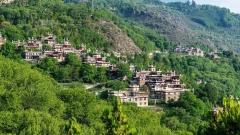

Western Sichuan, stretching across western Sichuan Province, includes Ganzi Tibetan Autonomous Prefecture and Aba Tibetan and Qiang Autonomous Prefecture. It is a tourist sanctuary combining magnificent natural landscapes with profound cultural heritage. Here, you can find the grandeur of snow-capped mountains, the romance of grasslands, the splendor of colorful forests, as well as the tranquility of Qiang-Tibetan villages and the solemnity of Buddhist culture. Whether a first-time traveler or experienced backpacker, you can find your heart’s desire here. This guide will fully unlock your Western Sichuan journey from three aspects: core overview, must-visit attractions, and practical travel tips.
About Western Sichuan: A Hidden Plateau Paradise
Western Sichuan is located on the southeastern edge of the Qinghai-Tibet Plateau, with an average altitude of over 3,000 meters. Its unique geological structure creates diverse natural landscapes, where snow-capped mountains, streams, grasslands and Tibetan-Qiang ancient villages complement each other beautifully. Climatically, Western Sichuan has a plateau monsoon climate with large temperature differences between day and night, and distinct sceneries in four seasons: blooming flowers in spring, cool summer for escaping the heat, colorful forests in autumn, and snow-covered scenery in winter.
Culturally, Western Sichuan is a settlement for ethnic minorities such as Tibetans and Qiang, boasting unique folk customs and cultures. Tibetan Buddhist temples, ancient villages, and festivals like Tibetan New Year and Horse Racing Festival are quite distinctive. In terms of transportation, core attractions are accessible via national and provincial highways. Self-driving is the most flexible option, or you can choose public transportation combined with local vehicles.
Must-Visit Attractions in Western Sichuan: Detailed Opening Hours & Ticket Prices
Western Sichuan is home to numerous attractions with distinct features. The following are categorized into “Snow-Capped Mountains & Glaciers”, “Grasslands & Flower Seas”, “Cultural Ancient Villages”, and “Unique Landforms”. Each attraction is accompanied by core highlights, opening hours and ticket prices to facilitate your itinerary planning as needed.
Snow-Capped Mountains & Glaciers: Experience the Grandeur of the Plateau
Siguniang Mountain Scenic Area
Core Highlights: Known as the Oriental Alps, it consists of four consecutive snow-capped mountains surrounded by meadows, streams and forests, making it an excellent destination for hiking and sightseeing. It is divided into three major areas: Shuangqiao Valley, Changping Valley and Haizi Valley.
Opening Hours: Shuangqiao Valley: 8:00-15:00; Changping Valley & Haizi Valley: 8:00-14:30 (effective from April 1st)
Ticket Prices: Shuangqiao Valley: ¥80 /person + sightseeing bus ¥70 /person; Changping Valley: ¥70 /person + sightseeing bus ¥20 /person; Haizi Valley: ¥60 /person; Free admission for those over 65 years old
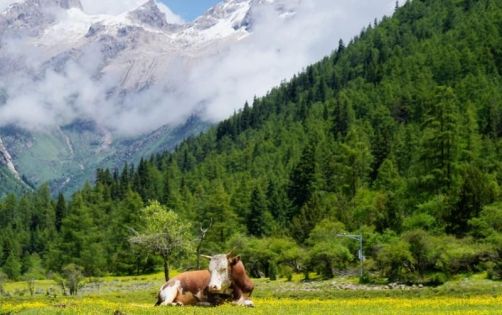
Siguniang Mountain
Daocheng Yading Scenic Area
Core Highlights: Known as the last pure land on the blue planet, it features classic attractions such as Milk Sea, Five-Color Sea and Luorong Pasture. Snow-capped mountains, lakes and meadows complement each other beautifully, with surrounding colorful forests in autumn creating a picturesque scenery.
Opening Hours: Ticket sales: 7:00-16:40; Long-distance route (including Milk Sea): open from May 1st to November 15th
Ticket Prices: Peak season: ¥146 /person; Sightseeing bus: ¥80 /person; Free admission for those over 65 years old
Hailuogou Scenic Area
Core Highlights: Famous for its magnificent glacier landscapes, it has the lowest-altitude modern glacier in Asia. A huge icefall cascades down from the mountain top, and the combination of snow scenery and hot springs in winter offers an excellent experience.
Opening Hours: All day, recommended visiting time: 9:00-17:00
Ticket Prices: Peak season: ¥90 /person; Off-season: ¥60 /person; Sightseeing bus: ¥70 /person (mandatory); Cable car: one-way ¥130 /person, round trip ¥230 /person (optional)
Grasslands & Flower Seas: Encounter Romantic Natural Scenery
Tagong Grassland
Core Highlights: Located in Kangding City, it is one of the closest grasslands to Chengdu. There is Tagong Monastery on the grassland, and the magnificent reflection of Yala Snow Mountain can be seen in the distance. Sargassum flowers bloom in summer, presenting a poetic scenery.
Opening Hours: All day
Ticket Prices: Free admission to the grassland; Tagong Monastery: ¥20 /person
Ruoergai Huahu (Flower Lake)
Core Highlights: As a core attraction of Ruoergai Grassland, wild flowers bloom and migratory birds gather in May-June. The lake water is crystal clear, reflecting the surrounding grasslands and sky like a mirror.
Opening Hours: Peak season: 7:00-18:00; Off-season: 8:00-17:00
Ticket Prices: Peak season: ¥75 /person; Off-season: ¥50 /person; Sightseeing bus: ¥30 /person (mandatory)
Emutang Flower Sea
Core Highlights: Known as the largest flower sea in Western Sichuan, the flowering period is at its peak from early to mid-June. Tens of thousands of mu of wild flowers spread all over the place with bright colors, making it an excellent photo spot.
Opening Hours: 8:00-18:00
Ticket Prices: ¥50 /person; Sightseeing bus: ¥60 /person
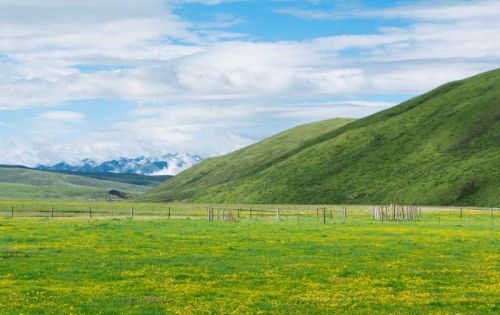
Emutang Flower Sea
Cultural Ancient Villages: Experience Strong Ethnic Customs
Taoping Qiang Village
Core Highlights: Founded in 111 BC, it is a living fossil of Qiang architectural art. The stone alleys in the ancient village are crisscrossed, and the official village, castle and dwellings are connected as a whole. You can experience Qiang-style food and intangible cultural heritage.
Opening Hours: All day
Ticket Prices: ¥60 /person; Guide fee: ¥50 /time (shared group available)
Jiaju Tibetan Village
Core Highlights: Located in Danba County, hundreds of Tibetan-style buildings are scattered in the mountain valley. The outer walls are decorated with red, white and black colors, complementing the highland barley fields and fruit trees. You can stay in a Tibetan homestay to experience local life.
Opening Hours: All day
Ticket Prices: ¥50 /person
Seda Larung Gar Buddhist Academy
Core Highlights: One of the largest Buddhist academies in the world, tens of thousands of red houses are built on the mountain, presenting a magnificent scene. The morning mist and sunset at dawn and dusk reflect with the red walls, creating a solemn and shocking atmosphere.
Opening Hours: All day (avoid lunch break)
Ticket Prices: Free admission; ID registration required; Sightseeing bus: ¥20 /person
Unique Landforms: Admire the Masterpiece of Nature
Moshi Park (Ink Stone Park)
Core Highlights: Featuring unique geology, the black rocks are irregular, resembling the landform of an alien planet. Taking photos on sunny days is highly impactful, making it a must-visit attraction on the Western Sichuan self-driving route.
Opening Hours: Summer: 8:00-18:00; Winter: 8:30-17:30
Ticket Prices: ¥60 /person; Sightseeing bus: ¥20 /person
Xinduqiao
Core Highlights: Known as the paradise for photographers, the Tibetan villages, farmland, streams and light and shadow along the way blend perfectly. Especially in autumn, the golden poplar forests reflect with the distant mountains, and every turn offers beautiful scenery.
Opening Hours: All day
Ticket Prices: Free admission
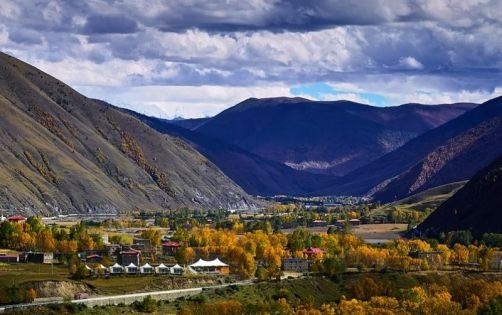
Xinduqiao
Recommended Classic Travel Routes in Western Sichuan: Suitable for Different Travel Durations
Combining the distribution of attractions and road conditions in Western Sichuan, 3 classic routes are recommended, covering short-distance leisure, in-depth experience and niche secrets. You can choose according to your vacation duration and travel preferences.
Route 1: Western Sichuan Mini Loop (3-4 days, beginner-friendly)
Itinerary Overview: Chengdu → Siguniang Mountain → Danba Jiaju Tibetan Village → Moshi Park → Tagong Grassland → Xinduqiao → Kangding → Chengdu
Core Highlights: Mature route with good road conditions and gradual altitude increase, suitable for first-time visitors to Western Sichuan. It connects snow-capped mountains, Tibetan villages, unique landforms and grassland landscapes. You can deeply experience the fun of hiking in Siguniang Mountain, check in the alien landform of Moshi Park, and enjoy the reflection of Yala Snow Mountain in Tagong Grassland.
Itinerary Tips: On Day 1, arrive at Siguniang Mountain to acclimatize to the altitude, and prioritize visiting Shuangqiao Valley (convenient sightseeing bus); On Day 2, walk through Danba Tibetan Villages to experience the culture; On Day 3, pass through Moshi Park and Tagong Grassland to Xinduqiao to admire the light and shadow of the photographer’s paradise; Return to Chengdu from Kangding on the last day.
Route 2: Daocheng Yading In-Depth Route (6-7 days, ultimate scenery)
Itinerary Overview: Chengdu → Kangding → Xinduqiao → Litang → Daocheng Yading → Xinduqiao → Chengdu
Core Highlights: Encounter Daocheng Yading, the “last pure land on the blue planet”, and get close to sacred lakes such as Milk Sea and Five-Color Sea. Pass through Litang, the “highest city in the world”, and cross Maoya Grassland. The whole journey covers the most representative plateau scenery in Western Sichuan, suitable for tourists with ample time and pursuit of ultimate landscapes.
Itinerary Tips: The long-distance route in Daocheng Yading is quite tiring, so it is recommended to reserve 1 full day for visiting; The altitude from Litang to Daocheng is relatively high, so pay attention to slowing down your pace; Autumn (September-October) is the best travel season when the surrounding colorful forests reflect with the snow-capped mountains.
Route 3: Lixiao Road Niche Secret Route (4-5 days, avoid crowds)
Itinerary Overview: Chengdu → Wenchuan → Lixian → Lixiao Road → Danba Zhonglu Tibetan Village → Yala Snow Mountain → Jiagenba → Xinduqiao → Chengdu
Core Highlights: Cross the newly popular “Lixiao Road”, where you can enjoy primeval forests, glacier valleys and meadow pastures along the way, avoiding the crowds on the Panda Avenue; Compared with Jiaju Tibetan Village, Zhonglu Tibetan Village is more tranquil, and you can enjoy the golden sun on the snow-capped mountains at dusk. Suitable for tourists who prefer niche secrets and love self-driving exploration.
Itinerary Tips: Drive cautiously on some sections of Lixiao Road, and it is recommended to choose an off-road vehicle; You can visit Taoping Qiang Village on the way to experience Qiang-style food and intangible cultural heritage; You may encounter marmots in Jiagenba area to experience the original plateau style.
Practical Western Sichuan Travel Tips: Key to a Smooth Trip
Altitude Sickness Prevention Tips
- The average altitude of Western Sichuan is over 3,000 meters, and altitude sickness is the primary concern
- Take Rhodiola 1-2 weeks in advance, avoid strenuous exercise after arrival, and slow down your pace
- You can carry a small oxygen cylinder, but do not rely on it excessively
- Eat a light diet, avoid greasy, spicy food, smoking and drinking, and drink plenty of warm water
- If severe altitude sickness symptoms such as severe headache, difficulty breathing and persistent vomiting occur, immediately stop the trip, rest in place, and seek medical attention or go to a low-altitude area in time
Transportation & Travel Tips
- Self-driving is the most flexible; it is recommended to be driven by a driver with rich mountain road driving experience
- Pay close attention to weather and road conditions during the rainy season (July-August) to prevent landslides and debris flows
- Snow chains are required in winter (November-March next year); check the road condition information released by the transportation department in advance
- Public transportation: First arrive in Chengdu, then take a long-distance bus to various counties in Western Sichuan, and you can take a chartered car or shared car to attractions in the county
Seasonal & Equipment Preparation Tips
- Large temperature difference between day and night; be sure to bring warm clothes. The temperature on the mountain top may drop below 10℃ even in summer
- Strong sunlight on the plateau; prepare sun hat, sun protection clothing, sunglasses and high-factor sunscreen (SPF50+)
- It is recommended to wear comfortable outdoor hiking shoes for hiking attractions, and carry hiking poles and rain gear (necessary in rainy season)
- Bring cold-proof equipment such as antifreeze gloves, scarf and snow boots when traveling in winter
Ticket & Reservation Tips
- For popular attractions (such as Daocheng Yading and Siguniang Mountain) in peak season (April-October), it is recommended to book tickets online 1-3 days in advance
- Some scenic areas implement time-slot reservation for admission; please enter the park according to the reserved time
- Pay attention to the off-season discount policies of scenic areas; traveling during off-peak hours can save costs and provide a better experience
- Elderly tourists can enjoy ticket discounts with ID cards; verify the scenic area’s preferential policies in advance and carry valid documents
Embark on a Western Sichuan Journey: Encounter the Plateau Paradise
The beauty of Western Sichuan lies in the grandeur of snow-capped mountains and grasslands, the warmth of ancient village customs, and the romance of light and shadow interweaving. Whether you come for the magnificent natural landscapes or to deeply experience the ethnic minority culture, this land will bring you surprises. Bring this guide, make full preparations, and embark on a journey to Western Sichuan to encounter your own plateau paradise. Every inch of scenery here is worth remembering, and every encounter is full of warmth. Let the wind of Western Sichuan take you on an unforgettable plateau exploration journey.