
If you’re planning a trip to escape the hustle and bustle and embrace nature, then Yunnan Province in Southwest China is undoubtedly an ideal destination. The best time to visit Yunnan typically falls between March and May, as well as September and November, when the climate is pleasant and the scenery is picturesque, making it the peak season for international travelers.This article will delve into Yunnan’s climate features, seasonal landscapes, and top destination recommendations, providing practical tips for pre-trip preparations to help you plan a smooth and unforgettable journey.
Why Choose Yunnan?
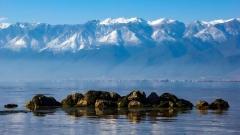
Yunnan is located at the southwestern edge of China, bordering Myanmar, Laos, and Vietnam, with a highly diverse geographical environment. The province’s altitude ranges from a few hundred meters to over 6,000 meters, creating a unique vertical climate. Not only does Yunnan boast UNESCO World Heritage sites like the ancient towns of Lijiang and Dali, but it is also home to majestic Jade Dragon Snow Mountain, the mysterious Shangri-La, the tropical charm of Xishuangbanna, and the breathtaking Lugu Lake, known as the “Heavenly Lake.”
Moreover, Yunnan is the province with the most ethnic minorities in China, with 25 different ethnic groups living here. The rich ethnic culture and vibrant festivals make Yunnan an even more alluring place. Whether you are an avid hiker, photographer, culture explorer, or simply someone looking for a peaceful and relaxing retreat, Yunnan has something for everyone.
The Best Time to Visit Yunnan: Detailed Climate and Scenic Overview
Although located in a subtropical zone, Yunnan’s climate is highly varied due to its complex terrain, with the saying “one mountain, four seasons, ten miles, ten climates” perfectly describing its conditions. Overall, the year can be divided into the dry season (November to April) and the rainy season (May to October). For international travelers, the best time to visit Yunnan is undoubtedly the spring and autumn seasons within the dry season, especially from March to May in spring and from September to November in autumn.
Spring (March – May): Flower Seas and Mild Weather
Spring is the most poetic season in Yunnan. During this time, temperatures remain stable between 15°C and 25°C, with sunny weather, little rainfall, and fresh air. Kunming, known as the “Spring City,” enjoys a mild climate year-round, and spring is its peak season.
During this time, the canola flower fields in Luoping stretch for miles, with golden blooms resembling a painter’s palette. In Dali, cherry blossoms and pear flowers bloom one after another, and the spring breeze blows gently across the shores of Erhai Lake. In Shangri-La, highland rhododendrons start to bloom, adding a soft color to the snow-covered plateau.
Additionally, spring is also a season rich in ethnic festivals. For example, the Dai people’s Water Splashing Festival is usually held in mid-April and is an excellent opportunity to experience the local culture and festive atmosphere.

Shangri-La
Summer (June – August): A Cool Escape but Beware of Rain
While summer is a scorching time in much of China, Yunnan, with its high elevation, becomes a natural summer retreat. In places like Kunming, Dali, and Shangri-La, the average temperature is only around 20°C, making it extremely comfortable. However, this is also the peak of the rainy season, especially in July and August when afternoon thunderstorms are common, which may disrupt outdoor activities.
If you choose to visit during the summer, it’s advisable to bring rain gear and waterproof shoes, and allow flexibility in your itinerary. The good news is that fewer tourists visit during this time, and accommodation and transport tend to be more affordable.
Autumn (September – November): Clear Skies and Harvest Scenery
After the rainy season, autumn in Yunnan brings the clearest skies and most stable weather of the year. Temperatures are moderate, with daytime highs around 20°C to 25°C and cooler evenings, but never too cold. The air is dry, and visibility is exceptionally high, making it perfect for hiking, photography, and outdoor activities.
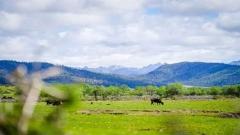
In September, the terraced rice fields in Yuanyang are in the water-filling season, with layers upon layers of reflective water creating a dreamy landscape. In October, the grasslands of Shangri-La are golden, with the snow-capped mountains clearly visible in the distance. Meanwhile, in Lugu Lake, the autumn waters are deep blue, and the tranquil lakeside Mosuo villages exude a peaceful charm.
Autumn is also the season for abundant fruit harvests in Yunnan, with fresh fruits like mangoes, pomegranates, and apples found everywhere. These fruits are not only delicious but also reasonably priced.
Winter (December – February): Sunshine Abounds but It Gets Cold in the Evenings
Yunnan enjoys ample sunshine during winter, with clear skies and pleasant weather for a relaxed trip. In Xishuangbanna, temperatures can still reach above 25°C, making it an ideal winter escape. However, in high-altitude areas like Shangri-La and Lijiang, nighttime temperatures can drop below 0°C, so warm clothing is necessary.
It’s worth noting that during Christmas and the Chinese New Year, the ancient towns of Lijiang and Dali have special decorations and cultural activities that give a foreign charm, making them especially popular with international visitors.
Jade Dragon Snow Mountain
Top Destination Recommendations: Best Places to Visit by Season
Kunming: The Spring City for All Seasons
As the capital of Yunnan, Kunming is the first stop for most international travelers. Regardless of when you visit, the climate is generally mild. In spring, visit the Stone Forest and Dianchi Lake to enjoy the flowers; in autumn, stroll around Cuihu Park to see the red-beaked gulls (they only arrive in winter).
Dali: The Slow Life by Erhai Lake
Dali is most enchanting in spring and autumn. Cycling around Erhai Lake, strolling through the ancient town, and hiking on Cangshan Mountain for the sea of clouds are classic experiences. While summer brings rain, the misty clouds on Cangshan after the rain offer a special charm.

Dali Ancient City
Lijiang: Ancient Town and Cultural Heritage
Lijiang is best visited in spring or autumn. The majestic Jade Dragon Snow Mountain looks especially stunning in the clear autumn skies, while the ancient town is filled with vibrant blooms in the spring, and the tourist crowd is still manageable.
Shangri-La: A Heavenly Plateau
It’s recommended to visit after May or between September and October. Visiting too early or too late might result in snow-blocked roads. High-altitude acclimatization is necessary, and it’s advisable to rest for a day upon arrival.
Xishuangbanna: Tropical Rainforest and Exotic Culture
The best time to visit Xishuangbanna is from November to April, when the weather is dry and warm. If you wish to avoid the crowds, consider visiting in December or March. Remember to respect Dai culture and dress appropriately when visiting temples.
Pre-Trip Preparation Tips
Visas and Entry
Foreign travelers must apply for a Chinese visa in advance. Currently, some countries’ citizens can enjoy a 144-hour transit visa exemption policy (for entry through Kunming Changshui International Airport), but it’s recommended to confirm eligibility beforehand.
Flights and Transportation
Kunming Changshui International Airport is the major international gateway, with direct flights to several cities in Southeast Asia. Domestic transportation relies mainly on high-speed rail and buses. Lijiang, Dali, and Shangri-La also have airports, but flights are limited.
Packing Tips
Depending on the best time to visit Yunnan:
Spring and Autumn: Lightweight long sleeves, a light jacket, and comfortable hiking shoes.
Summer: Breathable clothes, rain gear, and non-slip shoes.
Winter: Warm inner layers, down jackets (for high-altitude areas), and hats and gloves.
The UV rays are strong in high-altitude areas, so don’t forget sunscreen, sunglasses, and a hat.
Health and Safety
In high-altitude areas (such as Shangri-La, at 3,300 meters), you may experience mild altitude sickness. It’s advisable to drink plenty of water and avoid strenuous exercise. Drink bottled water and avoid raw food.
Embrace the Best Time to Visit Yunnan
Yunnan, a land that combines natural wonders and diverse cultures, is well worth visiting. To truly embrace its beauty, choosing the right time is key. Whether it’s the spring flower seas, autumn’s clarity, winter sunshine, or summer coolness, Yunnan always has something for you. If you ask, the best time to visit Yunnan is undoubtedly between March and May and September and November—these two periods will offer you the most complete and comfortable view of Yunnan.