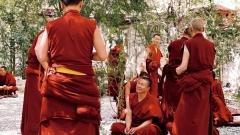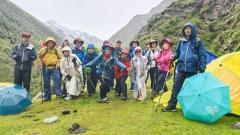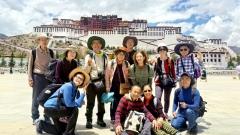

For travelers planning to visit Tibet, understanding “what to note for traveling to Tibet” is the first step to ensuring a smooth and safe journey. Due to Tibet’s unique natural environment and cultural background, pre-trip preparations differ from other destinations. The high-altitude environment requires travelers to pay attention to physical health adaptation, while specific travel regulations necessitate advance handling of relevant procedures. This article comprehensively sorts out key points to note in various links from document preparation, physical adaptation, itinerary arrangement to cultural respect, aiming to provide a clear and practical pre-trip checklist to help travelers make adequate preparations, thereby focusing more on enjoying Tibet’s natural scenery and cultural experiences.
Preparations for Tibet Travel Documents and Special Travel Regulations
To travel to Tibet, it is first necessary to understand and abide by local travel management regulations, with the most important link being the preparation of travel documents.
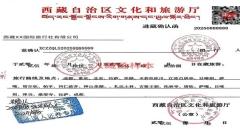
Application and Processing of Tibet Travel Permit
Non-Mainland China ID holders must apply for a “Tibet Travel Permit” to travel to most areas of Tibet.
- Application Channels and Procedures: Individuals cannot directly apply for the Tibet Travel Permit; it must be handled through qualified travel agencies. Travelers need to provide passport information, visa copies, and a detailed travel plan to the travel agency in advance, which will be submitted to the relevant departments for review. It is recommended to start the application at least 20 to 30 working days in advance, and longer time should be reserved during peak tourist seasons.
- Document Use and Itinerary Requirements: The approved Tibet Travel Permit will clearly specify the port of entry, travel route, and validity period. During the trip, you must strictly follow the approved plan, and relevant documents should be carried with you for inspection, usually kept by the group guide or driver.
Preparation of Travel Insurance and Emergency Plans
Traveling to high-altitude areas, a comprehensive travel insurance is crucial.
- Insurance Coverage Selection: Choose travel insurance that explicitly covers high-altitude activities and provides emergency medical evacuation and repatriation services. Carefully read the insurance terms to confirm that the coverage includes possible medical conditions related to altitude sickness.
- Emergency Contact and Document Backup: Inform family members or friends of the itinerary, travel agency emergency contacts, insurance policy number, and embassy contact information. Carry copies or electronic versions of important documents separately from the originals.
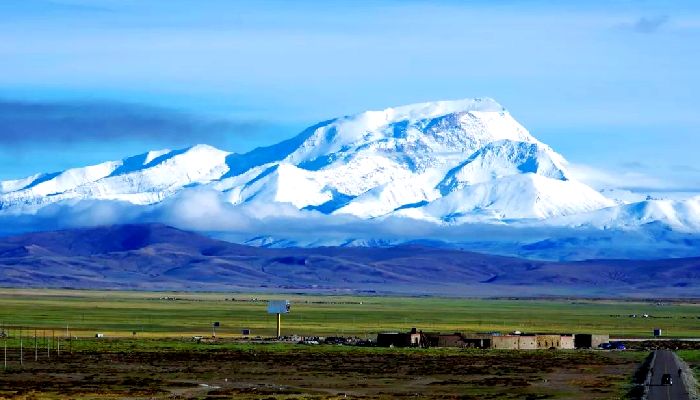
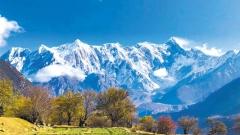
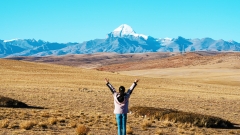
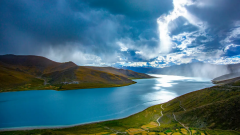
Tibet Plateau
Plateau Environment Adaptation and Health Management Precautions in Tibet
Altitude sickness is the most common physiological reaction when entering high-altitude areas. Correct understanding and preparation can effectively manage and alleviate discomfort.
Pre-Trip Health Assessment and Preventive Measures
Physical condition before departure directly affects high-altitude adaptability.
- Health Check and Consultation: It is recommended to undergo a routine health check, especially focusing on cardiopulmonary function. Those with severe hypertension, heart disease, respiratory system diseases, or unhealed severe colds should consult a doctor’s opinion and carefully assess the risks of traveling to Tibet.
- Gradual Acclimatization and Mental Preparation: If conditions permit, choose to travel to Tibet by train to allow the body to gradually adapt to the increase in altitude during the trip. Maintain a calm mindset, avoid excessive anxiety, and adequate rest and a good attitude are conducive to adaptation.
Adaptation Period Management and Symptom Response After Arrival
The first 24 to 48 hours after arriving in Tibet is a critical adaptation period.
- Behavior Guidelines During Adaptation Period: Immediately slow down the activity rhythm after arrival, avoid strenuous exercise, lifting heavy objects, or walking quickly. Ensure adequate rest; it is not recommended to take a bath or wash hair on the first day to prevent colds and physical exhaustion. The diet should be light and easy to digest, drink plenty of warm water, and avoid drinking alcohol and overeating.
- Recognition and Handling of Altitude Sickness: Mild headaches, insomnia, loss of appetite, and shortness of breath are common reactions, which can usually be relieved after rest. Oxygen can be inhaled appropriately to alleviate symptoms. If severe symptoms such as severe headache, vomiting, unsteady gait, confusion, or coughing up pink frothy sputum occur, seek medical attention immediately and consider descending to a low-altitude area.
Suggestions for Tibet Travel Itinerary Planning and Supplies Preparation
Reasonable itinerary planning and adequate supplies preparation are important guarantees for travel comfort and safety.
Itinerary Arrangement and Transportation and Accommodation Selection
Tibet has a vast territory, and the distance between scenic spots is relatively far, so reasonable planning is particularly important.
- Itinerary Rhythm Planning: Avoid arranging overly tight itineraries, especially in the initial stage after arrival. It is recommended to acclimatize in Lhasa (altitude about 3,650 meters) for one to two days before traveling to areas with higher altitudes. Arrange scenic spots with higher altitudes in the middle and later stages of the itinerary to allow the body sufficient time to adapt.
- Transportation and Accommodation Arrangements: Transportation between scenic spots is mainly by chartered car or joining small groups. Be sure to choose vehicles and drivers with formal operation qualifications and familiar with road conditions. In terms of accommodation, conditions in large cities are better, but those in remote areas may be relatively simple. It is necessary to understand in advance and make corresponding preparations, and prioritize accommodation with heating facilities.
Clothing and Daily Supplies Checklist
Tibet has a dry climate, large temperature difference between day and night, and strong ultraviolet rays, so suitable equipment is essential.
- Clothing Preparation Principles: Adopt the “layering method for clothing”, prepare moisture-wicking underwear, warm middle layers (such as fleece jackets, thin down jackets), and windproof and waterproof outer layers (jackets). Regardless of the season, warm hats, gloves, and scarves should be prepared to reduce heat loss.
- Sunscreen and Skin Care Products: Prepare high SPF sunscreen (SPF50+ or above), wide-brimmed hats, UV protection sunglasses, as well as lip balm and moisturizer to protect lips and skin. The plateau climate is dry, so strengthening skin moisturization is important.
- Other Practical Items: Carry an insulated water bottle to drink warm water at any time; prepare some high-energy snacks for emergencies; comfortable waterproof hiking shoes are key for long walks and coping with variable road conditions.
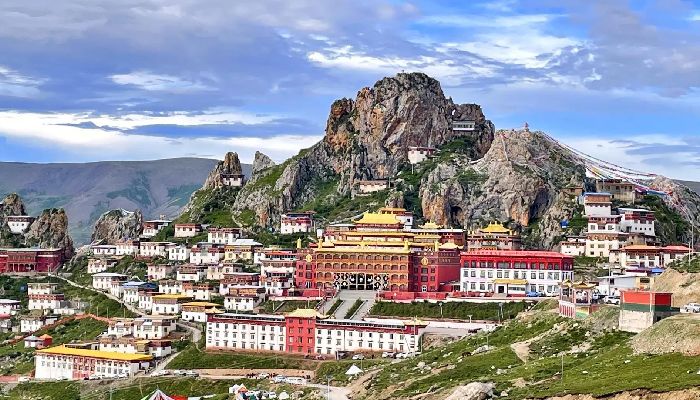
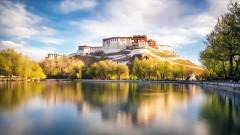
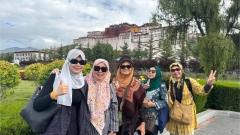
Tibet Temple
Respecting Local Cultural Customs and Interaction Etiquette in Tibet
Tibet has a profound religious and cultural tradition. Respecting local customs during travel is a basic requirement for civilized travel.
Etiquette for Visiting Religious Sites
When visiting religious sites such as temples, specific behavioral norms must be followed.
- Dress Code and Behavioral Norms: Remove hats before entering the main hall of the temple, and dress modestly and appropriately, avoiding revealing clothing such as miniskirts and shorts. Taking photos is usually prohibited inside the hall, especially of Buddha statues, murals, and monks. If you want to take photos, you should obtain explicit permission in advance. When visiting, proceed in a clockwise direction.
- Respect for Religious Objects: Do not point directly at Buddha statues with fingers; use an upward palm gesture instead. Show respect for religious objects such as prayer wheels, mani stones, and prayer flags. Do not cross over, step on, or arbitrarily move them.
Guidelines for Interacting with Local Residents
Maintaining friendliness and respect when interacting with locals can lead to a better experience.
- Photography Etiquette: Before taking photos of local residents, especially the elderly, monks, or pilgrims, smile and actively ask for their consent. Do not take photos forcibly without permission.
- Topic Selection for Conversations: Avoid discussing sensitive political and religious topics. Maintain an open and learning attitude, and you can have friendly exchanges on topics such as culture and customs.
Summary of Health, Safety and Emergency Measures for Tibet Travel
Ensuring travel safety is a prerequisite for enjoying the trip. The following points require special attention.
Food Safety and Nutritional Supplement
When first arriving on the plateau, digestive function may be weakened. Pay attention to food hygiene, choose cooked food, and avoid raw, cold, and greasy food. Drink plenty of boiled water, supplement vitamins, and appropriately intake carbohydrates to maintain energy.
Communication and Information Backup
In urban areas and along major highways, mobile networks are usually available. However, in remote mountainous areas and border areas, signals may be interrupted or even non-existent. You can inform travel companions or family members of the daily itinerary, and consider renting a satellite phone as an emergency communication method when traveling to remote areas.
Environmental Protection and Sustainable Travel
During the trip, please consciously protect the fragile ecological environment of the plateau. Take all garbage away from natural areas, do not pick plants randomly, do not disturb wild animals, and try to reduce the use of disposable plastic products.
Let local experts handle logistics so you can focus on the experience
Some Tibet travel steps – especially entry permits – must be arranged through a licensed travel operator, and itinerary pacing, insurance coverage, and altitude precautions all require careful planning in advance. Rather than spending your energy on paperwork and risk assessment, consider relying on a team that understands the realities of travel in the region. China Dragon Travel specializes in Tibet and high-altitude routes and can assist with permit processing, practical acclimatization plans, insurance recommendations, local guides, and emergency coordination—so you can concentrate on the landscapes and cultural experience.