
What should you pack for trekking in Tibet? With an average elevation above 4,000 meters, the “Roof of the World” presents extreme conditions such as low oxygen levels, intense UV radiation, strong winds, and rapidly changing weather. The right gear is not just a matter of comfort – it is essential for safety and success. From travel permits and technical clothing to trekking boots and high-altitude medical supplies, this comprehensive guide outlines everything you need to prepare for an unforgettable journey across Tibet’s breathtaking landscapes.
Essential Documents for Tibet Trekking
- Passport: Must be valid for at least six months, without damage or missing pages. Carry the original at all times during the trek, as it will be checked at multiple checkpoints. It is recommended to keep your passport in a waterproof pouch close to your body to prevent moisture damage or loss.
- Chinese Visa: International travelers need to apply for a tourist visa in advance at the Chinese embassy or consulate in their home country. If you qualify for visa-free entry, you can enter China without a visa for up to 30 days, but you still need a Tibet Travel Permit.
- Tibet Travel Permit: Tibet Travel Permits are not available for individual application and must be arranged through a travel agency with appropriate qualifications. You will need to provide a scanned copy of your passport’s information page, a visa scan, and a detailed itinerary. Submitting your application at least one month in advance is recommended. You must carry the original paper permit; copies or photos will result in denied entry.
- Border Defense Permit: A separate Border Defense Permit is required for trekking in border areas such as Ngari Prefecture, Everest Base Camp, and southern Shannan. This permit is also an original paper document. It can be arranged in Lhasa through a legitimate travel agency for about 100-200 RMB and can usually be issued on the same day. The application must clearly state the specific border area destination.
- Copies of Documents: Make at least two copies of all documents and store them separately from the originals in different bags or pockets. If originals are lost, copies can serve as temporary proof.
- Insurance Policy: It is highly recommended to purchase travel insurance covering high-altitude trekking and emergency medical evacuation. Standard travel insurance often excludes high-altitude activities, so carefully review the policy terms when purchasing.
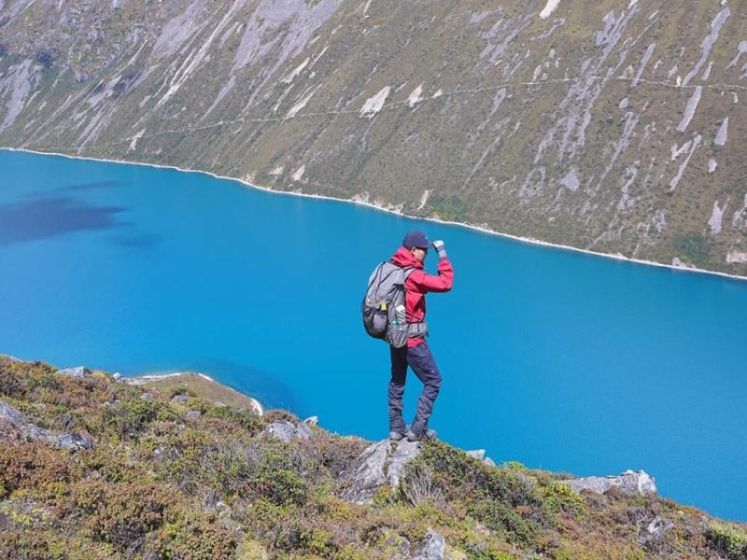
Trekking in Tibet
Essential Clothing for Tibet Trekking
Base Layer
During trekking, your body will continuously sweat. The base layer, which contacts your skin directly, functions primarily to wick moisture away and dry quickly, keeping your body dry. Cotton underwear absorbs sweat but dries slowly, which can easily lead to hypothermia in cold environments and is strictly prohibited.
- Material Choice: It is recommended to choose wool (merino wool is best) or polyester quick-dry materials. Merino wool has natural antibacterial and odor-resistant properties, making it suitable for multi-day treks; polyester dries faster and is more affordable.
- Recommended Quantity: 2-3 long-sleeve shirts, 1-2 short-sleeve shirts. Long sleeves provide additional sun protection; during summer days you can wear short sleeves alone, adding long sleeves at night.
- Thickness Choice: Choose medium thickness for winter or high-altitude routes, lightweight for summer.
Avoid wearing cotton underwear. It becomes damp and cold for extended periods after sweating, which can lead to hypothermia in severe cases. Try on your base layer before departure to confirm there is no discomfort or allergic reaction.
Mid Layer
The main function of the mid layer is to trap body heat and provide core warmth. This layer needs to be both warm and compressible for easy packing. Your body generates more heat while moving, so wearing just the mid layer is usually sufficient; when resting or stopping in the morning/evening, body temperature drops rapidly, requiring you to immediately add an outer layer or down jacket.
- Material Choice: Fleece jackets or lightweight down jackets are recommended. Fleece is breathable and suitable for wearing while moving; down jackets are better for camp rest or extremely cold environments and compress to a small size.
- Recommended Quantity: 1-2 fleece jackets, 1 lightweight down jacket. You can prepare one thick fleece for cold environments and one thin fleece for trekking.
- Application Scenarios: Wear just the fleece while moving; add a down jacket when resting or stopping. If encountering strong winds, rain, or snow, add the mid layer under your outer shell jacket.
Down jackets are vulnerable to moisture; always protect them with a shell jacket in rain or snow. When choosing a down jacket, pay attention to fill power (800FP recommended) and weight (lightweight is better).
Outer Layer
The main function of the outer layer is to withstand wind, snow, and rain while also needing breathability to prevent sweat buildup. Wind speeds are strong at high altitudes in Tibet, reaching levels 7 to 9 on the Beaufort scale at passes. A qualified shell jacket is essential gear for high-altitude trekking.
- Material Choice: A shell jacket made of Gore-Tex or equivalent waterproof/breathable material. Gore-Tex is the most mature waterproof/breathable fabric, keeping rain and snow out while allowing sweat vapor to escape.
- Recommended Quantity: 1 piece. Neutral colors hide dirt better, while bright colors are more visible in snow, aiding search and rescue.
- Functional Requirements: Windproof, waterproof, breathable, with an adjustable hood. The hood should accommodate a helmet or warm hat, and the hem and cuffs should have adjustment toggles.
- Application Scenarios: Wear all day, especially in windy, rainy, or snowy conditions. Even on sunny days, wind speeds at high altitudes can suddenly increase, so it’s recommended to carry your shell jacket at all times.
Avoid using a rain poncho as a substitute for a shell jacket. Ponchos are not breathable; sweat cannot escape while moving, which will soak your inner layers.
Bottoms
Bottoms also need to follow the layering principle, balancing wind/water resistance with warmth. Keeping your lower body warm is equally important, but since your legs are more active, choose bottoms with good flexibility.
- Outer Pants: 1 pair of windproof, waterproof trekking pants, ideally with side zippers for easy on/off. Trekking pants should have waterproof/breathable features, with reinforced knees and seat for durability.
- Warm Layer Pants: 1 pair of fleece or down pants. Fleece pants are suitable for wearing while moving; down pants are better for camp rest. If trekking only at low altitudes in summer, you can skip the warm layer and use a thermal base layer instead.
- Base Layer Bottoms: 1-2 pairs of quick-drying thermal leggings. Same as base layer tops, choose wool or polyester materials, avoiding cotton.
Avoid wearing jeans. They become stiff and do not provide warmth in cold temperatures. Loose sweatpants are not waterproof and will become soaked quickly in rain or snow; they are also not recommended. Trekking pants with side ventilation zippers are a good choice for regulating body temperature.
Essential Footwear for Tibet Trekking
Trekking routes in Tibet often involve rocky paths, snowy passes, and stream crossings. A poor-fitting pair of shoes can lead to ankle sprains, blisters, or even trip interruption.
- Shoe Type: High-top waterproof hiking boots. The high-top design protects the ankle and prevents sprains; the waterproof feature handles rain, snow, and stream crossings. Low-top shoes do not provide enough support on rocky slopes and are not recommended.
- Material Requirements: Gore-Tex waterproof/breathable material, with deep-tread rubber soles for slip resistance and durability, keeping feet dry.
- Size: Go one size larger than your usual size to accommodate thick wool socks. Feet swell in the afternoon, so try on boots in the afternoon. When standing, there should be a finger’s width of space between your longest toe and the boot’s front.
- Breaking-in Requirement: New boots must be broken in for at least 2 weeks. Wear them for daily walking to confirm there are no pressure points or rubbing issues before heading to the plateau. Never set off with brand new boots, as this will almost certainly cause painful blisters.
- Socks: At least 3 pairs of wool socks. Never wear cotton socks; cotton absorbs sweat and dries slowly, easily causing blisters and increasing the risk of frostbite.
- Camp Shoes: 1 pair of camp shoes or lightweight sneakers to change into at camp, giving your feet a break from heavy hiking boots.
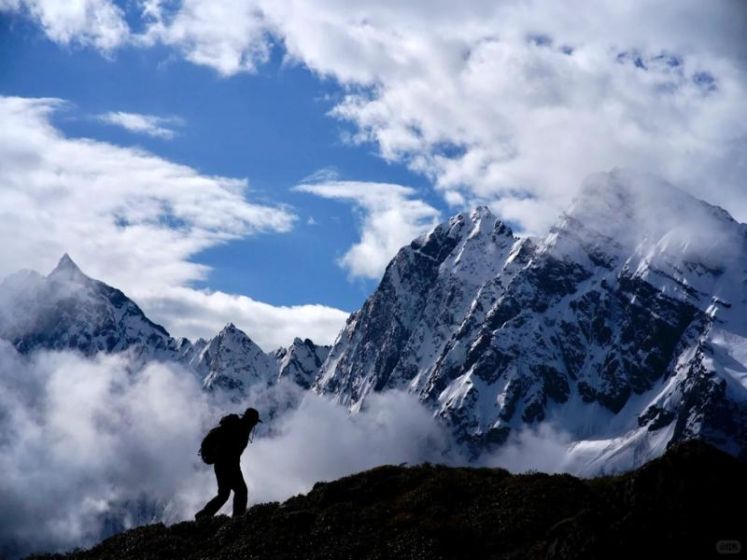
Tibet Trekking
Essential Equipment for Tibet Trekking
- Trekking Poles: It is recommended to carry a pair (two poles). Trekking poles significantly reduce pressure on your knees and provide stable support on rocky slopes, river crossings, and descents. External locking mechanisms are recommended for easy adjustment.
- Headlamp: Your headlamp should include spare batteries. Essential for nighttime activities, early morning starts, and tent lighting. Brightness of 200 lumens or more is recommended.
- Thermos: You should carry a thermos with a capacity of at least 500ml to 1L. Drinking hot water at high altitudes helps maintain body temperature and alleviate altitude sickness symptoms. Insulation should last at least 12 hours.
- Gaiters: Gaiters prevent snow, sand, and stones from entering your boots. Essential for winter or high-altitude routes.
- Crampons: Simple 4-point or 6-point crampons are recommended for traction on icy or snowy surfaces. Essential for winter or high-altitude passes.
- Sleeping Bag: Choose a down sleeping bag with a comfort rating of -10°C to -15°C (-20°C for high-altitude routes). Down fill power of 800FP or higher is recommended.
- Sleeping Pad: Choose an inflatable or closed-cell foam pad to insulate you from ground cold. An R-value of 3.0 or higher is recommended.
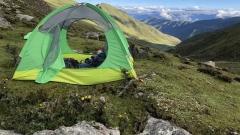
- Tent: Choose a 4-season or mountaineering tent with good windproof and waterproof performance.
Essential Medication for Tibet Trekking
Altitude Sickness Medication
- Acetazolamide: A common Western medication for preventing and treating altitude sickness. Must be used under a doctor’s guidance. It is recommended to start taking it 24-48 hours before departure and continue for 2 days after reaching the highest altitude.
- Gaoyuan An (Highland Peace): A Chinese herbal supplement that helps relieve symptoms of altitude sickness such as headache, fatigue, and nausea. It is recommended to start taking it 3-5 days in advance.
- Portable Oxygen Canister: Each canister provides 15-30 minutes of oxygen. It is recommended to prepare 2-3 canisters. Portable oxygen is used to relieve moderate altitude sickness symptoms, especially when unable to sleep at night.
General Medication
- Stomach Medication: It is recommended to carry smectite powder (diosmectite), berberine (huanglian su), and digestive tablets. Stomach medication effectively relieves loss of appetite or indigestion caused by the high-altitude environment.
- Cold Medication: It is recommended to carry Lianhua Qingwen capsules, Kuaike (compound cold medicine), and Tylenol (acetaminophen), as catching a cold at high altitude can easily lead to pulmonary edema at the first sign of cold symptoms.
- Pain Relievers: It is recommended to carry ibuprofen to relieve headaches and muscle soreness, and paracetamol for fever and pain relief. Headaches are the most common altitude sickness symptom, and pain relievers effectively alleviate them.
- First Aid Supplies: Essential items include bandages (Band-Aids), iodine cotton swabs, elastic bandages, gauze, and medical tape. Blisters on feet are common during trekking; disinfect with an iodine swab and protect with a bandage or medical tape to continue walking.
What to Bring for Tibet Trekking?
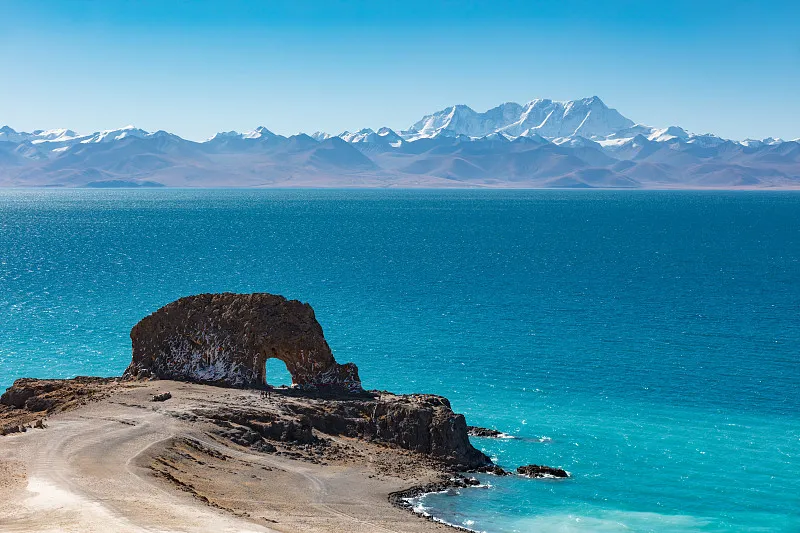
Whether you are circumambulating Mount Kailash, exploring the Everest East Face, or venturing into the hidden valleys of Nyenchen Tanglha, proper preparation is the foundation of a successful Tibet trekking experience. Carefully selected gear, valid permits, and reliable support ensure that you can fully immerse yourself in Tibet’s awe-inspiring scenery—from sacred mountains and turquoise lakes to vast alpine grasslands.
For international travelers, trekking in Tibet requires official permits and professional logistical arrangements. Partnering with an experienced operator such as China Dragon Travel ensures a smooth journey, from securing the Tibet Travel Permit to organizing expert guides and support teams. With thorough preparation and trusted assistance, your Tibet trekking adventure will become a safe, meaningful, and once-in-a-lifetime experience.