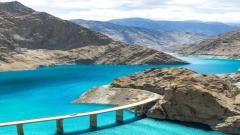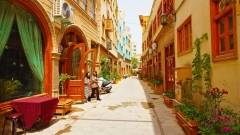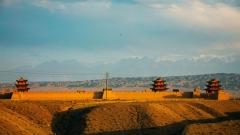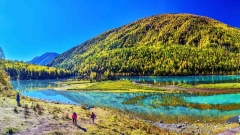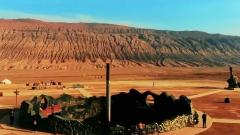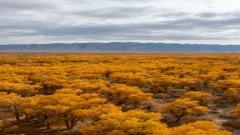

The Xinjiang flower season lasts from late March to mid-July and offers a wide variety of spectacular landscapes across the region. Because Xinjiang is vast and has large differences in climate and elevation, flowers bloom gradually from south to north and from lower valleys to higher mountain areas. During this period, travelers can see Pamir apricot blossoms, the famous Turgen apricot valley in Ili, Tianshan wild poppies on the grasslands, lavender fields in Huocheng, and rapeseed flowers in Zhaosu. Each flower usually reaches its peak bloom for only one to two weeks, so understanding the best timing and locations is essential for planning a successful flower-viewing trip in Xinjiang.
Overall Time Distribution of the Xinjiang Flower Appreciation Season
Xinjiang is vast, with significant climatic differences between the north and south, leading to a progressive blooming of flowers from south to north and from low to high altitudes.
- Late March to Early April: Apricot blossoms in the Pamir Plateau (Datong Township, Kukosiruk Township in Taxkorgan County); Apricot blossoms in Toksun County, Turpan.
- Early to Mid-April: Apricot blossoms in Turgen, Ili (Nalati Apricot Valley, Xinyuan County), covering a wild apricot forest area of about 30,000 mu, with a flowering period of 7-10 days.
- Late April to Late May: Pear blossoms, apple blossoms, and crabapple blossoms in Korla; Wild fruit flowers in Chinese Fukushou Mountain, Huocheng County, Ili.
- Late May to Mid-June: Tianshan red flowers (wild poppies), mainly distributed on the Kalajun Prairie and Tangbula Prairie.
- Mid-to-Late June to Early July: Lavender in Huocheng, with the peak bloom typically around June 20th.
- Mid-to-Late July: Rapeseed flowers and sunflowers in Zhaosu, set against a snowy mountain backdrop.
Flowering periods can fluctuate depending on temperature and precipitation in a given year. It is recommended to check the latest flower conditions through local cultural and tourism departments or weather forecasts before departure.
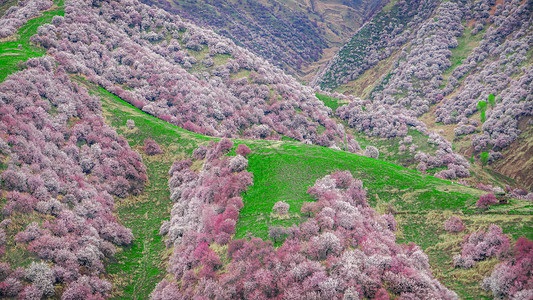
Turgen Apricot Blossom Valley
Apricot Blossoms on the Pamir Plateau, Southern Xinjiang
Apricot blossoms on the Pamir Plateau mark the beginning of the Xinjiang flower appreciation season. The apricot trees are distributed in valley villages along both banks of the Taxkorgan River, where the trees, combined with stone dwellings, snow-capped mountains, and rivers, create a unique landscape.
- Best Time: March 25th to April 5th, with a peak bloom lasting about 10 days.
- Main Viewing Spots: Kukosiruk Township, Tar Township, Datong Township. Datong Township has the densest apricot blossoms but is farther away.
- Transportation: A border pass is required to travel from Kashgar to Taxkogan County (can be obtained at the Tianshan Road Government Service Center in Kashgar City). The distance from Taxkogan County to Datong Township is about 120 kilometers, mainly on gravel roads, taking 4-5 hours. It is recommended to hire an off-road vehicle.
- Accommodation Options: Hotels are available in Taxkogan County town; within the villages, only Tajik homestays are available, offering multi-bed rooms with shared bathrooms. Visitors need to bring their own toiletries.
- Photography Tips: The soft light in the early morning or evening is ideal for photographing apricot blossoms alongside snow-capped peaks. The area near Happiness No. 5 Bridge in Datong Township is a classic spot.
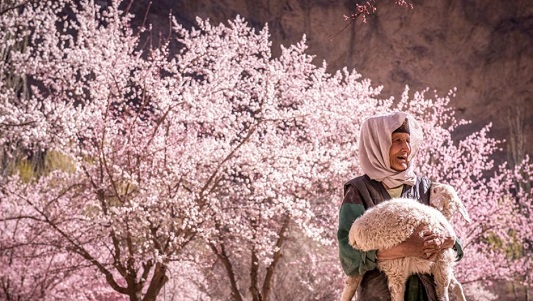
Apricot Blossoms on the Pamir Plateau
Core Flower Viewing Area in the Ili River Valley
The Ili River Valley is the key area during the Xinjiang flower appreciation season, with concentrated distributions of apricot blossoms, lavender, and rapeseed flowers, along with relatively well-developed tourism facilities.
Early April: Turgen Apricot Blossoms
The Nalati Apricot Valley in Turgen Township, Xinyuan County, hosts globally rare primitive wild apricot forests. When in full bloom, the hillsides are covered in pink and white, forming a layered picture with green meadows and distant snow-capped mountains.
- Flowering Period: Early to mid-April, lasting about 10 days.
- Ticket: Approximately RMB 30 per person; there are wooden walkways within the scenic area.
- Accommodation: Xinyuan County or Nalati Town have many hotels; there is no accommodation inside the Apricot Valley.
- Tips: It is recommended to enter the scenic area before 8:00 AM to avoid the crowds; the light is also best for photography at this time.
Late May to Mid-June: Tianshan Red Flowers
Tianshan red flowers (wild poppies) are mainly distributed on the Kalajun Prairie and Tangbula Prairie. The red flowers are sensitive to sunlight; they bloom from 10:00 AM to 4:00 PM on sunny days and close on cloudy days or in the evening.
- Kalajun Prairie: Located in Tekes County, this is a UNESCO World Natural Heritage site with diverse prairie types. Besides red flowers, there are globe flowers, purple flowers, etc.
- Tangbula Prairie: Located in Nilka County, it is known as the “Hundred-Li Gallery,” with opportunities to stop and photograph along the way.
- Tickets: The Kalajun scenic area ticket plus shuttle bus costs about RMB 140; Tangbula Prairie has no general admission ticket.
Mid-to-Late June: Lavender in Huocheng
Huocheng County has a lavender planting area of approximately 50,000 mu and is one of the world’s three major lavender production areas. Main viewing spots include Jieyou Princess Lavender Manor, Korgaiyn Lavender Garden, and the farmland around Huanghuang Village.
- Peak Bloom: June 15th to June 30th; harvesting begins in early July.
- Tickets: Manors cost about RMB 50 per person; farmland is free, but care must be taken not to trample the flower fields.
- Accommodation: Hotels in Qingshuihe Town, Huocheng County, or Yining City; a few homestays are available near the lavender fields.
- Photography: Shoot in the soft light of morning or evening; use a telephoto lens to compress the scene and avoid crowds.
Mid-to-Late July: Rapeseed Flowers in Zhaosu
Zhaosu County is located between the Tianshan Mountains at an average altitude of 2,000 meters, with a rapeseed planting area reaching millions of mu. Rapeseed flowers and sunflowers are planted alternately, forming interlocking patches of yellow and green.
- Best Viewing Spots: Along the route from Zhaosu County town to the Ancient Zhaosu-Xia Path, Kalasu Township, Hongnahai Township.
- Tickets: Viewing along the route is free; the ticket plus shuttle bus for the Ancient Zhaosu-Xia Path scenic area costs about RMB 80.
- Accommodation: Hotels in Zhaosu County town are plentiful but require advance booking.
- Photography: The light is best one hour after sunrise and one hour before sunset; use a wide-angle lens to capture the flower sea and snow-capped mountains.
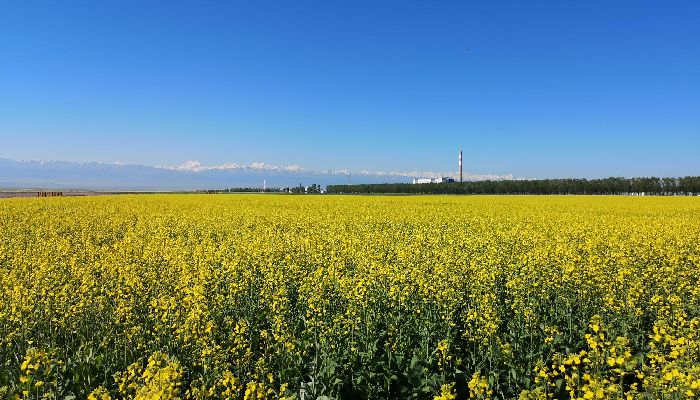
Zhaosu Rapeseed Flowers
Transportation and Accommodation Choices During Xinjiang Flower Appreciation Season
During the Xinjiang flower appreciation season, transportation and accommodation costs rise, requiring advance planning.
Comparison of Transportation Methods
- Shared Minivan Group Tours: Small flower-viewing groups organized by local travel agencies or car rental companies, with 4-8 people per vehicle. The cost includes transportation, accommodation, and some entrance tickets. Suitable for visitors unfamiliar with the roads.
- Chartered Car or Self-Drive: Offers flexible itinerary adjustments. The rental rate for an off-road vehicle is approximately RMB 800-1200 per day (including fuel; driver’s meals and accommodation are extra). Local drivers familiar with flower viewing locations need to be contacted in advance.
- Independent Travel: Combines long-distance buses with short-distance taxis or scenic area shuttle buses. Suitable for visitors with ample time and a limited budget. However, some flower viewing spots have inconvenient public transport.
Accommodation Booking Suggestions
- City Hotels: Yining City, Xinyuan County, Tekes County, and Zhaosu County have star-rated hotels and budget inns. During the peak season from June to August, booking 15 days in advance is recommended.
- Prairie Homestays: Within the Kalajun, Tangbula, and Xiazha scenic areas, there are multi-person yurts with simple conditions and shared bathrooms. Visitors should bring their own sleeping bags.
- Pamir Homestays: In apricot blossom villages like Datong Township, only Tajik family accommodations are available, usually including dinner. Contact needs to be arranged in advance through a travel agency or local guide. (标题2)
Practical Photography and Travel Tips for Xinjiang Flower Appreciation Season
Photography Timing and Equipment
- Golden Hours: Within 2 hours after sunrise (6:00-9:00 AM) and 2 hours before sunset (6:00-8:00 PM). The light is soft and the color temperature is warm.
- Recommended Equipment: Wide-angle lenses (16-35mm) for grand scenes of flower seas and snowy mountains; telephoto lenses (70-200mm) for compressing the scene and capturing local light and shadows; drones can capture the color blocks of flower fields, but attention must be paid to no-fly zones within scenic areas.
Travel Gear Checklist
- Clothing: The temperature difference between day and night is significant. Wear single layers during the day; a fleece jacket or light down coat is needed in the morning and evening. Mountainous areas may have showers, so bring a raincoat or waterproof jacket.
- Sun Protection: SPF50+ sunscreen, sunglasses, wide-brimmed hat. UV rays are intense on the plateau.
- Common Medications: Cold medicine, stomach medicine, motion sickness medicine, band-aids. For trips to the Pamir Plateau, bring altitude sickness remedies (e.g., Rhodiola, glucose).
- Others: Thermos (drinking hot water helps alleviate altitude sickness), power bank (some homestays have few outlets), personal toiletries.
Food and Health
- Xinjiang dishes are often large in portion. Common staples include pilaf, laghman (noodles), and baked buns. Food options are limited in remote scenic areas, so it’s advisable to bring your own snacks.
- Local fruits (watermelon, Hami melon, grapes) are hydrating and good for vitamins.
- Pay attention to food hygiene, avoid raw or cold food, and prevent stomach upset.
Decision-Making Basis for Travel During Xinjiang Flower Appreciation Season
The Xinjiang flower appreciation season is long and covers a wide area. Visitors need to choose based on their own time and preferences. The following are travel suggestions for different situations:
Choose by Time
- Late March to Early April: Apricot blossoms on the Pamir Plateau. Suitable for experiencing Tajik ethnic customs simultaneously. Allow time for altitude acclimatization.
- Early to Mid-April: Apricot blossoms in Turgen. Suitable for photography enthusiasts. Enter the scenic area early in the morning to avoid crowds.
- Late May to Mid-June: Tianshan red flowers, combined with the Kalajun Prairie. Suitable for visitors who prefer prairie scenery.
- Mid-to-Late June to Early July: Lavender in Huocheng. Suitable for photography. Choose weekdays for farm areas.
- Mid-to-Late July: Rapeseed flowers in Zhaosu, combined with the Ancient Zhaosu-Xia Path. Suitable for visitors who like scenes with snow-capped mountains and flower seas together.
Choose by Interest
- Photography Priority: Choose Turgen Apricot Valley (requires shooting at dawn and dusk), Huocheng Lavender (requires shooting during soft light periods), Zhaosu Rapeseed Flowers (requires wide-angle shots of grand scenes).
- Cultural Experience Priority: Choose Pamir apricot blossom villages, stay in Tajik homestays, and participate in local spring custom activities.
- Leisure Vacation Priority: Choose the Ili River Valley. Accommodation conditions are mature, and activities like hot springs and prairie hiking can be combined.
Choose by Travel Style
- Chartered Car or Group Tour: Can access remote flower viewing spots, such as Pamir apricot blossom villages and the depths of the Kalajun Prairie.
- Independent Travel: It is recommended to focus on flower viewing spots near cities, such as the crabapple blossoms on Haitang Road in Yining City, or lavender farms in Qingshuihe Town, Huocheng.
Before traveling, it is necessary to confirm border pass requirements, accommodation bookings, and real-time flower conditions. The Xinjiang flower appreciation season is short; it is advisable to schedule core destinations early in the itinerary to avoid missing the bloom due to weather delays.
Planning a Successful Xinjiang Flower Viewing Trip
The Xinjiang flower season covers several months and many different regions, offering travelers a chance to experience changing landscapes from early spring to midsummer. By understanding the blooming periods of each flower and planning transportation and accommodation in advance, visitors can maximize their chances of seeing the most beautiful flower fields during their journey. Careful timing is especially important because the peak bloom of many flowers lasts only a short period.
For travelers who prefer a more convenient and well-organized trip, China Dragon Travel can help arrange customized itineraries based on the different flower seasons across Xinjiang. With professional planning and local experience, visitors can explore the best flower destinations in a comfortable and efficient way while making the most of their time in this vast and beautiful region.