
Witnessing Mount Qomolangma, the world’s highest peak, in person is a dream for countless travelers, and Everest Base Camp is their go-to destination. But when is the best time to visit? This choice impacts the scenery you’ll see, travel comfort, and even whether your trip can happen at all. The Tibet Plateau has fickle weather, with extreme day-night temperature swings and seasonally variable road conditions. A wrong season choice may lead to a wasted trip. This guide uses plain language, plus seasoned travelers’ insights and local herdsmen’s tips, to show you the real conditions of the base camp across seasons.
Why Is Season Selection So Important to Everest Base Camp??
Unlike visiting ordinary scenic spots, choosing the right season for Everest Base Camp boils down to three key factors: weather and visibility, road accessibility, and the availability of accommodation and other services. The plateau’s climate varies drastically throughout the year—for example, summer is warm but prone to rainfall that may hinder sightseeing. Picking the optimal time not only ensures a smooth trip but also delivers the best viewing experience.
Overall, the best time to visit Everest Base Camp is from April to October each year. During this period, the climate is relatively mild, road conditions are favorable for travel, and tourism facilities operate normally. However, each month within these seven months has its own distinct characteristics.
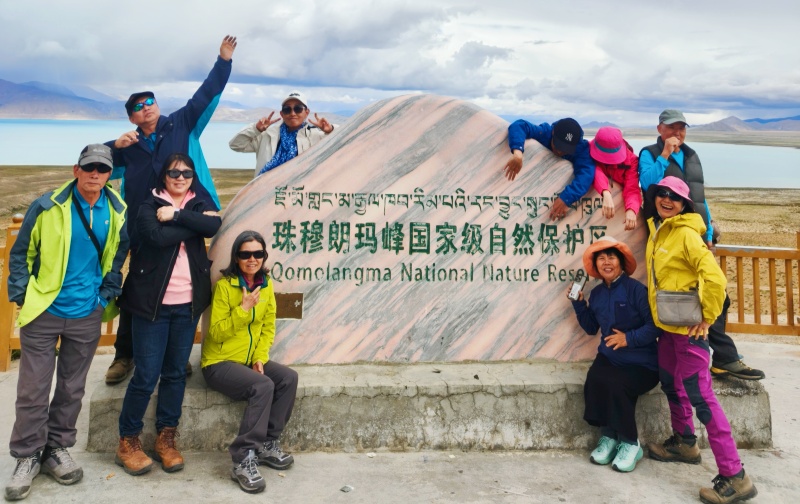
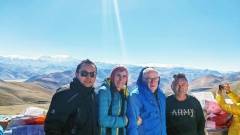
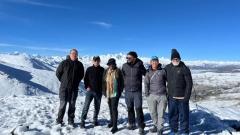
Everest Tourists
April–May: Spring, a Great Time to Avoid Crowds
Weather Characteristics: Temperatures start to rise, with daytime highs around 5–15°C and nighttime lows potentially dropping below freezing. The air is dry, and visibility is usually excellent.
Key Advantages:
- Fewer tourists, allowing for a quieter and more peaceful experience
- Stable weather with plenty of sunny days, increasing the chance of seeing the full view of Mount Everest
- More affordable prices compared to the peak season
Things to Note:
- Significant temperature differences between day and night—warm clothing is a must
- Remnants of snow may still exist in some high-altitude areas
June–August: Summer, the Warmest Period
Weather Characteristics: Daytime temperatures can reach 10–20°C, making it the warmest season. However, this is also the rainy season, with frequent afternoon showers.
Key Advantages:
- The most comfortable climate, especially suitable for travelers sensitive to cold
- Lush green vegetation, creating a more vibrant landscape
- All tourism facilities are fully open
Things to Note:
- Rainfall may reduce visibility, with frequent clouds and mist
- July and August are peak tourist months, with the largest crowds
- Highest prices of the year—advance booking is essential
Scenic Highlights: While clouds and mist may obscure the mountain peak, the unique landscapes of post-rain rainbows and sea of clouds swirling around the mountain slopes are truly spectacular. However, if you’re after a crystal-clear view of the snow-capped peak, this period carries some risks.
September–October: Autumn, Widely Recognized as the Golden Season
Weather Characteristics: Stable weather with abundant sunshine and extremely high visibility. Daytime temperatures hover around 5–15°C, while nights are cold.
Key Advantages:
- The perfect window to enjoy the clearest view of Mount Everest
- Stable weather conditions minimize disruptions to travel plans
- Fewer tourists than in summer, offering a better travel experience
Things to Note:
- Temperatures drop significantly in late October
- Still a popular season—advance planning is required
Photography Tips: The soft, layered morning and evening light during this period is exceptional, making it a top choice for photography enthusiasts. The sight of Mount Everest against a deep blue sky is unforgettable.
Detailed Monthly Comparison Analysis
To help you make an informed decision, here’s a detailed comparison of the key months:
April and May are ideal spring months, featuring stable, dry weather, relatively few tourists, and moderate costs. The chance of seeing Mount Everest in its full glory is high during these two months, with mid-to-late May offering the most optimal weather conditions.
June marks the start of the early rainy season—temperatures are comfortable but rainfall increases, tourist numbers rise noticeably, and prices go up accordingly. Scenes of misty clouds alternate with clear sunny days.
July and August are the peak of the rainy season—warmest weather but frequent rainfall, largest tourist crowds, and highest prices. Seeing the mountain clearly requires a stroke of luck, yet the mist-shrouded scenery has its own unique charm.
September and October enter the golden autumn period, with sunny, stable weather and the highest visibility of the year. Tourist numbers remain relatively high in September before gradually decreasing in October, and prices drop from their September peak to a moderate level.
Best Time to Visit Everest Base Camp for Different Travelers
Golden Time for Photography Enthusiasts
If capturing perfect photos of Mount Everest is your primary goal, late September to early October is the undisputed best choice. During this period, atmospheric transparency reaches its annual peak, the sky is a vivid blue, and visibility is unparalleled. The soft, layered morning and evening light maximize the chances of witnessing the stunning “Golden Peak at Sunrise” spectacle. A great alternative is late April to May, when the dry air and minimal dust also provide excellent shooting conditions. It’s recommended to bring a 70-200mm lens or longer, along with a sturdy tripod to counter strong winds at the base camp.
Ideal Seasons for Hiking Enthusiasts
For hikers planning treks in the Everest region, May and September offer the most balanced conditions. In May, winter snow has mostly melted, leaving hiking trails dry and firm; temperatures are cool and pleasant (10–15°C during the day), and vegetation begins to regenerate. September bids farewell to the rainy season’s mud, with trails returning to a dry state and temperatures similar to May. These two months avoid extreme cold, sweltering heat, and heavy rainfall, making them the best time to tackle the trekking route from Dingri to Everest Base Camp. It’s advisable to limit daily hiking time to 4–6 hours to ensure your body adapts to altitude changes.
Comfortable Choice for Family Travelers
Families traveling with children or elderly relatives should prioritize mid-June to mid-August. This is the warmest period in the Everest region, with daytime highs reaching 15–18°C, significantly enhancing travel comfort. While afternoon showers are common, they are usually short-lived. Additionally, all tourism facilities—including improved accommodation options and more reliable oxygen supply services—are fully operational during this time. It’s recommended to choose a tour group accompanied by a medical support team and ensure a relaxed itinerary pace, with daily altitude gains not exceeding 500 meters.
Wise Choice for Budget-Conscious Travelers
If you want to enjoy a good travel experience while keeping costs under control, mid-April to early May or late October are smart choices. During these two “shoulder seasons”, round-trip flight tickets from Lhasa are 20–30% cheaper than in peak season, and local accommodation and chartered car prices also drop accordingly. Although nighttime temperatures are low, daytime viewing conditions remain favorable. It’s advisable to monitor flight prices 2–3 months in advance and opt for shared rides instead of private charters to further reduce transportation costs. Total daily expenses can be kept between 500–700 RMB.
Perfect Window for Comprehensive Experience Seekers
If you’re seeking the optimal balance of weather, crowd levels, scenery, and costs, the last week of May or the third week of September are perfect choices. These two time points fall at the start or end of the peak season, allowing you to enjoy the reliable service guarantees of peak season while avoiding the largest crowds. You’ll experience comfortable temperatures, a high probability of sunny weather, and relatively reasonable prices. It’s recommended to book your trip at least 60 days in advance during this “window period” to secure ideal accommodation and vehicle arrangements.
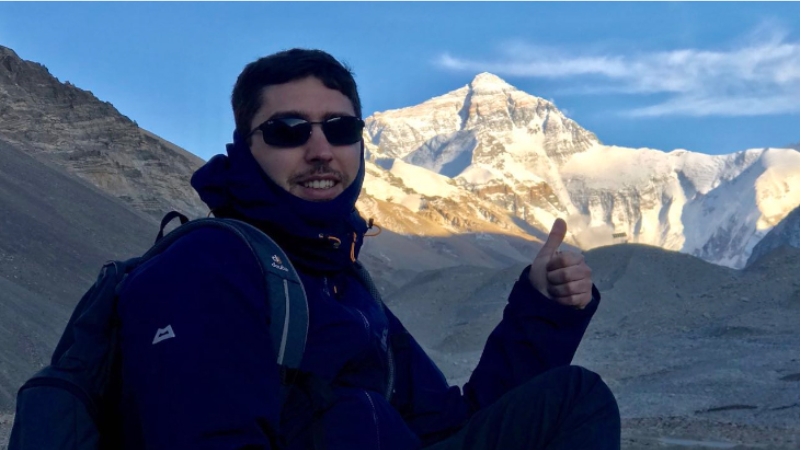
Mount Everest
Essential Preparations Before Your Everest Trip
No matter which season you choose to visit Everest Base Camp, thorough preparation is crucial to ensuring travel safety and experience quality. Here are the key aspects you need to pay special attention to:
Altitude Acclimatization and Itinerary Planning
The average altitude of the Tibetan Plateau exceeds 4,000 meters, so scientific altitude acclimatization is the top priority. After flying into Lhasa (altitude 3,650 meters), it’s advisable to arrange at least 2 days of acclimatization stay. During these days, avoid strenuous exercise, hot showers, and alcohol consumption to allow your body to gradually adapt. Itinerary design should follow the “stepwise altitude ascent” principle: Lhasa (3,650m) → Shigatse (3,850m) → Dingri (4,300m) → Everest Base Camp (5,200m), with 1–2 nights of stay at each altitude level. Never travel directly from low-altitude areas to Shigatse (or Dingri) and then immediately head to the base camp—this can easily trigger severe altitude sickness.
Document and Permit Application Process
Foreign tourists visiting Tibet need two important documents: a Tibet Travel Permit and an Aliens’ Travel Permit (Border Permit). These two documents cannot be applied for directly by individuals and must be processed through a qualified local Tibet travel agency. The application process usually takes 7–15 working days, so it’s recommended to submit scanned copies of your passport information page and Chinese visa page to the travel agency at least one month in advance. If you plan to visit Everest Base Camp, be sure to inform the travel agency, as a special note for “Everest region” access permission is required.
Detailed List of Essential Gear
- Three-Layer Clothing System: Choose moisture-wicking base layers for close-to-skin wear; mid-layers of fleece or lightweight down jackets for warmth; and outer layers of professional windproof and waterproof jackets and pants. Even in summer, nighttime temperatures at the base camp can drop below 0°C.
- Comprehensive Sun Protection: UV radiation on the plateau is 3–5 times stronger than at lower altitudes. Prepare high-SPF sunscreen (SPF50+, PA++++), reapply every 2–3 hours, and equip yourself with UV400-rated sunglasses and a wide-brimmed sun hat.
- Professional Footwear: High-top waterproof hiking boots are essential—they protect your ankles and provide excellent support. Pair them with professional hiking socks, and prepare at least 3 pairs for replacement.
- Emergency and Protective Items: Headlamp or flashlight (no public lighting at the base camp at night), insulated water bottle (capacity 1L or more), high-energy snacks (chocolate, energy bars), and personal regular medications.
- Photography Equipment Protection: Cameras, mobile phones, and other electronic devices drain battery power quickly in low temperatures. Prepare sufficient spare batteries and keep them warm in your inner pockets.
Health Preparation and Safety Assurance
Undergo a comprehensive health check 4–6 weeks before departure, with a special focus on cardiopulmonary function. Consult your doctor to confirm if you are fit for high-altitude travel, and consider obtaining a prescription for altitude sickness prevention medication (such as Acetazolamide). Travelers with severe heart disease, hypertension, respiratory diseases, or those who are pregnant are not recommended to travel to the region. Purchase specialized “high-altitude travel insurance” that covers emergency medical evacuation and rescue services below an altitude of 5,500 meters. After arriving on the plateau, closely monitor your body’s reactions—if severe symptoms such as persistent headache, vomiting, or difficulty breathing occur, immediately descend to a lower altitude and seek medical attention.
Detailed Budget Planning for EBC
- Transportation Costs: The cost of an off-road vehicle round trip from Lhasa to Everest Base Camp is approximately 3,000–4,000 RMB per person, based on a shared ride for four people. The cost will increase accordingly if you require a private chartered car.
- Entrance Fees and Permit Costs: The ticket for the Everest Nature Reserve is 180 RMB per person, vehicle entry fee is 400 RMB per car, and eco-friendly shuttle bus fee is 120 RMB per person.
- Accommodation Budget: Budget hotels along the route cost around 150–300 RMB per night, while tent beds at Everest Base Camp are approximately 80–100 RMB per person. Prices may increase by 30%–50% during peak season.
- Catering and Other Expenses: Daily catering costs are about 80–150 RMB, depending on personal choices.
Choose the Right Season for an Unforgettable Everest Base Camp Journey
Visiting Everest Base Camp is not a casual decision – it is a journey where timing matters as much as determination. The season you choose affects visibility of Mount Everest, road conditions, comfort levels, and even whether your trip can proceed as planned. Some travelers value the clear skies and quiet atmosphere of spring, others prefer the warmer temperatures of summer, while many wait for the crisp air and iconic views of autumn.
There is no single “perfect” month for everyone, only the season that best matches your expectations, physical condition, and travel priorities. With proper preparation and a realistic understanding of seasonal differences, a journey to Everest Base Camp becomes more than a destination—it becomes a meaningful and rewarding experience at the top of the world.